Rethinking Teacher Pushback: How Instructional Coaching Is Evolving from Compliance to Collaboration
By Educational Insights Staff
In the modern educational landscape, school leaders and instructional coaches often find themselves navigating a delicate and frustrating terrain: teacher pushback. When an instructional coach or school administrator introduces a new curriculum, pedagogical shift, or classroom management strategy, the goal is invariably to enhance student learning and improve teacher practice. Yet, these well-intentioned directives are frequently met with immediate resistance.
Historically, when a teacher balks at a proposed change, the traditional narrative in educational administration has laid the blame squarely on the educator. Common refrains suggest that the teacher is simply "resistant to change," "stuck in their ways," or "unwilling to try something new."
However, a radical paradigm shift is underway in the field of professional development. According to veteran instructional coach, speaker, and author Elena Aguilar, the conventional understanding of professional resistance is fundamentally flawed. In her landmark ninth book on teaching, How to Coach Resistance: Turning Pushback Into Possibility, Aguilar argues that resistance is not an isolated character flaw inherent to an individual teacher. Instead, it is a dynamic, reciprocal interaction between two people—and the adults attempting to drive change are often fueling the very pushback they are trying to eliminate.
Main Facts: The Anatomy of Classroom and Coaching Resistance
At the heart of Aguilar’s research is a reconceptualization of what happens when a coach and a teacher lock horns. Rather than viewing pushback as a one-sided barrier, Aguilar posits that resistance is co-created.
When a coach approaches a classroom with an agenda, anxiety often permeates the room. The teacher worries about their competency, the viability of the proposed strategy, or the added workload. Simultaneously, the coach worries about failing to hit performance metrics, moving the needle, or securing compliance. As anxiety mounts, both parties grow defensive. The teacher argues that their students cannot handle a new approach; the coach insists that they can.
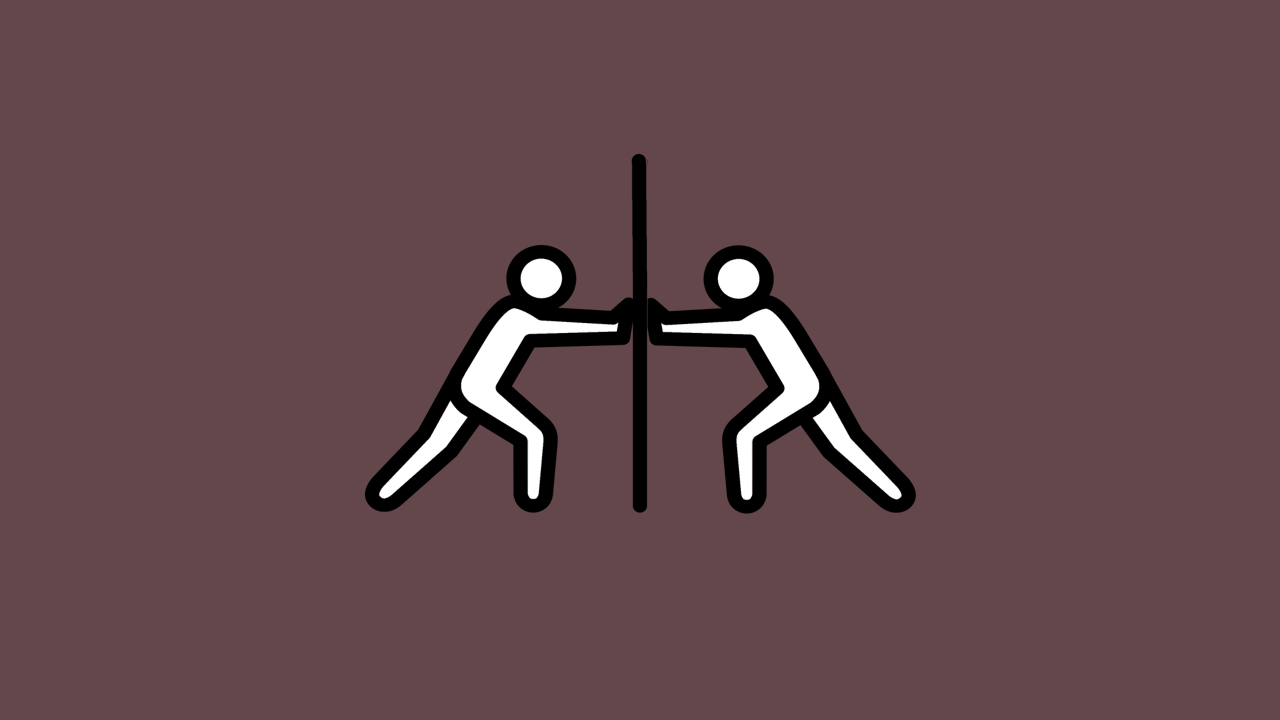
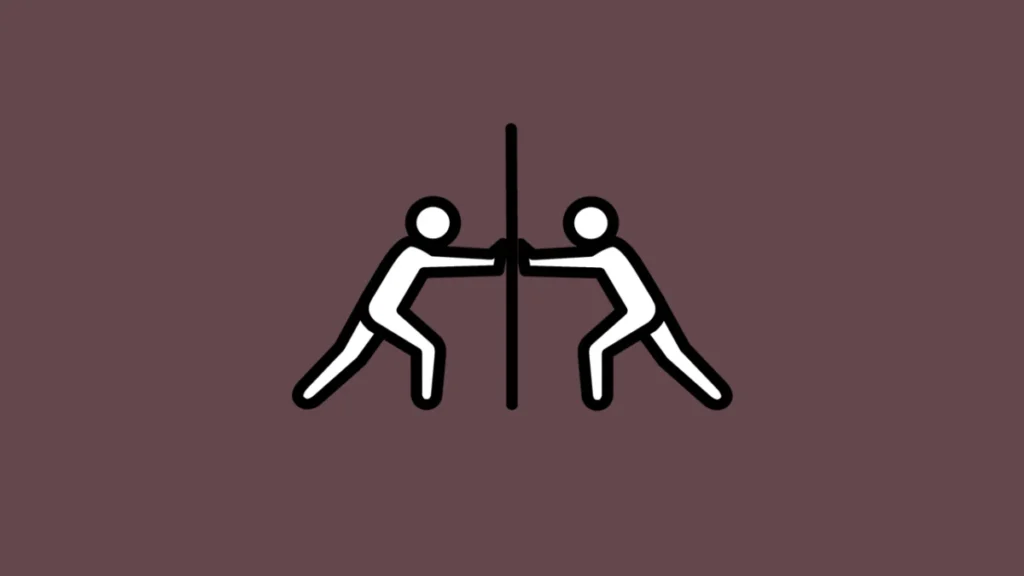
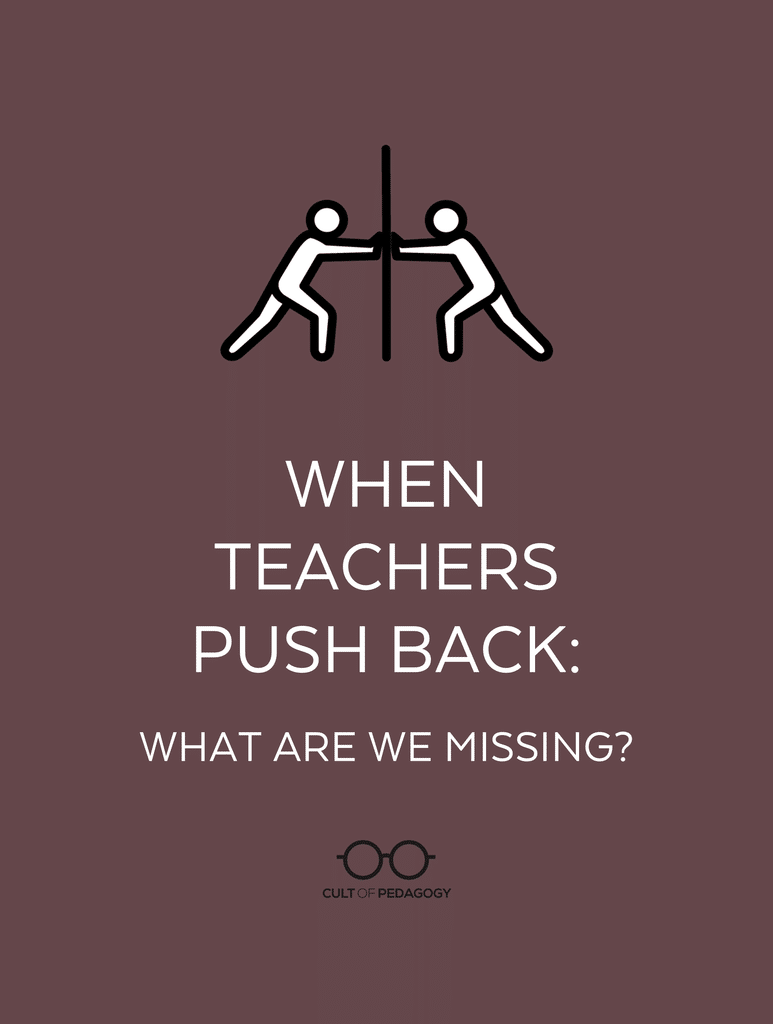
Aguilar visualizes this phenomenon as two people pushing against each other with the palms of their hands. The pressure felt by both individuals is a direct result of mutual force. To alter this volatile dynamic, she offers a surprisingly simple solution: drop the hand.
By ceasing to exert pressure and choosing curiosity over compliance, coaches can transform an adversarial deadlock into a collaborative partnership. This realization relieves coaches of the burden of fixing a "broken" teacher and empowers them with agency. Because the dynamic is co-created, it can be undone by changing the coach’s initial approach.
Chronology: The Evolution of Professional Development and Coaching Frameworks
To understand the significance of Aguilar’s new framework, it is helpful to look at the evolution of teacher coaching over the past several decades.
- The Late 20th Century (The Supervisory Era): For decades, classroom observation and coaching were heavily evaluative. Administrators dropped in with clipboards, scored teachers against rigid rubrics, and handed down mandates. Pushback during this era was generally met with administrative authority rather than dialogue.
- The Early 2000s (The Rise of Instructional Coaching): As schools shifted toward data-driven instruction, the role of the instructional coach emerged. Coaches were introduced as non-evaluative support systems. However, early coaching models still leaned heavily on fidelity to specific models and curricula, often treating teachers as implementers rather than autonomous professionals.
- The 2010s (Focus on Adult Learning Theory): Scholars began recognizing that adults learn differently than children, leading to more reflective coaching practices. Yet, a persistent blind spot remained regarding the emotional realities and underlying psychological barriers of educators.
- The Present Day (The Relational and Emotional Era): With systemic burnout peaking in the wake of global disruptions to education, modern frameworks—epitomized by Aguilar’s work—prioritize emotional intelligence, psychological safety, and systemic empathy. Resistance is no longer viewed as an obstacle to bypass, but as vital data to be analyzed.
Supporting Data: Understanding the Emotional and Practical Barriers
To operationalize this new approach, Aguilar has developed structured frameworks designed to help coaches identify what is actually driving pushback. Rather than assuming a lack of willpower, coaches are encouraged to examine emotional, cognitive, and structural barriers.
1. The ACE Framework: Addressing the Emotional Undercurrents
When a coach stops pushing and gets curious, strong emotions—such as fear, inadequacy, shame, or exhaustion—frequently surface. To navigate these feelings without needing a clinical degree, Aguilar developed the ACE framework:
- Acknowledge Emotions: Pause before problem-solving. Name the emotional climate collaboratively rather than prescriptively (e.g., asking if fear or frustration seems present). Tools like the Core Emotions framework help educators articulate complex feelings.
- Cultivate Compassion: Teachers often judge themselves harshly for struggling classrooms. Cultivating self-compassion—often by asking what they would tell a best friend in the same situation—allows educators to extend grace to themselves, their students, and their administrators.
- Expand the Story: Unpack the underlying beliefs attached to the experience. By examining the narratives teachers tell themselves about their capabilities or student potential, coaches can help them explore alternative perspectives.
2. The Gaps Framework: Diagnosing the True Obstacle
When moving from emotions to instructional practice, Aguilar’s Gaps Framework identifies six distinct categories that explain why a teacher might struggle to implement a change:
- Skill: The physical ability to execute a technique.
- Knowledge: Understanding the concepts behind a practice.
- Capacity: Having the time, energy, and physical resources to do the work.
- Will: The internal motivation or desire to act.
- Emotional Intelligence: The ability to manage self and relational dynamics.
- Cultural Competence: The awareness of cultural contexts impacting learning and behavior.
Historically, educational leaders defaulted to diagnosing pushback as a Will Gap (assuming the teacher simply refuses to comply). However, a deeper examination frequently reveals a Knowledge or Capacity gap. For instance, a secondary math teacher objecting to a literacy-heavy curriculum may not be defiant; they may simply lack formal training in teaching reading skills.
Official Responses and Perspectives from the Field
The educational community has responded enthusiastically to this nuanced reframing of professional resistance.
Veteran instructional coaches and district leaders note that moving away from a compliance-driven model has drastically improved staff retention and morale. When teachers feel heard rather than managed, trust increases exponentially.
Furthermore, Aguilar’s work underscores a vital, yet frequently overlooked, reality: sometimes pushback is entirely legitimate.
"There are times when resistance is righteous, and there needs to be resistance," Aguilar notes. "Resistance in and of itself is not a bad thing."
For example, if a kindergarten teacher is directed to keep five-year-olds seated and quiet for an hour of direct instruction, their pushback is rooted in developmentally appropriate practice. In such cases, effective coaches do not force compliance; instead, they validate the teacher’s professional expertise, explore avenues for advocacy, and help navigate systemic constraints. This requires coaches and school leaders to courageously evaluate their own institutional values and policies.

Implications for the Future of Education
The implications of shifting from "coaching compliance" to "coaching possibility" extend far beyond individual coaching sessions. As schools nationwide grapple with teacher shortages, widespread burnout, and the complexities of post-pandemic learning recovery, the traditional hierarchical model of school leadership is proving unsustainable.
1. Redefining School Culture
By normalizing emotions, vulnerability, and systemic empathy, schools can transition from punitive accountability models to true learning organizations. When teachers realize that their insights are valued—even when those insights manifest as pushback—psychological safety thrives.
2. Transforming Professional Development (PD)
District-wide PD often fails because it is delivered in a one-size-fits-all format that ignores the unique "gaps" educators face. Utilizing frameworks like Aguilar’s ensures that professional learning is targeted, responsive, and respectful of adult learning theory.
3. Broad Application Beyond the Classroom
While written primarily for instructional coaches, school principals, and teacher leaders, these principles carry universal value. Whether mentoring a novice educator, collaborating on a grade-level team, or navigating difficult conversations in personal environments, replacing defensiveness with curiosity remains a powerful catalyst for human growth.
Ultimately, Elena Aguilar’s methodology offers a hopeful roadmap. Resistance ceases to be an enemy to be defeated and becomes instead an invitation—a signal that points directly toward the support, relationship-building, and structural changes required to foster genuine educational transformation.