President’s Fiscal Year 2025 Budget Hailed as a Transformative Win for Infants, Toddlers, and Families
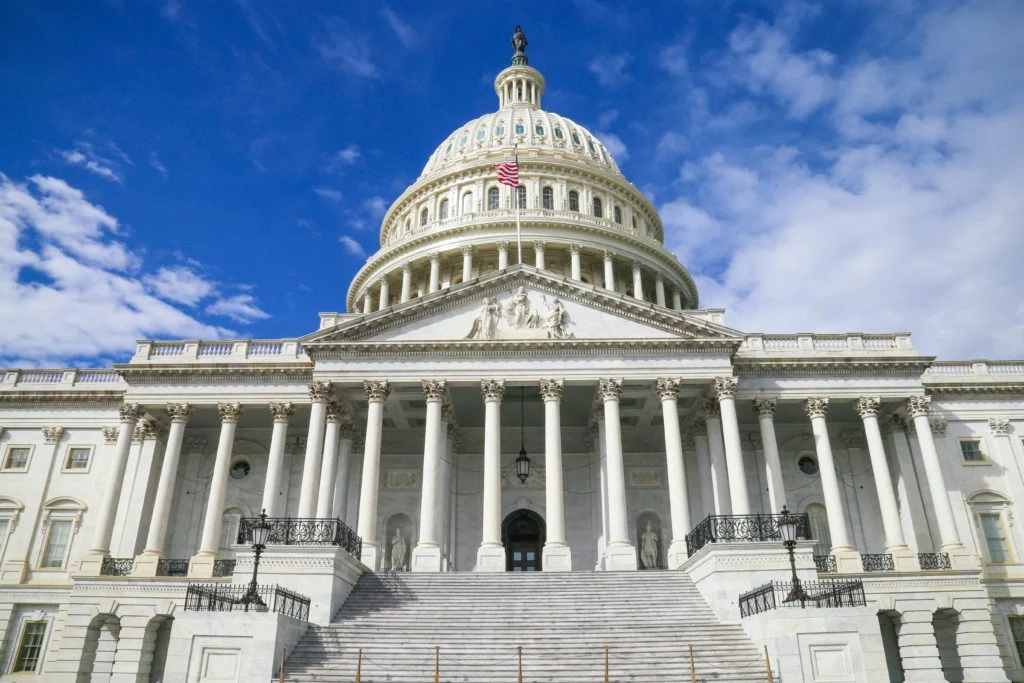
WASHINGTON, D.C. — In a sweeping endorsement of federal policies aimed at early childhood development, the nation’s leading advocacy and infant development nonprofit, ZERO TO THREE, has issued a strong statement of support for President Joe Biden’s proposed Fiscal Year 2025 budget. The organization praised the administration for prioritizing essential funding mechanisms designed to give every infant and toddler a robust, healthy foundation in life.
The budget proposal, which builds directly upon themes outlined during the President’s recent State of the Union address, places a heavy emphasis on structural support for families, pivoting away from reactive social spending toward proactive, foundational early-life investments. According to early childhood advocates, the legislative package represents a monumental step forward in transforming the United States into a fairer, more equitable place to raise a child.
Main Facts: What the Fiscal Year 2025 Budget Proposes for Families
President Biden’s Fiscal Year 2025 budget outlines a comprehensive framework aimed at alleviating the financial and systemic pressures facing modern American parents and caregivers. Rather than treating early childhood development as an isolated issue, the budget approaches family well-being through a multi-faceted lens.
At its core, the proposed budget targets five foundational pillars identified by child development experts as critical to the well-being of young children:
- Maternal Health: Expanding access to comprehensive prenatal and postpartum care to combat alarming maternal mortality rates, particularly among women of color.
- Infant and Early Childhood Mental Health (IECMH): Directing resources toward behavioral health services that support the emotional and psychological well-being of children during their most formative years.
- Child Care: Increasing federal investments to tackle the national child care crisis, making high-quality care more accessible and affordable for working-class families.
- Housing Stability: Funding programs designed to prevent housing insecurity and homelessness among families with young children.
- Economic Security: Strengthening the social safety net through targeted tax credits, poverty-reduction initiatives, and enhanced family support systems.
By weaving these elements into a singular, cohesive financial blueprint, the administration aims to dismantle the systemic barriers that currently hinder optimal child development across the United States.
Chronology: The Path to the Fiscal Year 2025 Budget Proposal
The journey toward the Fiscal Year 2025 budget did not happen in a vacuum; it is the culmination of years of advocacy, legislative battles, and shifting national priorities regarding family infrastructure.
The Post-Pandemic Reality (2021–2022)
In the wake of the COVID-19 pandemic, the fragility of America’s early childhood infrastructure was laid bare. The expiration of pandemic-era lifelines, such as the expanded Child Tax Credit, plunged millions of children back into poverty. Organizations like ZERO TO THREE ramped up research efforts, releasing successive editions of their landmark State of Babies Yearbook, which underscored the urgent need for systemic federal intervention.
The 2024 State of the Union Address
The immediate precursor to the Fiscal Year 2025 budget release occurred during President Biden’s State of the Union address in early 2024. During the speech, the President laid out an ambitious vision for American families, emphasizing lower child care costs, mandatory paid family leave, and expanded healthcare access. The address served as a policy roadmap, signaling to advocacy groups and lawmakers alike that early childhood initiatives would occupy a central space in the upcoming fiscal blueprint.
The Release of the FY 2025 Budget
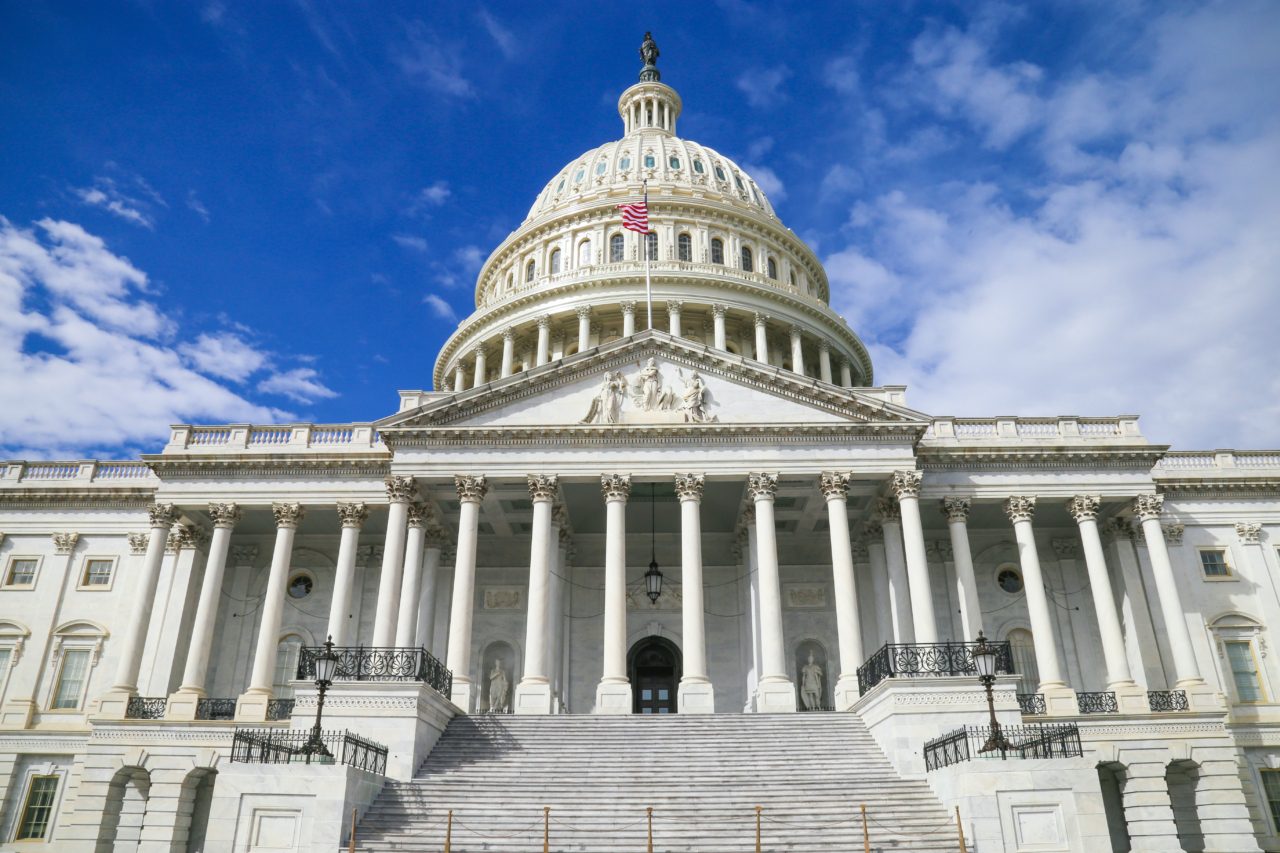
Following the legislative groundwork laid in early 2024, the White House officially released its Fiscal Year 2025 budget proposal. The document immediately drew praise from early childhood development coalitions, setting the stage for high-stakes negotiations on Capitol Hill as the administration works alongside congressional appropriators to turn these proposals into binding law.
Supporting Data: The Urgent Need for Investment
To understand why advocacy groups view the FY 2025 budget as a critical victory, one must examine the baseline data surrounding infant and toddler well-being in the United States. According to nationwide metrics and data compiled by child advocacy networks:
- The Child Care Crisis: Millions of American families live in "child care deserts," where the demand for infant care far outstrips the supply of licensed providers. High-quality infant care often rivals the cost of in-state college tuition, forcing many parents—predominantly mothers—out of the workforce.
- Maternal Health Disparities: The United States continues to experience a maternal mortality crisis that disproportionately affects Black and Indigenous families. Investing in prenatal and postpartum care is not merely an economic choice, but an urgent public health imperative.
- The Economic Toll of Poverty: Early childhood poverty has lifelong neurological, educational, and economic consequences. Children who experience prolonged toxic stress and economic instability in their first three years of life face steeper hurdles in school readiness and long-term earnings.
Recent data from national parent surveys further reveals that modern parents are increasingly intentional about emotional bonding and mental health compared to previous generations, yet they feel structurally unsupported by existing public policy. The FY 2025 budget directly attempts to close this gap between parental intent and systemic reality.
Official Responses and Stakeholder Perspectives
The reception of the budget from advocacy organizations has been overwhelmingly positive, though tempered by the recognition that legislative execution remains a steep hill to climb.
Miriam Calderón, Chief Policy Officer at ZERO TO THREE, captured the sentiment of the early childhood community in her official response to the budget’s release:
"If implemented, President Biden’s budget released today will make our nation a better and fairer nation to have and raise a baby. ZERO TO THREE has urged Congress and the Administration to prioritize the needs of babies and their families in five key areas: maternal health, infant and early childhood mental health, child care, housing, and economic security."
Calderón added that the budget successfully expands upon the vision laid out during the State of the Union address. However, she emphasized that the administrative proposal is only the first step in a protracted legislative process:
"Now, Congress must work with the Administration to deliver for families and babies. We look forward to working with Congressional appropriators and our baby champions on the Hill to make these bold proposals a reality."
As the budget moves through congressional committees, lawmakers on both sides of the aisle will face intense lobbying from advocacy groups, economic think tanks, and constituents demanding a clearer financial commitment to the nation’s youngest citizens.
Implications: What This Means for the Future of American Families
Should Congress adopt the core tenets of the President’s Fiscal Year 2025 budget, the implications for American society would be profound and multi-generational.

1. Workforce Participation and Gender Equity
By addressing the child care bottleneck, the budget would enable millions of parents—particularly women—to re-enter or remain in the workforce. Reliable, affordable child care serves as an economic engine, boosting household incomes and stabilizing local economies.
2. Lifelong Developmental Outcomes
Neuroscience confirms that over one million new neural connections are formed every second in a baby’s brain during the first three years of life. Funding initiatives that target infant mental health, stable housing, and maternal well-being directly mitigates the impacts of toxic stress, resulting in healthier, more resilient children who are better prepared for academic and social success.
3. A Bipartisan Test for Capitol Hill
While the budget reflects the priorities of the executive branch, its ultimate survival depends on bipartisan compromise in a deeply divided Congress. Advocates like ZERO TO THREE are betting that the universal appeal of supporting babies and strengthening families can transcend partisan gridlock.
Conclusion
President Biden’s Fiscal Year 2025 budget represents a philosophical and financial shift toward prioritizing the earliest chapters of human development. By targeting maternal health, child care, economic security, housing, and mental health, the proposal offers a blueprint for a more equitable society. As the legislative battle shifts to Capitol Hill, the stakes could not be higher for the nation’s infants, toddlers, and the families who raise them.
For media inquiries or further information regarding ZERO TO THREE’s policy initiatives, contact Joe Weedon at (202) 277-9410 or via email.