Beyond Chores: How Mount Jordan Middle School’s NJHS Redefined Middle School Service Through "Pounds for Puppies"
SANDY, UT — For the 80 dedicated members of the National Junior Honor Society (NJHS) chapter at Mount Jordan Middle School, the academic year did not begin with a discussion of routine chores or mundane busywork. Instead, these young leaders gathered under a much loftier premise: service must be consequential, transformative, and deeply personal.
Guided by two faculty advisers, the students set out with a singular, ambitious mission—to execute a project vastly larger than themselves, transcending the boundaries of their individual grade levels and classrooms. What started as an abstract desire to leave a legacy evolved into "Pounds for Puppies," a fitness-based fundraiser that ultimately redefined community engagement, raised critical funds for the Humane Society of Utah, and forged unbreakable bonds among middle schoolers navigating the often-turbulent waters of adolescence.
Main Facts: The Anatomy of a Grassroots Success
At its core, "Pounds for Puppies" was an exercise in creative problem-solving and youth empowerment. The initiative was built on a simple yet highly effective premise: combining a shared passion for physical fitness with a universally beloved demographic—puppies.
Instead of traditional product sales or passive donation jars, the NJHS chapter adopted a peer-sponsorship model akin to a classic charity fun run. However, the students added a unique strength-training component to cater to a wider range of athletic interests. Participants collected pledges from family members, neighbors, and local friends based on two distinct metrics:
- The Track: The number of laps run around the gymnasium.
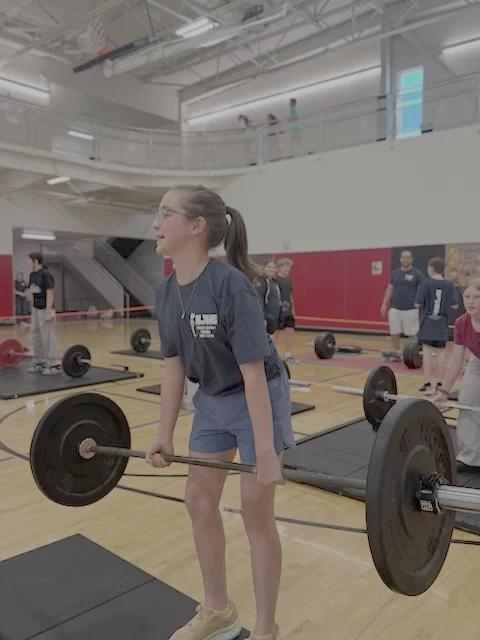
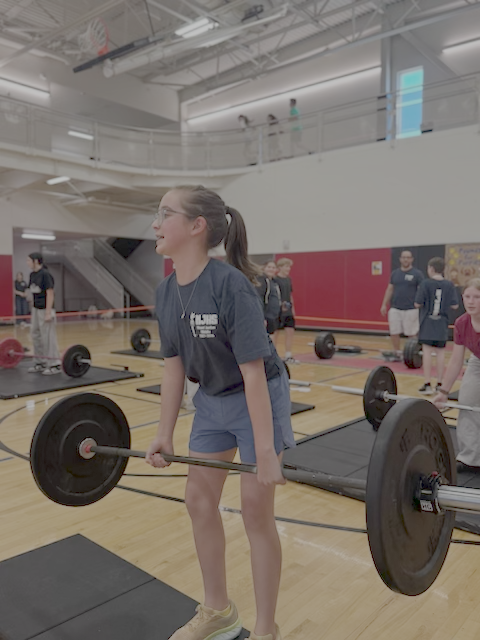
- The Platform: The total weight in pounds they successfully deadlifted.
The culmination of this planning took place in May, transforming the Mount Jordan Middle School gymnasium into a vibrant, high-energy community hub. By the time the final tally was calculated, the students had raised more than $2,000, 100% of which was donated directly to the Humane Society of Utah to support animal rescue, rehabilitation, and adoption services.
Chronology: From Concept to Community Triumph
Phase 1: Brainstorming and the Birth of a Vision
The journey began on the very first day of the school year. The chapter’s leadership recognized that middle school students are frequently underestimated regarding their capacity for genuine civic impact. Rejecting the notion that honor societies exist merely to pad academic resumes, the students initiated a series of open-ended brainstorming sessions.
The criteria were straightforward: the project had to address a genuine community need, foster high student engagement, and be entirely youth-led. When the conversation shifted toward animal welfare, the room found its focus. The plight of shelter animals resonated universally across the 80-member chapter. However, enthusiasm alone would not pay for veterinary care or shelter supplies; the students needed a viable revenue model.
Phase 2: Designing the "Pounds for Puppies" Model
Recognizing that many of their peers were actively engaged in sports and fitness routines, the chapter sought a way to monetize physical exertion positively. Drawing inspiration from traditional charity runs, they expanded the concept to include strength training. This inclusive approach ensured that runners and weightlifters alike could maximize their sponsorship potential.
Weeks before the main event, students fanned out into their local communities. They pitched their fitness goals to neighbors, relatives, and local business supporters, explaining the mission of the Humane Society of Utah and securing pledges per lap run and per pound deadlifted.
Phase 3: The May Main Event
When May arrived, anticipation reached a fever pitch. On the day of the fundraiser, the Mount Jordan gym buzzed with palpable electricity. For two solid hours, students pushed their physical limits—running relentless laps and executing disciplined deadlifts—while sponsors’ financial contributions ticked upward with every physical milestone.
Simultaneously, the event transcended a standard athletic showcase. NJHS organizers curated an immersive, animal-centric carnival atmosphere alongside the athletic tracks. Attendees and participants navigated Humane Society-themed attractions, including a specialized obstacle course, a memory-matching game, and a dog-treat cornhole toss. This multidimensional approach transformed a fundraising drive into an interactive community festival.
Phase 4: Impact and Legacy
The final dollar count surpassed $2,000, exceeding the chapter’s initial financial projections. More importantly, the event created a ripple effect of community awareness. Long after the gym mats were rolled up and the weights put away, the reverberations of the project continued to be felt by both the shelter animals and the participating students.
Supporting Data and Metrics
The success of "Pounds for Puppies" is best understood through the tangible metrics generated by an 80-student chapter over a concentrated planning and execution cycle:
- Financial Yield: Over $2,000 raised entirely through peer sponsorships and community donations.
- Beneficiary: 100% of proceeds directed to the Humane Society of Utah.
- Duration of Main Event: Two continuous hours of high-intensity athletic participation (running and weightlifting).
- Chapter Scale: 80 eighth-grade and seventh-grade NJHS members unified under a single leadership framework.
- Engagement Channels: Multiple interactive booths, including obstacle courses, memory games, and themed cornhole stations, designed to educate the public on animal welfare.
Official Responses and Perspectives
The true measure of the project’s success lies in the reflections of those who lived it—from the student organizers on the front lines to the adult advisers guiding them.
Madeline Archuleta, NJHS Historian and Project Participant
Reflecting on the transformative nature of the experience, eighth-grader and chapter historian Madeline Archuleta emphasized that the initiative was never merely about the money raised.
"Donations don’t mean anything unless you have a reason to give, and we gave people a reason," Archuleta noted. "We stepped into leadership positions, putting ourselves out there for the sake of making a meaningful difference. The goal was never to do chores. NJHS is built on service, not busy work… We transformed the gym into a place of community; a room united under a single cause."
Archuleta also highlighted the internal social shift within the middle school environment. Projects of this scale break down traditional peer barriers, allowing students who might otherwise travel in distinct social circles to find common ground.
"There were eighth graders in NJHS I never would have thought to talk to, but now? I know all their names by heart. Some of my closest friends were part of NJHS with me, and that made our friendship even stronger. We ultimately built a community around our shared ambition and ideals, and we made an impact."
Faculty Advisers and the Humane Society of Utah
While the students drove the day-to-day operations, the project’s administrative and structural backbone was provided by the chapter’s two faculty advisers. By granting students genuine agency and access to necessary resources, the advisers allowed adolescent leadership to flourish organically.
The partnership with the Humane Society of Utah extended far beyond a single ceremonial check presentation. Months after the event concluded, chapter advisers continued to receive communications from shelter staff detailing specific operational needs, medical treatments, and animal care initiatives directly funded by the Mount Jordan Middle School donation. This ongoing feedback loop provided students with concrete evidence of cause-and-effect philanthropy.
Implications: A New Blueprint for Middle School Service
The success of "Pounds for Puppies" at Mount Jordan Middle School offers a compelling case study for educators, administrators, and youth organizations nationwide. It challenges outdated assumptions regarding the limitations of middle school students, proving that when youth are trusted with autonomy, they are fully capable of executing complex, high-yield community projects.
1. Moving Beyond Traditional Fundraising
Traditional school fundraisers often rely on passive consumerism—selling wrapping paper, candy, or merchandise where the educational and civic value is minimal. By contrast, active, challenge-based models like "Pounds for Puppies" integrate physical health, peer accountability, and direct community education. Students do not just ask for money; they earn sponsorship through physical exertion and intellectual advocacy.
2. Cultivating Interpersonal Resilience and Social Cohesion
Middle school is frequently characterized by social stratification and cliquish behavior. Projects that require collaborative problem-solving act as social equalizers. By uniting diverse groups of students around an altruistic objective—such as animal rescue—schools can foster empathy, reduce social friction, and build lasting interpersonal networks that extend far beyond the classroom walls.
3. Fostering Genuine Civic Agency
True leadership development requires authentic responsibility. When students are handed ownership of a project from conception to execution—managing marketing, logistics, community outreach, and financial tracking—they develop critical executive-functioning skills. They learn that their voices carry weight and that their actions can measurably improve the world around them.
As schools across the country look for innovative ways to build character and community engagement in the post-pandemic era, the students of Mount Jordan Middle School have provided a shining example. Through creativity, sweat, and an unwavering commitment to a cause bigger than themselves, these young leaders proved that you are never too young to leave an indelible mark on your community.