Standing in the Middle: A Principal’s Perspective on the Complex Tapestry of Modern School Leadership
JEFFERSON CITY, MO — In the high-stakes, fast-paced world of modern education, school leadership is frequently defined by crisis management, budget allocations, policy compliance, and standardized testing metrics. Yet, far beyond the administrative spreadsheets and early morning meetings lies the beating heart of the American educational system: the vibrant, interconnected community.
For Beth Houf, principal of Capital City High School in Jefferson City, Missouri, and president-elect of the National Principals Association, a routine Friday night football rivalry provided a profound reminder of what education is truly about. Standing on the turf, waiting for the team to break through the banner, Houf experienced a moment of quiet reflection that captured the essence, complexity, and ultimate privilege of school leadership.
Her reflections, particularly poignant as schools observe National Principals Month, offer a revealing look into the invisible machinery of public education and the unique vantage point held by those who lead from the middle.
The Anatomy of a Friday Night: Main Facts of the Community Gathering
To the casual observer, a hometown rivalry game is simply an athletic competition—an evening of entertainment under the Friday night lights. However, from an administrative perspective, an event of this magnitude is a massive logistical undertaking and a powerful sociological snapshot of a community.
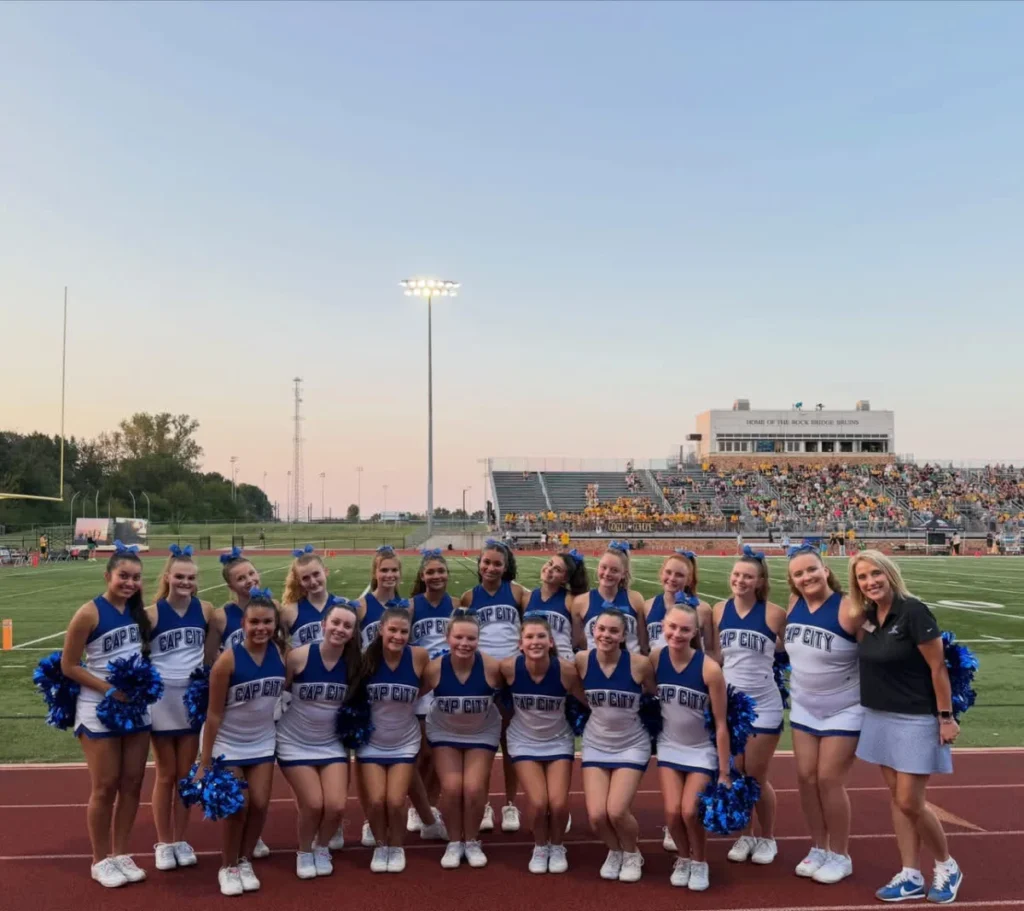
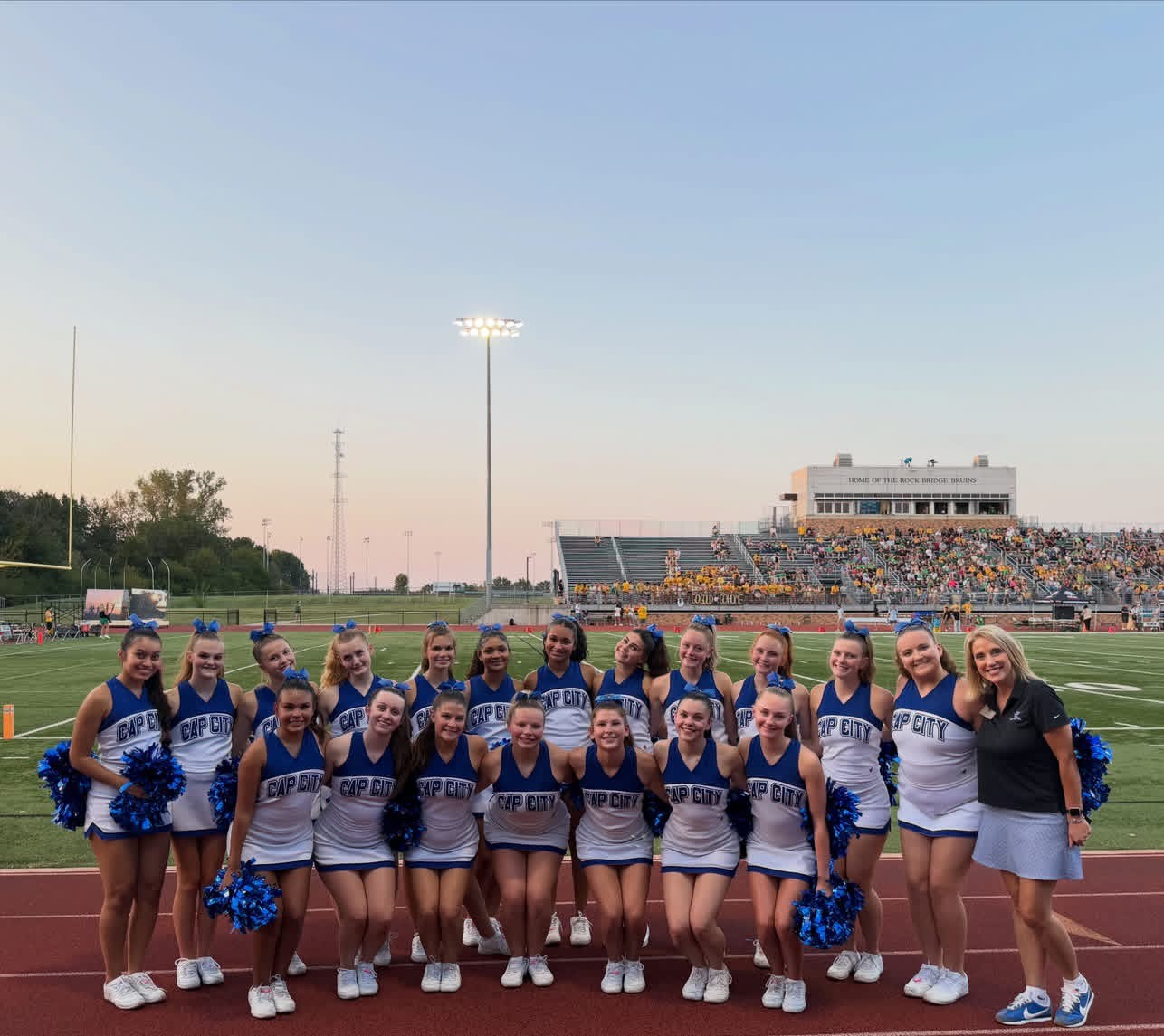
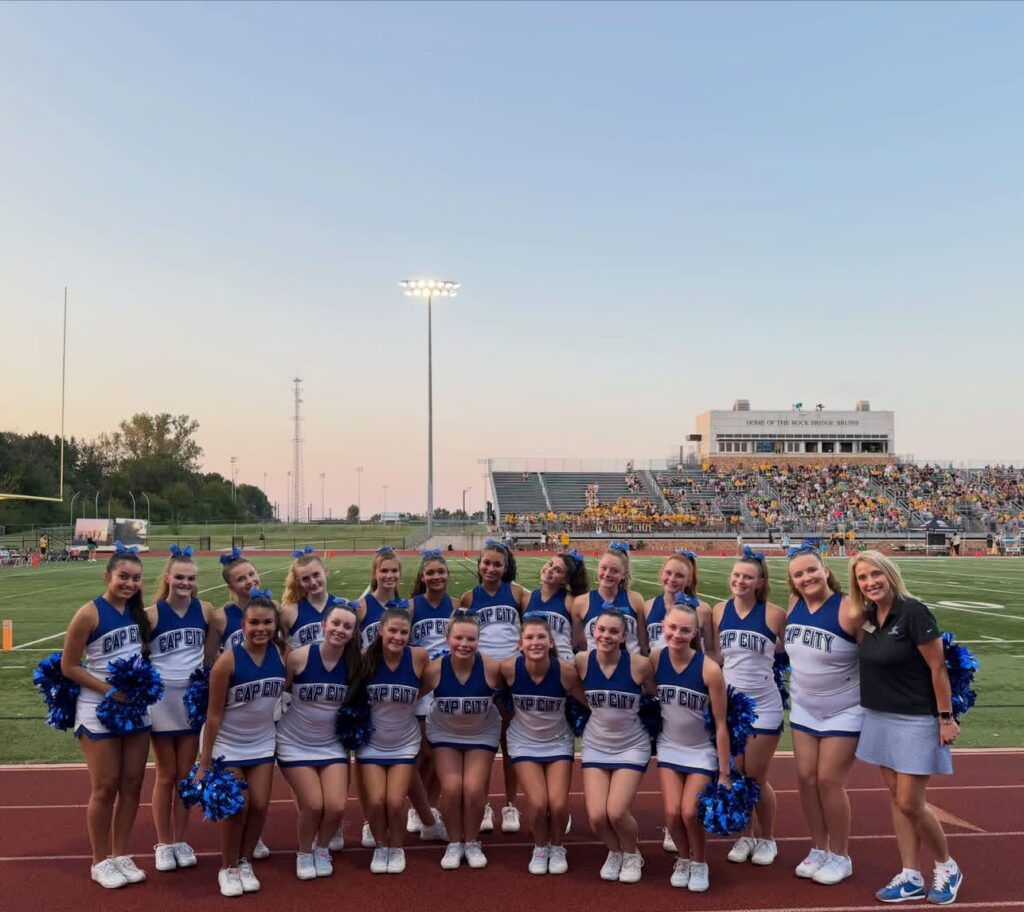
The scene at Capital City High School was electric. The stadium stands were packed to capacity; the student section pulsed with school spirit; cheerleaders and dancers warmed up on the sidelines; the marching band tuned their instruments; and the choir’s rendition of the national anthem lingered in the autumn air.
Demographically, the bleachers represented a cross-section of the entire municipality. Middle school students occupied their designated sections, buzzing with anticipation, while elementary school children looked up at the high schoolers with wide-eyed admiration. Parents, extended families, local business owners, and proud alumni filled the rows alongside teachers, coaches, support staff, and community volunteers.
- The Visible Contributors: The athletes on the field, the musicians in the stands, the performers on the sidelines, and the roaring student sections.
- The Invisible Engine: The facility managers who unlocked the gates, the custodial staff who prepped the grounds, the teachers who encouraged hesitant students to participate, the parents managing carpools, and the administrative staff ensuring safety and operational flow.
Despite the multitude of moving parts, the evening unfolded seamlessly—a testament to months of invisible planning and community collaboration.
Chronology of a Moment: From Whistle to Reflection
The journey from a chaotic school week to a moment of crystalline clarity on the football field illustrates the rhythm of educational leadership.
Monday through Friday: The Breakneck Pace
For administrators like Houf, the typical week moves at a relentless speed. The calendar is dictated by a constant stream of demands: emergency meetings, parent conferences, policy updates, disciplinary reviews, facility maintenance issues, and instructional coaching. In this environment, leaders are often forced to operate in a reactive mode, tackling individual problems as they arise.
Friday Afternoon: Final Preparations
The culmination of the academic week shifts toward the extracurricular. Staff members transition from classroom instruction to event supervision, ticket sales, gate security, and hospitality management.
Friday Night: The Pause on the Field
Standing on the turf just before kickoff, Houf stepped away from the immediate operational checklist. Looking around the stadium, she took in the layered generations present: alumni who once wore the jersey, current students making memories, and young children dreaming of future Friday nights. In that specific chronological snapshot, the abstract concept of "school community" transformed into a living, breathing reality.
Supporting Data and Context: The State of the Principalship
Houf’s personal epiphany speaks to broader trends documented in educational research regarding the nature and challenges of the modern principalship. According to studies by organizations like the National Association of Secondary School Principals (NASSP) and the Learning Policy Institute, the role of the school principal has undergone a dramatic transformation over the past decade.
- Escalating Demands: Principals today report working an average of 60 to 65 hours per week, with an increasing percentage of time diverted from instructional leadership to operational, safety, and psychological support services.
- The Retention Crisis: Job dissatisfaction and burnout have reached critical levels nationwide. A significant percentage of principals report considering leaving the profession due to high stress, administrative overload, and compounding societal pressures placed upon schools.
- The Value of Community Engagement: Research consistently shows that schools with strong family and community engagement—such as the integrated turnout observed at Capital City High School—exhibit higher student attendance rates, improved academic performance, and stronger school climates.
Yet, despite the quantitative pressures of accountability frameworks and staffing shortages, qualitative rewards—such as witnessing community cohesion and student belonging—remain the primary anchor keeping educators in the profession.
Official Perspectives: Voices from the Educational Leadership
As president-elect of the National Principals Association, Houf utilizes her platform to advocate not only for systemic support and resource allocation for school leaders, but also for a cultural shift in how leadership is perceived.
"We get to stand in the middle," Houf reflects on the unique positioning of school administrators. "Not at the center—the center implies that everything revolves us—but in the middle."
This distinction is central to modern leadership philosophy. To be at the center is to demand control and narcissism; to stand in the middle is to serve as a connective bridge.
Educational experts and administrators across the country have echoed this sentiment, noting that the principal acts as the primary conduit between institutional policy and human experience. They navigate the delicate space between:
- Students and adults
- Families and educational institutions
- Classrooms and broader community expectations
- Daily operational routines and major life milestones
By standing in the middle, principals gain a panoramic view of human development that few other professionals ever witness. They observe the quiet, transformative milestones that data spreadsheets can never capture.
Implications: What National Principals Month Reminds Us
The observance of National Principals Month provides an essential industry-wide pause to evaluate the health, morale, and purpose of school leadership. The implications of Houf’s reflections extend far beyond one high school stadium in Jefferson City; they offer a roadmap for sustaining morale in schools nationwide.
1. Combating Burnout Through Intentional Awareness
When administrative days are consumed by endless crises, leaders risk losing touch with the fundamental joy of education. The antidote to burnout is not necessarily working fewer hours—which is often impossible given the structural demands of the job—but cultivating moments of intentional awareness. Pausing to notice the triumphs, connections, and community spirit acts as a psychological reset.
2. Shifting the Narrative on School Success
While public discourse often reduces school quality to standardized test scores and graduation rates, true school culture is measured in moments of belonging. When a principal actively looks for the student who finally found their peer group, the teacher who altered a life trajectory with a single encouraging word, or the custodian who knows every child by name, they validate the human infrastructure of the school.
3. Fostering Intergenerational Connection
The packed bleachers at a hometown football game illustrate that a high school is not merely a government-funded instructional facility; it is the cultural anchor of a town. When alumni return, when elementary students look up to teenagers, and when parents volunteer their Friday nights, the social fabric of the community is reinforced. Principals play a vital role in nurturing these civic bonds.
Conclusion: Standing in the Middle of the Extraordinary
As schools navigate the complexities of the 21st century, the challenges facing educators will undoubtedly remain formidable. Budgets will tighten, technological disruptions will emerge, and societal expectations will continue to expand.
Yet, the core mission of education remains deeply human. It is found in the roar of a student section, the steady dedication of an unseen staff member, and the shared pride of a community gathered under Friday night lights.
For Beth Houf and thousands of principals across the nation, the ultimate takeaway is deceptively simple: Pause. Look up. Notice.
In doing so, leaders transform the exhausting pace of school administration into an appreciation for something extraordinary. They realize that they are not merely managing institutions; they are standing right in the middle of stories being written, lives being changed, and communities coming together.