Beyond the Grade Book: How High School Teacher Marcus Luther is Redefining Classroom Culture Through Peer Affirmation
In classrooms across the globe, the metrics of student success are traditionally bound to quantitative data: letter grades, standardized test scores, GPA calculations, and rubric-driven assessments. Yet, a growing movement among educators argues that emotional intelligence, community building, and mutual recognition are just as vital to a student’s development.
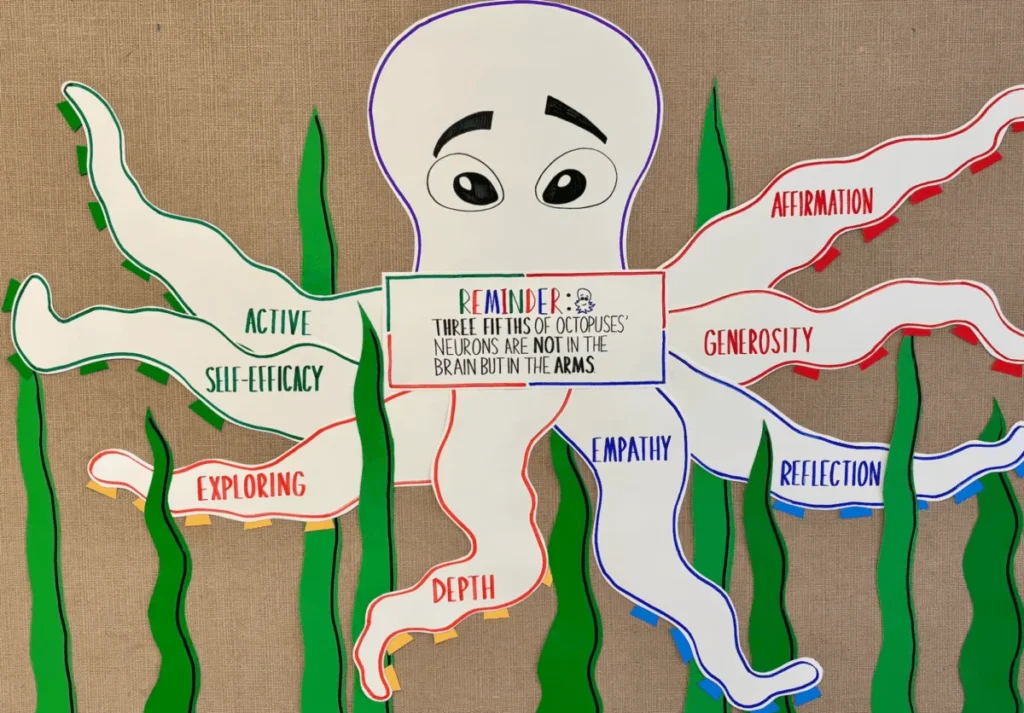
Enter Marcus Luther, a high school educator whose innovative "peer affirmation" system has transformed how students interact, view themselves, and build community. Centered around a sprawling, student-curated mural known affectionately as "The Octopus," Luther’s system offers a blueprint for cultivating empathy, emotional safety, and genuine recognition in secondary education.
Main Facts: The Anatomy of the Peer Affirmation System
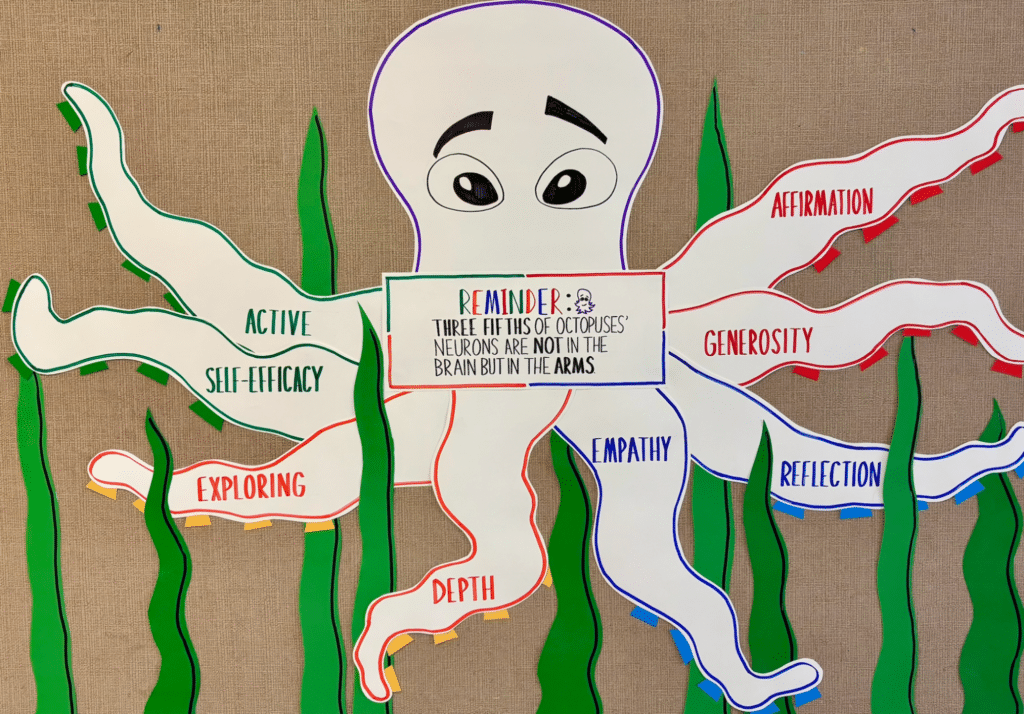
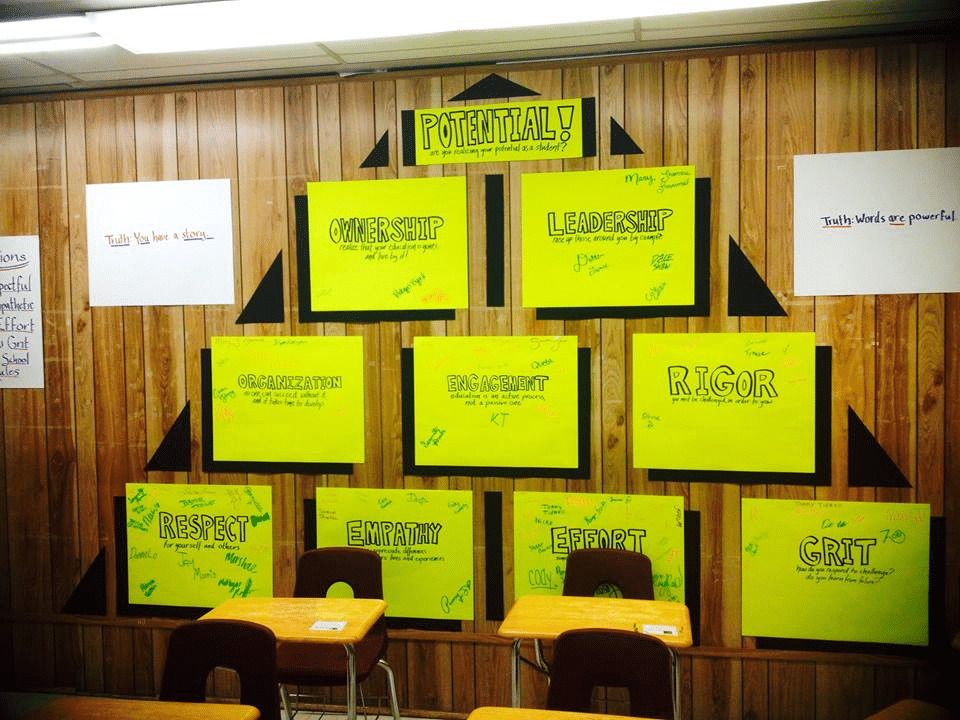
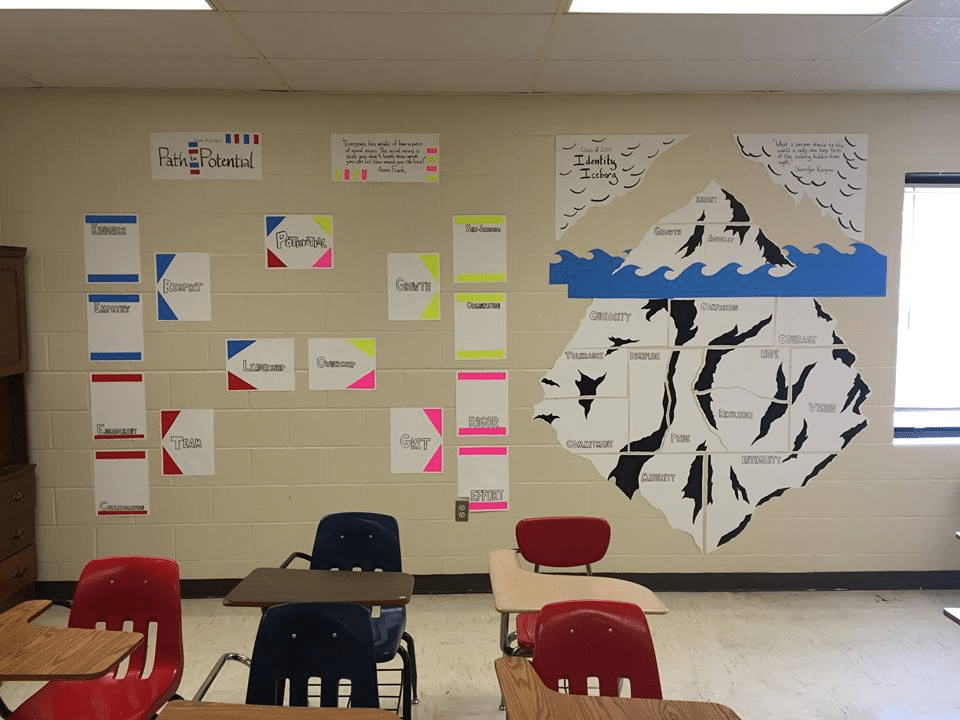
At its core, Luther’s methodology is a structured system of peer-to-peer validation designed to combat the alienation often felt in large high schools. The centerpiece of the classroom is a visual art installation—evolved over a decade from a pyramid shape into an octopus—representing the core values of the classroom community.

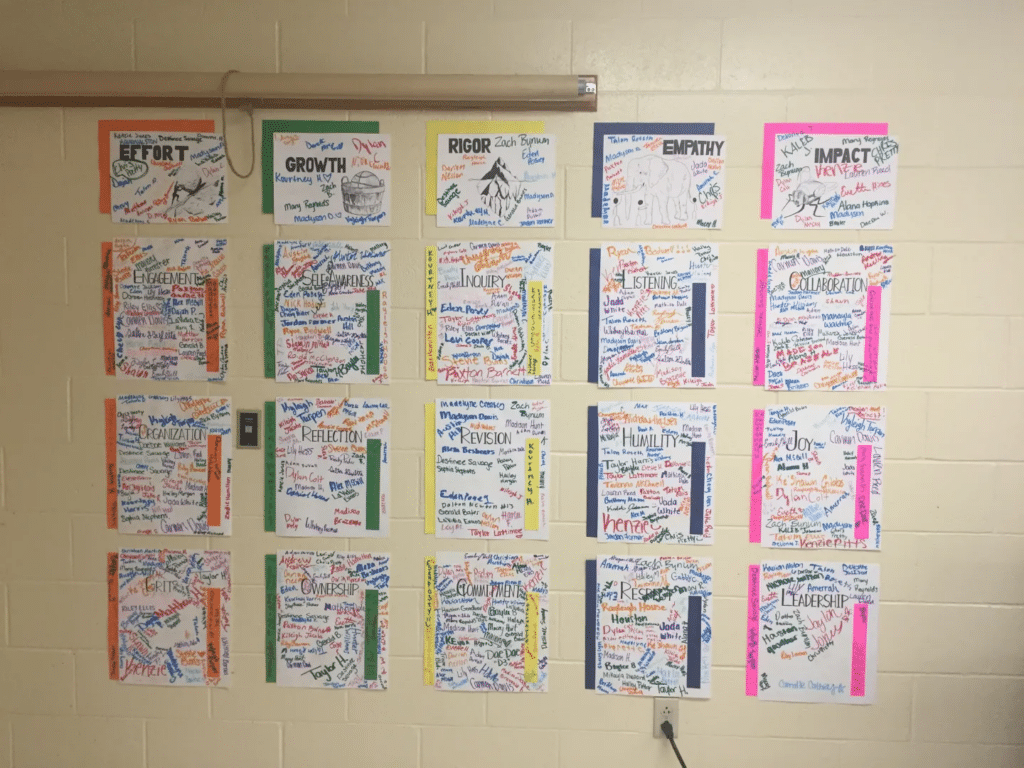
Each tentacle or section of the display represents a distinct value (such as active participation, depth, or self-efficacy). Throughout the semester, students anonymously nominate their peers via a digital form for embodying these specific values. Once reviewed and verified, the nominated students are invited to "sign the wall" during a dedicated classroom ritual, cementing their contribution to the collective culture.
- The Setup: The academic year begins with a blank visual display, emphasizing that the community culture is built, not pre-packaged.
- The Process: Students submit anonymous, detailed nominations via Google Forms, highlighting specific instances where a classmate demonstrated core classroom values.
- The Ritual: Weekly or bi-weekly "signings" turn peer recognition into a celebratory, community-wide event complete with applause and public reading of the uplifting feedback.
- The Documentation: Teachers maintain a comprehensive spreadsheet tracking nominations, providing rich qualitative data useful for parent-teacher conferences, letters of recommendation, and personalized pastoral care.
Chronology: The Evolution of "The Wall"
The practice did not emerge overnight; it is the product of over a decade of iterative classroom design, pedagogical adaptation, and trial-and-error.
Phase 1: Inspiration and Early Iterations (Early 2010s)
The concept originated when Luther visited his wife’s fifth-grade classroom, where she routinely had students write brief, positive notes of affirmation to one another alongside prominently displayed classroom values. Recognizing the profound impact of intentional community values on younger learners, Luther sought to adapt the concept for high schoolers. Influenced by John Wooden’s famous "Pyramid of Success," he introduced a pyramid-shaped visual wall in his first high school classroom.
Phase 2: Scaling and Organization (Mid-2010s)
As Luther’s teaching load expanded to include multiple sections and roughly 150 to 180 students annually, the initial, informal paper system proved unsustainable. He integrated digital tools—specifically Google Forms and spreadsheets—to streamline the collection and sorting of nominations. This transition not only saved administrative time but transformed the raw data into a reliable lens for tracking student engagement and social dynamics.
Phase 3: The Octopus Era and Modern Implementation (Present Day)
In recent years, the visual centerpiece evolved into an octopus layout, featuring eight distinct core values. By allowing students to participate in end-of-year reflections that shape the values for the subsequent year’s display, Luther successfully decentralized the process. Today, the system runs smoothly across diverse age groups, from transition-heavy freshmen to cynical advanced placement (AP) juniors and seniors.
Supporting Data and Practical Frameworks
While critics might assume high school students—particularly upperclassmen—would reject such an emotionally vulnerable exercise as "corny" or performative, Luther’s classroom observations and digital tracking paint a different picture.
The Mechanics of Engagement
To successfully implement a peer affirmation system without inducing student resistance, educators must navigate three critical operational steps:
- Defining Core Values Wisely: Choosing the right number of values is essential. While fewer values offer clarity for younger students, a higher number (such as Luther’s choice of eight) provides a wider range of observable behaviors and prevents students from filling up the posters too early in the term.
- Scaffolding Nominations: The first nomination cycle requires careful framing. Teachers often need to provide past exemplary nominations or model the process themselves to demonstrate the level of sincerity and detail expected.
- Maintaining Consistent Rituals: The magic lies in the delivery. By reading the nomination text anonymously first—building suspense before revealing the recipient’s name—the teacher transforms a simple administrative task into an anticipated weekly celebration.
Measurable Outcomes
Though qualitative in nature, the secondary benefits of this documentation are extensive:
- Parent-Teacher Conferences: Ending conferences by reading peer-submitted affirmations provides parents with a holistic view of their child’s character, bridging the gap between academic performance and social citizenship.
- Letters of Recommendation: Rather than relying solely on test scores and classroom participation, educators can reference specific peer observations of character, resilience, and collaboration.
- Targeted Interventions: Teachers can identify isolated or quiet students who make steady, quiet contributions, using the data to initiate confidence-building check-ins.
Official Responses and Classroom Reception
The reception of Luther’s methodology among students reveals a fascinating psychological trajectory: initial skepticism giving way to genuine investment.
"Do you get the occasional eye rolls? Yep. Just like all forms of celebration in a classroom or space, different students are going to respond differently. That’s okay!" Luther notes, addressing the predictable initial resistance from adolescents.
However, educators adopting similar relational frameworks consistently report that even the most detached students eventually warm up to the process. It is common for students who feign indifference during class to bring friends back to the classroom during lunch just to show off where their names have been permanently inked onto the wall.
Administrators and pedagogical experts have also praised the system for addressing the modern youth mental health crisis. By actively engineering spaces for positive reinforcement, classrooms shift away from hyper-competitive dynamics and toward collaborative environments where prosocial behavior is visibly rewarded.
Implications for Modern Education
As school districts nationwide grapple with student disengagement, behavioral challenges, and chronic absenteeism, interventions like the peer affirmation system offer profound implications for the future of schooling.
1. Shifting from Compliance to Community
Traditional classroom management often relies on behavioral compliance enforced through punitive measures or grade-based incentives. Luther’s system flips this dynamic by centering intrinsic motivation and social accountability. When students realize that their peers are actively watching for, appreciating, and recording their positive contributions, the social currency of the classroom shifts. Kindness, intellectual depth, and mutual support become "cool."
2. The Power of Spatial Intentionality
In educational design, space is never neutral. A blank wall awaiting student signatures sends a silent, powerful message: This room belongs to all of us, and its character is yet to be written. By physically inscribing names onto a shared installation, students transition from passive consumers of an educational product to active co-creators of a community space.
3. Re-humanizing the Secondary Experience
High school environments can frequently feel transactional—a series of disconnected periods, standardized tests, and shifting bell schedules. Rituals that force a pause to acknowledge human character serve as an emotional anchor. They remind students that they are seen, valued, and missed when absent.
Conclusion: A Legacy Written in Ink
Marcus Luther’s octopus mural is, on the surface, a clever art project. But underneath its painted tentacles lies a rigorous, scalable, and deeply humanizing pedagogical framework. It proves a fundamental truth of education that every teacher eventually discovers: students rise—and care—to the level of the space you make for them.
By institutionalizing peer affirmation, educators do more than decorate a blank wall; they provide students with a vocabulary of strength, a culture of recognition, and a reminder that how we treat one another matters just as much as what we learn.