The Foundations of Force: Mastering Simple Machines through Hands-On Engineering
In the realm of physics, the world is not merely a collection of objects, but a sophisticated assembly of fundamental mechanical principles. At the heart of this mechanical landscape lie simple machines—the elegant, foundational tools that have propelled human innovation from the Stone Age to the era of space exploration. By definition, simple machines are devices with few or no moving parts that modify the magnitude or direction of a force, thereby making work significantly more manageable.
While they may appear elementary in their design, these six building blocks—the lever, the inclined plane, the wedge, the screw, the wheel and axle, and the pulley—are the silent engines of our modern existence. They are the components that allow us to lift the unliftable, cut the impenetrable, and move the immovable.
The Physics of Effort: Defining "Work"
To understand why simple machines are so revolutionary, one must first deconstruct the scientific definition of "work." In common parlance, "work" might refer to a nine-to-five job or the exertion of effort on a project. In physics, however, the term is precise: Work (W) is the product of the force (F) applied to an object and the distance (d) over which that force is applied. The equation $W = Fd$ serves as the cornerstone of mechanical science.
Consider the daunting task of raising an elevator to the top of a skyscraper. To lift the massive weight of a steel car manually would be a physical impossibility for any human. By employing a pulley system, we do not decrease the amount of work required; the laws of thermodynamics remain absolute. Instead, the pulley system provides a "mechanical advantage." It allows the user to apply a smaller force over a greater distance, effectively distributing the workload to make it achievable.
The Chronology of Mechanical Innovation
The history of simple machines is a testament to human ingenuity. The mastery of these devices did not happen overnight; it evolved over millennia as civilizations sought to overcome their biological limitations.
- The Early Stone Age: The wedge was among the first simple machines, utilized by early hominids to create primitive axes and scrapers.
- The Ancient Near East (c. 3000 BCE): The lever and the inclined plane were put to work in the construction of monumental architecture, including the Ziggurats of Mesopotamia and the early structures of Egypt.
- The Classical Era (c. 3rd Century BCE): Archimedes, the famed Greek mathematician and inventor, provided the first formal mathematical treatment of simple machines. His famous proclamation, "Give me a place to stand, and a lever long enough, and I will move the world," remains the gold standard for understanding mechanical advantage.
- The Industrial Revolution: The 18th and 19th centuries saw these simple machines scaled up through steam power and precision manufacturing, forming the complex compound machines—tools composed of two or more simple machines—that power our modern factories.
6 Practical Projects to Master Mechanical Principles
To grasp these concepts, theoretical study is insufficient. Hands-on application serves as the bridge between abstraction and mastery. Educators and parents alike can utilize the following projects to bring the mechanics of the world into the classroom or living room.
1. The Pulley System
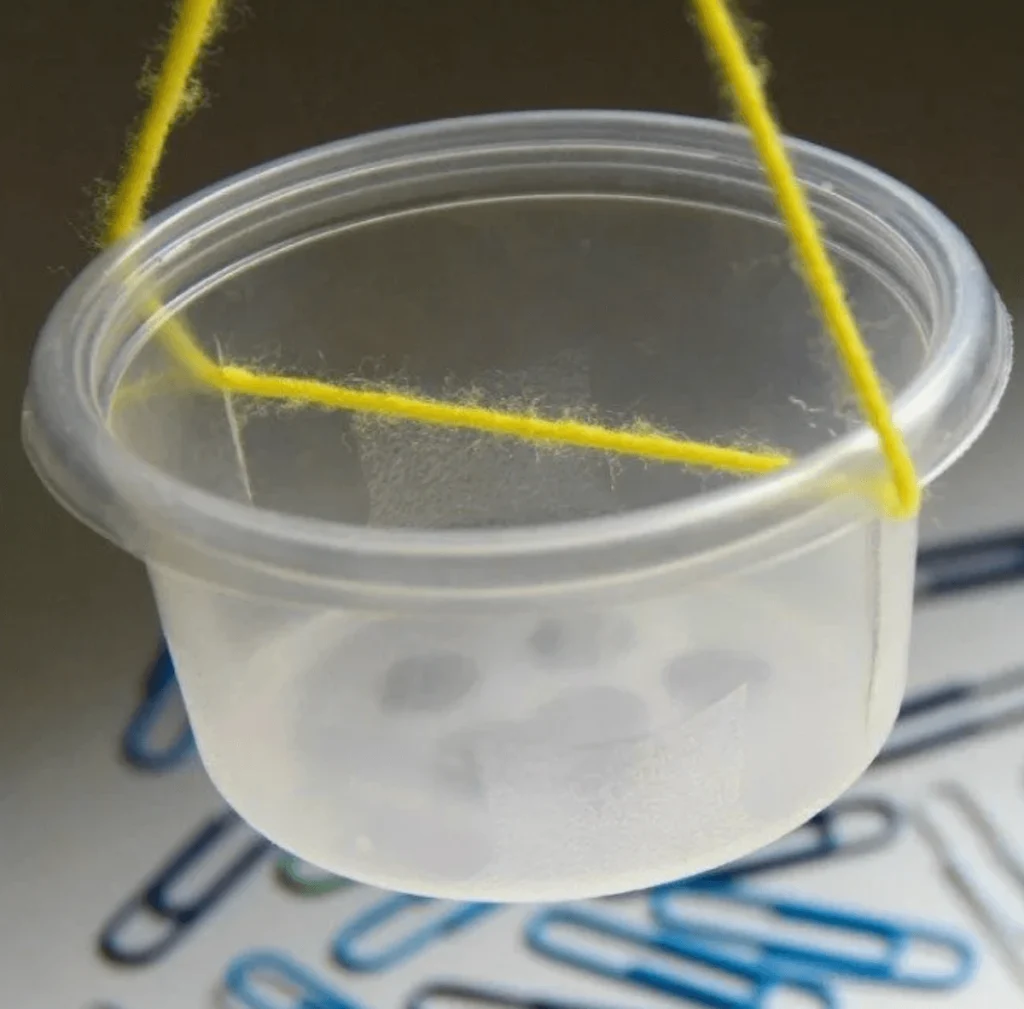
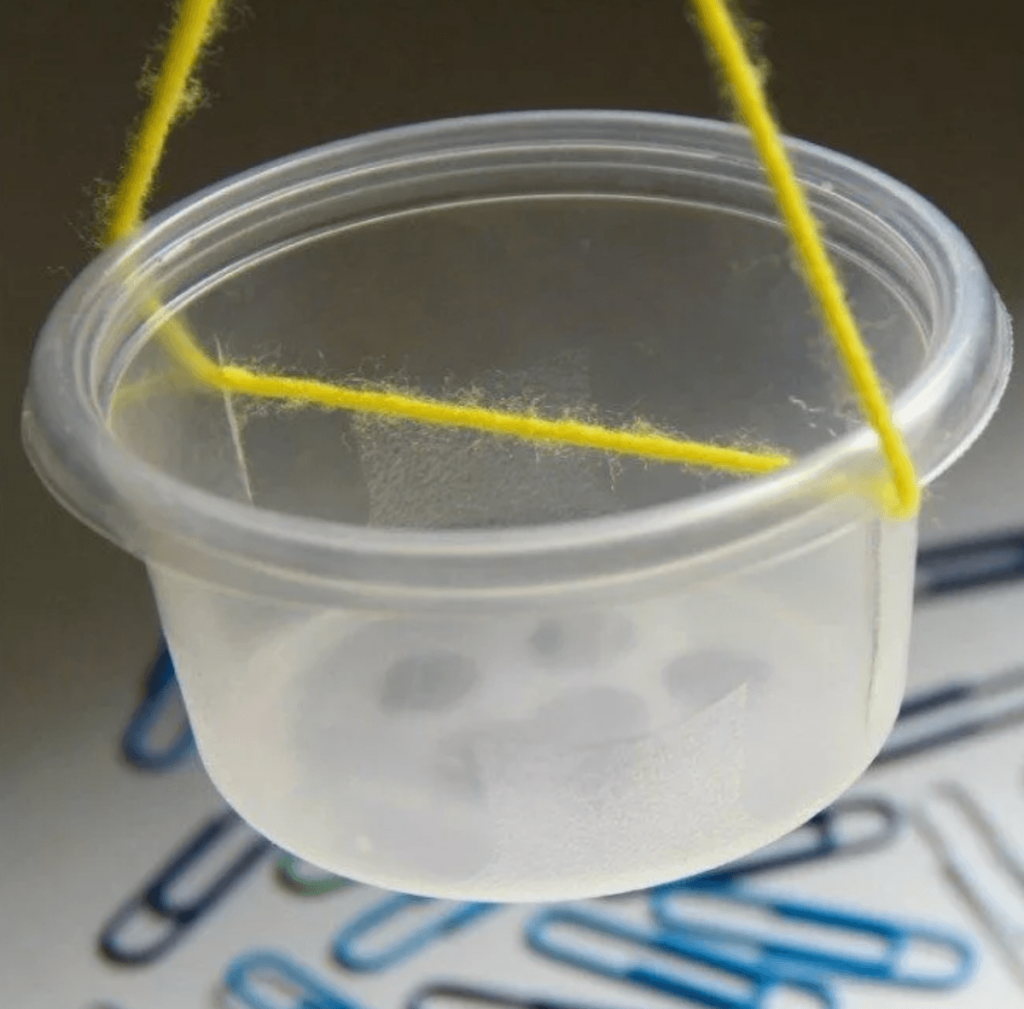
By threading string through a spool or a set of wheels, students can observe how redirecting force makes lifting easier. A pulley system is the ultimate demonstration of how tension in a rope can be leveraged to displace a heavy load with minimal human effort.
2. The Inclined Plane (Marble Run)
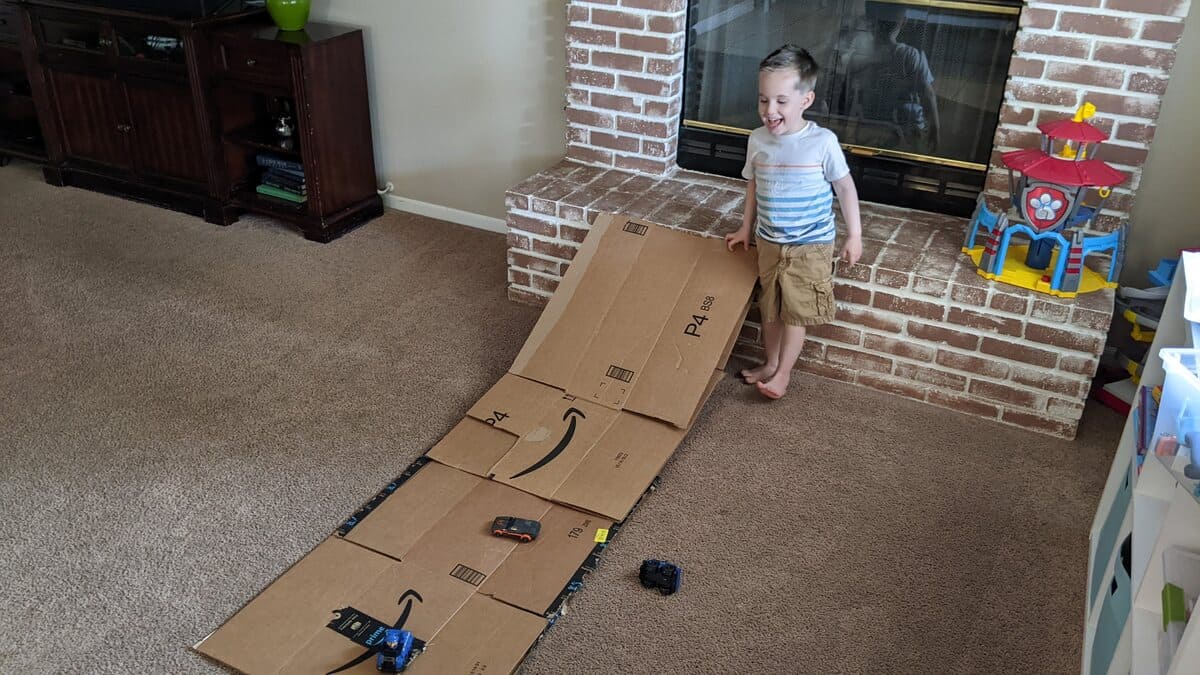
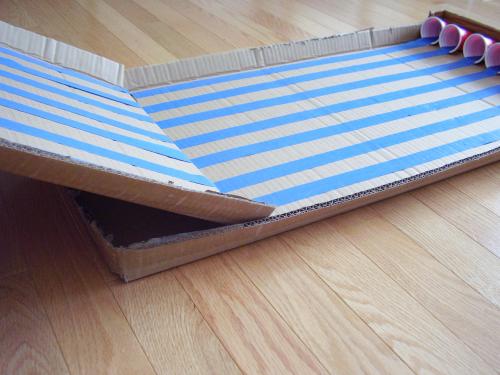
Why struggle to lift an object vertically when you can slide it along a slope? A marble run or toy car ramp illustrates how an inclined plane reduces the effort needed to move objects uphill by increasing the distance the object travels.
3. The Lever and the Binder Clip
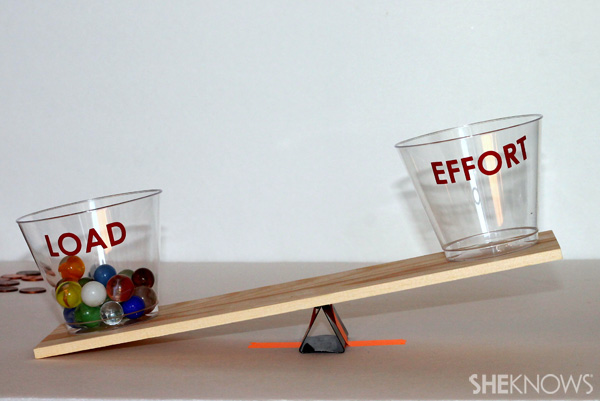
The lever is a versatile tool. By using a simple binder clip as a fulcrum and a ruler as the beam, students can experiment with different "classes" of levers. Placing the fulcrum closer to the load (the object being lifted) vs. the effort (the hand pushing the lever) provides a visceral lesson in torque and leverage.
4. The Wedge in Action
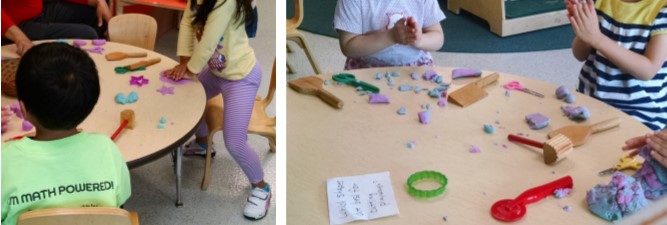
While a real ax is dangerous, the principle of the wedge—converting forward force into lateral splitting force—can be demonstrated with play dough. By pushing a flat hand into the dough, it remains intact. By pushing a triangular wedge into the dough, it separates effortlessly.
5. The Screw: An Inclined Plane Wrapped
A screw is essentially an inclined plane wrapped around a cylinder. Demonstrating this is best done by comparing a nail and a screw. Driving a nail requires a sudden, massive force (a hammer blow), whereas a screw allows that force to be applied incrementally over many rotations.
6. Wheel and Axle: Recycled Vehicles
The wheel and axle reduce friction between the object and the ground. By constructing simple cars using cardboard tubes, bottle caps, and straws, students can observe how rotational movement allows for the efficient transport of heavy items that would otherwise be impossible to drag.
Supporting Data: The Mechanics of Friction and Efficiency
A common misconception in physics education is that simple machines eliminate friction. In reality, friction is often a necessary component of mechanical operation. The wedge relies on friction to grip surfaces; without it, a doorstop would simply slide away. Similarly, a screw relies on the friction of its threads to hold two pieces of material together.
Furthermore, it is critical to address the "Work Misconception." As noted by engineering researchers, many students believe machines provide "free" energy. However, due to the laws of conservation of energy, the input work must equal the output work (plus the energy lost to heat through friction). The "advantage" gained is not a reduction in work, but an optimization of the human force profile.
Implications for Future Engineering
The study of simple machines is not merely a historical or academic exercise; it is the prerequisite for modern robotics and mechanical engineering. When a student builds a "Rube Goldberg" machine—a complex series of simple machines working in sequence—they are practicing systems thinking.
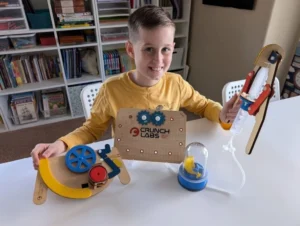
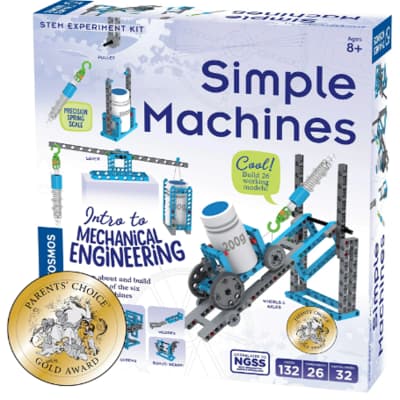
For those interested in exploring these concepts further, the market for STEM education is robust. Subscription boxes and specialized model-building kits offer curated experiences that align with national science standards. These kits often provide the specific hardware needed to test mechanical advantages, such as gears, pulleys, and structural beams.
Conclusion: Empowering the Next Generation
Simple machines are the invisible architecture of our daily lives. From the doorknob (a wheel and axle) to the blade of a kitchen knife (a wedge), we are constantly interacting with these tools. By engaging with these projects, students transition from passive observers of technology to active creators of it.
Whether through a simple marble run or a complex, multi-part engineering kit, the act of building fosters a deep, intuitive understanding of force, motion, and energy. We encourage educators and parents to lean into the curiosity of the next generation. After all, the greatest engineering marvels of the future will be built by those who first learned to master the simple machines of today.
For those seeking to further their child’s education in engineering, consider exploring the "Best Building Toys for Future Engineers" or subscribing to monthly STEM project services, which provide consistent, hands-on challenges designed to cultivate long-term interest in the physical sciences.