Empowering the Next Generation: Inside the ZERO TO THREE Early Childhood Resource Center
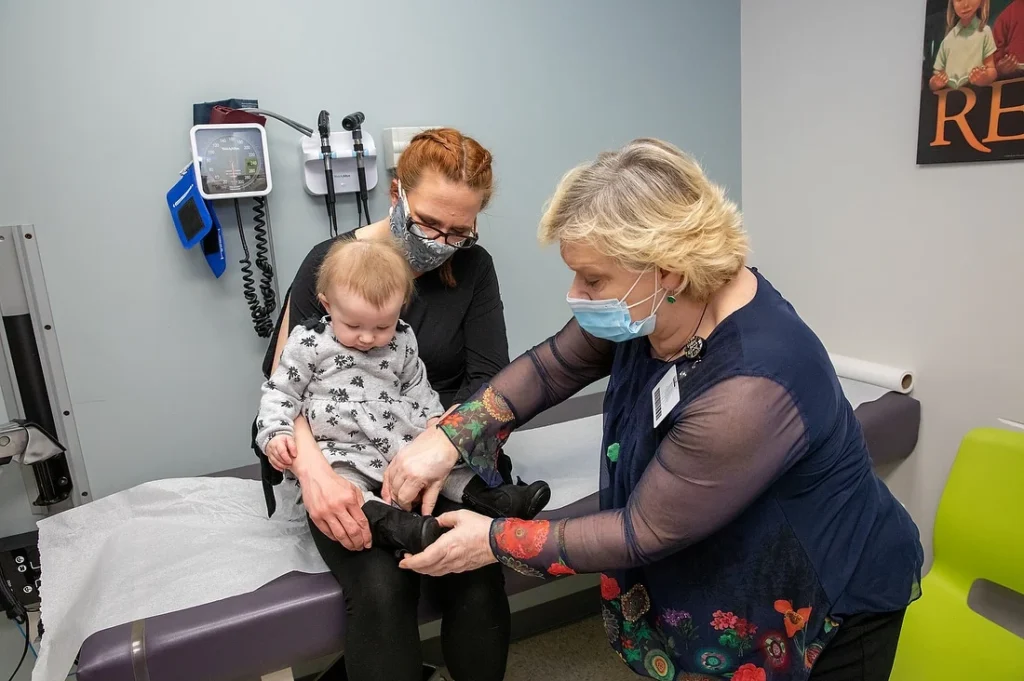
WASHINGTON — In the critical window between birth and a child’s third birthday, foundational architecture is built within the human brain. Recognizing that early connections last a lifetime, the national advocacy and developmental organization ZERO TO THREE has spent over four decades positioning itself at the vanguard of infant and toddler mental health, well-being, and early education.
Today, the organization’s comprehensive Early Childhood Resource Center stands as a monumental digital library and professional hub. Featuring a sprawling repository of more than 2,000 meticulously curated assets—ranging from free preschool curricula to cutting-edge analyses of artificial intelligence in early childhood—the platform serves as a vital lifeline for families, educators, pediatric professionals, and policymakers alike.
Main Facts: A Comprehensive Hub for Early Development
At its core, the ZERO TO THREE Early Childhood Resource Center is designed to bridge the gap between complex developmental science and everyday application. The platform provides evidence-based tools that address the holistic needs of infants, toddlers, and the adults who support them.
Key offerings housed within the platform include:

- Professional Development: Curated webinars, interactive workshops, and top-tier industry conferences tailored for early childhood professionals across various disciplines.
- Educational Curricula: Free, play-based educational frameworks such as Word Wonders (an early language and literacy curriculum) and Problem Solvers (an early STEM curriculum), complete with activity guides and songs.
- Targeted Demographic Support: Specialized resources dedicated to unique populations, including military families and children navigating the child welfare system.
- Advocacy Toolkits: Issue-based action guides designed to promote policies that bolster babies, toddlers, and their families on both state and federal levels.
- Emerging Technology Guides: Forward-thinking explorations into modern challenges, including what preschoolers understand about artificial intelligence and guidance for parents navigating screen time.
According to organizational leadership, the overarching objective is to give every baby and toddler the strongest possible start in life by equipping their caregivers with actionable, research-backed knowledge.
Chronology: Four Decades of Advocacy and Evolution
The journey of ZERO TO THREE reflects the evolution of early childhood science over the past fifty years.

- The 1980s—Foundational Advocacy: Established with a focus on infant mental health, the organization began uniting interdisciplinary professionals—including pediatricians, psychologists, and educators—to emphasize that babies are active participants in their own psychological and emotional development.
- The 2000s—Digital Expansion and Resource Scaling: As internet integration reshaped education, ZERO TO THREE transitioned its research papers and expert guides into accessible digital formats, creating centralized hubs for parents and practitioners navigating the early years.
- The 2020s—Addressing Modern Realities: Recognizing the rapid pace of technological and societal shifts, the resource center expanded its scope to include contemporary challenges. Recent additions address post-pandemic early education gaps, the mental health of infants and mothers, the realities of artificial intelligence in early learning, and the economic crises surrounding child care affordability.
- Present Day—A 2,300+ Asset Ecosystem: Today, the resource center features an interactive, filterable database housing over 2,300 resources. It acts as an active, real-time repository that continuously updates to reflect new findings in neuroscience, child care economics, and educational equity.
Supporting Data: What the Research Tells Us About the First Three Years
The urgency driving the ZERO TO THREE resource center is rooted in hard data regarding early brain development and the systemic challenges facing families and educators:
- The Window of Opportunity: Research underscores that the first three years of life represent the most pivotal and vulnerable period in human brain development, during which neural connections are formed at a rate of more than one million every second.
- The Cost of Care: Economic strains on families remain a dominant barrier to equity. Data highlighted within the center’s policy briefs details how the skyrocketing cost of infant and toddler care forces difficult compromises for working households.
- Early Educators: Despite the immense cognitive and emotional weight of their work, early childhood educators frequently face severe under-compensation and undervaluation—a systemic issue that ZERO TO THREE actively targets through advocacy distillations and policy toolkits.
- Trauma and Mental Health: Clinical insights emphasize that babies and toddlers can—and do—experience mental health struggles stemming from trauma, neglect, or biological and environmental stressors, making early intervention critical to mitigating lifelong impacts.
Official Responses: Perspectives from Experts and Educators
The rollout of the resource center’s expanded digital tools has drawn widespread praise from developmental psychologists, early educators, and policy advocates.

"We have long understood that a child’s earliest relationships shape their lifelong perceptions, emotional bonds, and behaviors," notes an organizational spokesperson for ZERO TO THREE. "By opening our library to families, professionals, and advocates alike, we are ensuring that the science of early development is not locked behind academic gates, but is actively working in living rooms, classrooms, and legislative halls."
Early childhood educators utilizing tools like the Word Wonders and Problem Solvers curricula have highlighted the platform’s focus on play-based learning.

"Children do not learn through flashcards; they learn through joyful, everyday interactions with the people who love and care for them," shared one early childhood program director. "Having free access to structured, play-based STEM and literacy guides transforms how our teachers approach the classroom every single day."
Furthermore, mental health professionals have lauded the inclusion of resources addressing maternal mental health and prenatal brain development. By bridging the gap between maternal well-being and infant outcomes, the platform encourages a two-generation approach to healing and support.

Implications: Shaping the Future of Child Development and Policy
The implications of the ZERO TO THREE Early Childhood Resource Center extend far beyond individual classrooms and households; they touch the core of public policy, workforce economics, and societal health.
1. Elevating the Early Childhood Workforce
By providing advocacy toolkits and white papers on educator compensation, the resource center plays a critical role in the national movement to professionalize and fairly compensate early childhood educators. Elevating the status and pay of these professionals is directly tied to lowering turnover rates and ensuring continuity of care for vulnerable infants and toddlers.

2. Navigating the Digital Age
As toddlers grow up alongside smart speakers, algorithmic content, and artificial intelligence, parents and educators face unprecedented questions. ZERO TO THREE’s proactive exploration of AI in early childhood and screen-time management equips caregivers with the critical thinking frameworks necessary to safeguard young minds while embracing beneficial innovations.
3. Systemic Policy Change
Through issue-based advocacy toolkits, the resource center empowers grassroots advocates and community leaders to push for structural reforms. Whether lobbying for subsidized child care, better maternal healthcare access, or robust child welfare interventions, the platform supplies the empirical data required to move lawmakers to action.

4. Community and Membership Engagement
Beyond free public tools, the platform fosters a connected professional community through its membership programs, offering exclusive resources, continuing education opportunities, and networking events. By uniting diverse disciplines—from pediatric medicine to social work—under one digital roof, ZERO TO THREE fosters a collaborative ecosystem dedicated to safeguarding the future of the nation’s youngest citizens.
How to Get Involved
For families, educators, and advocates looking to dive deeper into the science of early childhood, the ZERO TO THREE resource center is fully accessible online. Users can filter through thousands of resources by issue area, language, audience, or age range, explore the online bookstore, or sign up for periodic updates to stay informed on the latest developments in infant-toddler policy and practice.

As the organization continues its decades-long mission, the message remains clear: to secure a thriving future for society, we must invest heavily in the critical moments before a child turns three.