President’s Fiscal Year 2025 Budget Hailed as a Major Victory for America’s Infants and Toddlers
WASHINGTON, DC — In a policy landscape where early childhood funding is frequently contested, advocates for infants and toddlers are sounding a rare note of optimism. ZERO TO THREE, the nation’s leading early childhood development nonprofit dedicated to ensuring all infants and toddlers have a strong start in life, has expressed strong enthusiasm for President Joe Biden’s proposed fiscal year 2025 federal budget. According to child development experts, the sweeping proposal incorporates vital, long-overdue investments designed to build an unshakeable foundation for the nation’s youngest children and their families.
The proposed budget arrives on the heels of the President’s State of the Union address, where the administration spotlighted the pressing need to empower families and expand choices for working parents. By translating those high-level commitments into concrete funding mechanisms across multiple federal agencies, the fiscal year 2025 blueprint directly targets the systemic vulnerabilities that have historically disadvantaged young families in the United States.
Main Facts
At its core, the President’s fiscal year 2025 budget proposal positions early childhood development as a top-tier national priority. ZERO TO THREE and allied organizations have long argued that public policy must focus intensely on the earliest stages of human development, when the architecture of the human brain is built at a staggering rate of more than one million new neural connections every second.
The budget addresses this critical developmental window by allocating targeted funds across five core pillars identified by advocates as essential to child and family well-being:
- Maternal Health: Enhancing care continuity, tackling the maternal mortality crisis, and expanding access to postpartum support.
- Infant and Early Childhood Mental Health: Directing resources toward behavioral health frameworks that support emotional regulation and social development in the earliest years.
- Child Care: Boosting subsidies, increasing supply, and making quality care accessible and affordable for low- and middle-income families.
- Housing: Mitigating housing instability among families with newborns to prevent the toxic stress associated with eviction and homelessness.
- Economic Security: Expanding tax credits and financial safety nets to lift households out of poverty during their most vulnerable developmental windows.
Miriam Calderón, Chief Policy Officer at ZERO TO THREE, summarized the significance of the package: “If implemented, President Biden’s budget released today will make our nation a better and fairer nation to have and raise a baby.”
Chronology of the Policy Push
The path toward the fiscal year 2025 budget proposal is the culmination of years of targeted advocacy, grassroots mobilization, and shifting political landscapes regarding federal support for families.
- Pre-2020: Child care and maternal health were largely framed as isolated or localized private concerns rather than macroeconomic and public health imperatives. Advocacy groups like ZERO TO THREE primarily fought defensive battles to preserve flat funding for baseline child welfare programs.
- The Pandemic Shift (2020–2022): Emergency federal interventions during the COVID-19 pandemic—including temporary expansions of the Child Tax Credit and stabilization funding for child care providers—demonstrated the profound, immediate impact of federal investments. When these temporary supports began to expire, a massive policy vacuum emerged, intensifying advocacy efforts.
- The "State of Babies" Campaign (2023): ZERO TO THREE launched comprehensive state-by-state data initiatives, tracking maternal mortality, infant mental health access, and economic security across all 50 states to build an undeniable empirical case for federal intervention.
- Early 2024: President Biden dedicated significant portions of his State of the Union address to family-focused policies, laying political groundwork that signaled a robust inclusion of these priorities in the forthcoming fiscal blueprint.
- March 2024: The White House officially released the fiscal year 2025 budget request, formalizing multi-agency investments and drawing immediate praise from early childhood development organizations.
Supporting Data and the "State of Babies"
The urgency behind the fiscal year 2025 budget is grounded in sobering data compiled by researchers and national nonprofits. Despite being one of the wealthiest nations in the world, the United States continues to lag behind peer countries on key indicators of infant and maternal well-being.
According to data highlighted in the annual State of Babies Yearbook, systemic inequities heavily dictate a child’s early developmental trajectory. Prior to the targeted funding pushes seen in recent federal proposals:

- Maternal Mortality: The U.S. maternal mortality rate remains alarmingly high, particularly among women of color, who face risks up to three times higher than their white counterparts. Postpartum depression and anxiety frequently go undiagnosed and untreated due to a severe shortage of specialized mental health professionals.
- The Child Care Crisis: The average annual cost of infant care exceeds $10,000 in many states, rivaling the cost of in-state college tuition. Families routinely face long waiting lists or "child care deserts"—geographic areas devoid of licensed providers.
- Economic Vulnerability: Nearly one in five infants and toddlers in the U.S. lives in poverty. Research consistently shows that early childhood poverty triggers toxic stress, which disrupts brain architecture and creates lifelong educational and health disadvantages.
The fiscal year 2025 budget attempts to reverse these statistics by injecting federal capital directly into community-level programs, aiming to stabilize the foundational ecosystem in which babies develop.
Official Responses and Stakeholder Reactions
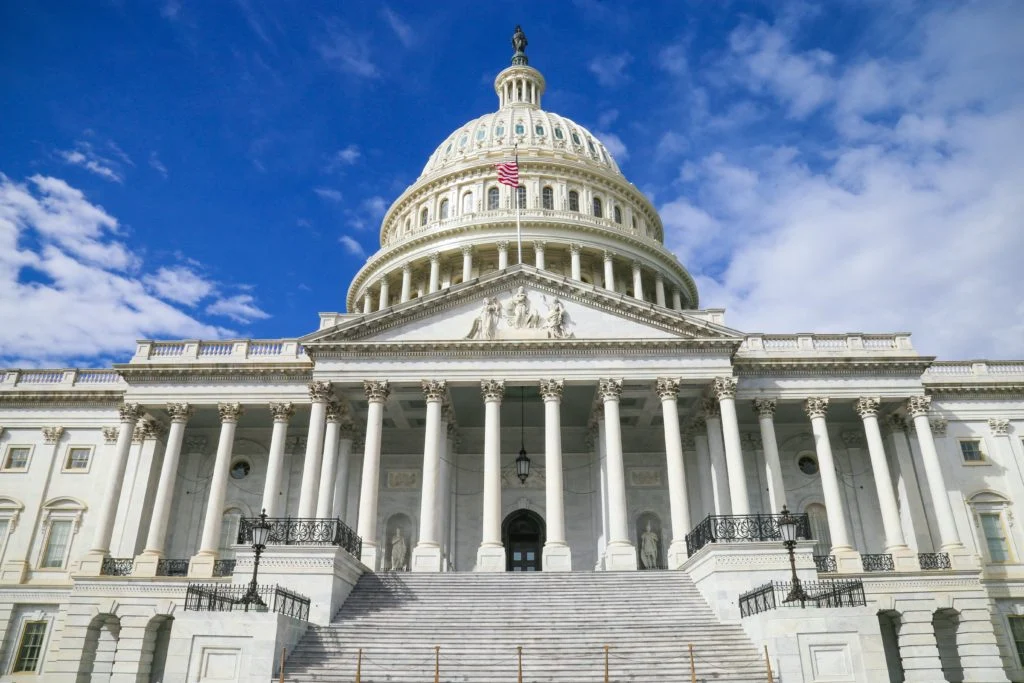
Reaction from the child welfare and early childhood education sectors has been overwhelmingly positive, though advocates acknowledge that translating a presidential budget request into enacted legislation will require significant bipartisan navigation on Capitol Hill.
"In last week’s State of the Union address, the President laid out a path toward a future where families are empowered and have choices about their baby’s future," noted Miriam Calderón. "This proposed budget expands on this vision with proposals that address all facets of young children’s development."
While the administration’s allies have praised the breadth of the budget, fiscal conservatives in Congress have raised familiar concerns regarding overall federal spending levels and the national deficit. These debates are expected to form the core of legislative negotiations as the appropriations committees begin drafting bills to fund the government for the upcoming fiscal year.

Despite potential legislative hurdles, child advocates are mobilizing to ensure that the core components protecting infants and toddlers remain shielded from deep budget cuts.
"Now, Congress must work with the Administration to deliver for families and babies," Calderón emphasized. "We look forward to working with Congressional appropriators and our baby champions on the Hill to make these bold proposals a reality."
Broader Implications for American Families
The inclusion of robust early childhood investments in the fiscal year 2025 budget signals a philosophical shift in how the federal government views early development: not merely as a private family matter, but as critical public infrastructure.
- Economic Productivity: Economists widely agree that high-quality early childhood programs yield high returns on investment. When parents—particularly mothers—have reliable, affordable child care, labor force participation rates rise, driving economic growth and stabilizing household finances.
- Long-Term Health Savings: Interventions targeting maternal health, infant mental health, and nutritional security reduce long-term chronic healthcare costs. Addressing trauma, depression, and developmental delays in infancy prevents more expensive interventions later in the K-12 education and criminal justice systems.
- Generational Equity: By prioritizing resources for low-income and marginalized families, the budget seeks to level the playing field, ensuring that a child’s zip code or socioeconomic status does not dictate their cognitive, emotional, and physical potential.
As the legislative process unfolds in Washington, the fate of the fiscal year 2025 budget will serve as a critical test of political will. For millions of parents, caregivers, and early childhood professionals, the stakes could not be higher. Whether Congress rises to meet the needs of the nation’s youngest residents will determine the shape of American families—and the American workforce—for decades to come.