The Long Road to Recovery: Analyzing the Persistent Crisis of Chronic Absenteeism in U.S. Schools
Updated: November 10, 2026
The American education system is currently navigating a slow, arduous recovery from the seismic disruptions of the COVID-19 pandemic. While the immediate logistical hurdles of remote learning and school closures have long since passed, a quiet crisis remains embedded in the daily attendance logs of K-12 classrooms across the nation: chronic absenteeism.
According to the latest data tracker developed by FutureEd, which monitors attendance trends from the 2018–19 pre-pandemic baseline through the 2025–26 academic year, the nation is making progress. However, the data suggests that while the "emergency phase" of school attendance has subsided, a "new normal" of elevated absenteeism persists, signaling long-term challenges for educators, policymakers, and students alike.
Main Facts: The State of Attendance in 2026
Chronic absenteeism is defined by the Department of Education as students missing 10 percent or more of the school year—roughly 18 days in a standard 180-day calendar—for any reason, including excused absences, unexcused absences, and suspensions.
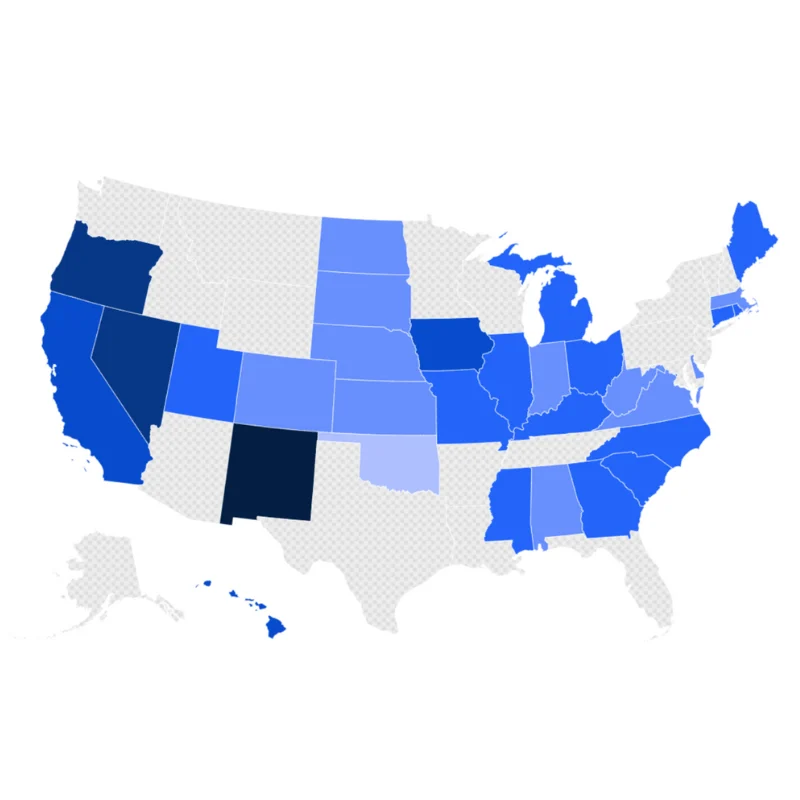
As of the 2025–26 school year, the trajectory of this metric is moving in the right direction. Among the 26 states that have already released their official reporting, 25 have seen a decrease in chronic absenteeism rates compared to the previous year. This broad-based improvement suggests that school districts’ concerted efforts to re-engage families and prioritize attendance are gaining traction.
Despite these gains, the data reveals a sobering reality: chronic absenteeism rates in every reporting state remain above their 2018–19 pre-pandemic levels. While the gap is closing, the "long tail" of the pandemic continues to exert influence on student engagement.
- The Leaders and Laggards: Virginia currently boasts the lowest rate of chronic absenteeism among reporting states at 12.9 percent. At the other end of the spectrum, New Mexico reports the highest rate at 31.3 percent, highlighting the vast disparities in geography and socioeconomic support structures.
- The Stagnant State: South Dakota stands as the lone outlier in the current report, with its rate holding steady at 20 percent, neither improving nor worsening over the last cycle.
A Chronological Look at the Attendance Gap
To understand where we are, we must look at where we have been. The timeline of chronic absenteeism since 2018 provides a clear view of the erosion of school attendance culture.
The Pre-Pandemic Baseline (2018–19)
Before the world shifted in early 2020, chronic absenteeism was already a significant concern for many urban and rural districts. However, it was viewed as a manageable problem localized primarily in schools serving high-poverty populations. The national average was significantly lower, and the mechanisms for tracking and intervention were robust.
The Peak of Disruption (2021–22)
The 2021–22 school year marked the zenith of the absenteeism crisis. As schools grappled with the Omicron variant, persistent health concerns, and the lingering psychological effects of isolation, attendance plummeted. In many states, the proportion of chronically absent students surged, in some cases doubling from pre-pandemic levels. This was the year that "school engagement" became the primary focus of administrators, who found that many students had drifted away from the daily routine of classroom life.
The Gradual Rebound (2022–24)
During these two academic cycles, the focus shifted from crisis management to re-enrollment and re-engagement. States began implementing "attendance recovery" programs, utilizing federal ESSER (Elementary and Secondary School Emergency Relief) funds to hire outreach workers and provide transportation support. Year-over-year improvements were recorded in most jurisdictions, though progress was slow and uneven.
The Current Landscape (2025–26)
We are currently in a phase of stabilization. The drastic, double-digit drops seen in the immediate post-pandemic years have transitioned into incremental, steady progress. Six states—California, Hawaii, Massachusetts, Michigan, Nevada, and Rhode Island—have successfully brought their rates down by at least 10 percentage points from their 2021–22 peaks. This represents a roughly one-third reduction in the share of chronically absent students in those states, a significant achievement that suggests the systemic efforts of the past three years are beginning to bear fruit.
Supporting Data: The Distance to Normalcy
While the decline from the 2021–22 peak is a cause for cautious optimism, the distance remaining to reach the 2018–19 baseline is the true measure of the challenge ahead.
The data indicates that while states like Rhode Island have nearly returned to their pre-pandemic "normal"—currently sitting within 1 percentage point of their 2018–19 rates—others have a much steeper hill to climb. Some states remain as far as 13.4 percentage points away from their pre-pandemic baseline.
This variance is critical. It suggests that the "COVID effect" on attendance was not a uniform phenomenon. Factors such as state-level policy responses, regional economic health, and the efficacy of local community partnerships have created a fragmented recovery. For states still struggling with double-digit gaps, the question is no longer just about "getting kids back to school," but about addressing the underlying socioeconomic and systemic barriers that prevent consistent attendance in a post-COVID world.
Official Responses and Policy Shifts
Educational authorities have shifted their rhetoric significantly over the past 24 months. Initially, the focus was on public health and safety. Today, the focus is on the "importance of seat time."
State Departments of Education have begun to pivot toward evidence-based interventions. These include:
- Early Warning Systems: Using predictive analytics to identify students who are trending toward chronic absenteeism before they hit the 10 percent threshold.
- Wraparound Services: Acknowledging that chronic absenteeism is often a symptom of housing instability, food insecurity, or mental health struggles, districts are increasingly integrating social workers and health clinics directly into the school environment.
- Community-Centered Communication: Moving away from punitive "truancy" policies toward collaborative, supportive communication with parents. Research has shown that proactive, positive engagement with families—rather than legal threats—is more effective at improving attendance.
"We are seeing a cultural shift," says Dr. Elena Rodriguez, a senior fellow at the Center for Education Policy. "The data from 2025–26 confirms that we have successfully moved past the emergency phase. However, we are now in the ‘rebuilding’ phase. We have to rebuild the social contract between schools and families that says, ‘School is where you need to be every day.’"
Implications: The Cost of the "New Normal"
The implications of persistent chronic absenteeism extend far beyond the classroom. The long-term costs of a generation with fragmented school attendance are profound.
Academic Achievement and Learning Loss
The "COVID slide" is well-documented, but chronic absenteeism is the fuel that keeps it burning. Students who miss significant time fall behind in foundational literacy and numeracy, creating gaps that are difficult to close in later grades. If the 2025–26 rates do not continue to decline toward pre-pandemic levels, we risk cementing a permanent achievement gap.
Social and Emotional Development
Schools provide more than just academics; they are centers of social development. Chronic absenteeism robs students of the consistent peer interactions and adult mentorship necessary for emotional maturity. The rise in mental health challenges among youth is inextricably linked to the social isolation that chronic absenteeism facilitates.
Economic and Workforce Impacts
In the long term, the economic consequences are severe. A workforce that has been habituated to irregular attendance during their formative years may struggle with the demands of a professional environment. Furthermore, the economic burden on parents—many of whom must take time off work to care for children who are not in school—creates a cycle of instability that impacts the broader economy.
The Path Forward
The FutureEd data provides a map for the road ahead. The fact that states like California and Massachusetts have successfully shaved 10 points off their peak rates demonstrates that this is not an intractable problem. It is a problem of resources, focus, and, most importantly, patience.
As we move deeper into the 2026–27 academic year, the pressure will be on state legislatures to sustain funding for the attendance initiatives that have proven effective. The lesson of the last seven years is clear: there is no "quick fix" for the disruption caused by the pandemic. Recovery is a slow, structural process that requires the collective effort of educators, parents, and community leaders.
While the data shows we are winning the battle against the post-pandemic absenteeism surge, the war for consistent student engagement is far from over. The goal for the coming years is not merely to return to the 2018–19 baseline, but to use the lessons learned during this period of crisis to build a more resilient, supportive, and accessible education system for all students.
The 2025–26 numbers provide a glimmer of light at the end of the tunnel, but the path forward remains one of sustained, diligent effort. The future of the next generation depends on the simple, yet profound, act of showing up.