The Attendance Crisis: A New Blueprint to Reconnect Students to the Classroom
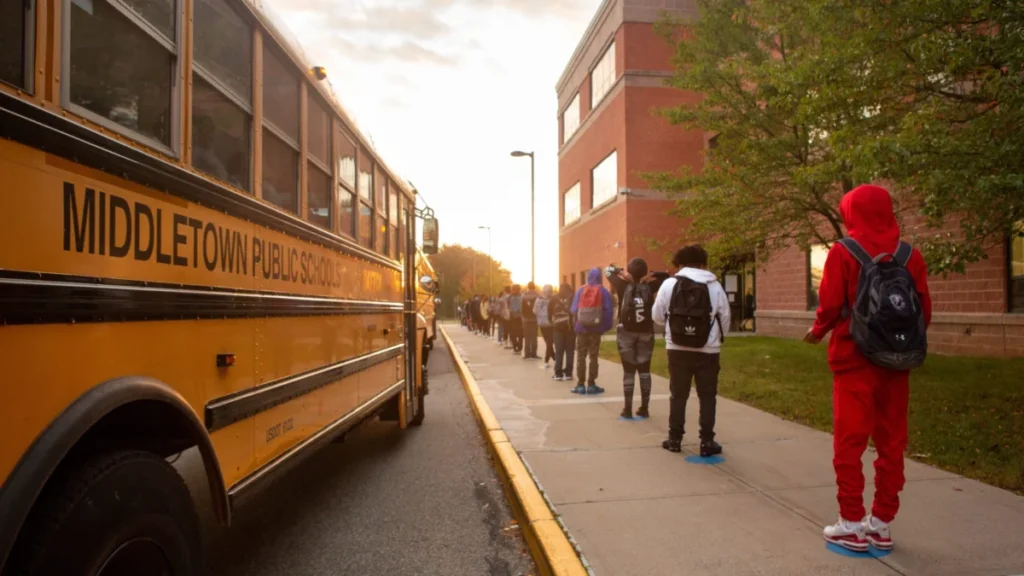
Chronic absenteeism has evolved from a routine administrative challenge into a structural crisis for American education. As the 2026-27 school year progresses, data indicates that attendance rates in most of the country remain stubbornly trapped above pre-pandemic levels. While the initial disruption of COVID-19 has passed, the "new normal" of school attendance is characterized by a complex web of social, economic, and psychological barriers that have left millions of students disconnected from the classroom.
To address this systemic drift, FutureEd and Attendance Works have launched the 2026 edition of the Attendance Playbook. This comprehensive resource arrives at a critical juncture, offering school leaders, policymakers, and educators an evidence-based roadmap to reverse years of attendance decline. By synthesizing more than 150 recent studies, the Playbook serves as both a diagnostic tool and a practical guide for schools struggling to bring students back to the fold.
The New Face of Absenteeism: A Shifting Landscape
The narrative surrounding absenteeism is no longer just about truancy or lack of transportation. While traditional barriers—such as chronic health conditions, unreliable bus routes, and the economic necessity of students working to support families—remain pervasive, they are now compounded by modern, multifaceted drivers of disengagement.
The Erosion of School Culture
Student disengagement has surged, with many learners struggling to find purpose or belonging in a post-pandemic academic environment. The Attendance Playbook identifies a breakdown in the "school-to-student" connection, where the lack of meaningful relationships with peers and trusted adults acts as a primary deterrent to daily attendance. When students do not feel seen or valued, the perceived cost of missing school decreases significantly.
Socio-Political and Cultural Shifts
Beyond the school walls, external pressures have intensified. Heightened immigration enforcement has created an atmosphere of fear, leading many families to keep their children home to ensure their safety. Simultaneously, societal attitudes regarding "sick days" have shifted. The post-pandemic emphasis on physical health, while well-intentioned, has led to a lower threshold for when a student is considered "too sick to attend," often leading to extended absences for minor ailments that would have previously been managed in the classroom.
The Vulnerability Gap
Most alarmingly, the burden of these trends is not shared equally. Data consistently demonstrates that chronic absenteeism disproportionately impacts traditionally underserved student groups. Students from low-income families, English language learners, and students of color continue to face the highest rates of disengagement. This "vulnerability gap" threatens to widen existing achievement disparities, turning a crisis of attendance into a long-term crisis of social mobility.
A Chronology of the Crisis: From 2018 to 2026
To understand the current state of education, one must look at the trajectory of the last eight years.
- 2018–2019 (The Baseline): This academic year serves as the final pre-pandemic benchmark. Attendance rates were relatively stable, and chronic absenteeism was largely confined to specific, identifiable demographics.
- 2020–2022 (The Great Disruption): The onset of COVID-19 saw mass school closures, remote learning, and a total breakdown in attendance tracking. During this period, the concept of "being present" was fundamentally redefined.
- 2023–2025 (The Attempted Recovery): As schools reopened, administrators discovered that many students had not returned to the habit of daily attendance. The "attendance habit" had been broken, and schools struggled to re-establish the social contract of mandatory daily instruction.
- 2026 (The Strategic Pivot): The release of the 2026 Attendance Playbook marks a shift from reactive measures to proactive, data-driven intervention. It represents a pivot toward building systemic, schoolwide supports that address the root causes of absence rather than merely punishing the symptoms.
Supporting Data: Why the Playbook Matters
The Attendance Playbook is built upon a rigorous analysis of high-quality research. By reviewing 150+ studies, the authors have filtered out "noise" and focused on interventions that move the needle.
Key Areas of Analysis
The research presented in the report covers several critical dimensions of the attendance problem:

- Grade-Level Variance: Chronic absenteeism manifests differently in kindergarten than it does in high school. The Playbook provides tiered strategies that recognize the specific needs of early childhood development versus the autonomy-seeking nature of adolescents.
- Income and Language Status: The Playbook utilizes granular data to show how English learner status and socioeconomic background act as predictors of absenteeism, allowing for targeted resource allocation.
- The Efficacy of Relationship-Based Interventions: A core finding of the 2026 research is that the most successful programs are not those that rely on automated notifications or punitive letters, but those that foster one-on-one connections. Programs that assign a "trusted adult" to a student are shown to have a significantly higher success rate in boosting attendance.
Official Responses and Strategic Implications
Educational leaders have praised the new edition of the Playbook as a necessary evolution in school management. By moving away from the "one-size-fits-all" model, the new guidelines encourage schools to conduct deep audits of their own local data.
Foundational Features of Success
The 2026 edition introduces new sections on foundational school culture. The authors argue that attendance is not an "add-on" program; it is a symptom of a healthy school environment. If a school lacks robust social and emotional supports, attendance efforts are likely to fail. Therefore, the Playbook advocates for:
- Schoolwide SEL (Social and Emotional Learning): Creating a climate where students feel safe and supported.
- Early Childhood Focus: Investing in the "habits of school" before the age of eight, which significantly impacts long-term academic success.
- Community Partnerships: Leveraging local organizations to bridge the gap between home and school, particularly for families facing transportation or housing insecurity.
Implementation and Accountability
The Playbook is not merely theoretical. It is paired with an Implementation Guide from Attendance Works, which provides administrators with a step-by-step framework to launch these strategies. This includes:
- Diagnostic Tools: Helping schools identify whether their attendance issues are driven by lack of transportation, health issues, or lack of school engagement.
- Resource Mapping: Identifying how to redirect existing budget allocations toward proven, evidence-based interventions.
- Continuous Improvement Cycles: Utilizing the state-by-state tracker to monitor progress and adjust strategies in real-time.
The Path Forward: Implications for Policy
The implications of this report for policymakers are profound. If chronic absenteeism remains at current levels, the long-term impact on the American workforce and the economy will be severe. The Playbook suggests that states and districts must move beyond the "punitive" model of attendance—which often relies on legal intervention and court involvement—and toward a "supportive" model that views attendance as a collaborative effort between the family, the school, and the community.
A Call to Action
The 2026 Attendance Playbook is a call to action for school districts to rethink their relationship with families. It emphasizes that in the current era, educators must act as social workers, advocates, and relationship-builders.
For the classroom teacher, this means a shift in focus toward the "first ten minutes of the day"—the period where students decide if they feel welcome and prepared for learning. For the district superintendent, it means reallocating funds to ensure that school counselors and community liaisons have the resources necessary to reach families who have drifted away from the school system.
Conclusion
Chronic absenteeism is a complex, multifaceted problem that resists simple solutions. However, the release of the 2026 Attendance Playbook provides a glimmer of hope. By grounding our approach in the latest research and prioritizing the human element of schooling—the relationships between students, teachers, and their families—we can begin to turn the tide.
As schools nationwide grapple with the aftermath of a decade of disruption, the message is clear: attendance is the foundation upon which all learning is built. Rebuilding that foundation is the most important task facing American education today. The tools are now available; the challenge remains in the implementation and the sustained commitment to the students who need us most.
Resources for Further Study:
- The 2026 Attendance Playbook: Download the Full Report
- Attendance Works Implementation Guide: Visit Resource Hub
- State Trend Trackers: Consult the official FutureEd database for ongoing updates regarding chronic absenteeism by state and district.