The Long Shadow: Why Post-Pandemic Academic Recovery Remains Stalled
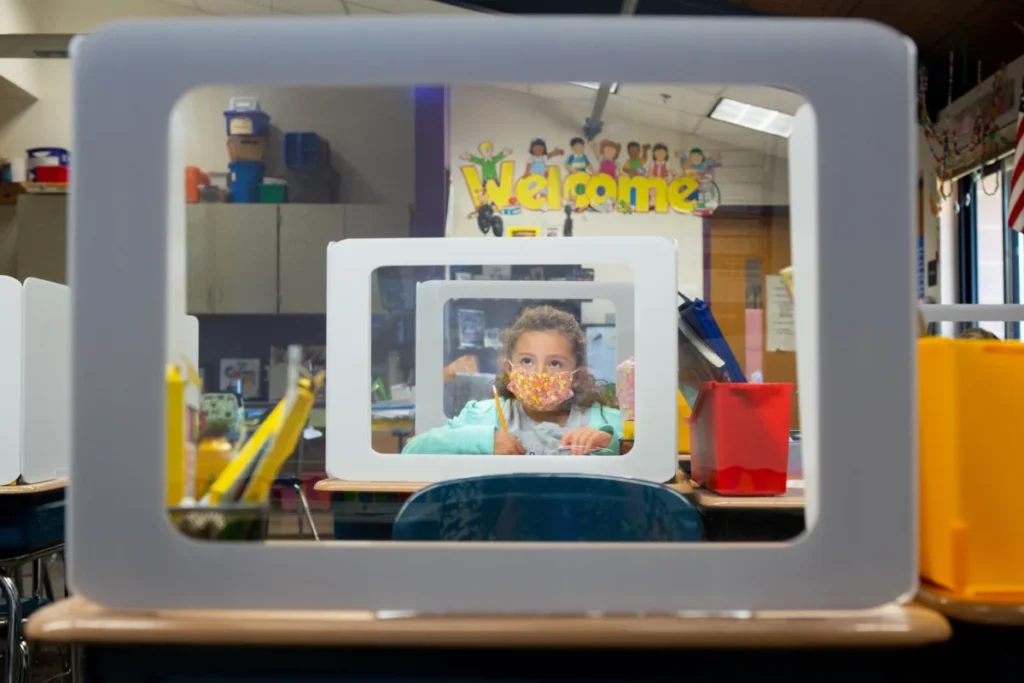
Four years after the global COVID-19 pandemic forced the unprecedented closure of schools, the American education system finds itself in a precarious state of suspended animation. Despite the cessation of emergency mandates, the institutional and academic scars left by the crisis are far from healed. New research suggests that the recovery process has not only slowed—it has, in many critical areas, ground to a halt.
As of the 2024-25 school year, chronic absenteeism remains at staggering levels, and student achievement metrics—once expected to show a steady "rebound"—are signaling a deeper, more systemic malaise. The Center on Reinventing Public Education (CRPE), through its Evidence Project, recently synthesized findings from seven major research initiatives to understand why, despite significant investment, the needle has barely moved.
Main Facts: The New Normal of Educational Deficits
The landscape of American education in 2024 is defined by a disconnect between policy interventions and student outcomes. The data, provided by the National Assessment of Educational Progress (NAEP) and various independent research teams, paints a sobering picture:
- Absenteeism: 23% of students were chronically absent during the 2024-25 academic year. While this is a slight improvement from the absolute peak of the pandemic, it remains significantly higher than the 15% pre-pandemic baseline. Crucially, no state in the U.S. has successfully returned to 2019 attendance levels.
- Reading Proficiency: Only 30% of fourth graders scored at or above "proficient" in reading in 2024, a decline from the 32% recorded in 2022.
- The Achievement Gap: The bottom of the achievement distribution has seen the most dramatic decline. 34% of eighth graders scored "below basic" in reading—the worst performance in the 32-year history of NAEP testing.
The consensus among researchers is that the "COVID-related challenges" are no longer just temporary disruptions; they are foundational issues that the existing school infrastructure is ill-equipped to address.
A Chronology of Crisis and Stagnation
The trajectory of the last four years can be categorized into three distinct phases:
- The Emergency Response (2020–2021): Schools scrambled to pivot to remote learning, with a primary focus on access and technology. The conversation was dominated by the digital divide and the immediate safety of the school environment.
- The Re-engagement Phase (2022–2023): As doors reopened, the focus shifted to "learning loss." Trillions of dollars in federal stimulus funding were poured into tutoring programs, summer school, and mental health support. There was a prevailing optimism that a "catch-up" period would return students to their previous academic trajectory.
- The Stagnation Realization (2024–Present): Data from the 2024 Evidence Project research cycle confirms that the initial recovery strategies were insufficient. The "easy wins" of reopening schools have passed, leaving behind a hard core of students who are disconnected, disengaged, or falling further behind despite the availability of resources.
Supporting Data: Why Current Strategies Are Failing
The seven studies funded by the Walton Family Foundation, conducted by leading institutions including USC, MIT, Vanderbilt, and Stanford, offer a granular look at the failure of current recovery efforts.
The Myth of the "Average Student"
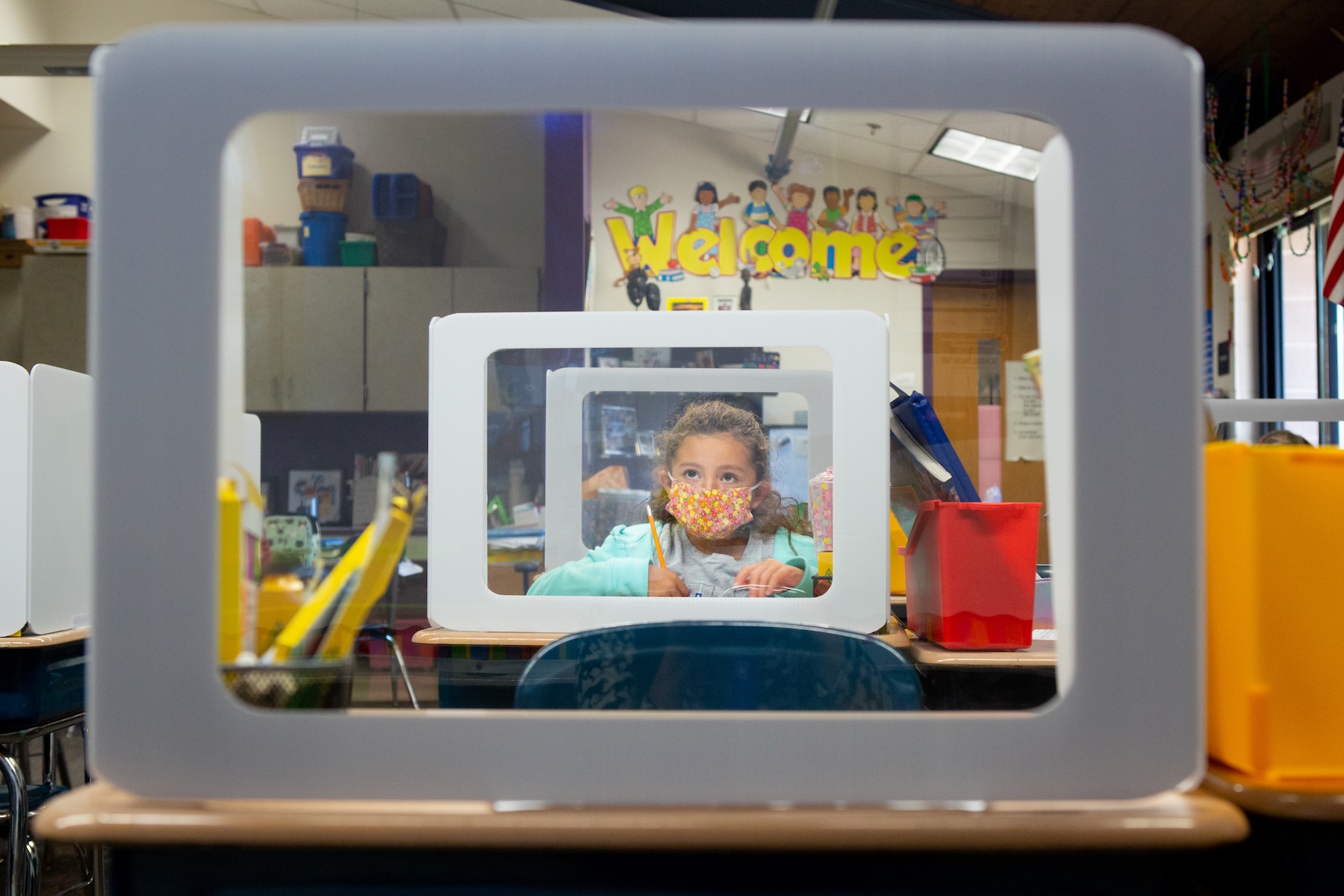
A recurring theme across the research is the failure of "one-size-fits-all" interventions. Districts often deployed programs designed for the "average student," failing to account for the reality that the students most in need of recovery are also those facing the most complex, intersectional barriers.
The University of North Carolina (UNC) research team found that while attendance has improved slightly, those gains are happening in the middle of the distribution. The students who are chronically absent—those dealing with food insecurity, housing instability, family caretaking responsibilities, and mental health crises—are not being reached by standard automated text-message outreach or generic school-wide policies.
The Data Infrastructure Gap
Perhaps the most damning finding is the technological and analytical deficit within school districts. Almost all of the seven research projects identified a lack of integrated data systems. Districts often possess disparate platforms for tracking attendance, academic grades, and behavioral health, but they lack the "connective tissue" to see a student’s total profile.
Without this holistic view, administrators cannot predict which students are about to slide into chronic absenteeism. Furthermore, the lack of data transparency means that even when a program is working, districts often cannot prove its efficacy to school boards or stakeholders, leading to the premature termination of successful interventions once emergency funding dries up.
The Geography of Recovery
The California-based research conducted by the American Institutes for Research (AIR) revealed an unsettling truth: the districts with the most significant learning loss were not necessarily the ones providing the most intensive support. Instead, resource allocation was often dictated by external labor market constraints and administrative capacity rather than student need. In effect, the students who needed the most help were often in districts the least capable of delivering it.
Official Responses and Strategic Misalignments
The academic community and district leaders have reacted to these findings with a mix of urgency and frustration. While the initial impulse was to blame "student behavior" or "family disengagement," the research findings indicate that school climate and culture are the primary drivers of success—or failure.
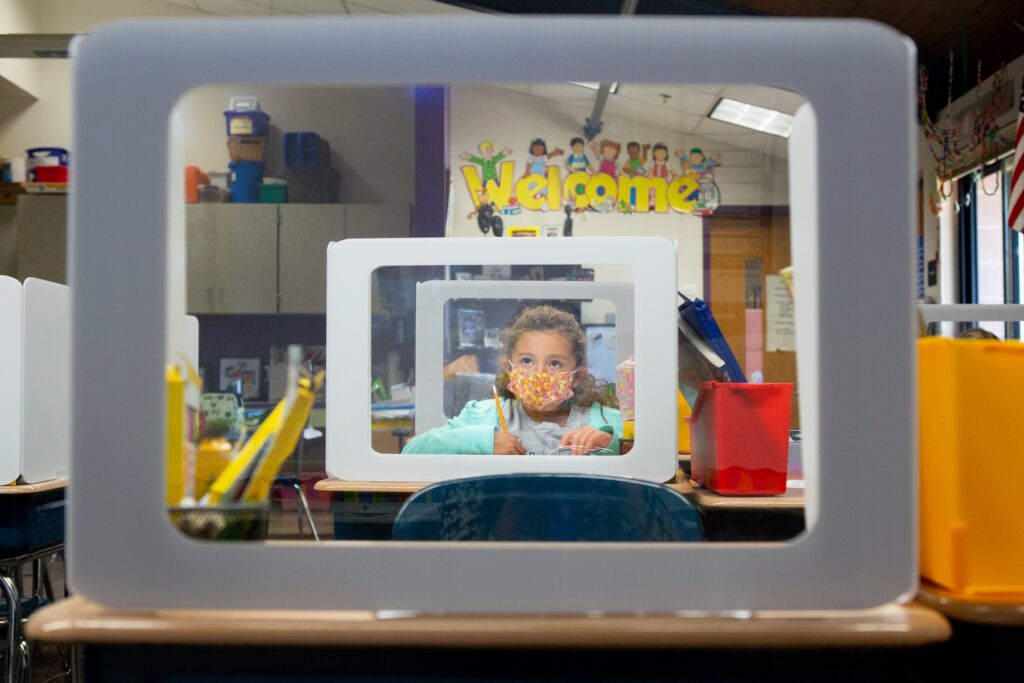
Stanford’s research highlighted a "dearth of data" that paralyzed leaders. When administrators were asked why students were missing school, their perceptions frequently diverged from the empirical reality. Where they saw "apathy," data showed "systemic barriers."
Districts that successfully navigated the post-pandemic period were distinguished not by their funding levels, but by their active use of data. They treated data not as a bureaucratic requirement, but as a diagnostic tool used to pivot resources toward specific, high-need students in real-time.
Implications for Policy and Future Reform
As the 2024 funding cycle for these research projects concludes, the recommendations for the next phase of American education are clear, though they require a significant departure from current practices.
1. Shift from Generic to Targeted Interventions
The era of broad, system-wide interventions must give way to personalized, case-management-style support. This means schools must treat absenteeism not as a disciplinary issue, but as a symptoms-based health and social issue. This requires partnerships with social services, mental health providers, and community organizations that extend far beyond the school building.
2. Invest in Data Architecture
Districts must prioritize the integration of their data systems. Providing teachers and principals with a dashboard that combines academic performance, attendance trends, and behavioral health alerts is no longer a luxury—it is a necessity for modern pedagogical success.
3. Cultivate Stable, Data-Driven Leadership
The research consistently points to leadership as the "X-factor." Exceptional principals and district leaders who can foster a culture of inquiry—where staff are encouraged to look at student data and admit when an intervention is failing—are the only ones seeing sustained progress. Policy should focus on incentivizing the retention of such leaders in the districts that need them most.

4. Beyond the Funding Cliff
The "fiscal cliff" looming over districts as COVID-19 stimulus money expires is a reality, but it cannot be used as an excuse for inaction. The findings suggest that the most effective programs—such as high-impact tutoring—are being abandoned not because they fail, but because they are expensive to maintain. Policymakers must shift from viewing these as "recovery costs" to viewing them as permanent, necessary investments in the basic functionality of the education system.
Conclusion
The 2024 research synthesis serves as a wake-up call. The "pandemic recovery" period is not an era that will simply conclude with a return to normalcy. Instead, the pandemic has accelerated the exposure of deep-seated weaknesses in how the American education system supports its most vulnerable learners.
Moving forward, the goal cannot be a return to 2019. The system must be reinvented to address the complexity of 21st-century childhood, where academic success is inextricably linked to mental health, physical safety, and the ability of a school to provide targeted, data-informed support. Without a fundamental shift in how schools identify, track, and serve their students, the current generation of learners may continue to bear the academic and social weight of the pandemic for years to come. The work of recovery is not finished; in many ways, it is only just beginning.