Bridging the Literacy Gap: How Generative AI is Empowering India’s Frontline Health Workers
In the remote landscapes of the Devbhumi Dwarka District in Gujarat, India, a quiet revolution in public health communication is underway. For years, the vital link between medical expertise and community well-being has rested on the shoulders of Anganwadi Workers (AWWs)—the grassroots frontline social workers who serve as the first point of contact for families. These workers, tasked with navigating the complexities of nutrition, newborn care, and child development, have long operated under a significant handicap: the communication materials provided to them were often static, expensive to produce, and culturally misaligned with the communities they serve.
Today, a transformative collaboration between World Education, a JSI initiative, and John Snow India Private Limited (JSIPL) is changing this paradigm. By integrating generative artificial intelligence (GenAI) via Adobe Express, these frontline teams are no longer mere consumers of top-down health messaging. They are becoming agile creators, capable of producing culturally resonant, highly visual, and literacy-accessible health education materials in a matter of minutes.
The Chronic Disconnect: A Communication Gap at the Frontline
The challenge faced by AWWs in Gujarat is a microcosm of a global development issue. Operating in environments where internet connectivity is sporadic and traditional literacy levels vary significantly, these workers require tools that are instantaneous and intuitive. Historically, the process of creating health posters, brochures, or visual aids followed a rigid, bureaucratic pipeline: design work was outsourced to centralized agencies, leading to high costs and long production cycles.
When these materials finally reached the village level, they often suffered from "cultural drift." An image of a mother or a home setting designed in a distant urban center might not reflect the lived reality of a family in a rural Gujarati village. Furthermore, because these materials were primarily text-heavy, they created a barrier for the very populations that needed the information most: individuals with limited formal schooling.
"The materials available to support their outreach did not always match those realities," notes the team at World Education. With communication increasingly shifting to mobile-first platforms like WhatsApp, the need for a digital transformation that favored agility over traditional production cycles became undeniable.
A Chronology of Innovation: From Modeling to Autonomy
The transition from a slow, legacy-based design model to an AI-augmented, community-centered approach did not happen overnight. The partnership between World Education and JSIPL followed a structured, multi-phase roadmap designed to build local capacity rather than just providing a temporary fix.
Phase 1: The Modeling Approach
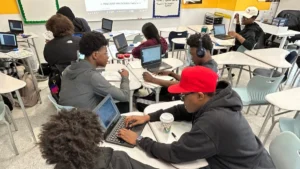
The initiative began with World Education staff working directly with district-level health teams. In this initial stage, the focus was on demonstration. Experts modeled how to use Adobe Express, showing how to navigate templates, manipulate text, and insert visual elements. This demystified the technology, transforming it from a daunting technical hurdle into an accessible utility.
Phase 2: Co-Design and Iteration
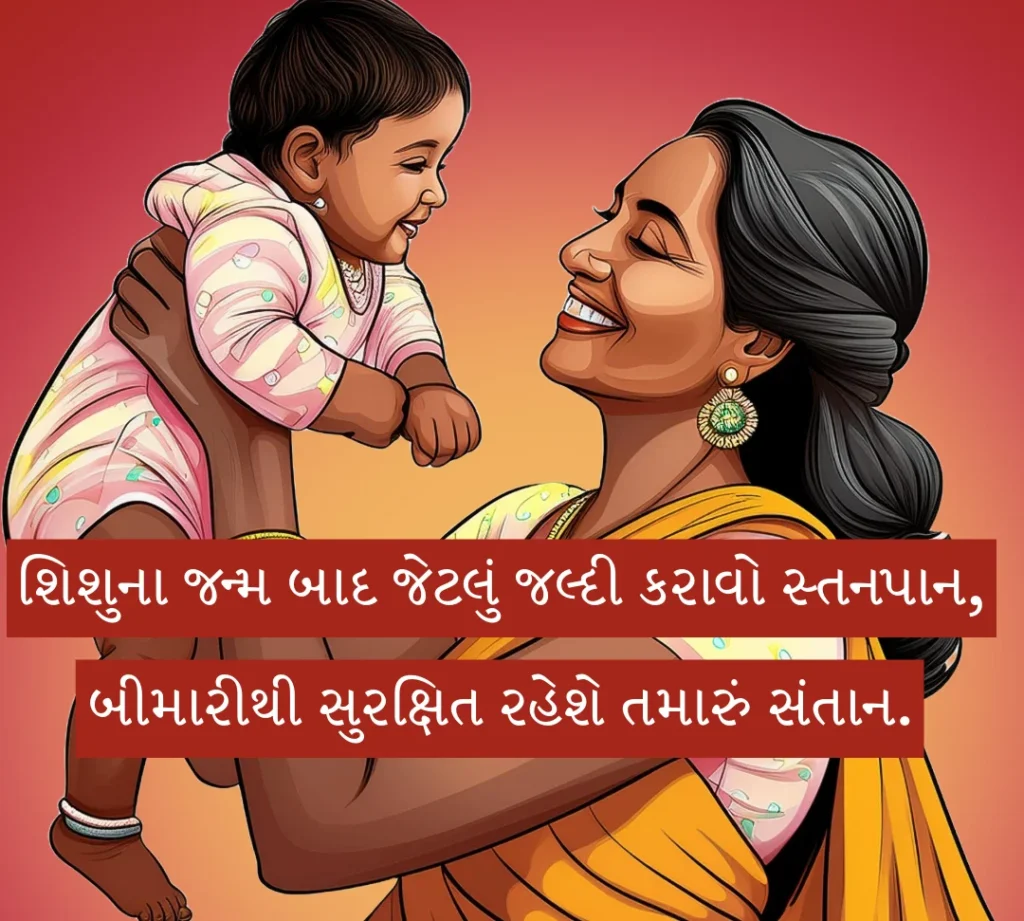
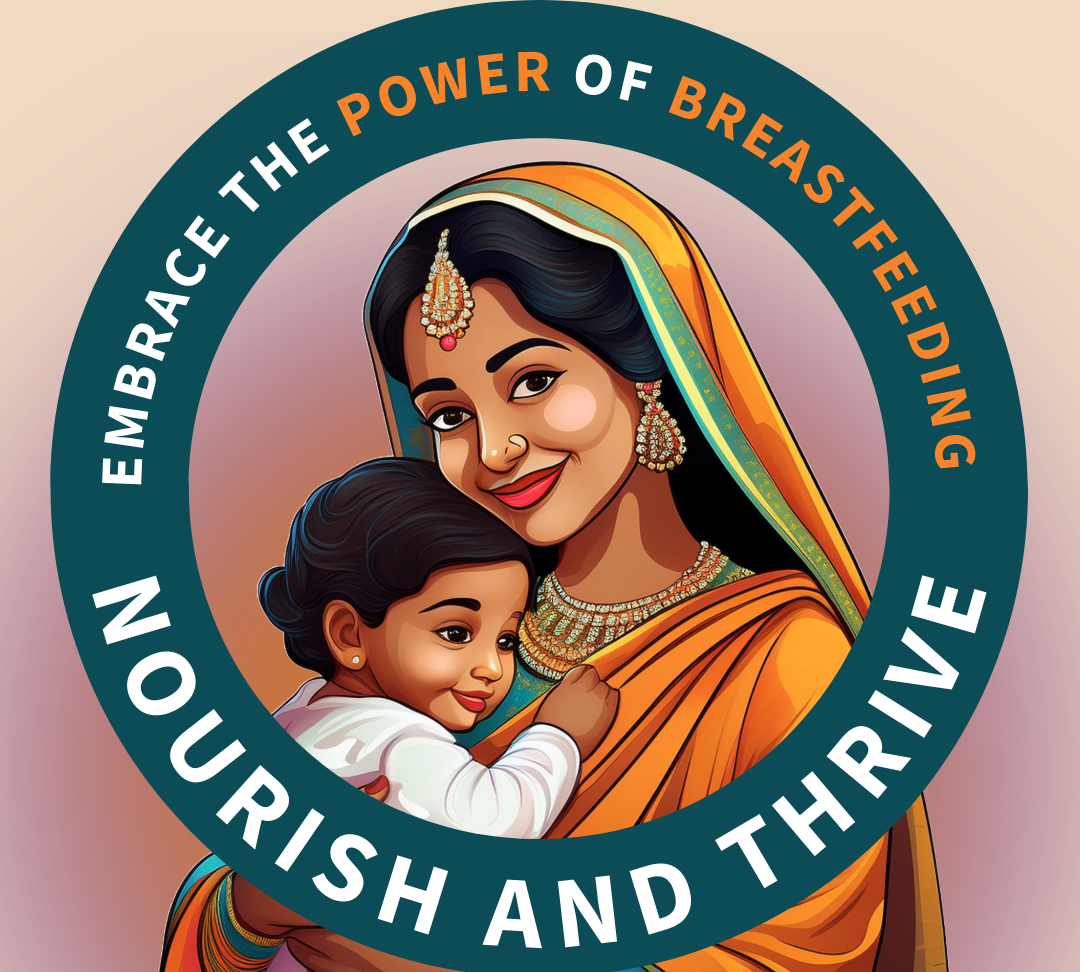
Once the technical barrier was lowered, the focus shifted to co-design. Here, the frontline workers brought their deep contextual knowledge to the table. They began to identify which images resonated with local families and which themes were most pressing—such as specific nutritional advice or prenatal care steps. During this phase, if a draft poster featured an environment or a style that felt alien to the local population, the staff used Adobe Express’s GenAI features to rapidly generate culturally appropriate alternatives.
Phase 3: Scaling and Independent Production
The final phase, which continues to evolve, is characterized by autonomy. District staff began creating their own templates, translating existing content into Gujarati, and, perhaps most importantly, mentoring their peers. This peer-to-peer training model has allowed the initiative to scale organically, ensuring that the knowledge is embedded within the workforce rather than held by a select few.
The Role of Generative AI: Augmentation, Not Automation
The prevailing discourse surrounding GenAI often centers on the fear of automation—the idea that machines will replace human effort. However, the Gujarat project provides a compelling case for "augmentation."
In this context, AI is not a replacement for the Anganwadi Worker’s judgment; it is a force multiplier. The AI handles the heavy lifting of design—suggesting layouts, removing backgrounds, or generating contextually relevant imagery—while the human element remains the final arbiter of truth. A worker decides which message is most relevant, ensures the local language is translated accurately, and confirms that the final graphic accurately reflects the cultural nuances of the community.
This distinction is critical. By reducing the time-to-create from weeks to minutes, the AI allows workers to focus on their core mission: building relationships and trust with families. The AI serves as a digital assistant, removing the technical barriers that previously prevented these frontline heroes from customizing their outreach.
Data and Observations: Why Visuals Win
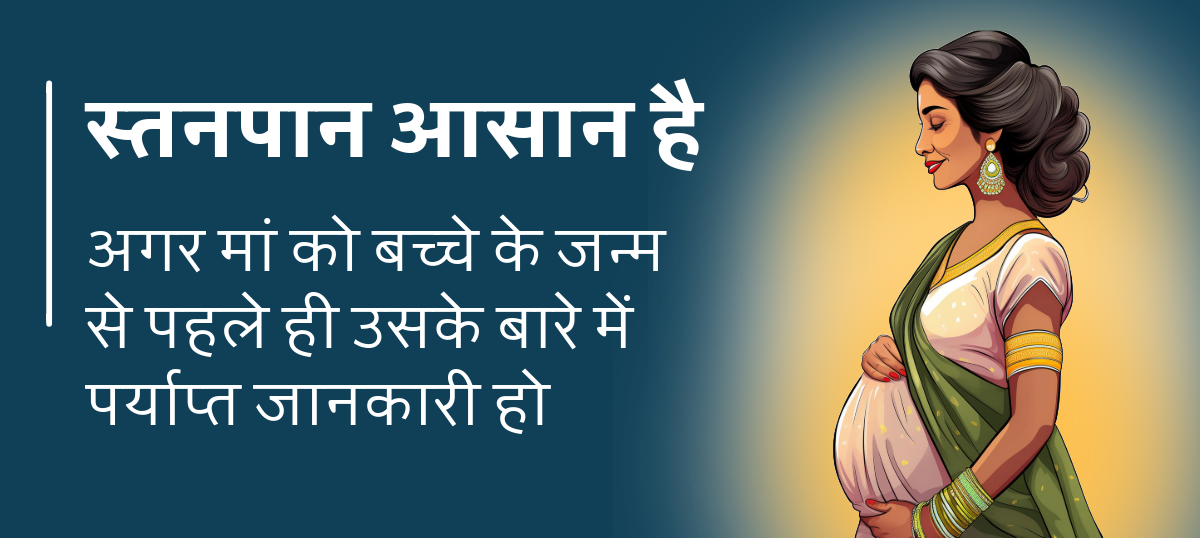
The efficacy of this project is evidenced by the shift in how families consume information. Field testing revealed that when AWWs replaced dense, text-heavy handouts with mobile-optimized visuals—such as short videos, GIFs, and pictorial job aids—the level of engagement increased dramatically.
Families who previously felt alienated by complex written instructions were now able to view clear, visual demonstrations directly on their phones. Because these materials could be shared via WhatsApp, they entered existing social networks seamlessly. The "feedback loop" became instantaneous; if a community asked for more detail on a specific health topic, the AWW could create a relevant, visual response and share it within the hour. This level of responsiveness was essentially impossible under the old paradigm of centralized design.
Official Perspectives: Scaling for Millions
The impact of this initiative has not gone unnoticed by leadership in the public health sector. Dr. Sanjay Kapur, Managing Director of John Snow India Private Limited, has championed the scalability of this model.
"This innovation can be scaled easily to millions of such Anganwadi Workers, thus reaching millions of mothers and children in a short period of time," Dr. Kapur noted. The implications of his statement are profound. If this digital literacy and design capacity can be replicated across India’s vast network of social workers, the potential to improve maternal and child health outcomes is exponential.
The partnership also received crucial support from Adobe, whose technology served as the backbone of the project. By providing tools that are user-friendly yet powerful, the partnership has proven that high-end creative software, when combined with social impact goals, can bridge the digital divide in the most underserved regions.
Broader Implications: A New Framework for Digital Development
The success of the World Education and JSIPL project offers a vital lesson for the international development community: Digital transformation is not something to be "delivered" to a community; it is something that should be built with them.
Traditionally, technology in development was viewed as a product to be distributed. This initiative flips that model on its head. It suggests that the future of global health communication lies in empowering the local practitioner to use global tools for local solutions.
Key Takeaways for Future Initiatives:
- Lowering Barriers to Entry: By using intuitive platforms like Adobe Express, technical training time is reduced, allowing for faster adoption by non-technical staff.
- Cultural Sensitivity as a Metric: Success should not be measured just by reach, but by the "resonance" of the content. GenAI allows for a level of cultural localization that was previously cost-prohibitive.
- The "Peer-to-Peer" Multiplier: Training a small group of "super-users" who then train their colleagues is the most sustainable path to long-term digital capacity.
- Mobile-First Design: In developing regions, the smartphone is the primary window to the internet. Content must be optimized for mobile social platforms like WhatsApp to be truly effective.
As the world continues to grapple with the ethics and applications of generative AI, this project serves as a beacon of positive, human-centric innovation. It demonstrates that when we place powerful creative tools into the hands of those who know their communities best, we don’t just get better posters or videos—we get stronger, more informed, and more resilient families.
Ultimately, the goal of this project was never just to "use AI." It was to solve a stubborn problem in public health: how to get the right information, to the right people, at the right time. By embracing the capabilities of GenAI while remaining firmly grounded in the wisdom of frontline experience, World Education and its partners have successfully demonstrated that the most effective way to change the world is to equip those who are already doing the work.