Bridging the Digital Divide: How Harshman Middle School Students Are Transforming Their Community
Byline: [Your Name/Editorial Staff]
Date: November 16, 2021 (Updated for Context)
In an era where digital literacy is as fundamental as reading and writing, the “homework gap”—the disparity between students who have reliable internet and computer access at home and those who do not—remains one of the most pressing challenges in American education. At Harshman Middle School, however, a unique partnership is turning this challenge into an opportunity for experiential learning, technical empowerment, and profound community service.
Under the guidance of educator Dr. Caren Lettofsky, a cohort of middle school students has embarked on an ambitious project: learning the intricacies of computer hardware and software by refurbishing donated machines, which are then gifted to classmates who lack the necessary tools to succeed in a digital-first academic environment.
Main Facts: The Intersection of STEM and Service
The core of this initiative lies in the collaboration between Net Literacy, a non-profit organization dedicated to expanding technology access, and the academic curriculum at Harshman Middle School. The program operates on a dual-track philosophy: students gain high-value STEM (Science, Technology, Engineering, and Math) skills while simultaneously addressing the socio-economic barriers to education.
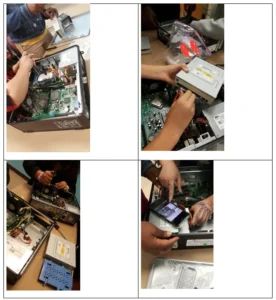
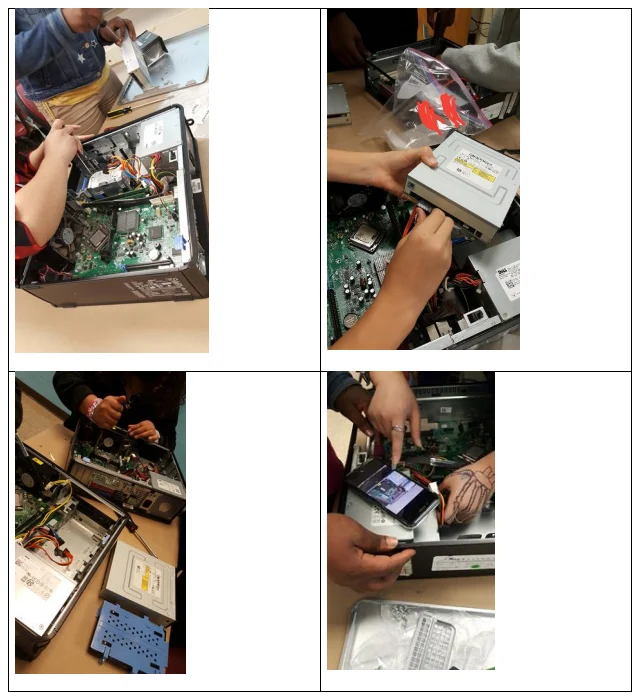
The process is hands-on and rigorous. Students are organized into teams, tasked with diagnosing hardware issues, replacing faulty components, cleaning internal circuitry, and installing operating systems. These are not merely classroom exercises; they are real-world engineering tasks. Once the machines are deemed fully operational, they are diverted away from the e-waste stream and into the hands of students who previously lacked the ability to conduct research, write papers, or complete online assignments from the comfort of their homes.
This initiative is a tangible solution to the digital divide, providing families with the hardware they need to thrive. By the time a computer reaches a student’s home, it carries with it the effort, care, and technical expertise of a peer who understands exactly how vital that machine is to their academic success.
Chronology: From Donor Bin to Classroom Desktop
The journey of a repurposed computer is a multi-step process that transforms discarded hardware into a vessel for opportunity.
Phase 1: The Partnership and Sourcing
The process begins with Net Literacy. The organization sources computers that have been decommissioned by corporate partners or private donors. While these machines may be obsolete for high-performance enterprise needs, they remain perfectly capable of handling the word processing, educational software, and web browsing required by middle school students.
Phase 2: Technical Training
In Dr. Lettofsky’s class, the curriculum is designed to demystify technology. Students are introduced to the architecture of a computer—learning how the CPU, RAM, hard drives, and power supplies interact. This phase is critical, as it transitions students from passive technology consumers to active technology creators.
Phase 3: The Refurbishment Cycle
Throughout the fall semester, students spend hours "under the hood." They learn to troubleshoot common errors, manage software updates, and ensure that each machine is secure. This period of the program is characterized by trial and error, peer-to-peer instruction, and a deepening understanding of how to sustain hardware lifecycles.
Phase 4: Distribution and Impact
Once a machine passes a final quality check, it is designated for a student in need. The final step of this chronology is the most personal: the delivery of the gift. The impact is immediate, as the student receives a tool that effectively bridges the gap between home and the digital resources available at school.
Supporting Data: The Scope of the Digital Divide
To understand the necessity of this program, one must look at the data regarding digital equity in the United States. According to the Pew Research Center and various educational oversight boards, millions of households still lack high-speed home internet or a dedicated computer.
- Educational Outcomes: Research indicates that students with home access to computers are significantly more likely to complete homework assignments and perform better on standardized tests.
- The E-Waste Factor: Simultaneously, the United States generates millions of tons of e-waste annually. Programs like the one at Harshman Middle School contribute to a "circular economy," extending the life of hardware and reducing the environmental footprint of our digital consumption.
- Skill Acquisition: Students participating in this program gain foundational IT skills that are highly sought after in the modern workforce. By learning how to troubleshoot and rebuild systems, these students are effectively beginning their journey toward careers in cybersecurity, network engineering, and hardware maintenance.
Official Responses: The Value of Community-Driven Tech
The feedback from the students themselves highlights the emotional and academic impact of this project. In a series of letters penned to Net Literacy, students expressed a deep sense of pride not just in the technical skills they acquired, but in the act of giving.
One student noted, "Learning how to build a computer was hard, but knowing that a classmate will get to use this for their schoolwork makes it worth it." Another shared, "I never knew how computers worked before this class, and now I feel like I can fix almost anything."
Dr. Lettofsky has long championed this approach, noting that students retain information far better when they can apply it to a real-world project. "When they realize that their technical knowledge has a direct impact on their community, their engagement levels skyrocket," Lettofsky stated. "It’s not just about the hardware; it’s about fostering a culture of empathy and problem-solving."
Net Literacy representatives have also lauded the program as a model for other districts. By empowering students to be the "tech support" for their own communities, the program creates a sustainable cycle of service that scales effectively across different school districts.
Implications: The Future of Digital Literacy in Schools
The success of the Harshman Middle School initiative has profound implications for how we structure K-12 education in the 21st century.
The Shift Toward Experiential Learning
Traditional STEM education often relies on abstract concepts. By integrating hardware refurbishment into the standard curriculum, Harshman is proving that "learning by doing" is the most effective way to prepare students for the complexities of the modern world. This model could easily be replicated in other schools, turning every classroom into a potential hub for tech refurbishment.
Fostering Citizenship through Service
Beyond the technical skills, the program fosters a sense of civic responsibility. Students are learning that they are not merely passive recipients of technology, but active participants in the digital infrastructure of their community. This helps break down the isolation often felt by students who lack home access to technology.
Sustaining the Digital Pipeline
The long-term goal of such initiatives is to normalize the idea that technology access is a right, not a luxury. By creating a pipeline where corporate surplus becomes educational fuel, the community builds a more resilient and equitable foundation for its youth.
As we look toward 2022 and beyond, the project at Harshman serves as a blueprint. When we provide students with the tools to fix their own technology, we are not just giving them a computer—we are giving them the confidence to navigate, troubleshoot, and succeed in a world that is increasingly defined by the code they are now learning to master.
The letters and images shared by the students are more than just documentation of a classroom project; they are a testament to the resilience of a community that refuses to leave any student behind in the digital age. As these students continue to rebuild machines, they are simultaneously building a more inclusive and tech-literate future for their peers.
For those interested in supporting or learning more about the Net Literacy initiative, please visit the official Net Literacy website to see how your hardware donations can continue to transform the lives of students in our community.