Rooted in Resilience: How Benin’s Youth Are Rewiring the Future of Agroforestry
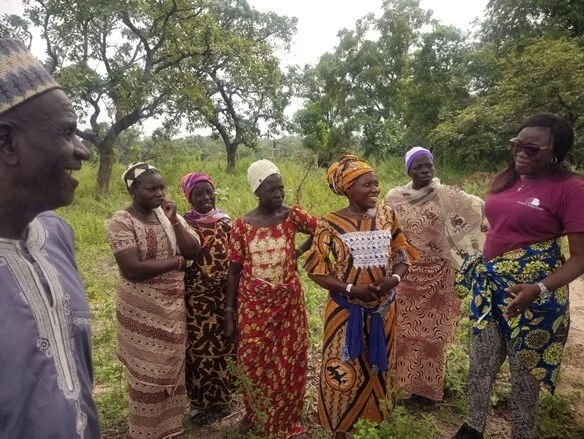
In the sun-drenched savannas of Northern Benin, a quiet revolution is taking place beneath the soil and across the digital landscape. Through the "AgroNative" project, an initiative spearheaded by World Education—a JSI initiative—a new generation of researchers is challenging the traditional agricultural status quo. By leveraging youth-led empirical research and behavioral science, these young eco-entrepreneurs are proving that the future of African agriculture does not lie in abandoning the land for desk jobs, but in re-establishing a symbiotic relationship with the native ecosystem.
The Paradigm Shift: From Tradition to Innovation
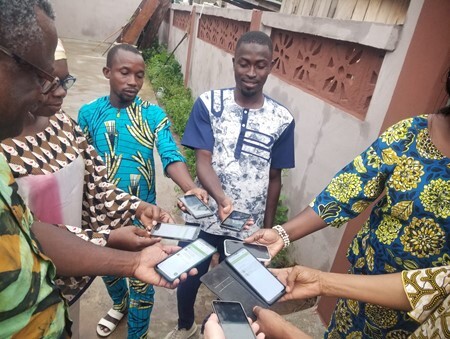
For decades, the path to prosperity for many rural Beninese youth was viewed through the narrow lens of urban migration and formal employment. However, the youth of Wèrèkè—a community in Northern Benin—have begun to dismantle this narrative. Armed with smartphones, clipboards, and a profound curiosity about their ancestral landscapes, these young researchers have been conducting a sophisticated, multi-year study into the feasibility of eco-agricultural entrepreneurship.
The core of their research lies in a fundamental question: Can an agro-economy be both profitable and regenerative? Their findings suggest that the answer is a resounding yes. By documenting the natural pest-control mechanisms of local bird species against soya-destroying grasshoppers and analyzing the social barriers to youth engagement in farming, these researchers have bridged the gap between traditional wisdom and modern economic strategy.
A Chronology of Collaboration: The Evolution of AgroNative
The transformation of Northern Benin’s agricultural landscape did not happen overnight. It is the result of a deliberate, phased strategy supported by the Darwin Initiative.
2022: The Awakening of Data-Driven Youth
World Education launched a participatory research initiative designed to capture the vision of local youth regarding the "green economy." Researchers conducted behavioral surveys with community elders and parents, uncovering a disconnect between family expectations—often favoring white-collar careers—and the untapped potential of sustainable land management.
2023–2025: The WSAB Project
The "Women-led, School-based Agroforestry in Benin" (WSAB) project laid the foundational infrastructure. By engaging Mothers of Students Associations (AMEs), the project restored 9.5 hectares of degraded land. This phase proved that native plant species could be integrated into commercial farming to create a viable revenue stream, generating 1,180,000 FCFA and contributing directly to the nutritional security of local school children.
2024–2026: The AgroNative Expansion
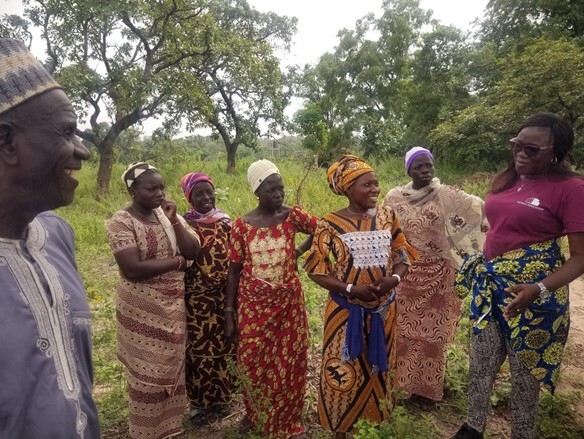
Building on the success of the WSAB, the AgroNative project scaled these efforts. This phase shifted the focus toward institutionalizing these practices through the formation of Natural Resource Management Committees (NRMCs). By expanding into five new villages and engaging 150 members in formal resource governance, the project moved from experimental pilots to systemic, policy-aligned change.
Supporting Data: The Economics of Biodiversity
The data emerging from the Wèrèkè fields paints a compelling picture of environmental and economic health. The transition from monolithic, isolated farming to a collective, agroforestry-based model has yielded measurable results:
- Land Restoration: Over 9.5 hectares of degraded savanna have been revitalized through the integration of native canopy cover.
- Revenue Generation: The WSAB project’s women-led microenterprises generated over 1.1 million FCFA, proving that ecological restoration can be self-sustaining.
- Community Reach: Through direct participation and indirect environmental benefits, the project has supported over 10,700 individuals in adapting to climate volatility.
- Youth Engagement: The introduction of rent-based sub-parcels for youth—at a symbolic 1,000 FCFA monthly rate—has incentivized long-term stewardship of native trees while fostering individual startup businesses.
Policy vs. Reality: Addressing the "Ten-Meter" Problem
One of the most significant challenges identified by the youth researchers is the gap between government policy and biological necessity. Beninese agricultural law (Decree No 96-271) mandates the planting of one tree every 10 meters. While this policy was designed with good intentions to promote tree cover, the youth researchers found it insufficient for the creation of a functional, resilient ecosystem.
In the complex world of soil science, a 10-meter gap is a chasm. Underground mycelium—the fungal threads that facilitate nutrient exchange between trees—cannot bridge such distances in degraded soils. The researchers argued that for an ecosystem to be truly self-sustaining, a much higher tree density is required. By presenting this data to local authorities and integrating their findings into the NRMCs, the project is effectively using grassroots science to advocate for more sophisticated, biologically-informed agricultural policies.
Implications: The Mycelial Model of Leadership
The most profound shift in Northern Benin is not just in the crops being planted, but in the leadership structure being cultivated. The project draws a direct analogy to the mycelial networks beneath the soil: decentralized, non-hierarchical, and adaptive.
Lessons in Collective Management
The research uncovered a vital pitfall in development aid: the danger of individual resource distribution. When individual farmers were gifted assets, the sense of community cohesion—the "web" of cooperation—began to fray. The researchers concluded that the long-term success of the project relies on a "shared cooperative" structure. By moving away from individual handouts toward shared, rent-based sub-parcels, the community has ensured that everyone has a stake in the health of the collective ecosystem.
Bridging the Generational Gap
The collaboration between the AMEs and the youth has been particularly transformative. By addressing the disproportionate labor burden on women, the youth have integrated themselves into the agricultural value chain, providing the labor and technical expertise required to manage native canopies. In return, they gain access to land, mentorship, and a platform to test their eco-entrepreneurial models.
Future Outlook: A Symbiotic Web
As the AgroNative project moves through 2026, the focus remains on scaling these symbiotic relationships. The "BioBlitz" events, where over 170 individuals have participated in cataloging native flora, serve as a testament to the community’s commitment to baseline scientific literacy.
The path forward is clear:
- Scaling Infrastructure: Continued support for the NRMCs to oversee the 15-hectare target for sustainable habitat management.
- Policy Advocacy: Using the data gathered during the youth-led research to engage national policymakers in revising land-use decrees to better reflect local ecological realities.
- Climate Adaptation: Continuing to use native trees as a biological buffer against the unpredictable droughts and rains that threaten the region’s food security.
The success of the Benin initiative serves as a blueprint for other regions struggling with the dual pressures of climate change and youth unemployment. By treating communities not as passive recipients of aid but as active researchers and stewards of their own land, World Education has proven that the most effective solutions are those that look exactly like the ecosystems they seek to protect: diverse, interconnected, and rooted deeply in the local soil.
As the Wèrèkè youth continue to haul water to saplings under the heat of the midday sun, they are doing more than just farming. They are constructing a living, breathing network of resilience—a testament to the fact that when you empower the next generation with the right tools and the right data, the future of the planet is in capable hands.
World Education continues to seek partners for regional and sector-wide expansion of its educational and capacity-development initiatives. To learn more about how you can support or collaborate on future agroforestry and youth-led research projects, visit the World Education website.