Beyond the Needle: How Empathy and Dialogue Are Reversing Vaccine Hesitancy in Rural Nigeria
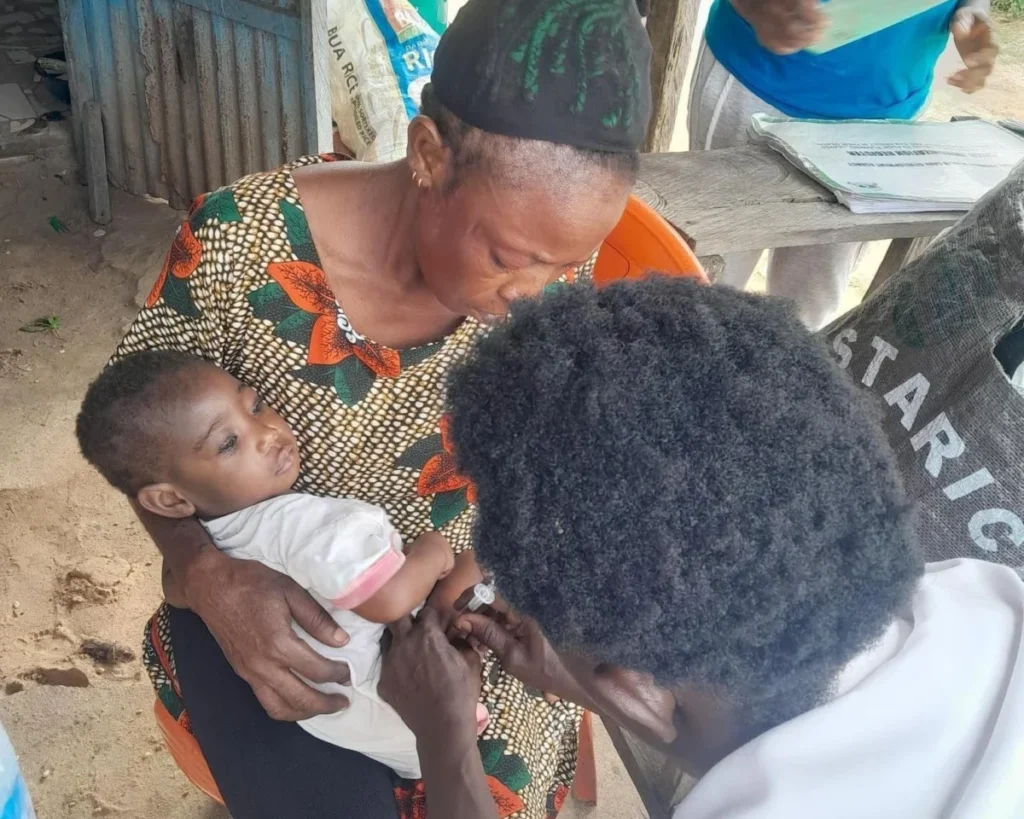
YENEGWE, BAYELSA STATE — For nearly two decades, the name of a routine vaccine was enough to shut down conversation in Mrs. Favour’s household. A resident of the Yenegwe community in Nigeria’s oil-rich yet underserved Bayelsa State, this hairdresser and mother of five spent 19 years standing as an impenetrable wall against childhood immunization. When her firstborn experienced a frightening cascade of post-vaccination side effects—fever, persistent restlessness, and severe intestinal distress—as an infant, the trauma scarred her worldview.
Though that first child eventually recovered, the absence of medical guidance or reassurance at the time calcified into a profound, generational mistrust. For her subsequent four children, the answer was a definitive "no." By the time health outreach workers encountered her youngest child, a one-year-old named Rejoice, the infant had never received a single drop of vaccine or a single prick of a needle. Rejoice was a statistical reality: a "zero-dose" child, completely unprotected against some of the world’s most devastating, vaccine-preventable diseases.
Yet, on a humid June morning in 2026, that longstanding wall of resistance collapsed not through coercion, mandates, or lectures, but through a single, empathetic conversation.
The transformation of Mrs. Favour and Baby Rejoice offers a masterclass in modern public health outreach. It highlights a vital, often overlooked truth in global health: vaccine hesitancy is rarely born out of malice or stubbornness. Far more often, it is rooted in real, unaddressed fear, past trauma, and a systemic vacuum of communication.
Main Facts: The Battle for the Zero-Dose Child
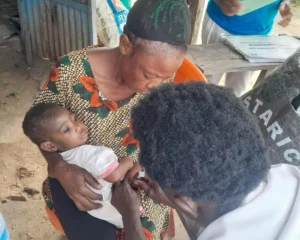
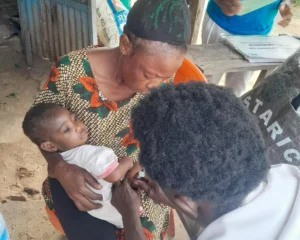
The intervention that changed Baby Rejoice’s life took place during a routine community outreach session conducted on June 10, 2026. Spearheaded by the Yenegwe Primary Health Center with critical operational and strategic support from JSI (John Snow, Inc.), the initiative is part of broader, concerted efforts to scour remote and hard-to-reach Nigerian communities to find and vaccinate zero-dose and under-immunized children.
During the outreach, health officials quickly identified Baby Rejoice. At one year of age, her vaccination card was blank. Recognizing the urgency, Esogenwune Nwabueze, a JSI Bayelsa State advocacy, communication, and social mobilization (ACSM) officer, stepped in. Rather than dismissing Mrs. Favour’s skepticism or pointing to national immunization schedules as mandatory law, Nwabueze practiced active listening.
He validated her past trauma, carefully unpacked the physiological realities of Adverse Events Following Immunization (AEFI)—explaining that mild fevers or fussiness are often normal immune responses rather than dangerous pathologies—and outlined concrete danger signs that caregivers should monitor.
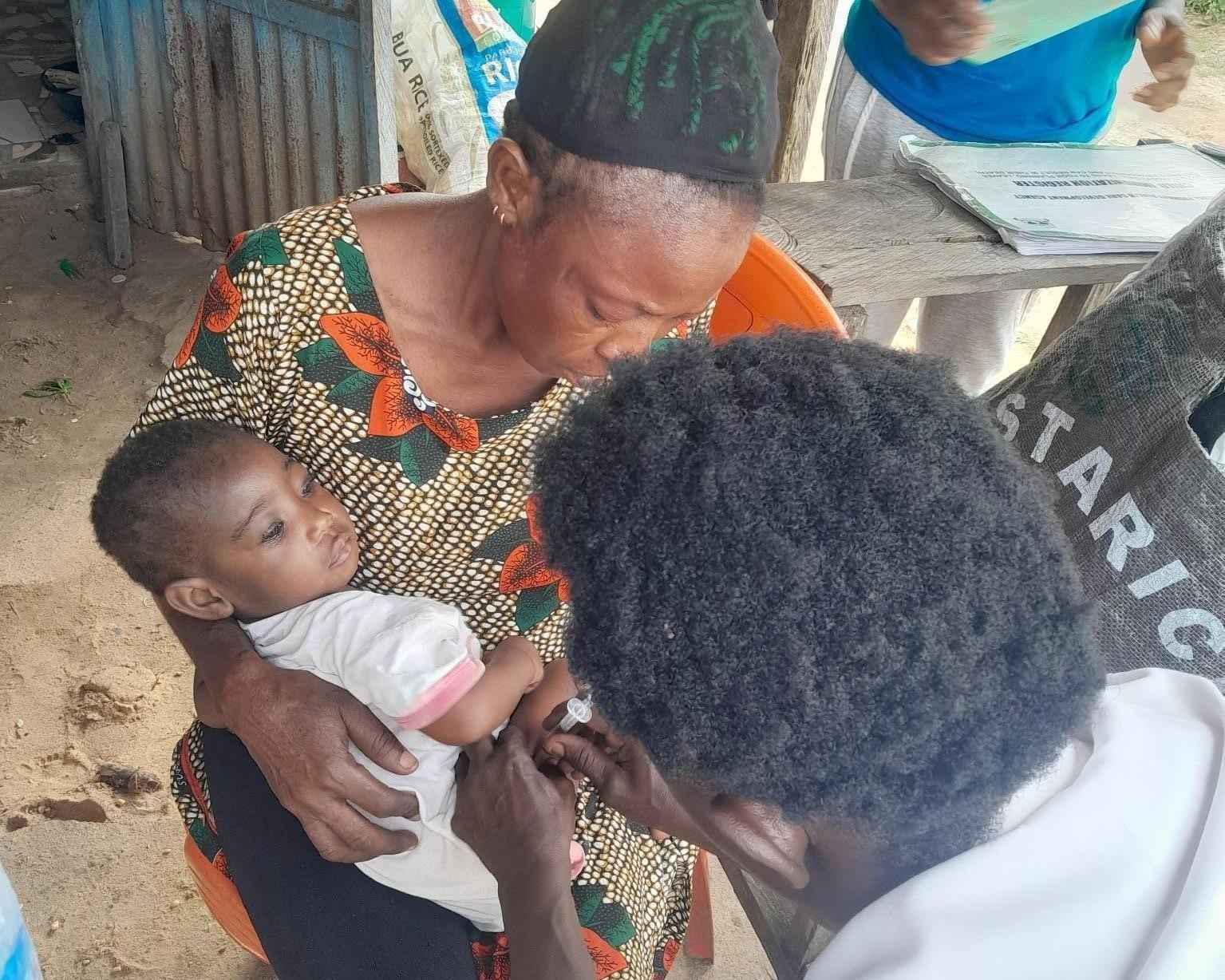
Armed with evidence-based counseling and treated with profound respect, Mrs. Favour made a voluntary, informed choice. That day, Baby Rejoice received a robust package of six life-saving vaccines designed to shield her against a gauntlet of childhood killers: tuberculosis, polio, hepatitis B, diphtheria, pertussis (whooping cough), tetanus, pneumonia, rotavirus, and meningitis.
However, the journey was far from linear. When Baby Rejoice missed her crucial one-month follow-up appointment, a breakdown that threatens countless public health campaigns across the developing world, the safety net held. Through tight inter-agency coordination between JSI mobilization officers and the Yenagoa immunization team, a home visit was swiftly deployed. Reassured by friendly, non-judgmental community health workers, Mrs. Favour brought Rejoice back, allowing the infant to receive her subsequent doses of Penta 2, polio 2, rotavirus, and malaria antigens, decisively closing her immunity gap.
Chronology of an Intervention: From Defiance to Acceptance
To understand how public health systems can successfully bridge the gap between hesitant communities and clinical care, it is instructive to trace the timeline of Baby Rejoice’s immunization journey:
- The Genesis of Mistrust (Circa 2007–2025): Following an adverse reaction in her firstborn child nearly 20 years prior, Mrs. Favour adopts a strict anti-vaccine stance. Over the next two decades, she denies immunizations to all subsequent children, operating in an information vacuum where side effects are interpreted as proof of toxicity.
- June 10, 2026 (The Breakthrough): During a JSI-supported outreach at the Yenegwe Primary Health Center, health workers identify one-year-old Rejoice as a zero-dose child. ACSM Officer Esogenwune Nwabueze engages Mrs. Favour in a deep, empathetic dialogue regarding AEFI. Trust is established, resulting in the administration of six primary, life-saving antigens.
- June 11, 2026 (Reinforcing Confidence): To prevent post-vaccination anxiety and dropouts, Nwabueze conducts a follow-up home visit the very next day. He details potential mild symptoms, provides reassurance, and logs Baby Rejoice’s details with the Yenagoa immunization team.
- July 2026 (The Missed Appointment & Defaulter Tracking): Baby Rejoice misses her scheduled second-round appointment. Activating robust defaulter-tracking protocols, the Yenagoa immunization office visits Mrs. Favour at home to address her schedule concerns and emphasize the importance of age-appropriate antigens.
- August 2026 and Beyond (Completion and Integration): Mrs. Favour brings Rejoice back to the health facility. The infant successfully receives her remaining missed antigens—including Penta 2, polio 2, rotavirus, and malaria vaccines—turning a former zero-dose liability into a fully integrated beneficiary of the primary health care system.
Supporting Data: The Scale of Zero-Dose Vulnerability in Nigeria
The narrative of Mrs. Favour and Baby Rejoice is deeply personal, but it reflects a massive, systemic challenge across Nigeria and sub-Saharan Africa. Zero-dose children—those who have not received even a single dose of the diphtheria-tetanus-pertussis (DTP1) vaccine—represent the most vulnerable fraction of the global population. They are disproportionately concentrated in marginalized rural areas, urban slums, and conflict-affected or hard-to-reach geographies like the riverine communities of Bayelsa State.
Public health data consistently demonstrates that zero-dose children bear the highest burden of morbidity and mortality from vaccine-preventable diseases. When outbreaks of measles, circulating vaccine-derived polio, yellow fever, or diphtheria occur, it is these children who die first and in the highest numbers.
According to global public health metrics, bridging the zero-dose gap requires a two-pronged approach:
- Geographic Access: Bringing vaccines physically closer to remote populations through mobile clinics, boat outreaches, and well-resourced primary health centers.
- Social Behavioral Change (SBC): Dismantling the psychological, cultural, and informational barriers that keep parents from seeking care, even when a clinic is nearby.
As the situation in Yenegwe demonstrates, infrastructure alone is insufficient. A mother who distrusts the health system will walk past a fully stocked clinic if her fears are dismissed. Conversely, when programs invest heavily in ACSM officers—trained professionals whose primary job is to listen, empathize, and educate—even decades-old dogmas can be dismantled in minutes.
Official Responses and Stakeholder Perspectives
The success of the Yenegwe outreach has drawn praise from health leaders across Bayelsa State, who point to the case study as a blueprint for future immunization campaigns.
Esogenwune Nwabueze, the JSI Bayelsa ACSM officer who sat down with Mrs. Favour, emphasized that the cornerstone of public health outreach must always be human empathy.
"Every caregiver deserves accurate information so they can make informed decisions for their children," Nwabueze noted. "Many vaccine refusals are rooted in fear, misinformation, or past experiences. Listening is often the first step toward building trust."
His sentiment was echoed by leadership at the highest levels of the state’s health architecture. Dr. Williams Appah, Executive Secretary of the Bayelsa State Primary Health Care Board, underscored the collaborative nature of the victory, framing it as proof that systemic persistence pays off.
"No child is beyond reach when communities, health workers, and partners like JSI work together," Dr. Appah stated. "At the Bayelsa State Primary Health Care Board, we remain committed to identifying and reaching every zero-dose and under-immunized child with life-saving vaccines."
For Mrs. Favour herself, the transformation is nothing short of liberating. Reflecting on her 19-year journey of fear and her sudden change of heart, she shared a powerful testimonial:
"After my experience with my first child, who is now 19 years old, I refused vaccines for all my children because I believed immunization was dangerous," she confessed. "Nobody had explained to me that those reactions could happen and what to do about them. Today, they listened and answered my questions. This gave me the confidence to allow Baby Rejoice to be vaccinated."
Implications for Public Health Policy and Future Outreaches
The story of Baby Rejoice carries profound implications for health ministries, international NGOs, and local health boards operating across developing nations. As global health agencies race toward immunization targets, several lessons emerge from the Yenegwe case study:
1. Institutionalizing Empathy in Training
Clinical training programs for nurses, midwives, and community health extension workers (CHEWs) often focus heavily on the cold chain, dosage, and administration techniques while neglecting interpersonal communication and psychological first aid. Public health agencies must prioritize training frontline workers in active listening, cultural humility, and empathetic counseling to effectively neutralize vaccine hesitancy.
2. The Critical Need for Defaulter Tracking
Reaching a zero-dose child once is only half the battle. As demonstrated by Baby Rejoice missing her one-month follow-up appointment, dropouts remain a major bottleneck in immunization programs. Strong, accountable tracking systems—supported by open communication channels between community mobilizers and facility-based immunization officers—are essential to ensure that an initial victory does not unravel into incomplete protection.
3. Acknowledging Past Failures and Medical Trauma
Mrs. Favour’s resistance was not born out of social media conspiracy theories or abstract political ideologies; it was born out of a real, traumatic medical encounter where a mother watched her infant suffer without explanation. Public health campaigns must acknowledge that medical trauma exists. When health systems gaslight parents or brush off side effects as "insignificant," they alienate communities. Conversely, when workers validate past fears and explain the biological mechanisms of AEFIs, they turn critics into advocates.
Moving Forward
Today, Baby Rejoice stands as a testament to what is possible when public health systems stop fighting communities and start partnering with them. In Bayelsa State and across the wider Nigerian landscape, the path to eradicating zero-dose vulnerability does not lie merely in the cold storage of vaccines, but in the warmth of human conversation.