Bridging the Gap: How Empathy and Dialogue Are Transforming Zero-Dose Immunization in Nigeria’s Bayelsa State
Introduction: The Power of a Single Conversation
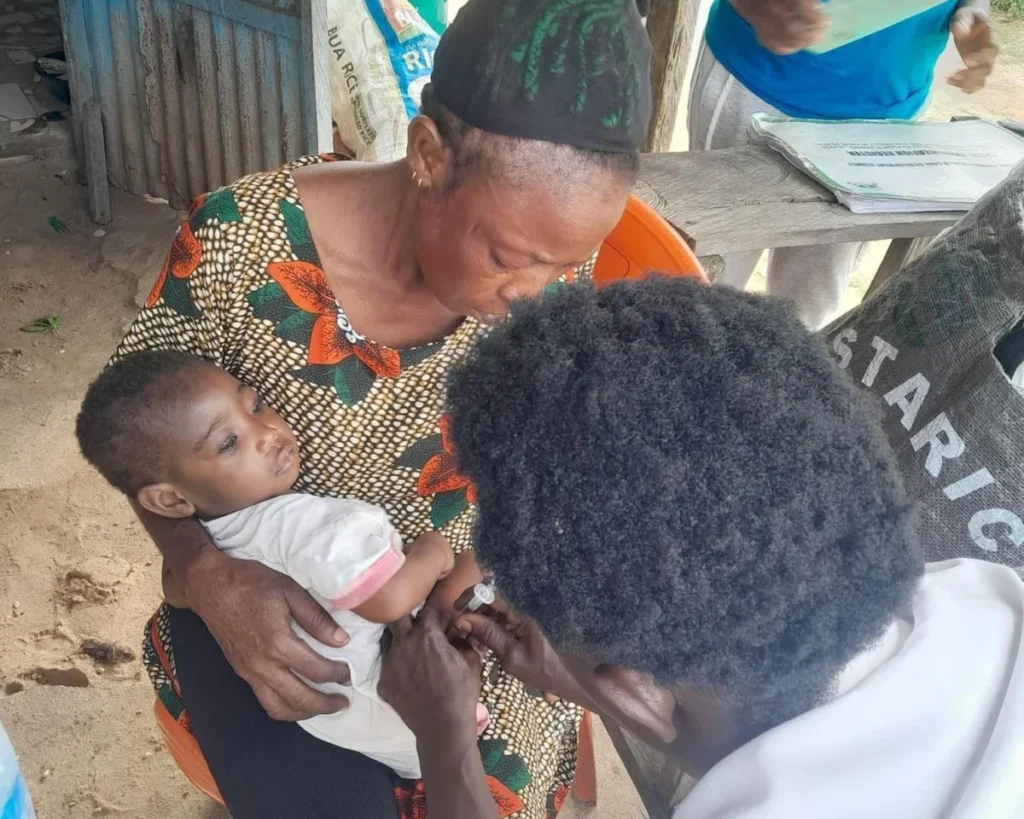
For nearly two decades, the concept of childhood immunization was a bridge too far for Mrs. Favour, a resident and hairdresser in the Yenegwe community of Nigeria’s oil-rich Bayelsa State. As a mother of five, she had firmly shut the door on vaccines, denying them to every single one of her children. By the time her youngest child, Rejoice, reached the age of one, she had never received a single dose of any vaccine. To the local health system, Rejoice was classified as a "zero-dose" child—a stark statistical representation of the millions of children globally who slip through the cracks of primary healthcare delivery.
Yet, numbers and statistics often obscure the deeply personal, emotional, and psychological landscapes that drive public health challenges. For Mrs. Favour, her staunch refusal of vaccines was not born out of malice, stubbornness, or reckless disregard for her children’s health. Instead, it was firmly rooted in unresolved fear, historical trauma, and a painful information vacuum.
That longstanding mistrust, fortified over 19 years of silence and speculation, finally dissolved on June 10, 2026. During a routine community outreach session conducted by the Yenegwe Primary Health Center with support from John Snow, Inc. (JSI), a single, empathetic conversation changed the trajectory of Baby Rejoice’s life. This comprehensive report explores the chronology of that transformation, the broader implications of vaccine hesitancy in Nigeria, the critical role of interpersonal communication in healthcare delivery, and the systemic interventions required to reach every last zero-dose child.
1. Main Facts: Understanding the Zero-Dose Crisis and the Yenegwe Breakthrough
To understand the significance of Baby Rejoice’s case, one must examine the broader landscape of immunization in Nigeria. Despite decades of global and national efforts to expand routine immunization coverage, sub-Saharan Africa—and Nigeria in particular—continues to grapple with significant pockets of unimmunized and under-immunized children. These "zero-dose" children represent the most vulnerable demographic, disproportionately bearing the burden of vaccine-preventable diseases such as polio, diphtheria, measles, and pneumonia.
The Anatomy of Vaccine Hesitancy
Public health experts frequently categorize vaccine hesitancy as a complex behavioral phenomenon influenced by complacency, convenience, and confidence. In marginalized or rural communities, the deficit of confidence is often driven by Adverse Events Following Immunization (AEFI). When a child falls ill after receiving a vaccine—even if the illness is entirely coincidental or a normal, mild immune response—panicked parents frequently draw a direct causal line between the injection and the ailment.
This was precisely what happened nearly two decades ago to Mrs. Favour’s firstborn child. Following an immunization visit, the infant developed a high fever, restlessness, and severe intestinal distress. Although the child eventually recovered without long-term complications, the psychological impact on the young mother was profound. In an era when community health education was sparse and follow-up support was virtually nonexistent, Mrs. Favour was left to process the traumatic episode alone. Lacking scientific context or reassurance, she generalized her fear, arriving at the sweeping conclusion that all immunizations were dangerous. For the next 19 years, she shielded all subsequent children from vaccines, sealing her household off from the life-saving shield of modern medicine.
The Turning Point
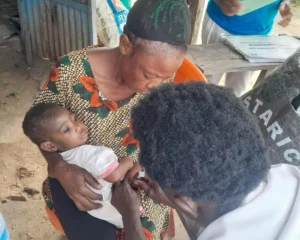
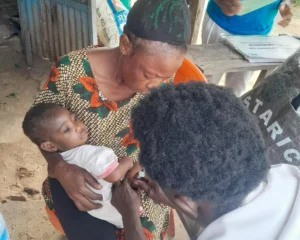
On June 10, 2026, the Yenegwe Primary Health Center hosted an outreach program designed to scout for missed and zero-dose children in the community. Facilitated with technical and logistical backing from JSI—an international public health organization dedicated to strengthening health systems—the initiative aimed to bring services directly to the doorstep of hesitant populations.
It was during this event that JSI Bayelsa State Advocacy, Communication, and Social Mobilization (ACSM) Officer Esogenwune Nwabueze encountered Mrs. Favour and her one-year-old daughter, Baby Rejoice. Recognizing the urgency of the situation, Nwabueze bypassed bureaucratic lectures and punitive messaging. Instead, he deployed an approach rooted in active listening, respect, and evidence-based counseling.
By validating Mrs. Favour’s past trauma rather than dismissing it, Nwabueze opened a constructive dialogue. He explained the nature of AEFIs, clarifying the medical distinction between genuine vaccine side effects and coincidental illnesses. Furthermore, he equipped the mother with actionable knowledge: what common reactions to expect, how to identify genuine danger signs, and what specific steps caregivers should take if a reaction occurs.
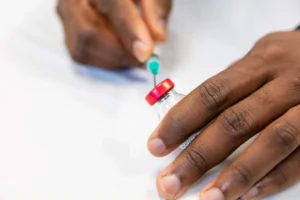
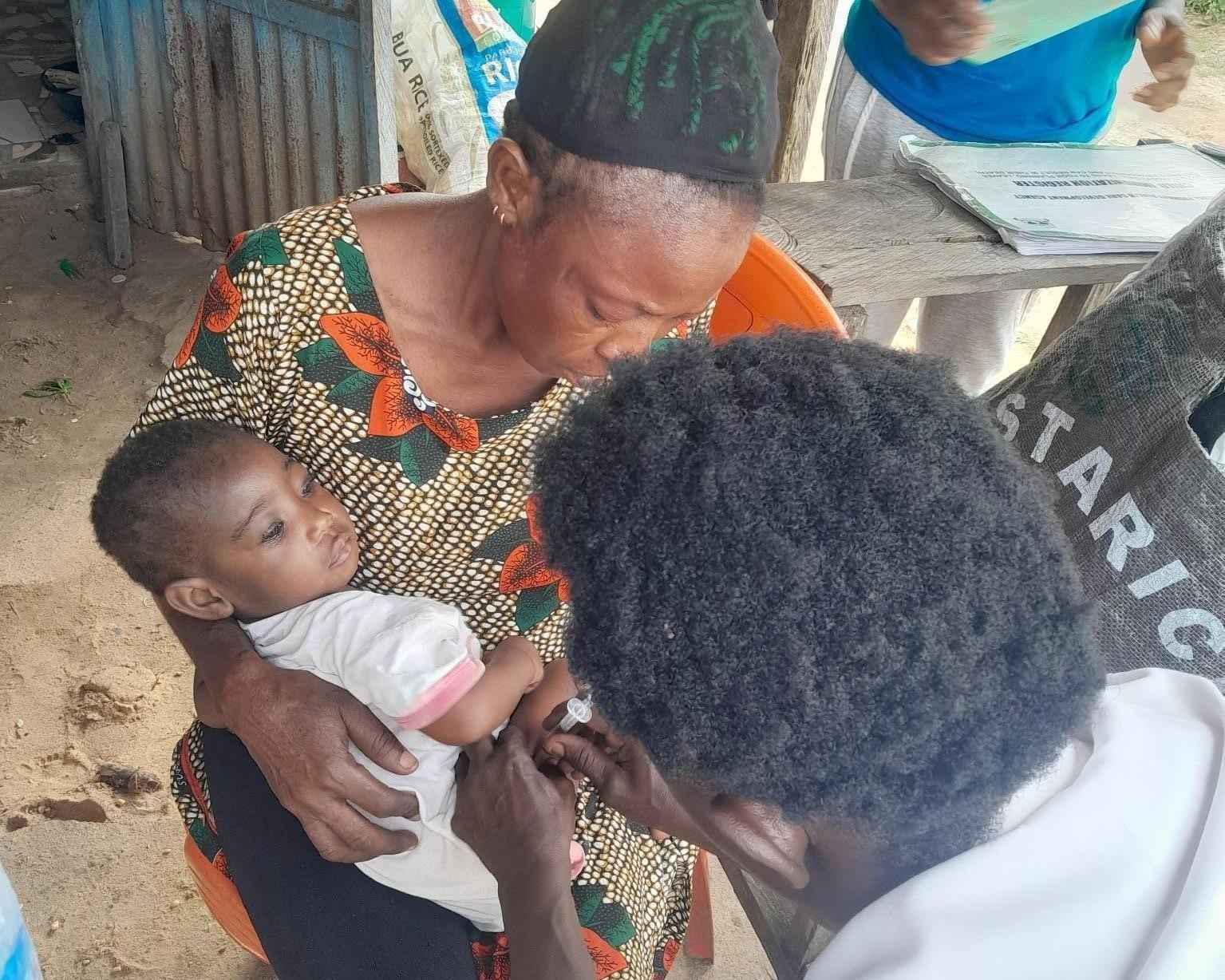
Empowered by this newfound understanding, Mrs. Favour made a voluntary, informed decision to give healthcare workers a second chance. On that single day, Baby Rejoice received six life-saving vaccines designed to protect her against a devastating cocktail of diseases, including tuberculosis, polio, hepatitis B, diphtheria, pertussis (whooping cough), tetanus, pneumonia, rotavirus, and meningitis.
2. Chronology: The Non-Linear Path from Hesitancy to Full Immunization
The journey from entrenched skepticism to full immunization acceptance is rarely a straight line. Public health interventions that treat vaccine uptake as a one-off transaction frequently fail because they underestimate the psychological friction that persists even after an initial breakthrough. The case of Baby Rejoice illustrates the delicate, iterative nature of community mobilization.
Phase 1: The Initial Outreach and Counseling (June 10, 2026)
- Discovery: Baby Rejoice is identified at the Yenegwe Primary Health Center outreach as a zero-dose child, having received no immunizations in her first 12 months of life.
- Engagement: JSI ACSM Officer Esogenwune Nwabueze approaches Mrs. Favour, initiates a dialogue, listens to her 19-year-old grievance regarding her firstborn child, and provides comprehensive counseling on AEFIs and child health.
- The Breakthrough: Mrs. Favour consents to immunization. Baby Rejoice receives her initial batch of six life-saving antigens.
Phase 2: Immediate Post-Vaccination Reinforcement (June 11, 2026)
Recognizing that first-time vaccine recipients—particularly those with a history of family trauma—are at high risk of defaulting on subsequent doses, the intervention team did not stop at the clinic door.
- Home Visit: The following day, Nwabueze conducted a follow-up home visit to check on Baby Rejoice, assess her post-vaccination condition, and reinforce caregiver confidence.
- System Integration: To ensure continuity of care, Nwabueze formally shared Baby Rejoice’s details with the Yenagoa immunization officer and the local health facility team, laying the groundwork for institutional tracking.
Phase 3: The Missed Appointment and Systemic Intervention (July 2026)
Despite the successful first visit, the unpredictable nature of rural livelihoods and lingering anxieties threatened to derail the process.
- The Default: Baby Rejoice was scheduled to return for her next round of immunizations exactly one month after her initial visit. However, she missed the appointment.
- Defaulter Tracking in Action: Rather than writing off the family as non-compliant, the Yenagoa immunization office mobilized. Health workers visited Mrs. Favour directly at her home.
- Reassurance and Advocacy: The immunization team reassured Mrs. Favour, reminding her that the upcoming vaccines were age-appropriate and critical for closing Baby Rejoice’s immunity gap.
- Completion of the Schedule: Buoyed by this persistent, compassionate follow-up, Mrs. Favour brought Baby Rejoice back to the facility the following month. The infant successfully received her remaining missed antigens, including subsequent doses of Penta 2, Oral Polio Vaccine (OPV) 2, rotavirus, and malaria vaccines.
3. Supporting Data: The Broader Landscape of Immunization in Nigeria
To contextualize the Yenegwe success story, one must look at the quantitative dimensions of immunization coverage in Nigeria and the specific hurdles faced by the Niger Delta region.
The Zero-Dose Challenge in Nigeria
Nigeria shoulders one of the highest burdens of zero-dose and under-immunized children globally. According to administrative health data and demographic health surveys, millions of children miss out on routine immunization schedules due to a confluence of factors:
- Geographical Barriers: Hard-to-reach riverine communities in states like Bayelsa make cold-chain logistics and physical access extraordinarily difficult.
- Insecurity and Social Instability: Conflict and civil unrest frequently disrupt health service delivery in various parts of the country.
- Information Deficits: Misinformation, rumors, and historical mistrust—fueled by isolated incidents of adverse reactions or external controversies—continue to depress vaccine uptake.
The Economics of Trust-Building
Interventions like those supported by JSI in Bayelsa State demonstrate that community-level mobilization is cost-effective when compared to managing outbreaks of vaccine-preventable diseases. Preventing a single outbreak of diphtheria, polio, or measles saves public health systems millions of dollars in emergency response costs and spares families catastrophic out-of-pocket health expenditures.
However, data shows that community mobilization cannot succeed in a vacuum. It requires:
- Reliable Cold-Chain Logistics: Ensuring vaccines remain potent from the central depot to the rural outreach point.
- Motivated and Trained Personnel: Equipping frontline health workers with soft skills, psychological training, and cultural competency to handle hesitant caregivers respectfully.
- Robust Defaulter Tracking Systems: Bridging the communication gap between temporary outreach programs and permanent primary health facilities to ensure no child is lost to follow-up.
4. Official Responses and Stakeholder Perspectives
The successful immunization of Baby Rejoice has drawn praise from public health leaders across Bayelsa State, highlighting the collaborative synergy between international non-governmental organizations, local health boards, and frontline community mobilizers.
The Frontline Perspective: Esogenwune Nwabueze
Reflecting on his interaction with Mrs. Favour, JSI Bayelsa ACSM Officer Esogenwune Nwabueze emphasized the foundational philosophy that drove the intervention:
"Every caregiver deserves accurate information so they can make informed decisions for their children. Many vaccine refusals are rooted in fear, misinformation, or past experiences. Listening is often the first step toward building trust."
Nwabueze’s philosophy challenges the traditional, top-down public health communication models that rely on coercion, mandates, or shaming. By reframing hesitancy as a rational response to unresolved fear, field officers can transform adversaries into advocates.
The Mother’s Reflection: Mrs. Favour
For Mrs. Favour, the experience shattered nearly two decades of self-imposed isolation from the public health system. In her own words, captured during the follow-up sessions:
"After my experience with my first child, who is 19 years old, I refused vaccines for all my children because I believed immunization was dangerous. Nobody had explained to me that those reactions could happen and what to do about them. Today, they listened and answered my questions. This gave me the confidence to allow Baby Rejoice to be vaccinated."
Her testimony underscores a profound truth: parents want what is best for their children. When they refuse life-saving interventions, it is frequently because they are terrified of harming them. Providing safe spaces for questions bridges the chasm between institutional science and maternal instinct.
The Institutional Commitment: Dr. Williams Appah
At the systemic level, leadership from the state health sector has recognized the Yenegwe breakthrough as a replicable model for state-wide immunization campaigns. Dr. Williams Appah, Executive Secretary of the Bayelsa State Primary Health Care Board, emphasized the board’s unwavering commitment to reaching the unreached:
"No child is beyond reach when communities, health workers, and partners like JSI work together. At the Bayelsa State Primary Health Care Board, we remain committed to identifying and reaching every zero-dose and under-immunized child with life-saving vaccines."
Dr. Appah noted that the state is actively working to institutionalize the lessons learned from the Yenegwe outreach, integrating active defaulter tracking and interpersonal communication training into standard primary healthcare delivery protocols across all local government areas.
5. Implications: Lessons for Public Health Policy and Future Interventions
The journey of Mrs. Favour and Baby Rejoice offers vital strategic implications for policymakers, public health practitioners, and international development partners working to eradicate vaccine-preventable diseases in Nigeria and across the Global South.
1. Shift from Compliance to Empathy
Traditional public health campaigns have often relied on authoritarian messaging—treating vaccine hesitancy as ignorance to be corrected rather than fear to be addressed. The Bayelsa experience proves that empathetic listening, respectful dialogue, and transparent explanations of AEFIs yield far superior, sustainable results. Public health training curricula must integrate modules on emotional intelligence, active listening, and risk communication for frontline workers.
2. The Critical Importance of Defaulter Tracking
Reaching a zero-dose child once is only half the battle; ensuring they complete the entire immunization schedule is where many health systems fail. Baby Rejoice’s missed second appointment highlighted the vulnerability of the transition period. The rapid response by the Yenagoa immunization office—conducting a home visit to bring the family back into the fold—demonstrates that robust defaulter-tracking mechanisms and clear lines of accountability between mobile outreach teams and fixed health facilities are non-negotiable components of effective immunization programs.
3. Multisectoral Collaboration is Essential
The success in Yenegwe was not the achievement of a single actor. It was the product of a seamless partnership between the Bayelsa State Primary Health Care Board, local health facility staff, community mobilizers, and international partners like JSI. Future immunization strategies must continue to foster these collaborative ecosystems, pooling logistical resources, technical expertise, and community trust.
4. Intergenerational Healing and Community Advocacy
Mrs. Favour’s 19-year resistance demonstrates how generational trauma and unaddressed vaccine fears can ripple across a family, denying protection to multiple children. Conversely, her conversion creates a powerful ripple effect of advocacy. A mother who was once the community’s most vocal vaccine skeptic can now become its most credible advocate, sharing her testimony with neighbors, friends, and relatives who harbor similar doubts. Public health programs should actively harness the voices of former skeptics as peer educators in community mobilization campaigns.
Conclusion: A Blueprint for Reaching Every Child
The story of Baby Rejoice and her mother, Mrs. Favour, is a powerful reminder that public health triumphs are ultimately human triumphs. Behind every cold-chain refrigerator, syringe, and statistical graph lies a complex web of human emotions—fear, hope, suspicion, and trust.
By replacing judgment with empathy, silence with dialogue, and abandonment with persistent follow-up, the health workers in Bayelsa State successfully breached a 19-year wall of mistrust. As Nigeria and its partners continue the arduous work of hunting down zero-dose children in the hardest-to-reach corners of the country, the Yenegwe experience stands as a shining beacon of what is possible when systems listen first, care deeply, and refuse to leave any child behind.