A Landmark Proposal: Why the Fiscal Year 2025 Budget is a Beacon for Early Childhood Development
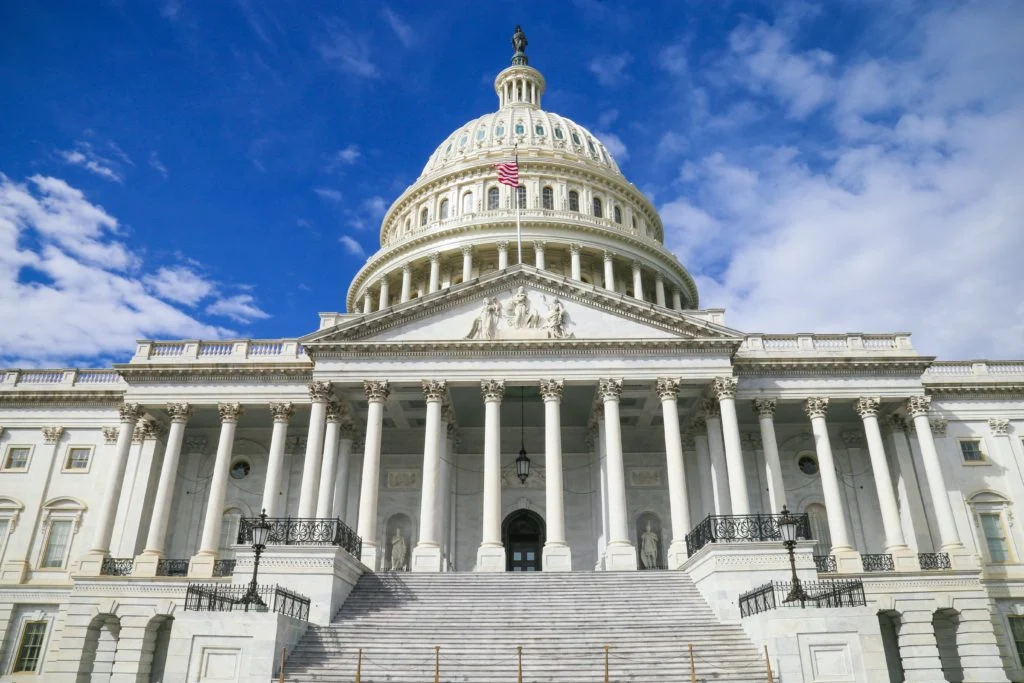
WASHINGTON, D.C. — In a significant move that has drawn praise from advocates and policy experts alike, the Biden-Harris Administration’s Fiscal Year 2025 budget proposal has been heralded as a milestone for the youngest members of American society. ZERO TO THREE, the nation’s preeminent nonprofit dedicated to early childhood development, issued a formal statement this week expressing strong support for the proposal, citing its comprehensive approach to addressing the complex needs of infants, toddlers, and their caregivers.
As the nation grapples with systemic challenges in childcare accessibility, maternal health, and economic volatility, the FY 2025 budget represents a strategic pivot toward prioritizing the foundational years of life. By focusing on critical developmental windows, the Administration seeks to solidify the infrastructure necessary for every child to achieve a healthy, secure start.
The Core Pillars: A Comprehensive Vision for Early Childhood
The budget proposal does not merely suggest incremental changes; it reflects an integrated understanding of the "five key areas" that ZERO TO THREE has long advocated as essential for child well-being: maternal health, infant and early childhood mental health, high-quality childcare, sustainable housing, and robust economic security.
Miriam Calderón, Chief Policy Officer at ZERO TO THREE, noted that the proposal aligns closely with the vision outlined in the President’s recent State of the Union address. "If implemented, President Biden’s budget will make our nation a better and fairer place to raise a baby," Calderón stated. "The proposed budget expands on a vision that addresses all facets of young children’s development, ensuring that families are empowered with the resources they need to make the best choices for their children’s futures."
Chronology: From Policy Advocacy to Budgetary Reality
The path to this budget proposal was paved by years of persistent advocacy from a coalition of child development experts, pediatricians, and nonprofit organizations.
- Early 2023: ZERO TO THREE and its partners intensified their "State of Babies" initiative, publishing data-driven reports highlighting the disparities in child development outcomes based on geographic location and socioeconomic status.
- Early 2024: Following the release of the "State of Babies" findings, advocacy groups began direct lobbying efforts with Congressional committees, emphasizing that the lack of federal investment was leading to a "childcare cliff" as pandemic-era funding dried up.
- March 2024 (State of the Union): President Biden utilized the national stage to emphasize the necessity of childcare, paid family leave, and early childhood education, signaling to the public that these issues would remain a focal point of his legislative agenda.
- The Budget Rollout: Shortly following the address, the Administration released the FY 2025 budget, incorporating the specific policy requests that organizations like ZERO TO THREE had prioritized in their recent briefs to the White House.
Supporting Data: Why Early Investment is Economic Common Sense
Critics of federal spending often point to the high cost of new social programs, but economists and child development researchers consistently argue that the "cost of inaction" is significantly higher.
Research consistently demonstrates that the brain develops more rapidly in the first three years of life than at any other period. During this time, the quality of a child’s environment—specifically their access to responsive caregiving, nutritional security, and safe housing—literally shapes the architecture of the developing brain.
According to data compiled by ZERO TO THREE, the economic implications are profound:
- Workforce Participation: Affordable childcare is the primary driver for maternal workforce participation. When families lack reliable care, parents are often forced to reduce their hours or leave the workforce entirely, costing the U.S. economy billions in lost productivity.
- Long-term Health Costs: Investments in early childhood mental health and maternal health reduce the likelihood of chronic illnesses, developmental delays, and behavioral challenges that require expensive public intervention later in life.
- Educational Outcomes: Children who receive high-quality early interventions are more likely to achieve higher educational attainment, leading to greater lifetime earnings and lower dependence on social safety nets.
Official Responses and the Road Ahead
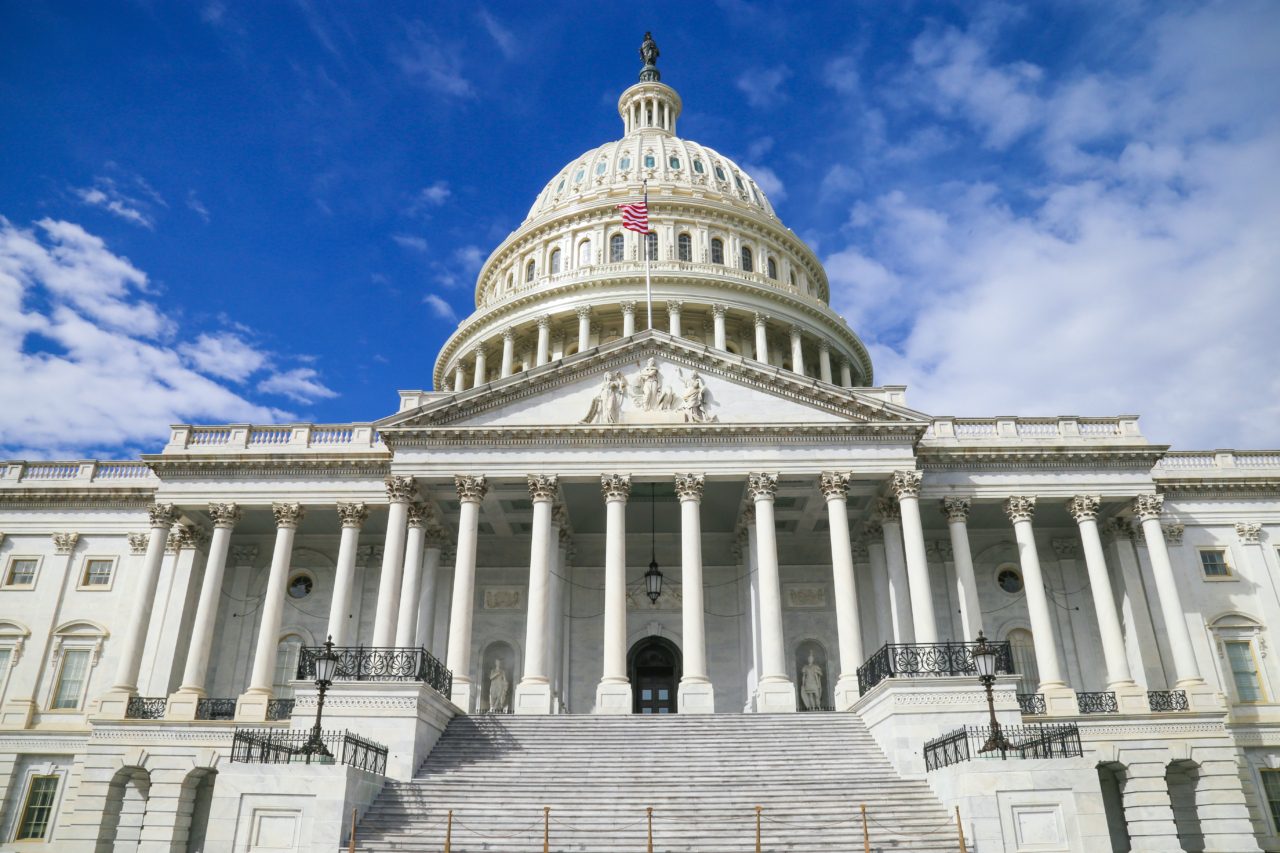
While the proposal has received applause from the early childhood advocacy sector, the reality of the legislative process means that the work is far from over. The budget currently sits before Congress, where it must navigate a complex path of appropriations and committee reviews.
"Now, Congress must work with the Administration to deliver for families and babies," Calderón emphasized. "We look forward to working with Congressional appropriators and our ‘baby champions’ on the Hill to make these bold proposals a reality. The political will is there, but the operational execution requires sustained bipartisan commitment."
The response from the Hill has been mixed, reflecting the broader ideological divide in Washington. Supporters argue that the budget provides a blueprint for a more equitable economy, while opponents have raised concerns regarding the overall deficit and the scope of federal intervention in family life. However, supporters of the ZERO TO THREE agenda remain optimistic that the bipartisan nature of childcare and family support can transcend typical party-line squabbles.
Implications for Families and the Future
If the FY 2025 budget is enacted as proposed, the implications for American families would be transformative. For a family struggling to find affordable, high-quality childcare, the proposal offers a lifeline that could prevent the financial strain often associated with the first years of parenthood. For marginalized communities, the specific focus on maternal health equity promises to address the tragic disparities in birth outcomes that have persisted for decades.
Beyond the immediate financial relief, the budget serves as a symbolic statement of national priorities. By embedding the needs of infants and toddlers into the federal budget, the government is essentially codifying the belief that a child’s early development is not a private family matter alone, but a public interest that merits collective investment.
Conclusion: A Call to Action
The journey of the FY 2025 budget is a testament to the power of persistent, evidence-based advocacy. As the debate moves into the halls of Congress, the role of the public becomes increasingly vital. ZERO TO THREE continues to urge citizens to contact their representatives to ensure that the needs of babies remain at the forefront of the legislative agenda.
The "State of Babies" is, ultimately, the state of the nation. By prioritizing the most vulnerable and the most critical stage of human development, the President’s proposal offers a roadmap for a more stable, productive, and compassionate future. Whether this vision becomes a reality depends on the willingness of Congress to see the budget not just as a set of numbers, but as an investment in the next generation of American citizens.

For more information on the Fiscal Year 2025 budget and to learn how to support advocacy efforts for infants and toddlers, visit ZERO TO THREE’s official website.
Media Contact: Joe Weedon | (202) 277-9410