
Beyond the "Boring" Barrier: A Comprehensive Guide to Teaching Mindfulness to Children with ADHD
For many parents of children with Attention Deficit Hyperactivity Disorder (ADHD), the pursuit of mindfulness is often met with a familiar, disheartening response: "This is boring."
While parents recognize mindfulness as a potential lifeline for managing the impulsivity, emotional dysregulation, and cognitive clutter inherent in ADHD, children often perceive these practices as restrictive, static, or disconnected from their lived reality. Bridging this gap requires more than just encouragement; it demands a fundamental shift in how we define, package, and implement mindfulness for neurodivergent minds.
Main Facts: Redefining Mindfulness for the ADHD Brain
At its core, mindfulness is not an attempt to force the brain into silence or stillness. For a child with ADHD, whose brain is wired for novelty and high stimulation, the traditional image of meditation—sitting motionless for twenty minutes—is not just challenging; it is often counterproductive.
Mindfulness is, effectively, "cognitive fitness training." It is the intentional practice of developing a compassionate, real-time awareness of our internal and external experiences. It is an antidote to the "lost in distraction" phenomenon that characterizes the ADHD experience. When we teach children mindfulness, we are not teaching them to stop having thoughts or feelings; we are teaching them to relate to those thoughts and feelings with clarity, patience, and care.
The primary barrier to adoption is the misconception that mindfulness equals inactivity. By shifting the focus from "quieting the mind" to "building awareness of the present moment," parents can transform a dreaded chore into a vital life skill.
Chronology of Practice: From Toddlerhood to the Teenage Years
The approach to teaching mindfulness must evolve alongside the child’s neurological and emotional development.
Early Childhood: The Era of Playful Engagement
For younger children, formal instruction is largely ineffective. At this stage, mindfulness should be integrated into play. Instead of discussing the philosophy of being present, parents should utilize sensory engagement.
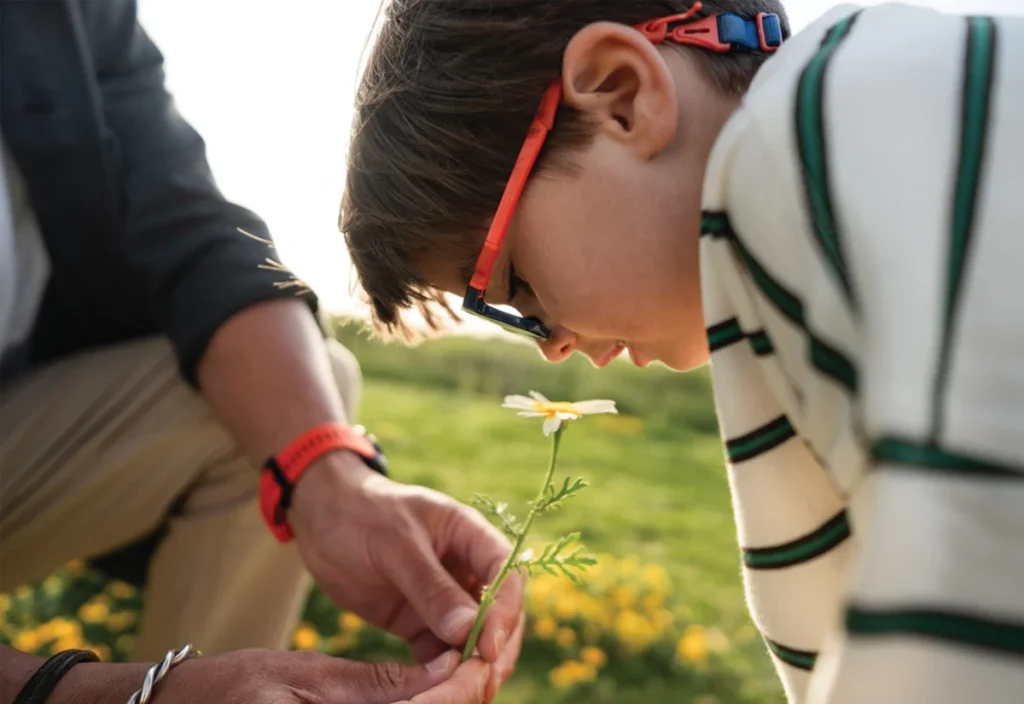
- Nature Walks: Rather than hiking for distance, focus on sensory input. Ask the child to identify the specific sound of a woodpecker or the unique scent of a specific flower.
- Bedtime Body Scans: Introduce relaxation through a "body scan" during the bedtime routine. Encourage the child to observe the sensation in their toes, moving slowly up to their forehead. The key here is to release the expectation of stillness; if they wiggle, acknowledge the movement rather than correcting it.
Middle Childhood: Building Foundations
As children approach middle school, they begin to develop the capacity for metacognition—thinking about their own thinking. Here, you can introduce the concept of "the pause." Use relatable analogies, such as comparing the brain to a busy browser with too many tabs open. Mindfulness, in this context, is the act of closing a few of those tabs to improve system performance.
Adolescence: Identity and Autonomy
Teenagers are uniquely positioned to benefit from mindfulness, yet they are also the most resistant to parental influence. With teens, it is critical to frame the practice around their personal goals. Whether it is improving focus for academic success, calming pre-game anxiety for athletics, or managing the "inner critic" that often fuels ADHD-related shame, the practice must feel relevant to their adolescent experience.
Supporting Data: Why Resilience Matters
The clinical implications of mindfulness for ADHD are significant. Developmental pediatrician Dr. Mark Bertin notes that the goal of these exercises is to foster resilience and move away from reactive or impulsive behaviors.

Data suggests that ADHD is not merely a deficit of attention, but a difficulty in the regulation of arousal and emotion. Mindfulness training provides a structural mechanism to bridge the gap between stimulus and response. When a child learns to sustain awareness of their own frustration or boredom without immediately acting on it—for example, by throwing a toy or shouting—they are engaging the prefrontal cortex. Over time, this "mental muscle" becomes stronger, making it easier to exert self-control in high-stakes environments like the classroom or social settings.
Official Perspectives: The Role of the Caregiver
One of the most profound findings in developmental psychology is that children are more likely to adopt habits that they see modeled by their caregivers. If a parent presents mindfulness as a "fix" for the child’s "problem," the child will feel targeted and defensive.
Conversely, if the parent practices mindfulness themselves—and openly discusses their own struggles with distraction—the dynamic changes. By normalizing meditation and demonstrating that it is acceptable to have a wandering mind, parents create a low-pressure environment.
Furthermore, for teens, parental authority often hits a ceiling. Research indicates that adolescents are significantly more receptive to mindfulness when they encounter the practice through:
- Peer-to-Peer Mentorship: Seeing friends or teammates use mindfulness techniques to improve performance.
- Coaches and Mentors: Adults outside the immediate family unit who can speak to the functional benefits of mental clarity.
- Digital Influencers: Using curated, age-appropriate content from trusted online sources that align with the teen’s personal interests.
Implications: Moving Toward Long-Term Growth
The long-term goal of integrating mindfulness into the life of a child with ADHD is not the eradication of symptoms, but the development of self-compassion. ADHD often carries a heavy burden of shame; children are frequently told they are "too loud," "too messy," or "not focused enough."
Mindfulness provides a sanctuary where the child can observe these experiences without judgment. When a child learns to say, "I am feeling frustrated right now," rather than, "I am a bad student," they have made a monumental shift in their internal narrative.
Overcoming the Resistance: A Summary of Best Practices
- Lower the Stakes: If your child resists, you are likely pushing too hard. Aim for shorter, more frequent bursts of practice rather than long, formal sessions.
- Focus on "Lightness and Laughter": Meditation should not feel like a punishment. If the practice is boring, it is likely too rigid. Incorporate movement, humor, and curiosity.
- Validate the "Boring": If a child complains that mindfulness is boring, agree with them. Say, "You’re right, sitting still can be incredibly boring. Let’s see if we can find a way to make it interesting by focusing on [specific sensory input]."
- Model, Don’t Mandate: Show, don’t tell. Let your child witness you using a breathing technique when you feel stressed.
Conclusion: A Commitment to Holistic Support
Mindfulness is a lifelong practice, not a quick-fix medication. By integrating these techniques into the daily rhythm of family life, parents can help their children with ADHD move from a state of constant, reactive motion to a state of empowered awareness.
The journey requires patience from the caregiver. As Dr. Bertin emphasizes, mindfulness is not about achieving an "unflappably calm" state—an unrealistic expectation for any human, and especially for those with ADHD. It is about the courage to sit with the reality of our lives, even when that reality is noisy, frustrating, or simply, undeniably boring. By shifting our perspective, we can transform these moments of resistance into the building blocks of a more resilient, self-aware future for our children.
Disclaimer: This article is intended for informational purposes and does not constitute medical advice. For specific clinical concerns regarding ADHD, please consult with a developmental pediatrician or licensed mental health professional.