Beyond the Brand: The Definitive Guide to Affordable Magnetic Building Tiles
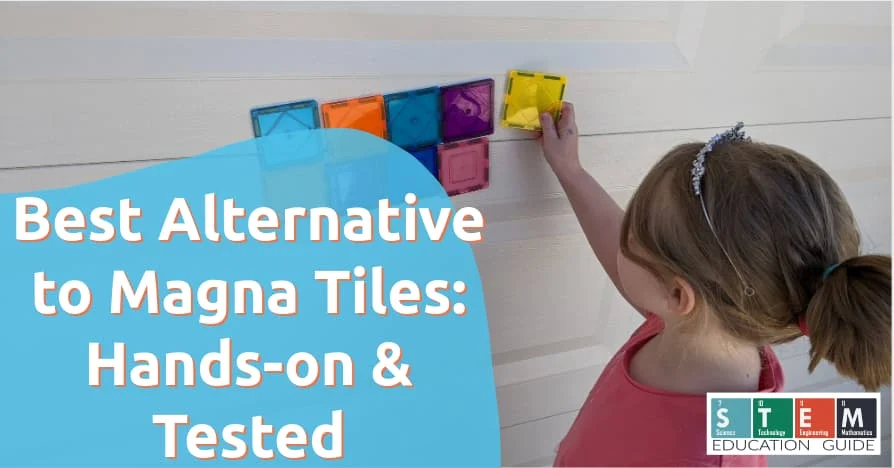
For parents and educators, magnetic tiles have become a cornerstone of the modern playroom. These geometric, translucent shapes offer more than just entertainment; they serve as a gateway to spatial reasoning, engineering fundamentals, and hours of screen-free creative play. However, as the popularity of these toys has surged, so has the price tag of the industry leader, Magna-Tiles.
For many families, the cost of expanding a collection—essential for building larger, more complex structures—can be prohibitive. This article explores the landscape of the magnetic building toy market, evaluating why the original brand commands such a premium and identifying the best high-quality, cost-effective alternatives available today.
The Evolution of Magnetic Construction: A Brief Chronology
To understand why parents are seeking alternatives, one must look at the origin of the category. Magna-Tiles were the pioneers of the genre, hitting the market in 1997. By being the first to introduce the concept of magnetic-edged geometric shapes, they established a standard for quality and safety.
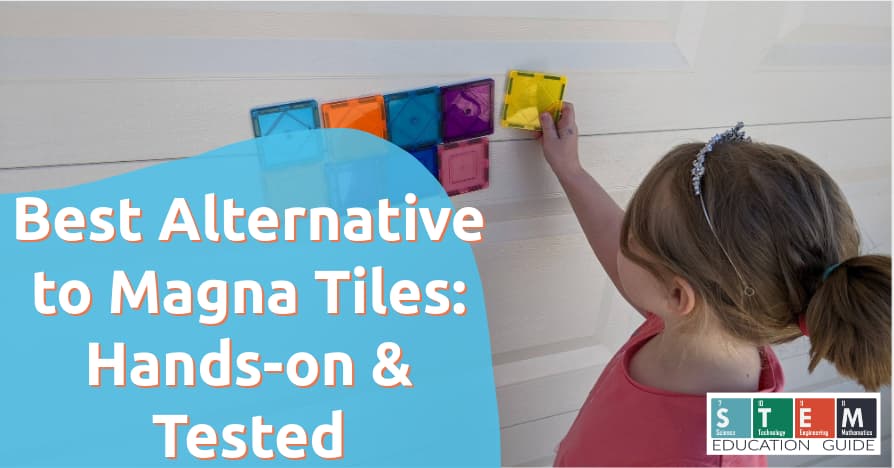
In the decades that followed, the patent landscape for magnetic tiles evolved, allowing other manufacturers to enter the space. This ushered in a "Golden Age" for consumers. Brands like PicassoTiles, Cossy, and Connetix appeared, leveraging similar ABS plastic construction and safety-tested magnetic technology. While the original brand remained the "gold standard" in the minds of many, the gap in quality between the originator and the newcomers has narrowed significantly, forcing parents to ask: Are we paying for superior engineering, or are we paying for a legacy?
The Premium Price Tag: Why Magna-Tiles Cost More
When you purchase a set of name-brand Magna-Tiles, you are paying for three primary factors: brand equity, research and development, and a rigorous, long-standing reputation for safety.
Brand Equity and Market Positioning
As the "first to market" brand, Magna-Tiles benefit from immense brand recognition. They have cultivated a reputation that justifies a premium price, much like a designer label in the fashion industry. Retailers often adhere to strict pricing policies set by the company, which is why you rarely see deep, site-wide discounts for the original brand.
Safety and Regulatory Compliance
All reputable magnetic tile brands, including the alternatives listed here, must adhere to international safety standards. These include testing for toxic materials, phthalates, and lead. While Magna-Tiles sets the bar for these tests, many of the newer, budget-friendly competitors have adopted these same strict manufacturing protocols. The Good Housekeeping Institute and other independent toy-testing organizations have consistently noted that several off-brand sets meet the same durability and safety criteria as their more expensive counterparts.
Engineering Differences
In head-to-head testing, some users note that original Magna-Tiles possess a slightly more "rigid" feel. When subjected to stress tests—such as being stepped on or thrown—the original tiles often show superior resistance to cracking. However, for the average household, this difference is often negligible, as the quality of materials used by top-tier alternatives has reached a point where the distinction is barely perceptible to a child during play.
Top-Rated Alternatives: A Comparative Analysis
If you are looking to expand your collection without draining your savings, several brands have proven themselves worthy of a spot in your toy bin.
1. PicassoTiles: The Market Leader in Value
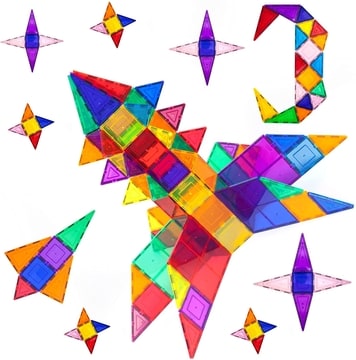
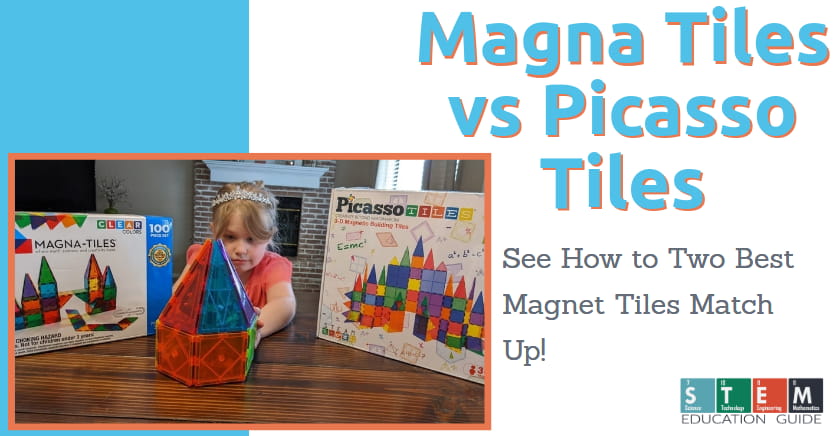
PicassoTiles consistently ranks at the top of independent reviews for the best Magna-Tile alternative. They are engineered to be fully compatible with original sets, meaning you can mix and match them to create sprawling, imaginative cities.
- Key Advantage: The sheer variety of expansion packs. Whether your child wants to build a marble run, a garage, or a sprawling castle, PicassoTiles offers specialized add-ons that allow for real-world simulation and architectural complexity.
2. Cossy Kids Magnetic Tiles: The Aesthetic Choice
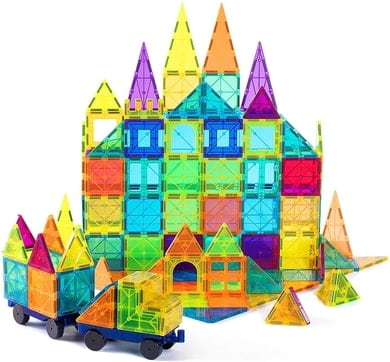
For families who prioritize the "look" of their builds, Cossy tiles are a standout. They are renowned for their high-transparency plastic and vibrant, saturated colors.
- Key Advantage: Light refraction. When sunlight hits a structure built with Cossy tiles, the result is significantly more radiant than some of the opaque alternatives. They have proven their longevity in home testing, holding up to years of daily play without losing their magnetic strength.
3. Shapemags: The Literacy-Focused Alternative
Shapemags distinguish themselves by bridging the gap between STEM and literacy. Their "Stile Mags" are small, magnetic slips that snap onto the surface of the tiles, featuring letters, numbers, or pictures.
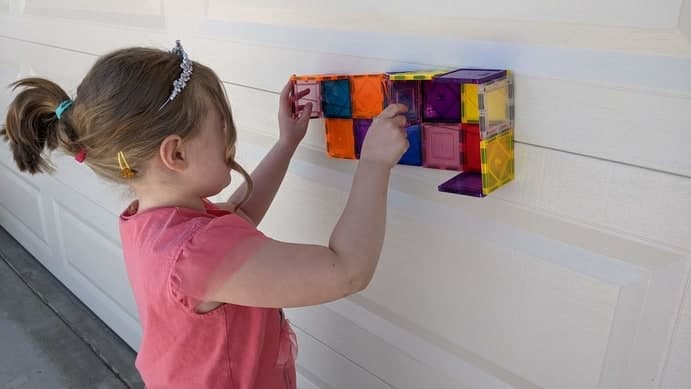
- Key Advantage: Educational integration. By allowing children to label their buildings or practice spelling while they construct, Shapemags turn a standard building session into a multi-disciplinary learning experience.
4. Magblock: The Architectural Specialist
Magblock is favored for including functional pieces like working doors, fences, and archways in their base sets. While other brands might require you to buy expensive "add-on" kits to get these pieces, Magblock integrates them from the start.
- Key Advantage: Ready-to-build capability. This brand is ideal for children who have moved past simple stacking and are interested in replicating real-world structures like houses and barns.
Supporting Data: Why Compatibility Matters
The most important metric for any parent is interoperability. Because most magnetic tiles are designed with similar dimensions and magnetic polarities, they are generally cross-compatible.
Data from consumer feedback indicates that the "best" collection is usually a hybrid one. By investing in a core set of original Magna-Tiles and supplementing them with high-quality, lower-cost alternatives like PicassoTiles, parents can build a massive library of pieces at a fraction of the cost of buying only the name-brand product. This approach provides the structural integrity of the original while allowing for the sheer volume of pieces needed to build large, complex towers.
Official Perspectives and Safety Implications
The toy industry is highly regulated. Parents should always look for the "ASTM F963" certification (the standard for toy safety in the US) on any packaging.
When choosing an off-brand, look for companies that explicitly state they perform third-party safety testing. While the "knock-off" market can be vast, sticking to established alternative brands like those mentioned above ensures that you are not sacrificing safety for price. Always inspect tiles regularly for signs of wear; if a magnet ever becomes exposed, the tile should be discarded immediately, regardless of the brand.
Implications for Play: Fostering STEM Skills
Beyond the cost, the goal of these toys is to foster STEM (Science, Technology, Engineering, and Math) skills. A 2022 study on open-ended play suggests that children who have access to larger quantities of building materials demonstrate higher levels of persistence and problem-solving.
Encouraging Exploration
To maximize the value of your set, try these engagement strategies:
- The Weight Comparison Test: Ask your child to compare the magnetic pull of different pieces.
- Light Experiments: Use a flashlight to observe how different brands of tiles transmit light differently.
- Play Challenges: Use free online resources or "play prompts" to give your children specific architectural goals, such as "build a structure that can support the weight of a toy car."
Conclusion
Magna-Tiles are undoubtedly a pioneer, but they are no longer the only game in town. For the budget-conscious parent, the market has matured to the point where high-quality, safe, and durable alternatives are widely available. By mixing and matching reputable brands, you can provide your children with the resources they need to push the boundaries of their creativity—all while keeping your household budget intact.
Whether you choose the vibrant transparency of Cossy, the educational focus of Shapemags, or the versatility of PicassoTiles, the most important component remains the same: the imaginative mind of the child building the world one tile at a time.