Beyond the Candy Bowl: The Growing Movement for Inclusive, Allergy-Safe, and Non-Candy Halloween Treats
WASHINGTON — Every October, millions of parents, educators, and neighborhood organizers face the same annual conundrum: Is there anything besides candy we can hand out that kids will actually be excited about?
Increasingly, the answer is a resounding yes. Driven by a surge in pediatric food allergies, dietary restrictions, and a broader cultural shift toward health-conscious celebrations, non-candy Halloween alternatives have moved from niche neighborhood gestures to a mainstream holiday trend. With a little strategic planning, front porches and classroom goodie bags are transforming into inclusive hubs filled with treats that are safe for kids with food allergies, gentle on household budgets, and just as exciting as traditional chocolate and sugar.
This comprehensive guide examines the operational, financial, and social shifts behind the non-candy Halloween movement, offering a detailed roadmap for trick-or-treat night, K-8 classroom parties, and community inclusion.
Main Facts: The Shift Toward Inclusive Halloweening
The modern Halloween landscape is evolving to accommodate the medical and developmental realities of contemporary children. According to recent public health data, food allergies affect roughly 1 in 13 children in the United States—translating to an average of two students in every typical classroom.
Traditional Halloween staples present a minefield for these children. Many popular candies contain peanuts, tree nuts, milk, soy, or wheat. Furthermore, "fun size" packaging frequently omits full ingredient labels, forcing parents to inspect every single item in a child’s pillowcase before consumption. Beyond traditional food allergies, families must navigate juvenile diabetes, celiac disease, dental constraints such as braces, and sensory or feeding differences that make standard candies hazardous or impossible to enjoy.
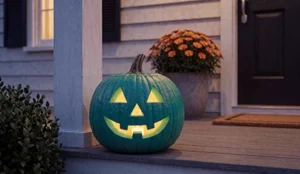
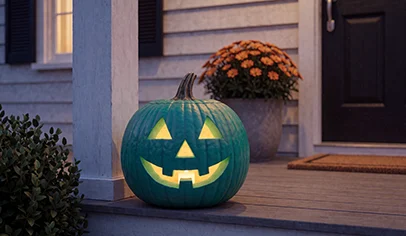
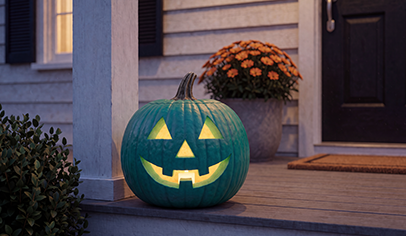
To combat this, public health initiatives like the Teal Pumpkin Project—spearheaded by Food Allergy Research & Education (FARE)—have redefined porchside hospitality. By placing a teal-painted pumpkin on their porch or registering on national digital maps, homeowners signal that they offer safe, non-food treats.
Industry experts note that non-candy alternatives do not have to break the bank. With bulk purchasing, items like glow sticks, temporary tattoos, and mini notebooks can cost between 10 to 30 cents per child—comparable to, or even cheaper than, brand-name miniature candy bars. More importantly, items like glow bracelets or fidget toys offer extended play value, often making a house memorable to children for years to come.
Chronology: How the Non-Candy and Allergy-Aware Movement Evolved
The transformation of Halloween from a purely sugar-centric holiday to an inclusive community event did not happen overnight. Its trajectory reflects a broader societal awakening regarding public health and accessibility:
- The Early 2000s (The Rise of Food Restrictions): As pediatric food allergy diagnoses began climbing noticeably across Western nations, school districts nationwide started implementing strict "nut-free" and allergy-aware zones. Halloween parties in schools began moving away from baked goods and shared treats.
- 2012 (The Birth of the Teal Pumpkin Project): A local Tennessee food allergy awareness group, led by Becky Rancour, painted pumpkins teal to raise awareness of food allergies during Halloween. The grassroots effort caught national attention.
- 2014 (National Expansion): Food Allergy Research & Education (FARE) officially adopted the Teal Pumpkin Project, scaling it into a nationwide campaign. Thousands of households across all 50 states began participating, fundamentally changing how neighborhoods approached trick-or-treating.
- 2018–2020 (The Rise of Sensory Toys and Dollar-Store Bulk): The expansion of global e-commerce platforms and dollar-store supply chains made small, non-food novelties (such as slap bracelets, pop-it fidgets, and mini Play-Doh containers) widely accessible and affordable for average families.
- 2022–Present (Mainstream Integration): Non-candy treats are no longer viewed merely as an "allergy accommodation," but as a universally desired alternative. Retailers now routinely stock dedicated sections of bulk Halloween stationary, glow items, and toys right alongside traditional chocolate assortments.
Supporting Data: Age-Specific Preferences and Economic Realities
What thrills a kindergartner can often feel entirely babyish to a seventh grader. Successfully executing a non-candy Halloween strategy requires matching the novelty item to the developmental stage of the recipient.
Treat Preferences by Grade Band
| Grade Band | Ideal Treat Ideas | Why They Work |
|---|---|---|
| K–2 (Ages 5–8) | Halloween stickers, glow sticks, mini bubbles, bouncy balls, mini Play-Doh, finger puppets, chunky crayons, spider rings, coloring sheets. | Bright, highly tactile, and immediately engaging to use on the walk home. |
| Grades 3–5 (Ages 8–11) | Temporary tattoos, pencil toppers, scented erasers, mini slime, pop-it fidgets, sticky hands, mini flashlights, bookmarks, puzzle cards. | Collectible, perceived as "cool," and practical for school environments. |
| Grades 6–8 (Ages 11–14) | Slap bracelets, keychains, mini notebooks, gel pens, phone/laptop stickers, trading cards, mini card decks, lip balm, hair ties. | Useful, subtly mature, and free of any "little kid" stigma. |
Budget Strategies for Bulk Purchasing
Keeping costs down while distributing non-candy items requires shifting purchasing habits:
- Buy in Bulk: Specialty party supply websites, warehouse clubs, and online marketplaces offer multi-packs of temporary tattoos, stickers, and stamps that drop unit costs to pennies.
- Shop Post-Holiday Sales: Savvy organizers purchase leftover summer glow-sticks or clearance party favors in bulk throughout the year.
- Opt for Multi-Use Items: Items like festive pencils or mini notetaking pads serve a dual purpose as both a Halloween novelty and a functional school supply.
Official Responses and Expert Recommendations
Health officials, educators, and allergy advocates have widely endorsed the expansion of non-candy distribution channels, particularly within educational settings.
Dr. Sarah Johnson, a pediatric allergist and child health researcher, emphasizes the psychological impact of inclusion. "When a child with a severe peanut allergy walks through a neighborhood and has to constantly hand items back to their parents because they aren’t safe, it takes the joy out of the holiday," Johnson notes. "Having a designated teal-pumpkin house where they can independently choose a toy normalizes their experience and validates their safety."
Educational administrators have also praised the trend. With instructional time at a premium and school wellness policies tightening, many districts have phased out edible treats for classroom celebrations entirely.
Maria Rodriguez, a veteran middle school administrator, highlights the shift in school policy: "Classroom parties used to be logistical nightmares involving severe allergy alerts, sugar crashes, and dietary tracking charts. Shifting toward non-food items—like custom bookmarks, gel pens, or puzzle cards—keeps the festive spirit alive while protecting instructional focus and student safety."
Furthermore, FARE representatives stress the importance of operational hygiene when mixing options. Homeowners wishing to hand out both candy and non-candy items are strongly advised to maintain two separate bowls. This simple physical separation prevents cross-contact between allergen-containing chocolates and the alternative items selected by sensitive children.
Implications: Changing Neighborhood Dynamics and Community Culture
The widespread adoption of non-candy and allergy-aware Halloween practices carries profound implications for community building and modern parenting.
1. Fostering True Community Inclusion
By shifting focus from consumption to play, neighborhoods become inherently more welcoming. Children with diverse physical, neurological, and dietary needs are no longer sidelined during one of the year’s most culturally significant childhood events. The presence of non-food options turns a passive commercial holiday into an active exercise in neighborhood empathy.
2. Redefining Holiday Excess
For many households, the post-Halloween period is defined by mountains of discarded candy wrappers and parental restrictions on sugar consumption. Introducing non-edible alternatives offers a natural counterbalance, mitigating the "sugar hangover" effect while providing children with lasting keepsakes.
3. The Commercial Response
As consumer demand shifts, manufacturing and retail sectors are adjusting accordingly. Toy and stationary manufacturers are increasingly designing seasonal lines specifically packaged for holiday distribution, signaling that non-candy treats are a permanent structural shift in consumer behavior rather than a passing fad.
Frequently Asked Questions
What can I give out for Halloween instead of candy?
Popular non-candy Halloween treats include glow sticks, stickers, temporary tattoos, pencils, erasers, bouncy balls, bubbles, fidget toys, mini notebooks, and slap bracelets. The key is selecting small, age-appropriate items kids can use right away.
Do kids actually like non-candy treats?
Yes. Children are frequently drawn to the novelty of glow sticks, fidget toys, and stickers, which offer prolonged entertainment value compared to consumable sweets. Furthermore, children with food allergies experience genuine relief and excitement when discovering an inclusive household.
What does a teal pumpkin mean on Halloween?
A teal pumpkin indicates that a home offers non-food treats safe for children with food allergies, serving as a visual beacon tied to FARE’s Teal Pumpkin Project.
Should I give out both candy and non-candy treats?
Yes, you can offer both by maintaining two separate bowls. This ensures children can make their preferred choice while completely eliminating the risk of allergen cross-contact.
Are non-candy treats appropriate for middle schoolers?
Older children and middle schoolers appreciate functional, mature items such as slap bracelets, keychains, gel pens, mini notebooks, aesthetic laptop stickers, and trading cards.
How much should non-candy alternatives cost?
Most families spend roughly the same amount as they would on candy—approximately 10 to 30 cents per child—by leveraging bulk-purchase packs of stickers, tattoos, and novelty toys.