Bridging the Digital Divide: How Harshman Middle School Students Are Transforming Their Community
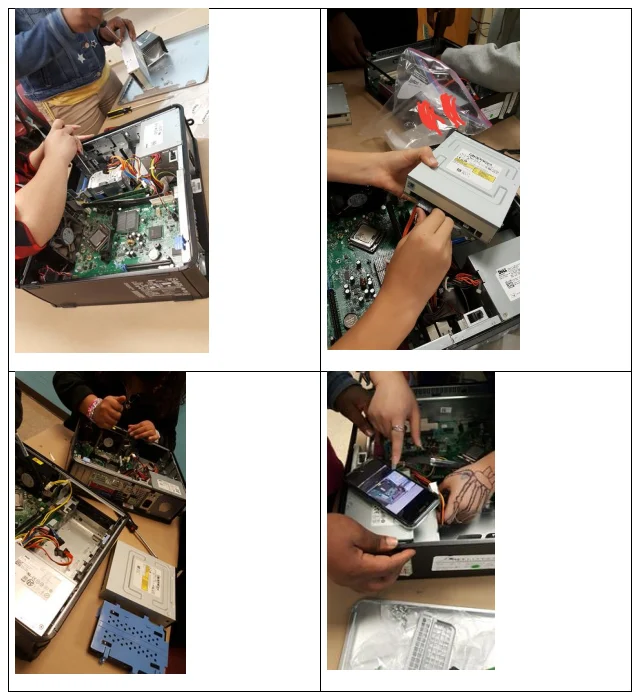
INDIANAPOLIS, IN – In the modern educational landscape, the "digital divide" is not merely a buzzword; it is a profound barrier to academic equity. While many students take for granted the ability to research, write, and submit assignments from the comfort of their homes, thousands of families across the country remain disconnected. However, within the classrooms of Harshman Middle School, a grassroots initiative is turning the tide, one refurbished motherboard at a time.
Led by educator Dr. Caren Lettofsky, a group of dedicated middle school students is participating in a hands-on STEM program that marries technical literacy with profound community service. Through a long-standing partnership with the non-profit organization Net Literacy, these students are not only mastering the complexities of computer hardware but are also ensuring that their peers have the tools necessary to succeed in an increasingly digital world.
Main Facts: A Hands-On Approach to Technical Literacy
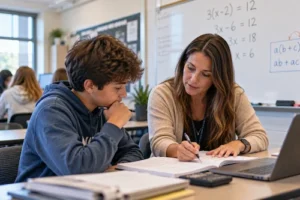
The core of this initiative is a unique pedagogical model that emphasizes "learning by doing." Under Dr. Lettofsky’s guidance, students are organized into specialized teams tasked with the full lifecycle management of computer hardware. This is not a theoretical curriculum; it is a high-stakes environment where students must diagnose, troubleshoot, and rebuild donated hardware.
The primary objective is twofold:
- Technical Proficiency: Students acquire high-level STEM skills, including component identification, software installation, system diagnostics, and hardware maintenance.
- Social Responsibility: By repurposing hardware that might otherwise end up in a landfill, the students create a tangible social impact. Once the computers are restored to working order, they are donated to fellow students whose families lack access to a home computer.
This program effectively dismantles the idea that "tech support" is a job for adults or external IT professionals. By empowering middle schoolers to manage the process, Net Literacy and Dr. Lettofsky have fostered a culture of self-reliance and community support within the school walls.
Chronology: From Surplus to Success
The trajectory of this program is a testament to the power of consistent community engagement. While the partnership between Net Literacy and Harshman Middle School has spanned several years, the 2021-2022 academic cycle serves as a definitive case study in its operational success.
- September 2021: The academic year kicks off with an assessment of the incoming inventory donated by Net Literacy. Students are divided into teams and begin initial training on safety protocols and hardware identification.
- October 2021: The "Rebuild Phase." Students move from theory to practice, spending hours opening chassis, cleaning components, and testing power supplies. This phase is characterized by intensive troubleshooting sessions where students learn to identify faulty hardware versus software-based configuration errors.
- November 16, 2021: The project reaches a critical milestone. As the holiday season approaches, the students prepare the first batch of refurbished units for distribution. During this time, the students compose letters to Net Literacy, reflecting on the impact of their work and the importance of digital access.
- January 2022: The successful deployment of the units is documented and shared with the broader community, highlighting the success stories of the students who received the hardware.
Supporting Data: The Impact of the Digital Divide
To understand the necessity of this program, one must look at the broader context of technology access. According to data from the Pew Research Center, while the gap in internet access has narrowed, a "homework gap" persists for families in lower-income brackets.
In many households, a single smartphone is the only device available for internet access. Research shows that students who lack a laptop or desktop computer are at a significant disadvantage when it comes to long-form writing, complex research projects, and navigating school-based learning management systems.
Key metrics regarding the program’s impact include:
- Waste Diversion: By refurbishing old hardware, the program saves dozens of units from entering the e-waste stream, which is often laden with toxic materials like lead and mercury.
- Direct Outreach: Every computer successfully refurbished by a student represents one household that has moved from being "disconnected" to having a functional, educational tool.
- STEM Pipeline: Data from Dr. Lettofsky’s class indicates that students who participate in the program demonstrate higher levels of confidence in pursuing elective courses in computer science and engineering in high school.
Official Responses: Voices from the Classroom
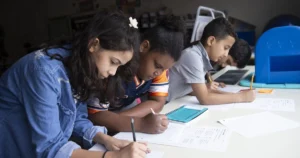
The impact of this program is best captured through the voices of those directly involved. In a series of heartfelt letters, students expressed the duality of the work: the challenge of the technical labor and the joy of the altruistic outcome.
"Learning how to take apart a computer was intimidating at first," one student wrote. "But once you understand how the parts connect—how the RAM works with the processor—it stops being a ‘magic box’ and starts being a tool. Knowing that the computer I fixed is going to help a classmate do their history project makes all the hours of troubleshooting worth it."
Dr. Lettofsky, who has been a pillar of this initiative, has long argued that middle school is the "sweet spot" for technical intervention. "Middle school students are at an age where they are seeking autonomy," Lettofsky noted. "By giving them the agency to fix machines, we aren’t just teaching them how to repair a motherboard; we are teaching them that they have the power to solve community-wide problems."
Net Literacy representatives have frequently cited the Harshman program as a gold standard for their regional partnerships. The organization provides the surplus hardware, but they emphasize that the "value-add"—the labor, the care, and the distribution—is entirely the work of the students and their teacher.
Implications: A Blueprint for Academic Equity
The success of the Harshman Middle School initiative has far-reaching implications for how school districts across the nation approach technology.
1. The Decentralization of IT Support
This model suggests that schools do not need to rely solely on expensive outside contractors to maintain their digital infrastructure. By integrating hardware maintenance into the curriculum, schools can build a "student-led IT department." This reduces overhead costs while simultaneously providing students with vocational training that is highly relevant in the modern job market.
2. Redefining "Service Learning"
Service learning is often relegated to food drives or park cleanups. While these are vital, the Harshman model introduces "technical service." This prepares students for a future where technical literacy is as fundamental as reading or mathematics. It shifts the perception of technology from a consumer good to a communal asset.
3. Sustainability and Circular Economics
The program is a practical application of the circular economy. Rather than purchasing new, expensive devices every two years, the program demonstrates how existing technology can be maintained and upgraded. This is a vital lesson in sustainability that resonates with a generation increasingly concerned about the environmental impact of consumer technology.
4. Closing the Homework Gap
Finally, the most significant implication is the direct correlation between hardware access and academic performance. By ensuring that students have a stable, functioning device at home, the school is essentially leveling the playing field. When a student doesn’t have to worry about finding a library or a public computer to finish an essay, their capacity to engage with the curriculum increases exponentially.
Conclusion
The letters penned by the students at Harshman Middle School are more than just expressions of gratitude to Net Literacy; they are a manifesto for a more equitable educational future. By combining the rigor of STEM education with the compassion of community service, Dr. Lettofsky and her students have demonstrated that the solutions to some of our most entrenched social issues—like the digital divide—can often be found within our own classrooms.
As we look toward the future, the Harshman model serves as a compelling argument for school districts everywhere: invest in your students’ technical skills, and they will, in turn, invest in their community. The "gift" of a computer is much more than hardware; it is the gift of opportunity, agency, and inclusion in the digital age. Through the efforts of these young technicians, the digital divide is not just being bridged—it is being dismantled, one refurbished computer at a time.