Bridging the Gap: How Empathy and Community Outreach Are Transforming Zero-Dose Immunization in Nigeria
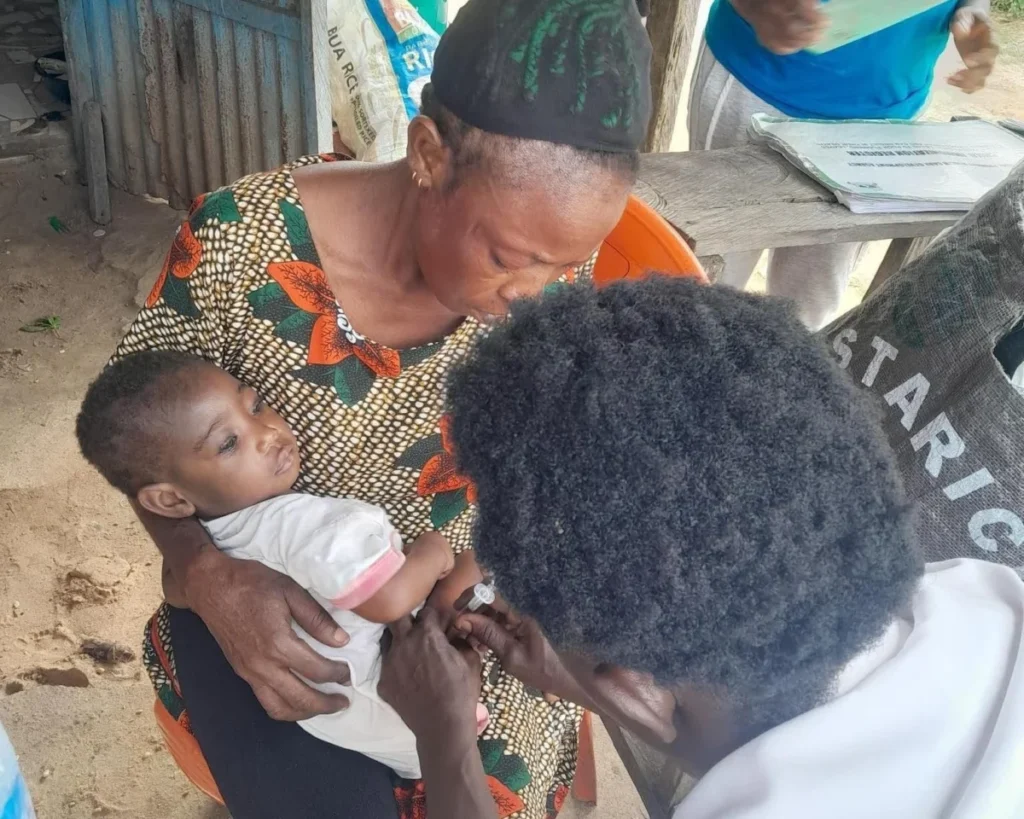
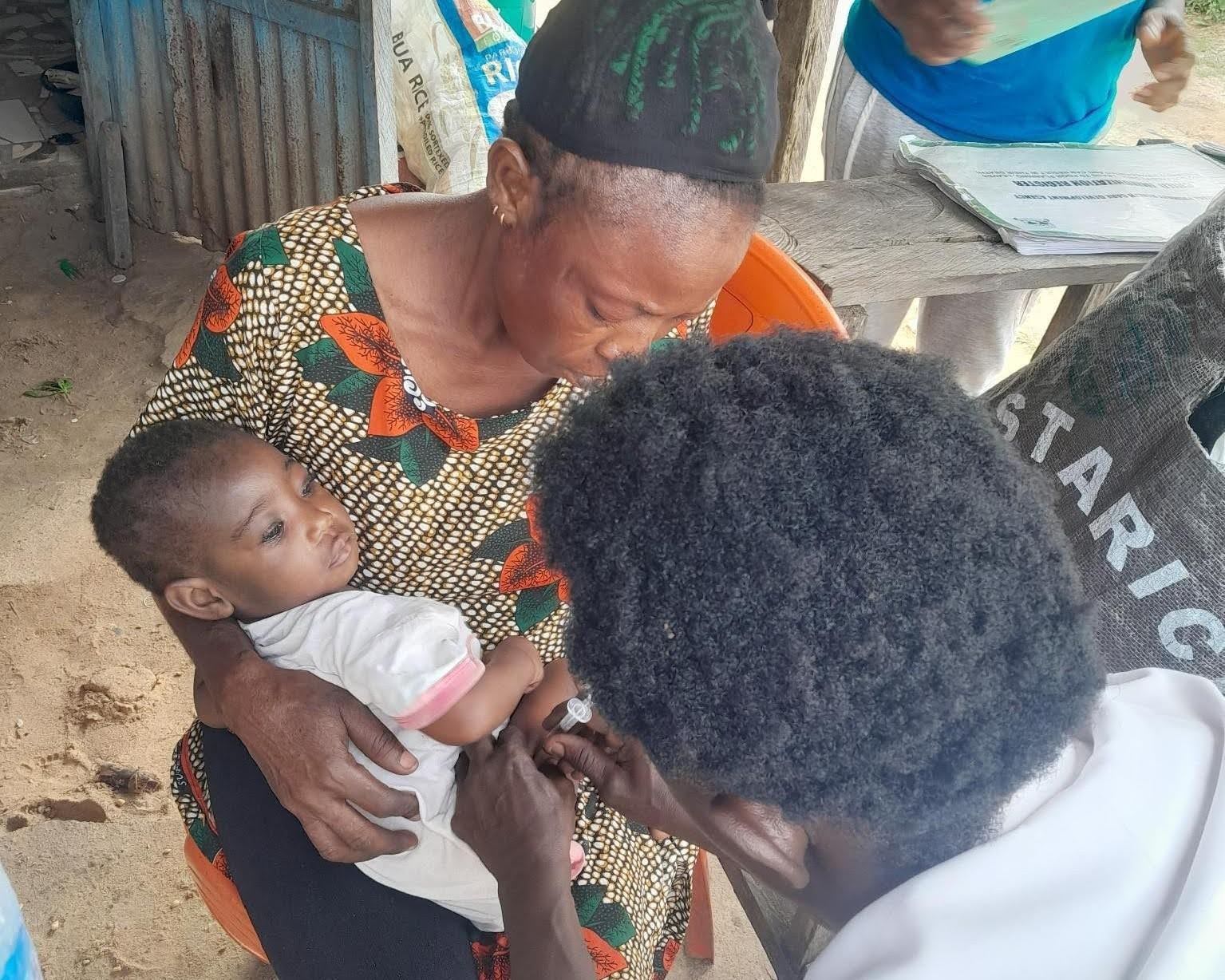
YENAGOA, BAYELSA STATE — For nearly two decades, Mrs. Favour maintained a firm resolve: none of her children would receive a vaccine. Across nineteen years of motherhood, the Yenegwe community resident watched generations of immunization campaigns pass her by. When her youngest child, Rejoice, reached one year of age, she had never received a single dose of any vaccine.
To casual observers, Mrs. Favour’s stance might have been categorized as stubborn resistance or willful neglect. But beneath her refusal lay a deeply human foundation—fear.
That longstanding mistrust, rooted in a terrifying early parenting experience, finally dissolved on a single morning in June 2026. Through an empathetic conversation during a local health outreach session, the narrative shifted. Baby Rejoice received a battery of life-saving immunizations, marking a critical victory in Nigeria’s ongoing public health battle to reach zero-dose children.
This is the story of how respectful dialogue, targeted community mobilization, and resilient local health systems are turning hesitancy into acceptance across Bayelsa State.
Main Facts: The Reality of Zero-Dose Children and Vaccine Hesitancy
The global public health community recognizes "zero-dose children"—those who have not received even a single dose of the diphtheria, tetanus, and pertussis (DTP) vaccine—as some of the most vulnerable populations on earth. They bear the brunt of vaccine-preventable diseases, driving morbidity and mortality rates in developing regions. In Nigeria, despite sustained efforts by governmental bodies and international partners, reaching every child remains a logistical and sociological challenge.
The barriers to immunization are rarely logistical alone; they are frequently psychological. Mrs. Favour’s story exemplifies this reality.
- The Catalyst for Fear: Years prior, Mrs. Favour’s firstborn child experienced severe fever, restlessness, and intestinal distress shortly after receiving a routine childhood vaccination. Although the child ultimately recovered, the traumatic episode left an indelible psychological scar.
- The Information Void: Without professional reassurance or an explanation of Adverse Events Following Immunization (AEFI), Mrs. Favour generalized that single frightening experience to all vaccines, concluding that immunization was inherently dangerous.
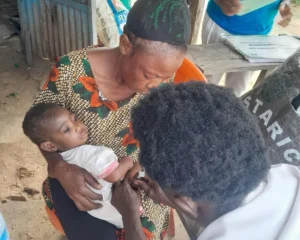
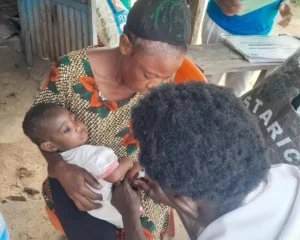
- The Breakthrough: On June 10, 2026, an outreach session conducted by the Yenegwe Primary Health Center—with vital support from JSI (John Snow, Inc.)—identified one-year-old Rejoice as a zero-dose child.
- The Intervention: Esogenwune Nwabueze, a JSI Bayelsa State advocacy, communication, and social mobilization (ACSM) officer, engaged Mrs. Favour not with coercion, but with active listening, empathy, and evidence-based counseling.
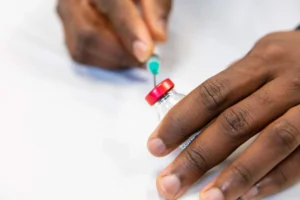
- The Result: Baby Rejoice received six life-saving vaccines in a single visit, protecting her against tuberculosis, polio, hepatitis B, diphtheria, pertussis, tetanus, pneumonia, rotavirus, and meningitis. Subsequent tracking ensured she caught up on her missed doses, including malaria prevention antigens.
Chronology of a Breakthrough: From Decades of Doubt to Full Immunization
To understand how a 19-year pattern of vaccine refusal was reversed in a matter of weeks, it is necessary to examine the timeline of events that transformed Mrs. Favour from a skeptical outsider into an advocate for immunization.
1. The Genesis of Distrust (circa 2007–2025)
Nearly two decades ago, Mrs. Favour’s eldest child suffered an adverse physiological reaction following immunization. In the absence of community health workers who could explain that mild fevers and fussiness are often normal immune responses—or that true adverse events can be safely managed—she formed a conclusion that dictated her family health choices for the next 19 years. She shielded all subsequent children from needles and drops, believing she was protecting them from harm.
2. Identification at the Yenegwe Outreach (June 10, 2026)
The turning point arrived during a routine health outreach program organized by the Yenegwe Primary Health Center, backed by JSI’s technical and logistical framework. Health workers swept through the community to identify missed children. They flagged Baby Rejoice as a zero-dose infant.
Rather than issuing warnings about the legal or health consequences of refusing vaccines, the on-site JSI ACSM officer, Esogenwune Nwabueze, approached Mrs. Favour with open-ended questions. He invited her to share her story.
"After my experience with my first child, who is 19 years old, I refused vaccines for all my children because I believed immunization was dangerous," Mrs. Favour recounted later. "Nobody had explained to me that those reactions could happen and what to do about them. Today, they listened and answered my questions. This gave me the confidence to allow Baby Rejoice to be vaccinated."
3. Immediate Post-Vaccination Care and Home Visits
Recognizing that initial compliance does not guarantee long-term retention—especially for a mother with a two-decade history of mistrust—the intervention did not end at the clinic tent.
The following day, Nwabueze conducted a follow-up home visit to check on Baby Rejoice, monitor for any delayed side effects, and reinforce caregiver confidence. Furthermore, he bridged the administrative gap by sharing Rejoice’s details with the Yenagoa immunization officer and the local health facility team, establishing a safety net of accountability.
4. Overcoming the Follow-Up Hurdle (July 2026)
Despite the successful first visit, the road to complete immunization is rarely linear. Baby Rejoice missed her scheduled follow-up appointment one month later.
Rather than writing off the family as "defaulters," the Yenagoa immunization office activated its tracking mechanism. Officials visited Mrs. Favour at her home, patiently reassuring her that the upcoming antigens were age-appropriate and critical for closing her daughter’s immunity gap. Their persistence paid off: the following month, Baby Rejoice received her remaining missed antigens, including doses of Penta 2, polio 2, rotavirus, and malaria vaccines.
Supporting Data and Systemic Insights: Why Conversations Matter
The case of Baby Rejoice is not an isolated anecdote; it provides a micro-level view of broader epidemiological and behavioral data regarding vaccine delivery in sub-Saharan Africa. Public health researchers have long noted that vaccine hesitancy is driven less by anti-science ideologies in developing nations and more by experiential trauma, rumors, and a lack of institutional transparency.
The Anatomy of Vaccine Hesitancy in Nigeria
- Experiential Trauma: Studies show that parents who witness an adverse event—even a benign fever—without professional context are significantly more likely to default on subsequent immunizations.
- The Power of the First Encounter: Outreach programs that utilize ACSM (Advocacy, Communication, and Social Mobilization) frameworks consistently report higher conversion rates among zero-dose populations compared to passive clinic-based models.
- Defaulter Tracking Efficiency: Systems that couple home visits with inter-agency communication (such as the collaboration between JSI officers and local municipal health boards) drastically reduce the drop-out rate between the first and third doses of pentavalent vaccines.
Esogenwune Nwabueze encapsulated the philosophy driving these data-driven interventions:
"Every caregiver deserves accurate information so they can make informed decisions for their children. Many vaccine refusals are rooted in fear, misinformation, or past experiences. Listening is often the first step toward building trust."
Official Responses: Institutional Commitment to Zero-Dose Reduction
Public health officials across Bayelsa State and federal agencies have pointed to the Yenegwe success story as a blueprint for grassroots mobilization. As Nigeria scales up its strategies to eliminate pockets of unimmunized children, leadership at the state level emphasizes multisectoral collaboration.
Dr. Williams Appah, Executive Secretary of the Bayelsa State Primary Health Care Board, underscored the importance of unified action in achieving universal health coverage:
"No child is beyond reach when communities, health workers, and partners like JSI work together," Dr. Appah stated. "At the Bayelsa State Primary Health Care Board, we remain committed to identifying and reaching every zero-dose and under-immunized child with life-saving vaccines."
The synergy between state authorities, front-line health workers, and international implementing partners creates a robust ecosystem capable of neutralizing fear with facts. By training personnel in empathetic communication, health boards are shifting the cultural perception of immunization from an imposed bureaucratic requirement to an accessible, supportive service.
Implications for Public Health Policy and Future Outreach
The successful vaccination of Baby Rejoice offers several critical takeaways for global health strategists, policy-makers, and community health organizations operating in similar contexts:
1. Shift from Punitive Mindsets to Empathetic Engagement
Historically, health systems have occasionally treated vaccine-hesitant parents with skepticism or bureaucratic rigidity. Mrs. Favour’s 19-year abstention demonstrates that punitive approaches fail. Conversely, active listening disarms fear and validates parental protective instincts, creating a pathway to compliance.
2. Institutionalize Robust Defaulter Tracking
Missed appointments do not automatically signal permanent refusal. As demonstrated by the Yenagoa immunization office’s follow-up visit, proactive tracking systems are essential. When health workers bridge the gap between missed appointments and clinic doors, immunization completion rates rise.
3. Invest in ACSM Officers
Technical medical skills alone are insufficient in communities marred by historical mistrust. The presence of specialized Advocacy, Communication, and Social Mobilization (ACSM) officers—trained to decode community anxieties and translate complex epidemiological concepts into digestible, compassionate advice—is an indispensable asset in the fight against zero-dose communities.
4. Scale Community-Level Partnerships
The collaboration between local primary health centers, state boards, and organizations like JSI proves that resource-sharing accelerates public health goals. By pooling logistics, training modules, and tracking protocols, agencies can penetrate remote or hesitant settlements more effectively.
Conclusion
For nineteen years, a mother’s fear governed the health outcomes of her household, locked away behind a barrier of unanswered questions and unaddressed trauma. Today, because a health worker took the time to listen, one-year-old Rejoice is shielded against a spectrum of debilitating and fatal diseases.
As Bayelsa State and its partners continue their relentless pursuit of zero-dose and under-immunized children, the lesson from Yenegwe remains clear: vaccines save lives, but empathy opens the door.