Bridging the Gap: How Empathy, Dialogue, and Community Tracking Turn Vaccine Hesitancy into Lifesaving Action in Nigeria
Introduction: The Power of a Single Conversation
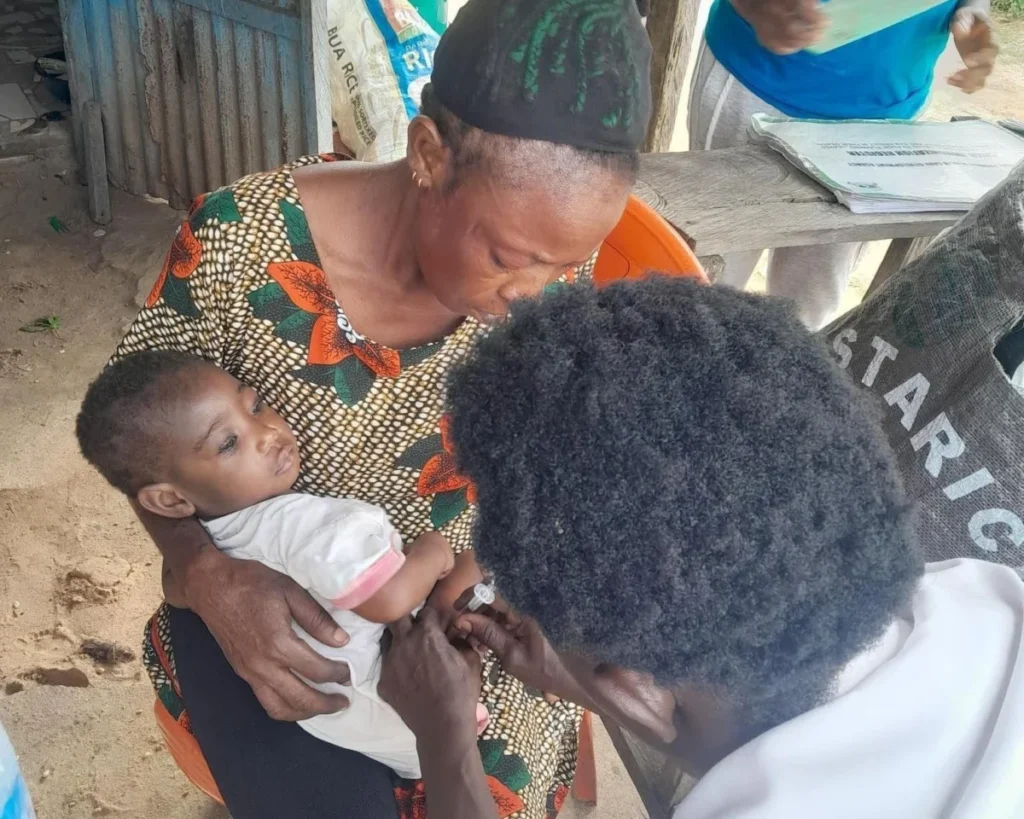
For nearly two decades, Mrs. Favour, a resident hairdresser and mother living in the Yenegwe community of Nigeria’s oil-rich Bayelsa State, stood firm on a deeply personal conviction: she refused to vaccinate her children. As the years passed and her family grew to five children, her youngest, a baby named Rejoice, reached her first birthday having never received a single immunization. To public health officials, Rejoice was classified as a "zero-dose" child—a stark representation of the hardest-to-reach populations who slip through the cracks of routine healthcare delivery systems.
Mrs. Favour’s long-standing mistrust was not born out of defiance or negligence, but out of a very real, unprocessed fear. Years earlier, her firstborn—now 19 years old—suffered a harrowing post-vaccination reaction that included a high fever, extreme restlessness, and severe intestinal distress. Although the child eventually recovered, the traumatic episode left an indelible mark on the young mother. Without guidance, counsel, or follow-up from the health system, she drew a definitive conclusion: immunizations were dangerous.
For nearly twenty years, that single unaddressed fear dictated the health trajectory of her household. That is, until a routine outreach session on June 10, 2026, transformed her perspective through the simplest and most powerful tool in public health: an empathetic, non-judgmental conversation.
Main Facts: The Anatomy of Zero-Dose Vulnerability in Nigeria
The challenge of zero-dose children—infants who have never received any routine vaccines—remains a critical public health hurdle across parts of Sub-Saharan Africa, including Nigeria. These children are exponentially more vulnerable to vaccine-preventable diseases (VPDs) such as tuberculosis, polio, hepatitis B, diphtheria, pertussis (whooping cough), tetanus, pneumonia, rotavirus, and meningitis.
The intervention that changed Baby Rejoice’s life was executed by the Yenegwe Primary Health Center, operating with vital technical and logistical support from John Snow, Inc. (JSI), a global public health organization dedicated to strengthening health systems. During their community outreach, health workers identified Baby Rejoice as a zero-dose child.
Rather than confronting Mrs. Favour with bureaucratic mandates or scolding her for her long-standing refusals, the JSI Bayelsa State Advocacy, Communication, and Social Mobilization (ACSM) officer, Esogenwune Nwabueze, approached her with active listening and profound respect. He recognized that vaccine hesitancy is rarely malicious; instead, it is frequently rooted in unaddressed trauma, misinformation, and real fear.
By patiently explaining Adverse Events Following Immunization (AEFI)—clarifying that common reactions like mild fevers do not necessarily signal a dangerous product failure, but often represent the body’s immune response—the officer demystified the science. He provided concrete guidance on common reactions, danger signs to watch out for, and actionable steps caregivers can take when a child experiences post-vaccination discomfort.
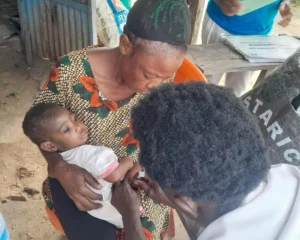
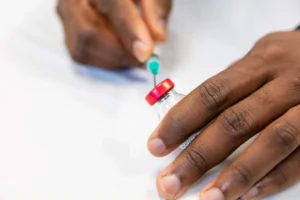
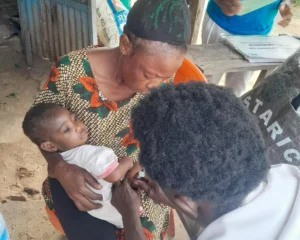
Armed with accurate information, clear facts, and genuine reassurance, Mrs. Favour made an informed choice. Baby Rejoice received six life-saving vaccines in a single visit, marking a monumental turning point for a family that had shunned the immunization grid for almost two decades.
Chronology: The Journey from Hesitancy to Full Immunization
The path from deep-seated distrust to complete immunization acceptance is rarely a straight line. It requires sustained commitment, trust-building, and rigorous follow-up mechanisms. The timeline of Baby Rejoice’s vaccination journey illustrates the complex interplay between community outreach, frontline counseling, and persistent tracking systems.
Phase 1: Two Decades of Avoidance
For 19 years, Mrs. Favour maintained her strict anti-vaccine stance. Following the frightening physical reaction experienced by her eldest child, she actively avoided local health facilities during immunization drives, convincing herself that protecting her children meant keeping them away from needles and drops. No healthcare worker had ever sat down with her to explain the biological mechanisms behind post-vaccination side effects, leaving her isolated in her fear.
Phase 2: The Breakthrough Outreach (June 10, 2026)
During a localized health outreach conducted by the Yenegwe Primary Health Center with JSI’s backing, outreach workers flagged one-year-old Rejoice as completely unvaccinated. ACSM Officer Esogenwune Nwabueze stepped in to bridge the chasm. He listened to Mrs. Favour recount her 19-year-old trauma without interruption or judgment. He detailed what AEFIs are, how to manage minor fevers, and why immunization remains the safest shield against childhood killers. Convinced by the transparency and empathy of the exchange, Mrs. Favour consented. Baby Rejoice received her initial cluster of six vital antigens.
Phase 3: Immediate Reinforcement and Home Visits
Recognizing that first-time vaccine acceptors are at high risk of defaulting on subsequent doses due to lingering anxiety, Nwabueze went a step further. He conducted a follow-up home visit the very next day to check on Baby Rejoice, answer any lingering questions, and reinforce maternal confidence. He then integrated Rejoice’s case files into the official records of the Yenagoa immunization officer and the local health facility team, establishing a safety net for future visits.
Phase 4: Overcoming the Missed Appointment
Despite these robust efforts, the journey hit a temporary snag. Baby Rejoice missed her scheduled follow-up appointment one month later. In many health systems, this absence would mark the permanent loss of a client to follow-up. However, because Nwabueze had already linked the case with the Yenagoa immunization office, the system sprang into action.
Health workers visited Mrs. Favour at her home, patiently reassuring her that the next round of vaccines was entirely age-appropriate and critical for closing her daughter’s immunity gap. Their persistence paid off. The following month, Baby Rejoice returned to the clinic to receive her remaining missed antigens—including subsequent doses of Penta 2, polio 2, rotavirus, and a newly introduced malaria antigen.
Supporting Data and Voices from the Ground
The success in Bayelsa State highlights the operational reality that reaching zero-dose children requires far more than cold-chain logistics and vaccine supplies; it demands human-centered communication strategies.
Reflecting on the breakthrough, Mrs. Favour shared her transformation candidly:
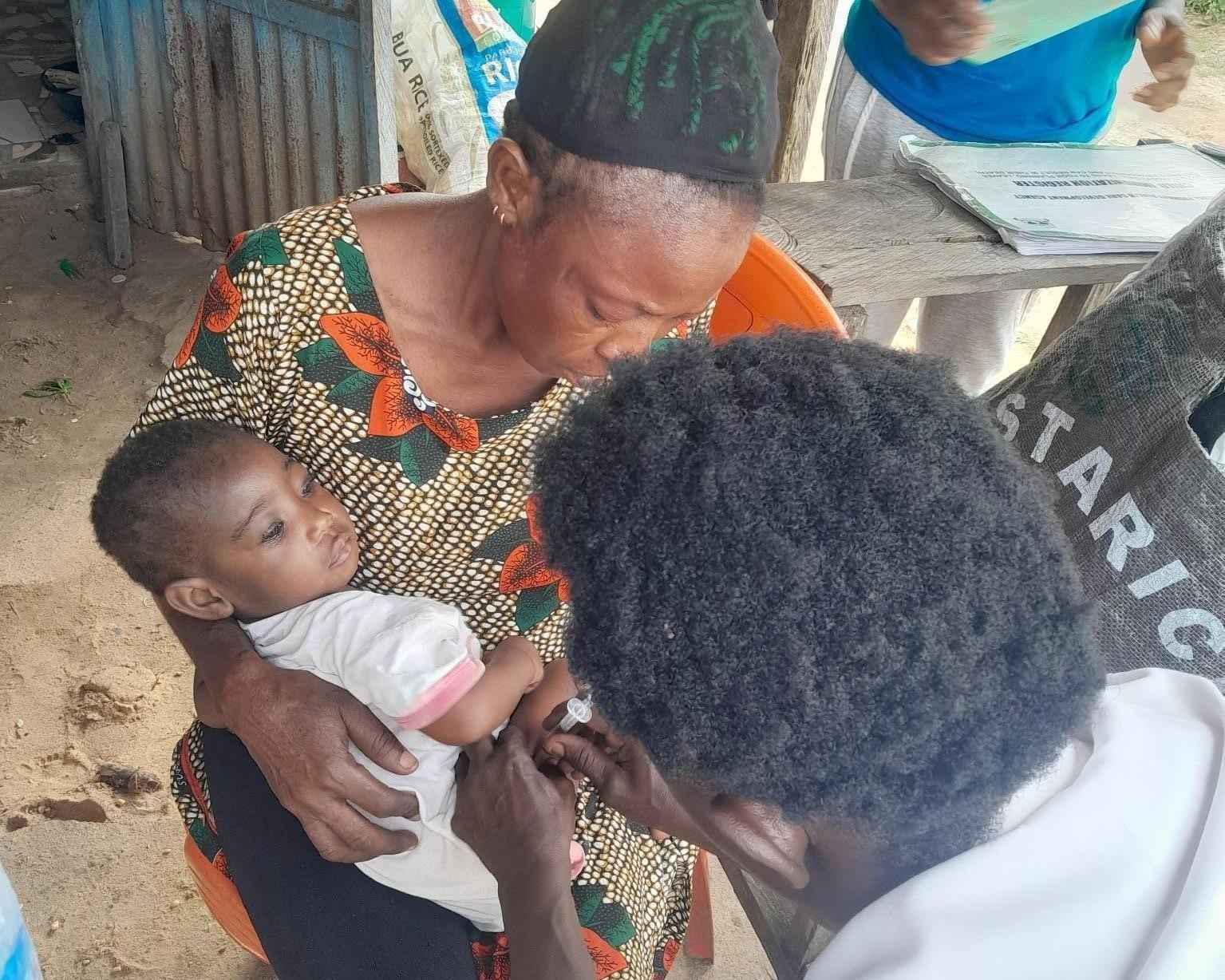
"After my experience with my first child, who is 19 years old, I refused vaccines for all my children because I believed immunization was dangerous. Nobody had explained to me that those reactions could happen and what to do about them. Today, they listened and answered my questions. This gave me the confidence to allow Baby Rejoice to be vaccinated."
Her testimony underscores a central tenet of modern public health advocacy: compliance is born of clarity, not coercion.
Esogenwune Nwabueze, the JSI Bayelsa ACSM officer at the center of the dialogue, emphasized the philosophy guiding his work:
"Every caregiver deserves accurate information so they can make informed decisions for their children. Many vaccine refusals are rooted in fear, misinformation, or past experiences. Listening is often the first step toward building trust."
Nwabueze’s approach exemplifies the "social mobilization" pillar of primary healthcare, where community workers act as cultural translators, turning clinical jargon into accessible, reassuring concepts for parents.
Official Responses and Institutional Commitments
At the systemic level, the case of Baby Rejoice has served as a powerful case study for regional health authorities aiming to optimize their outreach strategies. Dr. Williams Appah, Executive Secretary of the Bayelsa State Primary Health Care Board, underscored the broader institutional commitment required to sustain such victories:
"No child is beyond reach when communities, health workers, and partners like JSI work together. At the Bayelsa State Primary Health Care Board, we remain committed to identifying and reaching every zero-dose and under-immunized child with life-saving vaccines."
Dr. Appah’s remarks point to an essential administrative truth: institutional resilience depends on multi-sectoral collaboration. By aligning state health boards, primary healthcare centers, and international development partners like JSI, regions can pool resources to map zero-dose populations more effectively.
Furthermore, the intervention demonstrates that health infrastructure must incorporate built-in accountability mechanisms for defaulter tracking. When Baby Rejoice missed her one-month follow-up window, the system did not passively wait for her return; it actively pursued her. This proactive stance is what separates thriving immunization programs from stagnant ones. Clear lines of communication between state mobilization officers, municipal immunization coordinators, and frontline facility staff ensure that no child falls permanently through the cracks simply because they missed a single date on a calendar card.
Implications: Lessons for Global Immunization Strategies
The narrative unfolding in Bayelsa State holds profound implications for public health initiatives across Nigeria, Africa, and the wider global health community. As governments and international organizations strive to meet ambitious immunization targets—such as those outlined in the Immunization Agenda 2030 (IA2030)—the case of Mrs. Favour and Baby Rejoice offers a blueprint for overcoming persistent systemic barriers.
1. Reframing Hesitancy as a Communication Deficit
For decades, public health campaigns often treated vaccine hesitancy as an ignorant rejection of science, deploying top-down educational campaigns that lectured populations rather than listening to them. The Yenegwe intervention proves that when hesitancy is re-framed as an information deficit born of real trauma, the remedy shifts from enforcement to engagement. Active listening disarms fear far more effectively than statistical pamphlets.
2. The Critical Need for Defaulter Tracking Systems
Initial uptake is only half the battle. As demonstrated by Baby Rejoice’s missed second appointment, families caught in cycles of hesitancy remain fragile and prone to dropping out of the schedule. Robust defaulter-tracking protocols—supported by localized home visits and inter-agency communication—are non-negotiable for ensuring that partial immunization transforms into full protection.
3. Investing in ACSM Officers as Frontline Mediators
Often underfunded and undervalued relative to cold-chain technicians and clinicians, Advocacy, Communication, and Social Mobilization (ACSM) officers are the human glue that holds immunization campaigns together. Equipping these officers with training in empathy, psychological first aid, and culturally sensitive counseling yields high returns on investment, converting entire households—and by extension, communities—from skeptics into advocates.
4. Sustaining Partnerships for Lasting Impact
The synergy between local health boards, primary health facilities, and global partners like JSI creates a multi-layered safety net for vulnerable children. When international expertise aligns with local administrative leadership and grassroots community knowledge, even communities with generations of ingrained skepticism can be successfully integrated into the public health fold.
Conclusion: A Future Secured Through Trust
Today, Baby Rejoice stands as a living testament to the fact that no community is entirely unreachable, and no parent’s mind is permanently closed to reason, provided the approach is grounded in empathy and respect. What began as a 19-year legacy of fear and avoidance in a Bayelsa household was systematically dismantled through a single afternoon of respectful conversation and sustained institutional care.
As health workers across Nigeria continue their relentless sweep to uncover and protect zero-dose children, the story from Yenegwe community serves as both a beacon of hope and a practical guide. By pairing life-saving science with human compassion—and backing up outreach with rigorous, accountable follow-up systems—public health agencies can systematically close immunity gaps, one child, one family, and one conversation at a time.