Kaʻiulani Elementary: A Tapestry of Tradition Weaves Through Honolulu’s Promotion Ceremony
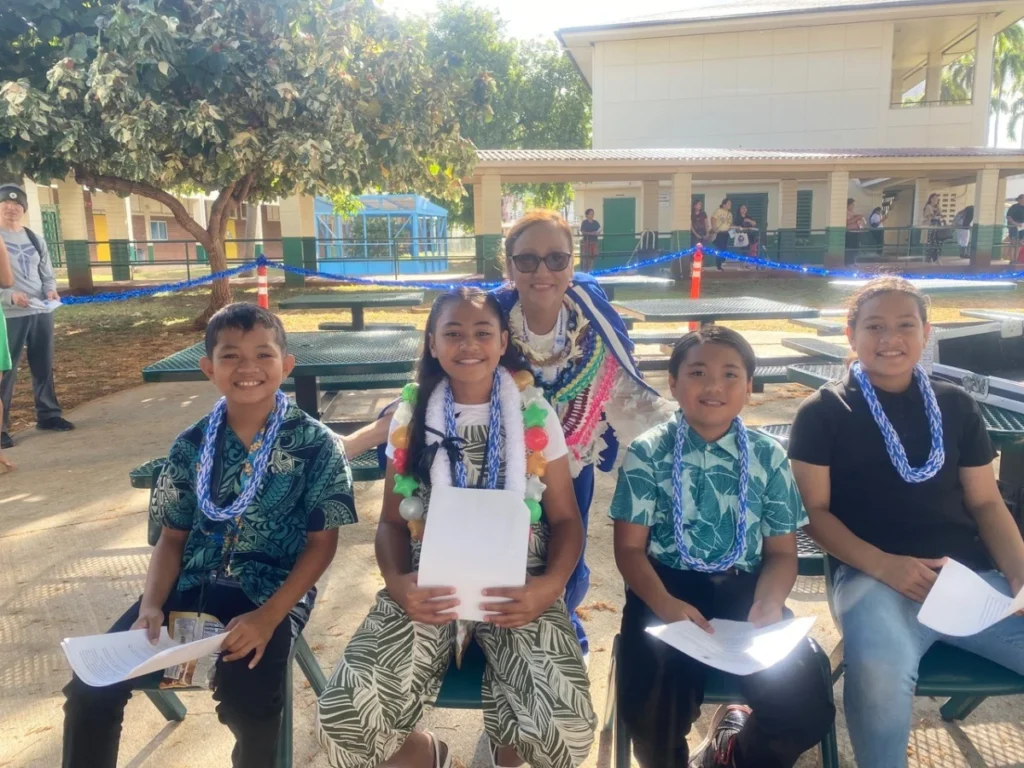
HONOLULU, HI – As the academic calendar for the 2025-26 school year draws to a close for many institutions operating on an August-to-June schedule, the vibrant community at Kaʻiulani Elementary School in Honolulu, Hawaii, is already deep in preparations for its much-anticipated promotion ceremony. Far from a mere formality, this annual event transcends a typical graduation, evolving into a profound celebration that seamlessly intertwines Hawaiian history, cherished cultural practices, and the deep-rooted spirit of ‘ohana (family).
Under the leadership of Principal Bebi Davis, Kaʻiulani Elementary is meticulously crafting an experience that promises to be a memorable crescendo for its graduating fifth-grade class. The ceremony, slated to feature a unique blend of historical reverence, the graceful artistry of hula, and the sweet indulgence of chocolate haupia pie, stands as a testament to the school’s commitment to honoring its heritage while fostering a strong sense of community. It serves not only as a transition point for its young learners but also as a powerful demonstration of how cultural immersion can enrich educational milestones.
A Deep Dive into Kaʻiulani Elementary’s Legacy
Kaʻiulani Elementary School carries a name steeped in profound Hawaiian history, a legacy it actively embraces and celebrates. The institution is named for Princess Kaʻiulani, a pivotal figure in Hawaiian history whose unwavering spirit and dedication continue to inspire generations.
The Enduring Spirit of Princess Kaʻiulani
Princess Victoria Kaʻiulani Kalaninuiahilapalapa Kawekiu i Lunalilo Cleghorn was not merely a royal figure; she was a fervent activist and a symbol of resilience during one of the most tumultuous periods in Hawaiian history. Born in 1875, she was the niece of King Kalākaua and heir presumptive to the throne of the Hawaiian Kingdom. Her life, though tragically cut short at the age of 23, was marked by an extraordinary commitment to her people and their sovereignty.
During the late 1890s, as foreign interests and political machinations intensified, leading to the illegal overthrow of the Hawaiian Kingdom, Princess Kaʻiulani emerged as a powerful voice for her nation. Despite her youth, she embarked on a diplomatic mission to the United States and Europe, using her remarkable eloquence, intelligence, and grace to plead for the restoration of the monarchy and the rights of her people. Her appeals to President Grover Cleveland and the American public highlighted the injustice of the annexation movement, earning her international sympathy, though ultimately unable to reverse the course of history.
Her efforts, characterized by profound dignity and a steadfast belief in justice, left an indelible mark. Kaʻiulani Elementary School, established in 1899, the very year of her untimely death, was named in her honor, ensuring that her legacy of courage, diplomacy, and fierce love for Hawaii would forever be etched into the fabric of its educational mission. The school’s commitment to cultural preservation and community engagement directly reflects the values for which Princess Kaʻiulani stood, transforming a historical namesake into a living, breathing inspiration for its students.
Kaʻiulani Elementary: A Pillar of Community and Culture
Since its founding in the waning years of the 19th century, Kaʻiulani Elementary has grown to become more than just a school; it is a vital cultural touchstone within the Honolulu community. Nestled in the heart of Hawaii’s capital, the school serves as a beacon for perpetuating Hawaiian traditions and fostering a strong sense of identity among its young learners. The emphasis on ‘ohana—the extended family concept that encompasses blood relatives, friends, and community—is palpable in every aspect of school life, particularly evident in the planning and execution of its promotion ceremony.
The school environment, set against the unique backdrop of Hawaii, naturally lends itself to outdoor celebrations that connect students with the natural beauty of the islands. This connection to place, combined with a deep respect for ancestral practices, shapes an educational philosophy that prioritizes holistic development, cultural literacy, and community stewardship. Kaʻiulani Elementary stands as a living monument to Princess Kaʻiulani’s vision, demonstrating how education can be a powerful vehicle for cultural continuity and communal strength.
Chronology of a Culturally Rich Celebration
The creation of Kaʻiulani Elementary’s distinctive promotion ceremony is a testament to meticulous planning and collective effort, a process that Principal Bebi Davis initiates months in advance to ensure every detail contributes to a truly meaningful experience.
The Planning Phase: From March to May
For the 2025-26 school year, the groundwork for the May ceremony began as early as March. Principal Davis emphasizes that for a smaller school like Kaʻiulani Elementary, this multi-month lead time is crucial, allowing the entire staff to rally together in an "all hands on deck" approach. The planning committee, often comprising a dedicated team of teachers, administrators, and parent volunteers, systematically tackles the myriad logistical and creative elements required for such an elaborate event.
Initial meetings involve brainstorming themes, reviewing the successes and lessons learned from previous years, and delegating responsibilities. Tasks are meticulously assigned: one team might take charge of crafting and distributing invitations, ensuring all families and local dignitaries are informed. Another group focuses on preparing the graduating fifth graders, rehearsing their meles (traditional songs) and hula performances, which are central to the ceremony’s cultural core. Concurrently, logistical teams manage the procurement of celebratory food, coordinate decorations, and arrange for the setup of the outdoor "hula mount." This collaborative, detail-oriented approach ensures that by the time May arrives, every aspect of the promotion ceremony is thoughtfully considered and flawlessly executed, reflecting the deep care and respect the school community holds for this rite of passage.
The Day of Promotion: A Tapestry of Tradition and Joy
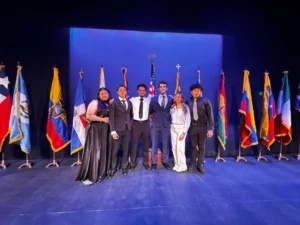
The promotion day itself unfolds as a vibrant tapestry of tradition, community, and youthful achievement. The ceremony is held outdoors, a fitting choice that embraces Hawaii’s natural splendor. The focal point is the "hula mount," a specially designated area that serves as a stage, naturally shaded by the sprawling banyan and majestic palm trees that dot the school grounds. This natural amphitheater sets a serene yet celebratory atmosphere, a stark contrast to more conventional indoor venues.
Rows of chairs are arranged for the graduating students, while parents are encouraged to bring their own chairs and umbrellas, transforming the school grounds into a sprawling, communal gathering space. The presence of local dignitaries, often including a state senator or representative, underscores the event’s importance not just to the school but to the broader Honolulu community.
As the ceremony progresses, each of Principal Davis’s five key strategies for a meaningful celebration comes to life:
- The "Senior Walk": A poignant moment where high school graduates, alumni of Kaʻiulani Elementary, return in their caps and gowns. They create a pathway, offering high-fives and words of encouragement to the departing fifth graders, bridging generations and inspiring future aspirations.
- Food Makes Everyone Feel Welcome: Post-ceremony, the air fills with the aroma of pupus (finger foods) and the promise of sweet treats like chocolate haupia pie. This communal feast, often fueled by a strategic Costco run orchestrated by the cafeteria manager, encourages families and teachers to relax, "talk story," and deepen their connections.
- Make It Beautiful: The outdoor setting is further enhanced by thoughtful decorations. Balloons, vibrant flowers, and homemade signs, often spearheaded by creative teachers like Melissa Ching, transform the space into a festive wonderland, signaling the special nature of the occasion.
- Honor Tradition: At the heart of the ceremony are the cultural performances. Each class contributes, but the graduating fifth graders hold the significant responsibility of performing meles and hula. These acts are not merely entertainment but profound expressions of storytelling and cultural heritage, connecting students to their ancestors and the rich history of Hawaii.
- Plan Ahead: The seamless execution of these elements is a direct result of the extensive planning that begins months prior. From invitations to cake procurement, every detail is considered, culminating in an event where families linger for hours, sharing stories, taking photos, and savoring the collective memory.
The ceremony at Kaʻiulani Elementary is a meticulously choreographed celebration that honors the past, celebrates the present, and inspires the future, creating an indelible memory for all who participate.
Supporting Data and Best Practices
The success of Kaʻiulani Elementary’s promotion ceremony lies in its innovative blend of tradition and practical strategies, many of which can serve as a blueprint for other educational institutions seeking to enrich their own milestone events.
The "Senior Walk": Bridging Generations
The "Senior Walk" initiative is a powerful example of intergenerational mentorship and community building. Principal Davis and her dedicated staff make an extraordinary effort to track down former Kaʻiulani Elementary students who are now graduating from high school. These alumni, donning their caps and gowns, return to their elementary alma mater, forming an inspiring guard of honor for the departing fifth graders. As the younger students receive their certificates, they pass through a tunnel of high-fives and encouraging words from those who once walked the same halls.
This practice has a profound impact. For the fifth graders, it provides tangible role models, showing them a clear path forward and instilling a sense of belonging to a larger, enduring school community. For the high school seniors, it’s a moment of reflection, allowing them to reconnect with beloved teachers who shaped their early education and to share stories that reinforce the long-term impact of their elementary years. This ritual transforms the ceremony into a living history lesson, demonstrating the full cycle of education and community support.
Culinary Delights: Fostering ‘Ohana Through Food
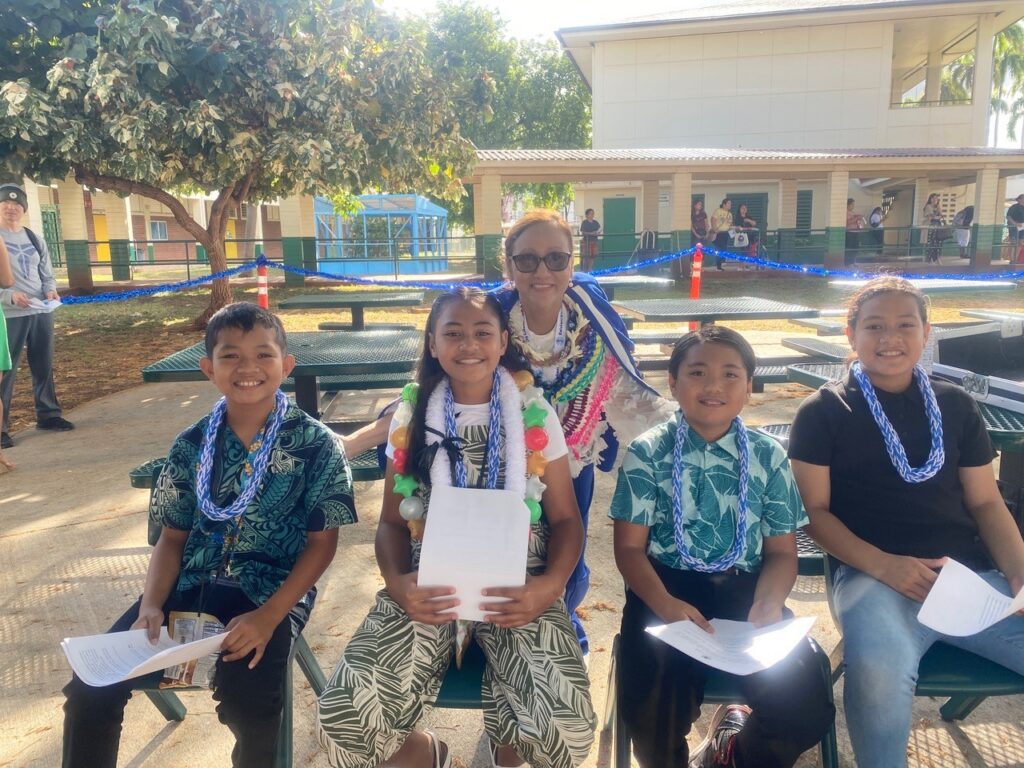
Food plays an indispensable role in Hawaiian culture, acting as a catalyst for gathering, sharing, and strengthening communal bonds. At Kaʻiulani Elementary’s promotion ceremony, the post-event feast of pupus and desserts like chocolate haupia pie is not merely a snack but a vital component of fostering ‘ohana. The cafeteria manager’s "Costco run," funded by a dedicated budget, ensures an abundant spread that invites families to linger, relax, and connect.
Principal Davis wisely notes that even a simple sheet cake can convey the message that "graduation is a celebration." The act of sharing food immediately lowers barriers, encouraging informal conversations and allowing families and teachers to "talk story"—a cherished Hawaiian tradition of sharing anecdotes and experiences. This communal dining experience extends the celebration, turning a formal event into a relaxed family gathering, solidifying the emotional connections forged throughout the school year.
Aesthetics and Atmosphere: Crafting a Memorable Setting
The power of environment in enhancing a celebratory mood cannot be overstated. Kaʻiulani Elementary demonstrates that transforming a space, even an outdoor one, into something visually stunning is an investment that pays dividends in memory and appreciation. Principal Davis credits creative teachers like Melissa Ching for conceptualizing and coordinating the decorative elements.
Balloons, fresh flowers, and thoughtfully crafted homemade signs contribute significantly to the festive atmosphere. These aesthetic touches signal to students and families that this is an important, cherished occasion deserving of special attention. The effort put into making the environment beautiful communicates respect for the students’ achievements and creates a joyful backdrop for photographs and shared moments. It reinforces the idea that the transition from elementary school is a significant milestone worthy of a grand, visually appealing celebration.
Honoring Heritage: Hula and Meles as Storytellers
At the core of Kaʻiulani Elementary’s promotion ceremony is its profound commitment to honoring Hawaiian tradition through performance. Each class participates, but the graduating fifth graders bear the special responsibility of performing meles and hula. Meles are traditional Hawaiian songs or chants, often recounting historical events, legends, or expressing deep emotions. Hula, far more than just a dance, is a sophisticated form of storytelling through movement, gesture, and chant, embodying the rich cultural narratives of Hawaii.
By tasking the graduating class with these performances, the school does more than entertain; it actively engages students in cultural preservation and identity formation. The children become living conduits of their heritage, connecting with their ancestors and the broader Hawaiian narrative through their art. This deep immersion in history and culture ensures that every participant, from students to dignitaries, feels a profound sense of connection to the land, the people, and the enduring spirit of Hawaii. It elevates the ceremony beyond a simple academic acknowledgment to a powerful affirmation of cultural pride and continuity.
Official Responses and Expert Commentary
The distinct approach taken by Kaʻiulani Elementary in its promotion ceremony has garnered widespread appreciation, reflecting a philosophy championed by its leadership and embraced by the community.
Principal Davis’s Vision and Philosophy
Principal Bebi Davis articulates a clear and compelling vision for the school’s promotion ceremony. She firmly believes that meaning and engagement do not have to be sacrificed for the sake of efficiency, even when working with young children. "When you have so many young children, you may think you have to forego meaning just to keep things moving," Davis explains, "but I haven’t found that to be the case. Instead, we honor our heritage and our history with a celebration that makes everyone feel connected and engaged."
Her leadership is instrumental in embedding culture and history into every aspect of the school’s life, and particularly into this significant rite of passage. Davis views the extensive planning—starting in March for a May event—not as a burden but as a worthy investment. "It’s a lot of work but it’s so beautiful," she asserts. "It may take hours to make it that way, but it’s so worth it to see our students and families enjoy it." Her dedication ensures that the ceremony is not just a logistical exercise but a heartfelt expression of cultural pride and communal joy.
Community and Dignitary Perspectives
The unique qualities of Kaʻiulani Elementary’s promotion ceremony resonate deeply within the broader community and among local leadership. State senators and representatives, who are often invited guests, frequently commend the school for its commitment to cultural preservation and community engagement. "Events like this at Kaʻiulani Elementary are vital," remarked a hypothetical local representative, "They not only celebrate our young students’ achievements but also reinforce the invaluable cultural heritage of Hawaii. It’s inspiring to see these traditions passed down with such care and pride."
Parents consistently express profound appreciation for the culturally rich nature of the ceremony. "It’s more than just a graduation," shared a parent whose child participated last year. "It’s a celebration of who we are, where we come from. Seeing my child perform hula and reconnect with older students who came before them gives them such a strong sense of identity and belonging. It’s truly an ‘ohana experience." Teachers, too, voice their satisfaction, noting how the "Senior Walk" inspires younger students and how the cultural performances deepen their connection to their students’ heritage. This collective affirmation underscores the enduring value of Kaʻiulani Elementary’s approach.
Broader Implications and Adaptability
The Kaʻiulani Elementary model offers valuable insights for schools everywhere, demonstrating how local culture and community spirit can transform standard events into deeply meaningful experiences.
A Model for Meaningful Transitions
Kaʻiulani Elementary’s promotion ceremony stands as a compelling model for other schools seeking to create more meaningful transitional events for their students. While not every school may have the specific cultural heritage of Hawaii, the underlying principles are universally applicable:
- Honoring Heritage: Identify and integrate local history, unique community traditions, or the diverse cultures represented within the student body. This could involve local folk dances, historical reenactments, or multilingual performances.
- Engaging Community: Actively involve alumni, local leaders, and parent volunteers. Creating opportunities for intergenerational interaction strengthens bonds and provides inspiration.
- Celebrating Achievement: Frame the event as a significant milestone, worthy of special attention and celebration, ensuring students feel truly recognized for their progress.
- Creating Lasting Memories: Invest in elements that make the event aesthetically pleasing and personally resonant, ensuring it becomes a cherished memory for students and families alike.
By adapting these core tenets, any school can move beyond generic ceremonies to create events that truly reflect and celebrate their unique identity and values.
The Enduring Impact on Students and Families
The long-term benefits of Kaʻiulani Elementary’s approach extend far beyond the day of the ceremony. For the students, participating in such a culturally rich event instills a profound sense of identity and pride in their heritage. The "Senior Walk" provides tangible inspiration, showing them what lies ahead and connecting them to a continuous chain of learners. This sense of belonging to a larger school ‘ohana fosters confidence and a strong foundation for future academic and personal growth.
For families, the ceremony strengthens the bond with the school and reinforces community cohesion. The communal aspect—sharing food, "talking story," and lingering for hours after the formal proceedings—transforms a school event into a cherished family and community gathering. As Principal Davis noted, "Last year, families stayed for about two hours after promotion ended, just talking story, taking photos, and eating. It will be a special memory for all who were part of it." These shared experiences create indelible memories, fostering a deeper connection to the school and a lasting appreciation for their cultural roots.
Investing in Tradition: A Blueprint for School Leadership
Ultimately, Kaʻiulani Elementary’s promotion ceremony serves as a powerful blueprint for school leadership on the importance of investing in tradition and community. It underscores that while the work involved in orchestrating such an event is substantial, the returns—in terms of student engagement, cultural pride, community cohesion, and lasting memories—are immeasurable.
Principal Bebi Davis’s steadfast belief that this effort is "so worth it" encapsulates a vital lesson for educational institutions everywhere. By prioritizing cultural relevance, fostering strong community ties, and meticulously planning events that honor both history and individual achievement, schools can transform simple rites of passage into profound celebrations that resonate deeply with students, families, and the broader community for years to come. The legacy of Princess Kaʻiulani, imbued in every aspect of the school’s promotion ceremony, continues to inspire a holistic and culturally rich approach to education, setting a shining example for others to follow.