Less is More: What U.S. Educators Can Learn From Denmark’s Human-Centric School System

By Educational Policy & Practice Desk
Published: June 2026
Main Facts
When comparing educational models globally, the United States school system is frequently measured against the high-performing programs of Northern Europe. Yet, too often, these cross-cultural examinations focus strictly on test scores, spending per pupil, or sweeping governmental overhauls.
A recent expert interview sheds light on a different, more sustainable approach: shifting the educational paradigm through subtraction rather than addition.
Pernille Ripp, an author, literacy advocate, and long-time educator who relocated from the United States to her native Denmark, offers a groundbreaking perspective on modern schooling. Having taught within both systems, Ripp highlights that Denmark’s educational success does not rely on a dizzying array of expensive programs, mandatory check-boxes, or hyper-scripted lesson plans. Instead, the Danish model is built upon systemic professional trust, student autonomy, purposeful pacing, and a commitment to treating school as a humane, enriching environment for both children and adults.
The core takeaway for U.S. educators is striking: systemic improvement does not necessarily require additional funding or newly minted federal mandates. Rather, it requires a deliberate paring down of unrealistic expectations, creating a shorter to-do list that allows teachers to teach and students to genuinely develop.
Chronology
To understand the stark contrasts between the two educational environments, it is helpful to look at the professional journey of Pernille Ripp and the structural timelines of both nations:
- Pre-2020 (The U.S. Context): Ripp spent over a decade writing, blogging, and teaching within the American public school system, documenting the joys of literacy alongside the mounting bureaucratic pressures, high-stakes testing culture, and creeping micromanagement placed on educators.
- The Transition to Denmark: Seeking a return to her roots, Ripp moved back to Denmark, transitioning directly into the Danish public school system. This move allowed her to experience firsthand the daily realities of teaching in a culture that approaches pedagogy through a lens of professional autonomy.
- Recent Years: Ripp and educational podcasters began comparing notes on the stark divergence between American and Danish schooling. These informal discussions revealed that while U.S. classrooms are increasingly bogged down by compliance, risk aversion, and constant urgency, Danish classrooms prioritize professional agency, slow learning, and child-centered development.
- Present Day: In a comprehensive synthesis of these transatlantic experiences, educators are now being urged to look past the fatalistic "must be nice, but we could never do that" mindset. Instead, educators are exploring actionable ways to pilot elements of the Danish system within American schools, focusing on micro-subtractions to alleviate burnout.
Supporting Data & Structural Comparisons
A side-by-side examination of the two educational systems reveals fundamental differences in how time, trust, and expectations are distributed:
| Metric / Policy Area | United States Model | Danish Model |
|---|---|---|
| Teacher Autonomy | Highly restricted by scripted curricula, pacing guides, and compliance checklists. | Broad, age-based goals; teachers are trusted professionals who determine their own methods. |
| Weekly Workload | Heavy administrative burdens, endless committee work, and scattered, interruptible prep times. | 40-hour work weeks (approx. 20 hours of direct student contact); dedicated, uninterrupted prep spaces. |
| Substitutes & Sick Leave | Teachers must often write rigorous sub plans while ill; substitute shortages are chronic. | Permanent, building-attached subs who know students and manage their own activity plans. |
| Student Homework | Often heavy, beginning early in elementary school, frequently blurring family time. | Minimal to nonexistent in elementary grades; evenings are reserved for family and play. |
| Grading & Testing | High-stakes testing and formal letter grades begin early in a child’s school career. | Formal grading does not begin until the seventh grade; reading development starts later. |
| Outdoor Play & Risk | Heavily supervised, risk-averse environments with frequent indoor restrictions. | Daily outdoor time in all weather; structured tolerance for physical play and emotional resilience. |
Official Responses & Expert Insights
The Assumption of Professional Competence
In the U.S., teachers frequently report feeling like middle-managers tasked with executing pre-packaged corporate curricula. In contrast, Ripp describes a Danish system that fundamentally respects the expertise of the individual educator.
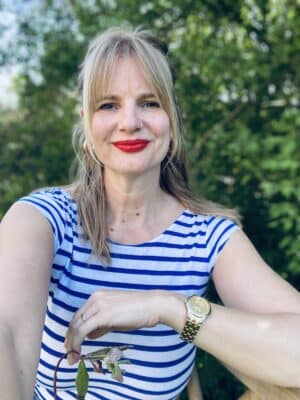
"The system assumes that I know what I’m talking about and that the experience that I have with my students is one that is valid and also valuable," Ripp explains.
Recently, the Danish government dramatically streamlined its national educational goals, reducing a sprawling checklist of hundreds of learning outcomes down to roughly ten broad objectives. Furthermore, educational decisions happen locally at the school level. Teachers do not need to navigate months of committee approvals to pilot a new idea; they confer with colleagues and implement changes swiftly.
Actionable U.S. Adaptation: Schools can begin by treating mandated curricula as a baseline resource rather than an absolute script. Administrators can ask teachers to evaluate current programs, determine necessary local modifications, and test those changes over a six-week trial period without inflating budgets.
Trust Over Control
Micro-management in U.S. schools—ranging from rigid bathroom sign-out sheets to hyper-prescribed transition routines—sends an implicit message of distrust. In Denmark, trust is the baseline default rather than an earned privilege.
Ripp highlights everyday freedoms that would startle many American administrators, such as taking students outside without exhaustive permission forms or boarding public transit to host a class gathering at a teacher’s home.
"There is a huge professional trust in me and it’s given to me until I lose it," notes Ripp. "It’s mine to lose rather than mine to gain."
Actionable U.S. Adaptation: School leadership must intentionally communicate trust to their staffs. By auditing existing field trip policies, sign-out rules, and supervisory constraints, administrators can systematically eliminate unnecessary bureaucratic hurdles that drain teacher energy.
Implications for Students and Classrooms
The benefits of the Danish model extend directly to student well-being, mental health, and academic engagement.
1. Autonomy as a Developmental Tool
Danish children are expected to shoulder personal responsibility early. From packing their own backpacks to organizing materials, students learn through trial and error. Mistakes are treated as organic teachable moments rather than systemic disciplinary failures. American schools, by contrast, often engineer every hallway transition, robbing children of the chance to self-regulate.
2. Physical Regulation and Unstructured Play
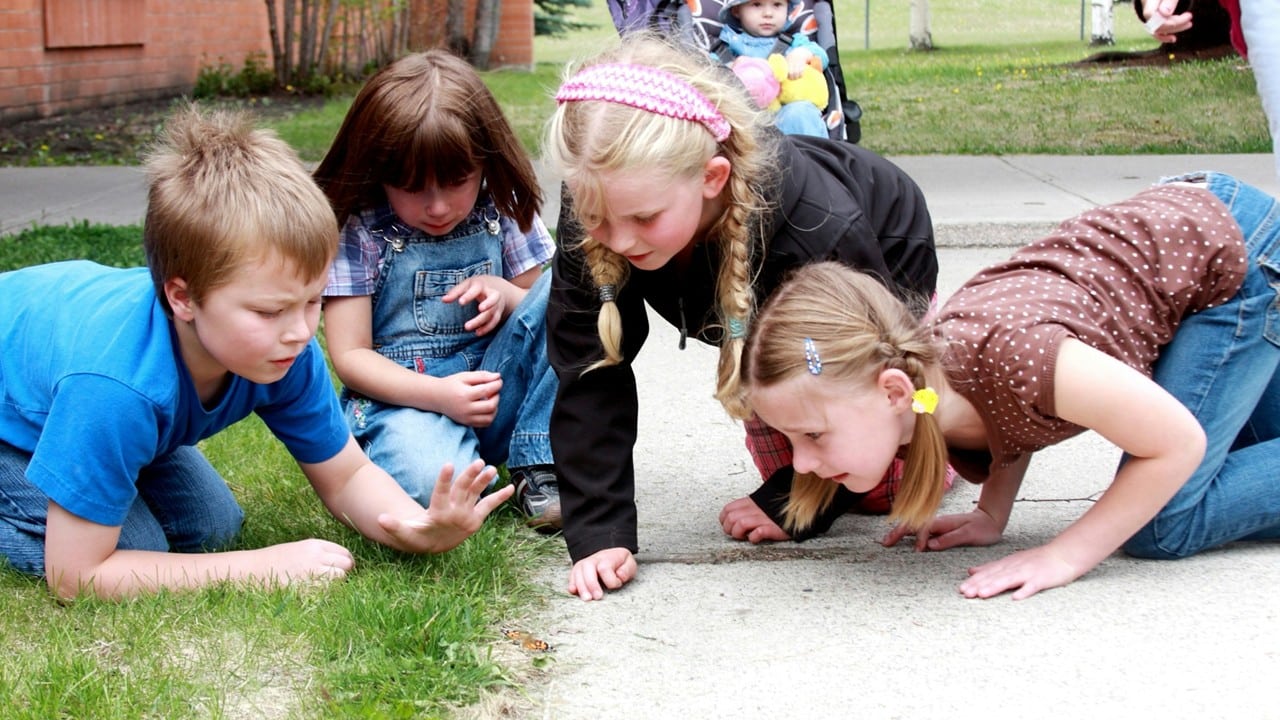
Movement and outdoor play are not viewed as rewards to be earned in Denmark; they are treated as physiological requirements. Children go outside daily, regardless of the weather, and are permitted to engage in vigorous, self-directed play. Schools even accommodate spaces for high-energy play, recognizing that physical regulation helps students settle academically.
3. De-escalating the Pressure Cooker
Academic rigor in Denmark does not rely on a climate of panic. Formal reading instruction does not begin until what corresponds to U.S. second grade, and students do not receive grades until seventh grade. This "fewer things done better" philosophy allows teachers to linger on a unit if students are deeply engaged, without the crushing anxiety of falling behind an arbitrary pacing guide.
Moving Forward: Grace and the Art of "Good Enough"
For American educators trapped in a high-stakes system they cannot instantly redesign, Ripp’s ultimate advice centers on self-compassion and intentional deceleration.
Even in the absence of institutional permission, individual teachers can choose to slow down. By critically auditing their own schedules—effectively imagining they are operating at 80 percent capacity—educators can identify "darlings" to cut from their curriculum, clear out unnecessary noise, and reclaim their professional passion.
Ultimately, any educational system is a human construct, meaning it can always be reshaped by human hands. By embracing a philosophy of subtraction, trust, and human-centric design, U.S. schools can begin to build environments where both teachers and students thrive.