Navigating the Silence: Dr. Katie Hurley Reflects on Three Decades of Suicide Loss, Grief, and the Evolution of Mental Health Advocacy
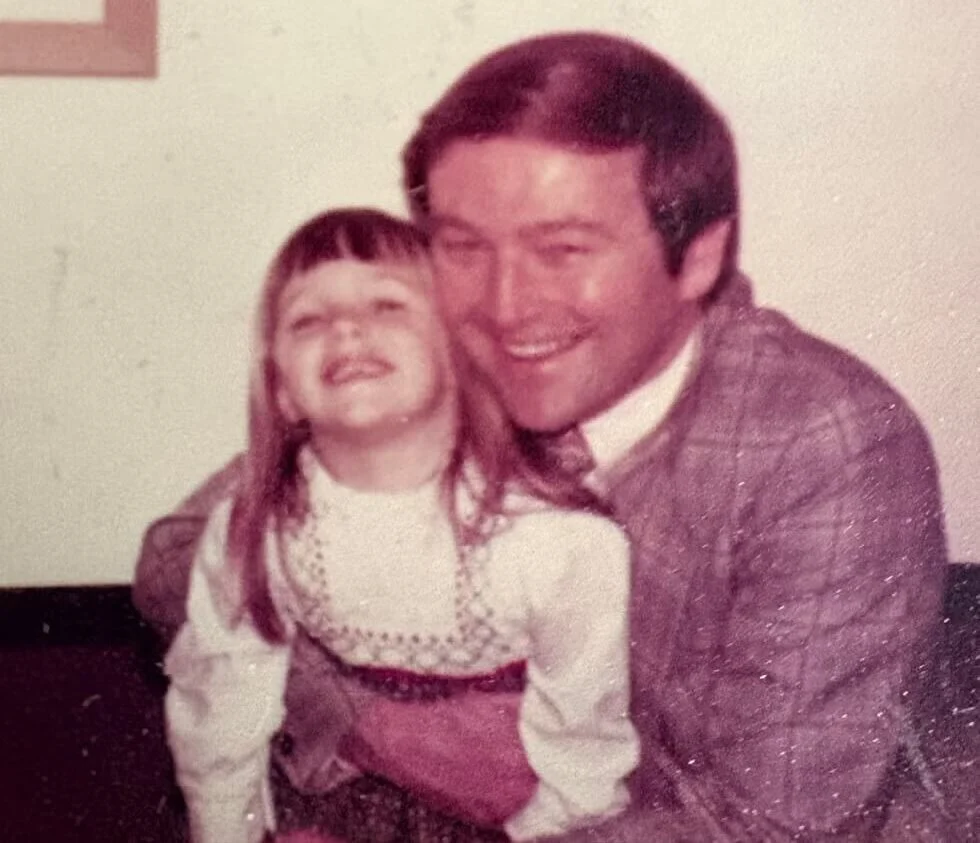
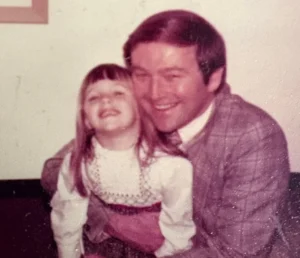
Nearly thirty years after the sudden death of her father, Dr. Katie Hurley has reached a poignant and heavy milestone. Turning 52 this year brought a wave of reflection for the Vice President of Community Initiatives at The Jed Foundation (JED)—not simply because of the passage of time, but because 52 was the exact age her father, Jim Godbout, was when he died by suicide in 1998.
At the time of her father’s death, Hurley was just 23 years old, navigating the rigorous demands of early adulthood while halfway through her master’s degree in social work. Today, she is a mother of two, a practicing therapist, a published author, and a prominent voice in youth and community mental health. Yet, crossing the threshold of the age that defined her family’s greatest tragedy has forced her to confront the lingering echoes of a grief that has evolved alongside her career.
Her story is one of resilience, professional dedication, and a deeply personal mission to change how society speaks about suicide loss, mental health stigmas, and the long, often lonely road of bereavement.
Main Facts: A Lifelong Journey Through Grief and Advocacy
The core of Dr. Hurley’s narrative centers on the intersection of personal trauma and professional expertise. While her credentials as a licensed social worker and mental health advocate equip her with profound insights into human psychology, they do not render her immune to the emotional reverberations of suicide loss.
- The Milestone: Hurley turned 52 in 2026, matching the age of her father when he died nearly three decades prior.
- Professional Background: A mother of two, author, and therapist, Hurley serves as the Vice President of Community Initiatives at The Jed Foundation (JED), a leading national nonprofit dedicated to protecting emotional health and preventing suicide among teens and young adults.
- The Aftermath: Hurley’s experience highlights the pervasive social stigma surrounding suicide in the late 1990s, a period when grieving families often struggled to find language to explain such losses to their communities.
- The Campaign: Hurley shared her vulnerable reflection as part of JED’s International Survivors of Suicide Loss Day campaign, designed to foster community, dismantle stigma, and provide actionable resources for survivors.
Chronology: From a Tragic Loss to Decades of Reflection
To understand Dr. Hurley’s perspective today is to retrace a timeline defined by abrupt disruption, milestones marked by absence, and a slow, intentional reclamation of memory.
1998: The Turning Point
At age 23, Hurley’s life shifted irreversibly. While immersed in her graduate studies in social work, her father, Jim Godbout, died by suicide at 52. The suddenness of the loss plunged her family into an isolating vacuum. In an era where mental health issues were whispered about behind closed doors, finding words to articulate the tragedy felt nearly impossible. Even well-meaning friends and neighbors often lacked the framework to offer sustained comfort.
The Milestones of Absence
Over the next three decades, Hurley experienced the bittersweet realities of life’s major milestones without her father. From her wedding day to the birth of her children, and through personal health battles—including her own experience with cancer—there were countless moments when she instinctively reached for her father, only to be met with the stark reality of his absence.
Even with decades of clinical training under her belt, Hurley admits that she still grapples with the foundational questions that haunted her at 23: Were there signs? Should she have recognized his pain? Could a different action on her part have altered the outcome? Her conclusion, hard-won through years of introspection, is pragmatic and gentle: "We only know what we know." Looking back, she can identify subtle shifts in her father’s behavior that escaped her notice at the time, but she emphasizes that warning signs are rarely transparent, even to professionals.
2026: The 52nd Year and the AFSP Walk
Reaching 52 prompted Hurley to mark the year deliberately. Rather than letting the milestone pass quietly, she gathered her mother and siblings to participate in an American Foundation for Suicide Prevention (AFSP) Out of the Darkness walk. At the event, she addressed the crowd, speaking candidly about the weight of carrying these questions for nearly 30 years and using her platform to normalize the lifelong process of healing.
Supporting Data: Understanding the Landscape of Suicide Loss and Postvention
Dr. Hurley’s personal journey reflects broader, systemic challenges documented by public health researchers studying suicide bereavement and community support structures.
The Isolation of the "Third Week"
One of the most striking observations Hurley shares from her early grief is the phenomenon of diminishing support over time. When her father died, the immediate aftermath brought an influx of traditional support: neighbors and friends brought food, sent condolence cards, and checked in daily. However, within weeks, the external noise faded.
"The hardest part is that third week," Hurley notes. "It’s like everything goes silent."
This observation aligns with clinical research on grief, which indicates that while acute crisis support is often robust immediately following a tragedy, long-term postvention care—support provided to people bereaved by suicide—frequently falls short. Survivors are at a significantly higher risk for complicated grief, depression, and suicidal ideation themselves, making sustained, long-term community presence a vital public health necessity.
The Power of Naming the Dead
According to mental health experts, a primary driver of prolonged isolation among survivors is the phenomenon of avoidance. Friends, colleagues, and extended family members often avoid mentioning the deceased individual out of a misplaced fear that doing so will cause pain or trigger sadness.
Hurley’s advocacy directly challenges this avoidance. She asserts that the opposite is true:
- Saying Names: Uttering the name of a loved one who died by suicide acknowledges their life and validates the survivor’s ongoing bond with them.
- Acknowledging Hardship: Explicitly recognizing that navigating life without that person is difficult provides immense relief to the grieving individual, breaking the stifling silence that often sets in months after a loss.
Official Responses and Campaign Objectives: International Survivors of Suicide Loss Day
Dr. Hurley’s public reflections were released in coordination with The Jed Foundation’s initiatives for International Survivors of Suicide Loss Day—often referred to simply as "Survivor Day." Established by an act of the United States Congress in 1999, Survivor Day is designated as the Saturday before American Thanksgiving, a time when people affected by the suicide of a loved one come together for healing and mutual support.
The Jed Foundation’s Role in Community Resilience
Through her leadership role as Vice President of Community Initiatives at JED, Hurley helps spearhead programs that extend far beyond clinical interventions. JED focuses heavily on building protective factors within high schools, colleges, and communities to reduce suicide risk among youth. However, campaigns like the one featuring Hurley’s story underscore the organization’s holistic commitment to the entire ecosystem of mental health—supporting not only those at risk of suicide but also the families and communities left behind.
Accessing Immediate Resources
Public health organizations continually emphasize that support is available for individuals experiencing crisis or navigating the complex aftermath of loss. JED and other advocacy groups direct individuals to critical lifelines:
-
The 988 Suicide & Crisis Lifeline: Free, confidential support available 24/7 by calling or texting 988 (in the US
and Canada).
- The Crisis Text Line: Text HOME (or HOLA for Spanish-language support) to 741-741 to connect with a live, trained crisis counselor.
- Specialized Survivor Resources: Organizations like the American Foundation for Suicide Prevention (AFSP) and The Jed Foundation offer dedicated portals for survivors to share memories, access toolkits, and find local support groups.
Implications: Changing the Cultural Narrative Around Mental Health
Dr. Hurley’s journey from a grieving 23-year-old graduate student to a nationally recognized mental health leader carries profound implications for how society approaches trauma, healing, and advocacy.
1. De-Stigmatizing the Conversation
The progress Hurley has witnessed over the past three decades is undeniable. In 1998, suicide was frequently shrouded in secrecy, shame, and euphemisms. Today, driven by public figures, clinicians, and advocates sharing their lived experiences, cultural literacy around mental health has expanded dramatically. People are increasingly equipped to speak openly about depression, anxiety, and suicidal ideation without the immediate barrier of social ostracization.
2. Redefining Professional Vulnerability
For decades, traditional medical and therapeutic models encouraged professional detachment, suggesting that clinicians should keep their personal histories strictly partitioned from their professional work. Hurley’s willingness to blend her personal tragedy with her professional expertise models a modern, humanized approach to mental health care. It demonstrates that empathy grounded in shared human suffering can be one of the most powerful tools in therapeutic leadership.
3. Fostering Enduring Community Support
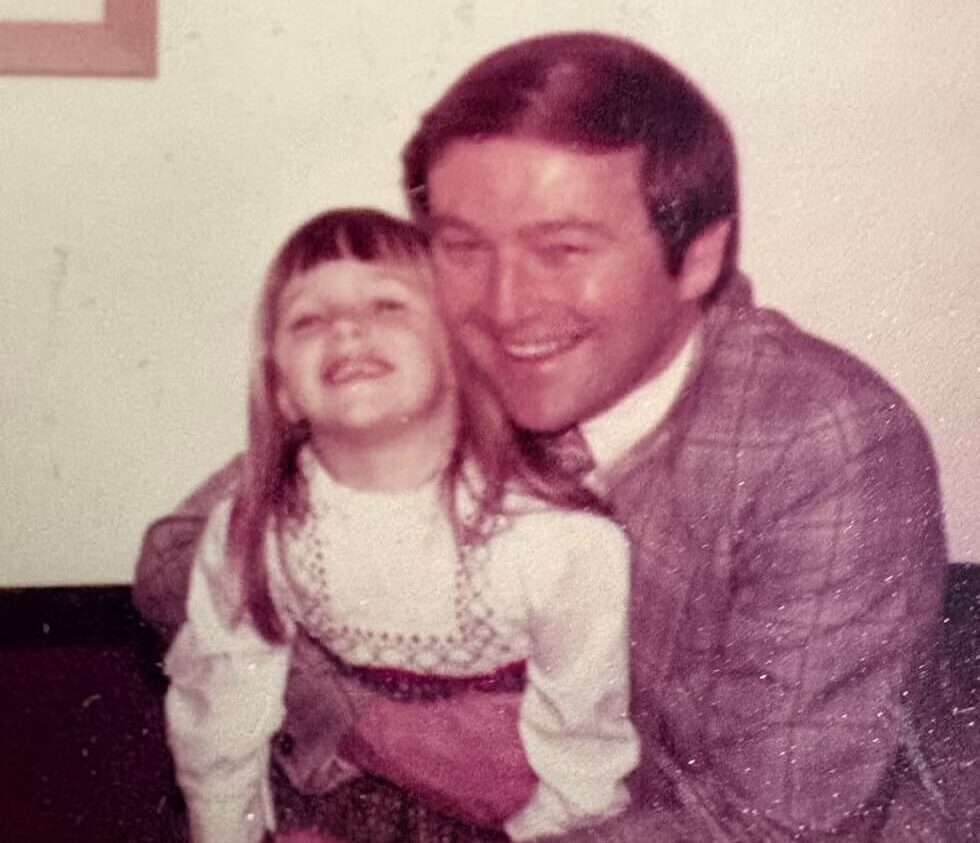
Ultimately, Hurley’s reflections serve as a blueprint for community care. Her memories of her father—such as learning to conquer her fear of his old wooden Chris Craft boat on the Long Island Sound while holding his hand in the wind—remind the world that those lost to suicide were vibrant individuals defined by their lives, passions, and love, not merely by the manner of their passing.
By urging people to keep reaching out long after the funeral flowers have withered and the casseroles have stopped arriving, Dr. Katie Hurley challenges society to move past temporary comfort and toward sustained, compassionate presence. In doing so, she honors her father’s memory and lights a path forward for countless other survivors navigating the quiet spaces of grief.