The Black Friday Revolution: Why STEM Toys Are Taking Center Stage This Holiday Season
The holiday shopping landscape has undergone a seismic shift. For years, the day after Thanksgiving served as the singular, frantic kickoff for the retail season. However, the modern consumer experience has evolved. This year, the focus has pivoted sharply toward a digital-first approach, with retailers launching "Black Friday" savings as early as mid-November. Among the most sought-after categories in this evolving marketplace are Science, Technology, Engineering, and Mathematics (STEM) toys—educational tools that bridge the gap between entertainment and academic development.
The Shifting Retail Paradigm: A Move to Online-Only
Retailers have recognized that the traditional in-store Black Friday frenzy is being replaced by a more sustained, online-driven shopping cycle. By shifting the focus to e-commerce, companies are not only mitigating the logistical challenges of physical crowds but are also catering to a demographic of parents who prioritize convenience and research-backed purchases. This "extended Black Friday" phenomenon allows families to thoughtfully compare educational kits, read reviews, and secure deals on high-quality learning tools without the pressure of a single-day time constraint.
The Growing Importance of STEM Education at Home
The surge in demand for robotics, coding kits, and chemistry sets is not merely a trend; it is a response to an increasingly digital global economy. Parents and educators alike are prioritizing toys that foster critical thinking, problem-solving, and computational logic. By gamifying these complex subjects, manufacturers have managed to make daunting topics like circuit architecture and mechanical engineering accessible to children as young as six.
Featured STEM Kits: The Top Contenders
As we navigate the current promotional season, several products have consistently risen to the top of the "must-watch" list. These kits have been vetted for their educational value, durability, and ability to keep children engaged long after the holiday wrapping paper is discarded.
1. The mBot Neo: The Gold Standard in Robotics
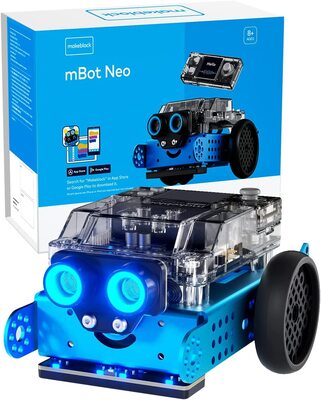
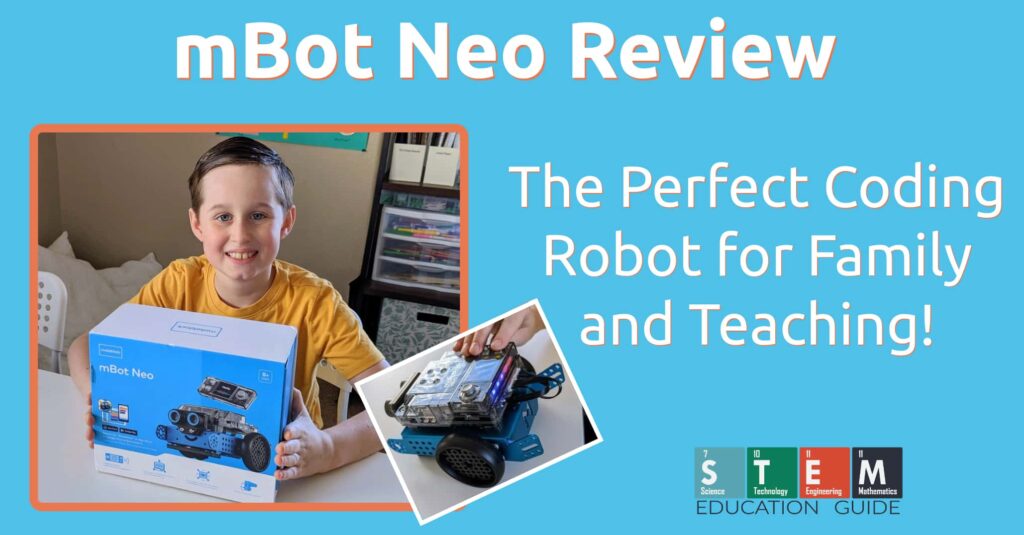
The mBot Neo stands out as a premier DIY coding robot. Designed for durability with a frame composed of high-grade aluminum and reinforced plastics, it is built to withstand the rigors of childhood play. What sets the Neo apart is its versatility: children can assemble the robot themselves, then use an intuitive app to command it to perform complex tasks, including dancing, light-based signaling, and singing. For those not yet ready for deep coding, the device includes a library of pre-programmed activities, making it an excellent entry point into the world of robotics.
2. Sphero BOLT: Programmable Durability
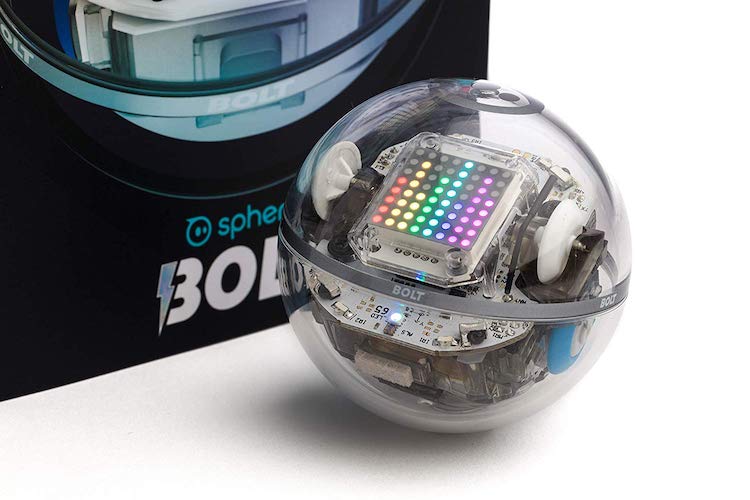
The Sphero BOLT is a masterclass in resilient design. As a shock-proof and waterproof programmable sphere, it offers a hands-on introduction to logic and sequence programming. The beauty of the BOLT lies in its ecosystem; the manufacturer provides an extensive library of classroom-ready activities that scale from beginner logic puzzles to complex, advanced programming tasks for older students, ensuring the toy grows with the child.
3. Wonder Workshop Dash: The Social Robot
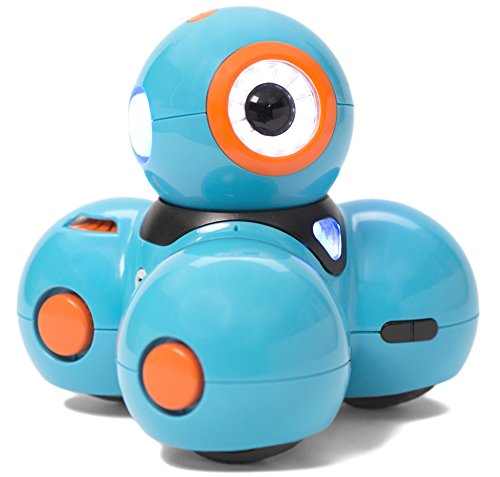
Targeted at children aged six and up, Dash is perhaps the most "approachable" robot on the market. With built-in sensors and microphones, Dash can interact with its environment and even communicate with other units, fostering a social element to learning. The accompanying app offers guided, interactive challenges that teach kids the fundamentals of coding without requiring them to have prior experience, making it a stress-free choice for parents.
4. Makey Makey: Expanding the Definition of "Controller"
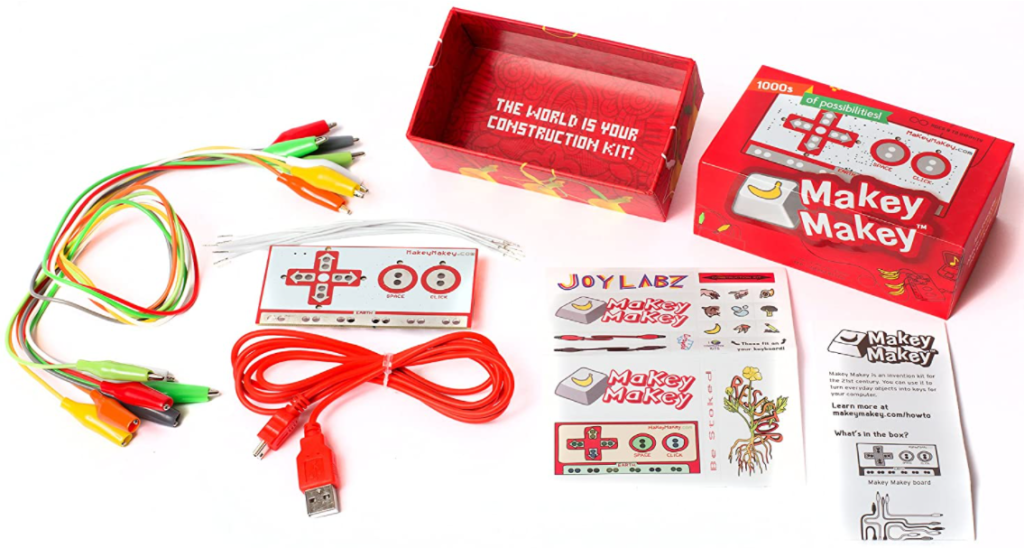
Makey Makey challenges the very notion of what a computer interface can be. By allowing users to turn everyday objects—like bananas, play-dough, or pencil drawings—into functional keys, it demystifies the relationship between hardware and software. Its simplicity is its greatest strength, encouraging a spirit of invention that is essential for young engineers.
5. Chemistry and Combustion: KABOOM and Yellow Scope
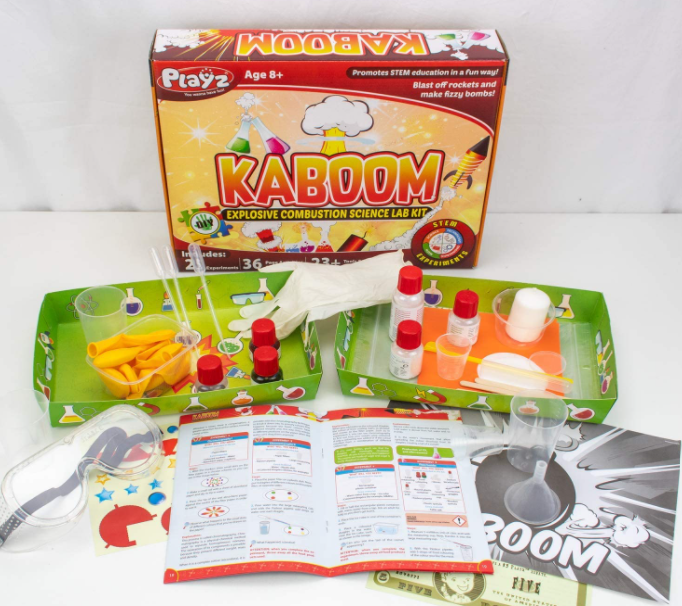
Education is often most effective when it is visceral. The KABOOM Explosive Science Lab Kit turns the study of chemical reactions into a high-energy experience, with over 25 experiments that teach the principles of combustion and chemical transformation.
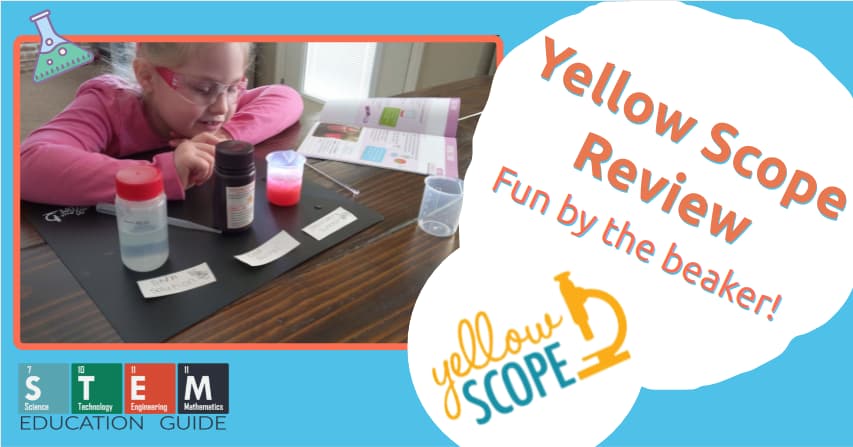
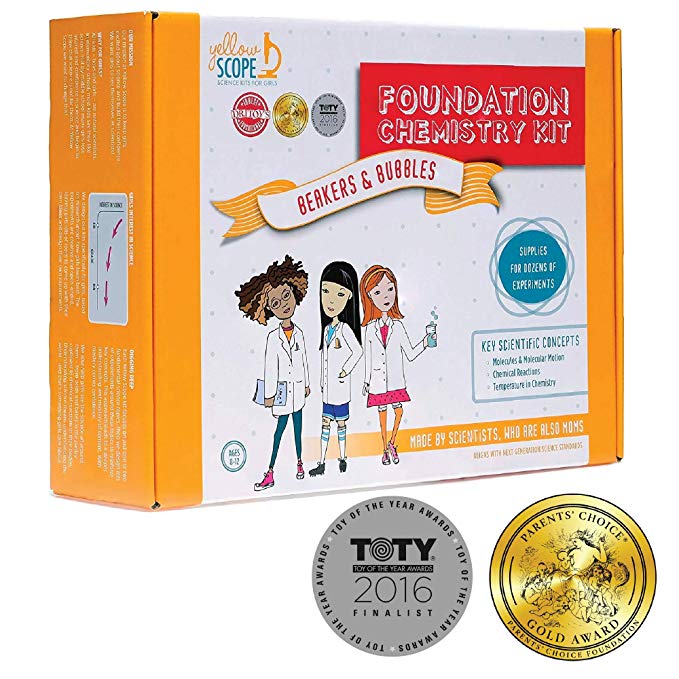
On the other side of the spectrum, the Yellow Scope Foundation Chemistry Kit specifically targets the underrepresented demographic of girls in STEM. By focusing on practical, real-world chemistry—such as the science behind cosmetics and personal care products—it demonstrates that science is not just an academic exercise, but a vital part of everyday life.
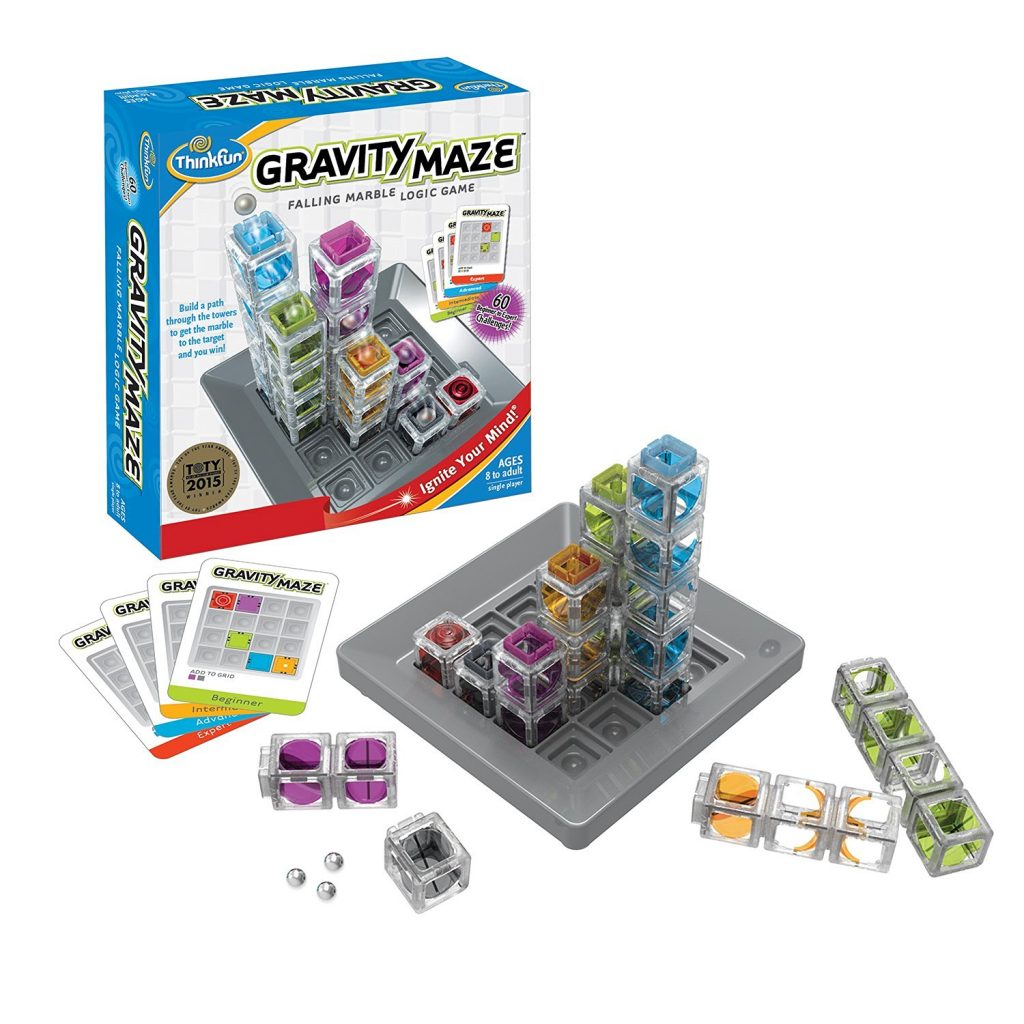
6. Logic and Engineering: Gravity Maze and LEGO Chain Reactions
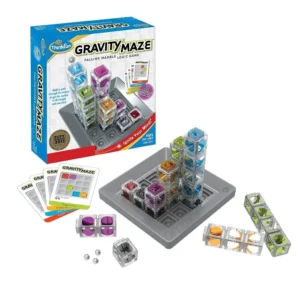
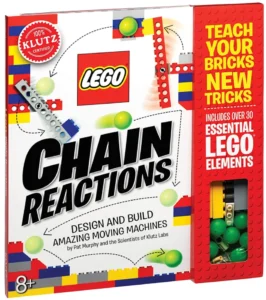
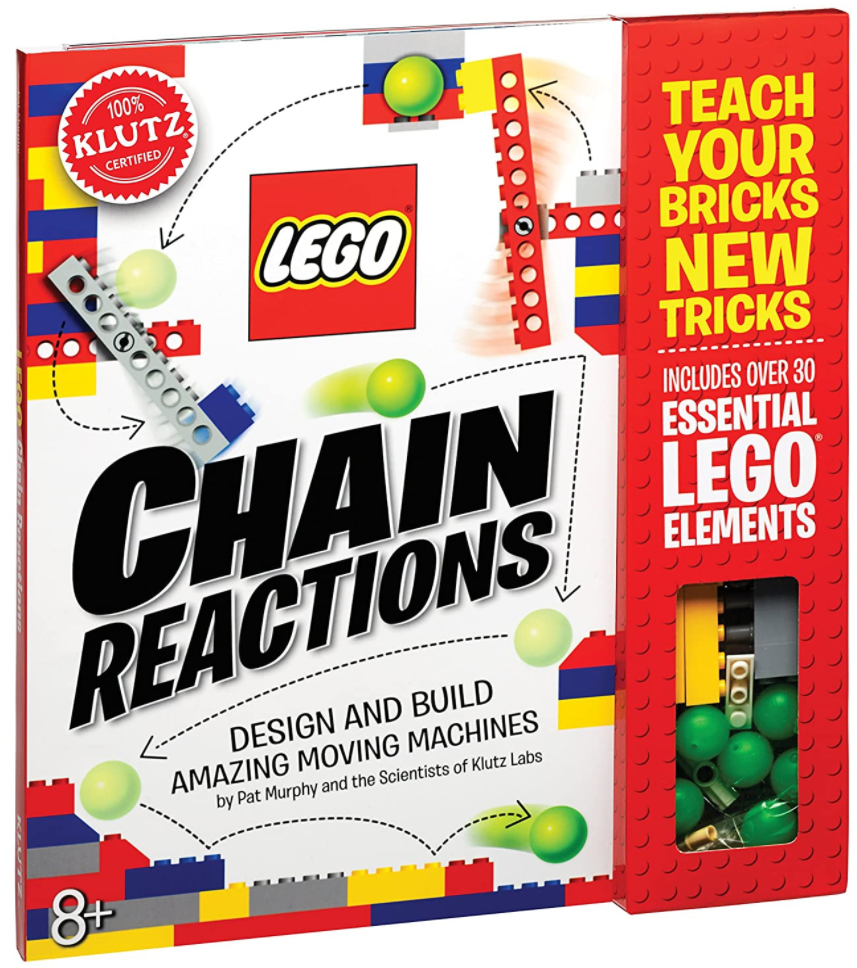
Spatial reasoning is a critical component of engineering. The ThinkFun Gravity Maze is a logic-based marble run that tasks users with solving increasingly difficult spatial puzzles. Similarly, the LEGO Chain Reactions kit utilizes the world’s most famous building blocks to teach the concepts of cause-and-effect and kinetic energy, helping children understand how simple components can form complex, moving machines.
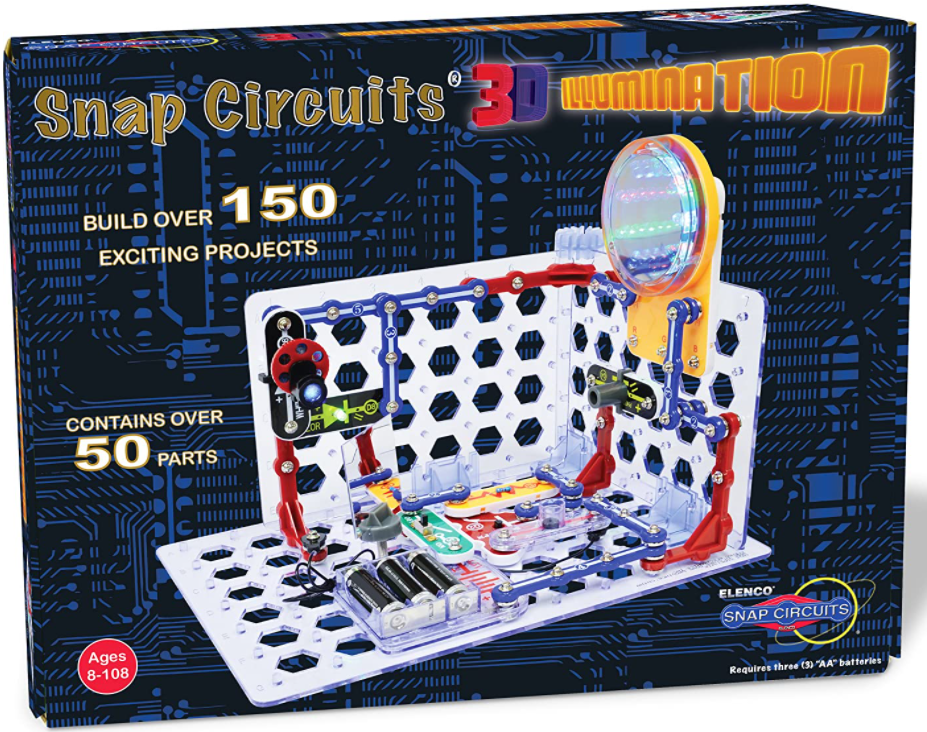
7. Circuits and Power: Snap Circuits and Elenco
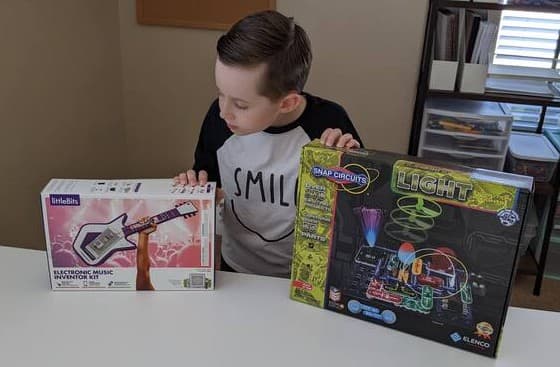
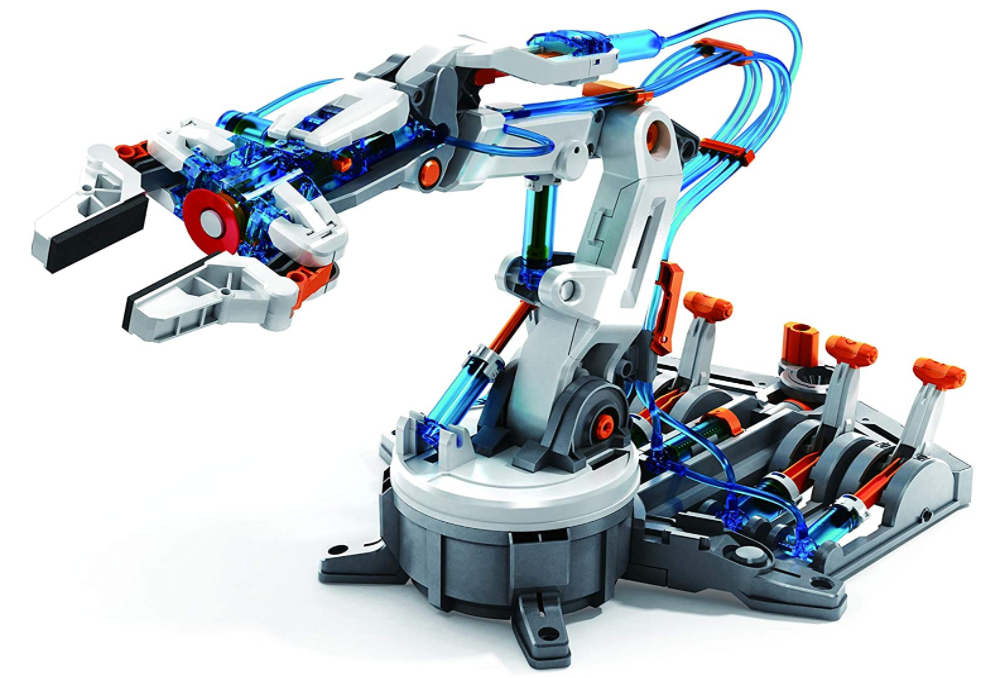
Understanding electricity is a fundamental requirement for the modern age. The Snap Circuits 3D Illumination kit allows users to build electronic projects that are both functional and visually stimulating. When paired with the Elenco Teach Tech Hydraulic Kit—which uses fluid dynamics to power a robotic arm—students gain a multi-disciplinary education that spans physics, mechanical engineering, and renewable energy concepts.
8. The Future of Play: Botley and Mech-5
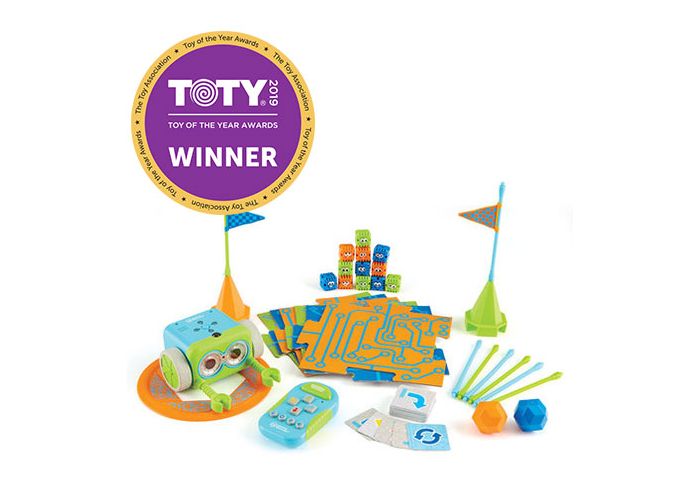
For parents looking for a screen-free coding experience, Botley the Coding Robot is a top-tier choice. It teaches algorithmic thinking through physical tiles and a remote programmer. Conversely, the Elenco Mech-5 represents the "next level" of robotic construction, allowing kids to build a mechanical unit that can kick, throw, and draw, providing a tangible reward for their mastery of complex mechanical systems.
9. Musical and Structural Innovation: littleBits and K’NEX
The littleBits Electronic Music Inventor Kit highlights the intersection of art and technology, allowing kids to build their own electronic guitars. Meanwhile, the Kid K’NEX sets provide a safe, chunky, and colorful introduction to structural engineering, enabling toddlers and younger children to build everything from trains to insects, laying the groundwork for more advanced construction play later in life.
10. The Ultimate Marble Run: GraviTrax and LEGO Boost
The GraviTrax XXL offers a modular, screen-free marble run experience based on a unique hexagonal grid, requiring significant critical thinking to optimize speed and trajectory. For those who want to integrate high-tech elements into their building, the LEGO Boost Creative Toolbox provides a comprehensive system for building and coding five distinct robotic models, bridging the gap between traditional play and computer science.
Chronology of the Modern Holiday Shopping Season
The transition to a "November-long" sales event has been a multi-year trend. Historically, the Wednesday before Thanksgiving was the start of the sales period. By 2020, necessitated by the global pandemic, retailers successfully conditioned consumers to seek online-only deals starting as early as the first week of November. This year, the trend has solidified; major retailers are now deploying "Early Black Friday" labels in the second week of the month, effectively flattening the demand curve and preventing the logistical bottlenecks that previously plagued the final week of November.

Supporting Data: Why STEM Toys Lead the Market
Market research indicates that the global STEM toy market is projected to see significant year-over-year growth. This is largely driven by:

- Academic Pressure: Increased parental focus on preparing children for competitive academic environments.
- Screen Time Balance: A desire to provide "productive" screen time through interactive coding and robotics.
- Gift Longevity: Unlike traditional toys that lose interest quickly, STEM kits offer "replayability" through new challenges, updates, and creative building possibilities.
Official Industry Perspective
Toy industry analysts suggest that the shift toward STEM is a structural change in how parents value play. According to various retail reports, "The modern parent is looking for a return on investment for their holiday spend. A toy that teaches a child how to code or how to build a hydraulic arm is viewed as an educational investment rather than a disposable item." This perspective has led major manufacturers to refine their product lines to be more inclusive, more durable, and more integrated with digital learning apps.

Implications for the Future
The implications of this shift are profound. As we look toward the future, the integration of AI, machine learning, and advanced robotics into home-use kits will likely accelerate. We are seeing a move away from "toy-like" electronics toward "prosumer-grade" equipment that is safe for children but capable of serious tasks.

Furthermore, the emphasis on online-only shopping for these items ensures that consumers have access to a wider variety of specialized kits that would not be feasible to stock in a physical retail store. The result is a more informed, more empowered consumer base that is actively curating the intellectual development of the next generation.

As you finalize your holiday shopping list, remember that the value of these gifts extends far beyond the satisfaction of opening a box. Whether it is the logic of a marble run or the complex coding of a robotic arm, these tools are the building blocks of the future. By taking advantage of the early-season deals, you are not just saving money; you are investing in the curiosity, creativity, and critical thinking skills that will define your child’s future.