The Critical First 1,000 Days: Inside the Movement to Transform Early Childhood Development and Policy

WASHINGTON — In the human lifecycle, no other window matches the velocity of change seen between birth and age three. During this foundational period, an infant’s brain produces more than one million neural connections every single second, laying the permanent architectural blueprint for lifelong mental health, emotional resilience, and cognitive capacity. Yet, despite the staggering scientific consensus regarding the importance of infancy, families, educators, and policy advocates across the United States face an unprecedented convergence of systemic pressure, economic strain, and policy challenges.

Organizations at the forefront of this field—most notably the national advocacy and educational leader ZERO TO THREE—are spearheading a comprehensive campaign to reframe how society approaches the earliest years of human life. Through a blend of groundbreaking research, localized community care, professional development curricula, and legislative advocacy, stakeholders are mobilizing to ensure that infants, toddlers, and the adults who raise them receive the systemic support they desperately require.
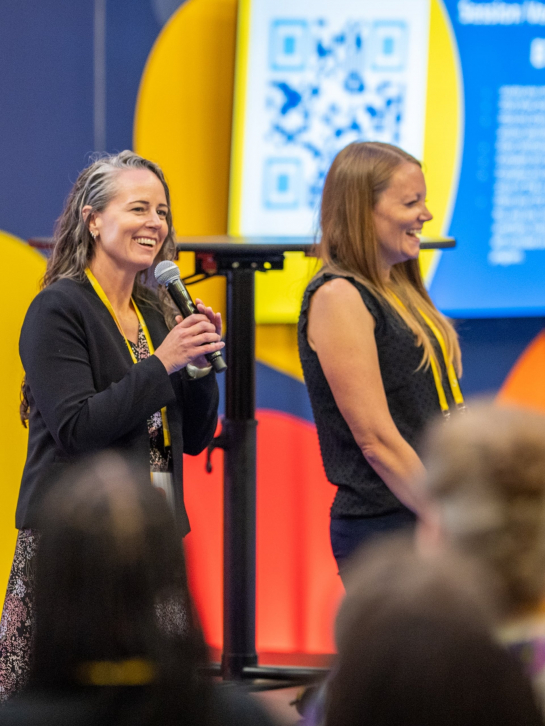
Main Facts: The Science and State of Early Childhood
The core mandate of contemporary early childhood advocacy rests on a simple biological truth: the first three years of life are the most important for lifelong mental health and well-being. The rapid neurodevelopment occurring during this phase means that external environments—ranging from the quality of caregiving and exposure to early literacy to systemic economic stability—directly dictate a child’s future trajectory.

However, a stark dichotomy exists between the biological needs of infants and the realities of modern American family life. According to recent data released in the national snapshot report, RATTLED: Babies, Families and a Year of Growing Strain, economic pressure, emotional distress, and societal uncertainty intensified significantly over the past year. Families are fighting tirelessly to provide stability and love, but they are doing so against a backdrop of escalating financial precarity.

Simultaneously, the broader child care infrastructure is locked in what experts term a "child care paradox." Families are routinely forced to pay more than they can comfortably afford for care, while the professional educators who facilitate that care remain among the lowest-paid workers in the nation. The compounding effect of this imbalance is alarming: programs are closing, family budgets are squeezed to their breaking points, and young children are caught squarely in the middle.

Chronology and Milestones: Evolution of the Early Childhood Movement
The movement to prioritize infants and toddlers has evolved from localized charity models into a sophisticated, multi-pronged national enterprise encompassing research, digital literacy, and professional training.

- Foundational Decades: Early childhood initiatives initially focused primarily on basic nutritional and physical health needs. Over the last twenty-five years, however, advances in neuroscience transformed the field, shifting the focus decisively toward infant and early childhood mental health (IECMH), relational security, and cognitive stimulation.
- Recent Years (2022–2025): As the post-pandemic economic landscape shifted, national organizations began tracking compounding stressors on families. Reports like RATTLED documented a steady erosion of family mental health, prompting a pivot toward actionable, tech-integrated interventions.
- The 2026 Horizon: Entering 2026, the movement has embraced digital-age realities. Initiatives now actively confront modern challenges, such as developing frameworks for artificial intelligence in early childhood, updating early literacy curricula like Word Wonders, and hosting specialized symposia—such as the upcoming Generation AI Starts Early Symposium.
- Upcoming Major Convenings: The movement will reach a national crescendo on October 27, 2026, when professionals, researchers, and policymakers gather in Portland, Oregon, for the flagship ZERO TO THREE LEARN Conference 2026, designed to align professional practices with the pressing needs of the next generation.
Supporting Data and Key Resources
To combat systemic strain and bridge the knowledge gap between neuroscientists and everyday caregivers, organizations have rolled out an array of evidence-based resources, curricula, and professional frameworks.

1. Early Language, Literacy, and Play
Children acquire language and social frameworks primarily through everyday play. Programs like Word Wonders offer complete, free preschool early literacy curricula, activity guides, and targeted songs designed to foster language acquisition in home and child care settings. Concurrently, professional guidance on Parallel Play helps educators and parents understand, observe, and encourage crucial early social development milestones.

2. Navigating the Digital Age: Screen Time and AI
The modern toddler is growing up in a digitized environment. Initiatives such as Screen Time Tips: 5 Questions to Guide Decisions provide families with practical frameworks to balance media consumption with healthy physical play and face-to-face social interaction. Furthermore, emerging discussions around Artificial Intelligence in Early Childhood seek to establish ethical boundaries, maximizing potential educational benefits while actively mitigating developmental risks.

3. Parental Emotional Regulation
Child development cannot be viewed in isolation from caregiver well-being. Research heavily emphasizes that a parent’s ability to regulate their own emotions directly impacts a child’s developing nervous system. Practical strategies focusing on the "5 Ways Parents’ Emotional Regulation Matters for Healthy Child Development" give caregivers the tools to manage parenting stress, remain calm during behavioral challenges, and model healthy emotional processing.

Official Responses and Professional Perspectives
Professionals across the continuum of care—encompassing pediatric health care, early learning, family support, and mental health services—increasingly view their roles as interconnected parts of a larger ecosystem.

Practitioners who attend national training programs routinely emphasize the psychological toll of early childhood work, coupled with its profound rewards. As noted by attendees at recent national conventions, professional gatherings serve as vital lifelines: “This is just what I needed to reestablish my motivation in moving forward with this work.”

Policy advocates and organizational leaders argue that treating early childhood as a private family matter is no longer tenable. Because infants and toddlers can and do experience mental health issues stemming from trauma, neglect, and environmental stressors, the response must be structural. Through legislative advocacy centers and state-level policy collaborations, leaders are pushing for systemic investments in child welfare, infant room design, and fair compensation for early educators.
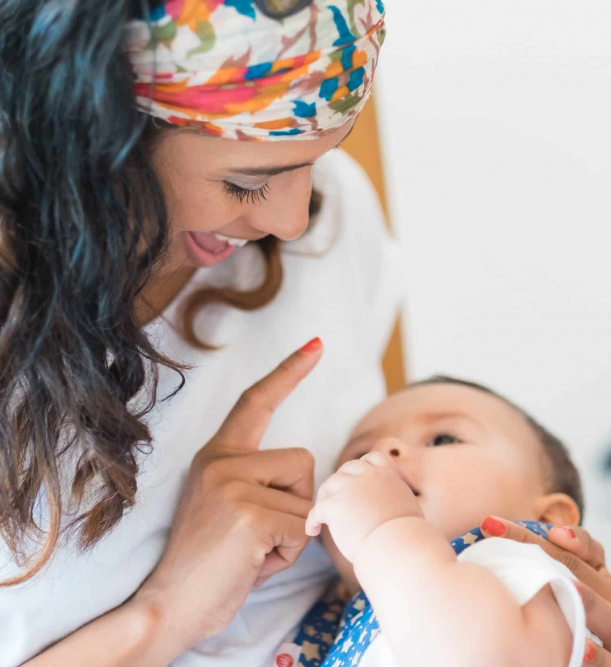
Initiatives such as the Positive Behavioral Support: Moving from Frustration to Connection training and the Growing Brain curriculum (a comprehensive training-of-trainers model spanning birth to age five) underscore a unified professional consensus: adults must be systematically trained to replace exclusionary practices with relational connection.

Implications: Building a National Priority for Babies and Families
The implications of how society invests in its youngest citizens extend far beyond individual household dynamics; they dictate the economic productivity, social fabric, and public health outcomes of the nation for decades to come.

When infants experience secure attachments, rich linguistic environments, and emotionally regulated caregivers, society reaps the dividends through reduced societal healthcare costs, higher educational attainment, and more resilient communities. Conversely, when the child care system collapses under economic pressure—leaving educators underpaid and parents financially fractured—the developmental deficit accumulates rapidly.

A Call for "Baby Champions"
Transforming this landscape requires an all-hands-on-board approach. Experts emphasize that supporting a child in their first 1,000 days is a gift that lasts a lifetime. Whether individuals act as parents, community leaders, frontline educators, or state policymakers, the mandate remains clear: infants and toddlers must be prioritized in public policy decisions and community resource allocations.

As the early childhood community prepares for the ZERO TO THREE LEARN Conference 2026 in Portland, Oregon, the message to the public is unambiguous. By fostering community care, investing in the mental health of both children and parents, and dismantling structural inequities in early education, society can finally fulfill the promise that every child deserves a strong, stable, and loving start in life.