
The Digital Tightrope: Navigating Social Media Safety for Children in the Modern Age
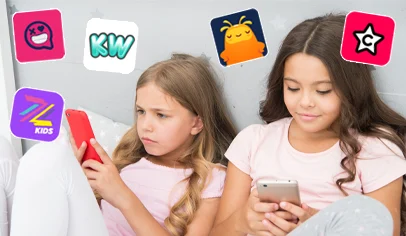
In the contemporary digital landscape, the boundary between the physical world and the virtual realm has become increasingly porous. For today’s youth—often referred to as "digital natives"—social media is not merely a pastime; it is a primary environment for socialization, identity formation, and creative expression. However, this omnipresence brings with it a complex array of risks, ranging from exposure to age-inappropriate content to the more insidious threats of cyberbullying and predatory interactions. As parents and educators grapple with the rapid evolution of technology, understanding which platforms offer a protected environment and which present significant hazards has become a critical responsibility.
The Evolution of the Digital Playground: A Chronology
The transformation of social media from a collegiate networking tool to a global behemoth happened with dizzying speed. To understand why the current landscape is so challenging for parents, one must look at the timeline of digital adoption:
- 2004–2006: The birth of Facebook and the initial wave of social networking. During this era, the internet was primarily desktop-based, and parental oversight was physically easier to manage.
- 2010–2012: The explosion of the "App Economy." With the proliferation of smartphones, social media migrated into the pockets of children. This period saw the rise of platforms designed for rapid, ephemeral interaction.
- 2016–2019: The "Algorithm Era." Platforms shifted from chronological feeds to algorithmically curated content designed to maximize user engagement. This shift increased the risk of children being funneled into "rabbit holes" of potentially harmful content.
- 2020–Present: The pandemic-induced surge. With schools moving to remote learning, children’s reliance on digital platforms for social connection became a necessity rather than a luxury, permanently altering their digital habits and increasing their exposure to both positive and negative influences.
Curating the Digital Experience: Safer Platforms for Under-13s
For parents seeking to introduce their children to digital social networking without exposing them to the "wild west" of the internet, several platforms have been specifically engineered with rigorous safety guardrails.
1. Kidzworld: A Moderated Community
Designed for the 9-16 demographic, Kidzworld stands out by operating a strictly moderated environment. Unlike major mainstream platforms, Kidzworld features no advertising and requires manual oversight of forums. This allows children to engage in interest-based discussions—covering everything from gaming to fashion—without the fear of interacting with bad actors or being targeted by data-harvesting algorithms.
2. Grom Social: Peer-Led Safety
Grom Social is a unique case study in design. Created by children for children, the platform focuses on positivity. It includes standard social features—friend requests, activity feeds, and messaging—but adds a critical layer of "Grom Guardians," who monitor interactions to ensure the space remains free from bullying and inappropriate language.
3. YouTube Kids: Curated Consumption
While technically a video platform rather than a social network, YouTube Kids remains the gold standard for controlled content consumption. Its appeal lies in its filtering technology. Parents can curate playlists and limit content to specific age groups, effectively walling off the vast, unmoderated expanse of the primary YouTube platform.
4. Messenger Kids: Parental Sovereignty
Facebook’s Messenger Kids addresses the primary concern of messaging: stranger danger. By design, a child cannot accept a friend request or initiate a chat without the parent’s explicit approval on the linked parental dashboard. This gives parents total visibility into who their child is talking to and what they are saying.
5. PopJam and Zigazoo: The Creative Outlets
PopJam (for ages 7-12) and Zigazoo (for ages 6-12) pivot away from text-based messaging toward creative expression. PopJam uses heavy moderation on all user-generated content (drawings, polls) before it is ever published, while Zigazoo encourages video-based learning and challenges. These platforms transform social media into a productive, rather than purely consumptive, experience.
6. Supporting Apps: Coverstar, Azoomee, and Justalk Kids
- Coverstar caters to the budding content creator, providing a sandbox for kids to explore trends and challenges within a high-security framework.
- Azoomee blends education and entertainment, acting as a "walled garden" of games and videos.
- Justalk Kids provides a secure, monitored environment for video calling, ensuring that the visual component of communication remains safe through strict contact management.
The Risks of Mainstream Platforms: Why Some Apps Are Not "Kid-Safe"
Despite strict Terms of Service that often set the age limit at 13, many children under this threshold are active on mainstream platforms. These apps are generally designed for adults, and their safety features are often inadequate for younger, more vulnerable users.
The Problem with Algorithms: TikTok
TikTok’s business model relies on a powerful algorithm designed to keep users scrolling. For a child, this means the app will quickly learn their preferences and serve increasingly extreme or inappropriate content to keep them engaged. The age verification process is famously porous, and the sheer volume of user-generated content makes human moderation nearly impossible.
The Illusion of Privacy: Snapchat
Snapchat’s core selling point—the disappearing message—is also its greatest danger. Because content vanishes, it is nearly impossible for parents to review history if a problem arises. Furthermore, the "Snap Map" feature can inadvertently reveal a child’s real-time location to their entire contact list, posing significant physical safety risks.
The Complexity of Gaming Socials: Roblox and Discord
- Roblox is a hybrid entity. While it offers parental controls, it is a massive, user-generated gaming platform. The diversity of content—and the anonymity of other users—means that even with filters, children can be exposed to inappropriate games or predatory chat messages.
- Discord operates through private servers. Because these servers are often unmoderated and private, they are notoriously difficult for parents to audit. The platform’s structure is fundamentally at odds with the level of supervision required for younger children.
The Social Comparison Trap: Instagram
Instagram poses a distinct psychological risk. The visual, image-focused nature of the app is linked to higher rates of body dysmorphia and social anxiety in young users. Even with a private account, the "Explore" feed can expose children to content that is far beyond their emotional maturity level.
Official Responses and Regulatory Implications
The tech industry has faced mounting pressure from governments and child advocacy groups to improve safety. In the United States, the Children’s Online Privacy Protection Act (COPPA) governs the data collection of minors, yet many critics argue it is outdated for the modern era.
Tech giants have responded by implementing "Family Centers" and "Supervision Tools." For example, Instagram now allows parents to see who their child follows and who follows them, as well as set daily time limits. However, data from recent congressional hearings suggests that these tools are often underutilized by parents and easily circumvented by tech-savvy minors. The consensus among policymakers is shifting toward "Safety by Design"—the requirement that platforms build safety into the architecture of the app rather than offering it as an optional setting.
Implications for Families
The evidence is clear: there is no substitute for parental engagement. While the apps listed as "safe" provide a necessary foundation, they do not replace the need for ongoing dialogue.
Recommended Strategies for Parents:
- The "Slow Tech" Approach: Delay the introduction of unrestricted platforms for as long as possible. Start with closed, moderated environments.
- Digital Literacy Education: Teach children why an app is unsafe. Explain the dangers of strangers, the persistence of data, and the psychological impact of the "like" culture.
- Active Monitoring: Keep devices in common areas of the home. Use screen-time management tools, but don’t use them as a "set it and forget it" solution.
- Open Communication: Ensure that if a child encounters something upsetting, they feel comfortable coming to a parent without the fear of having their device confiscated.
Conclusion
The digital world is not inherently evil, but it is inherently adult-oriented. As children navigate these platforms, they are walking a digital tightrope between the desire for social connection and the need for protection. By choosing age-appropriate, heavily moderated platforms and maintaining a posture of active, informed parental oversight, families can navigate the digital age safely, ensuring that technology serves as a tool for growth rather than a source of harm. The goal is not to block the world from our children, but to provide them with the armor—and the judgment—needed to navigate it successfully.