
The Ultimate School Lunch Playbook: Nutrient-Dense, Stress-Free Ideas for Busy Mornings
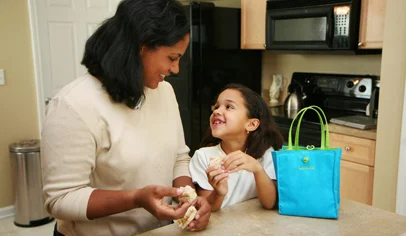
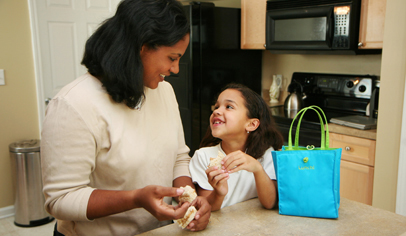
As the school year swings into full gear, parents across the country face a familiar, high-stakes daily ritual: the morning scramble to pack school lunches. Between balancing nutritional requirements, managing picky eaters, decoding strict school allergy policies, and beating the morning clock, the midday meal can easily become a source of parental dread. However, midday nutrition does not have to be an uphill battle. With a shift toward flexible, interactive, and snackable formats, packing a lunch that children will actually eat can be simple, engaging, and remarkably efficient.
This comprehensive guide explores ten creative, versatile, and kid-approved school lunch concepts designed to survive the journey from the morning counter to the cafeteria table. Furthermore, it outlines actionable organizational strategies to streamline morning routines and simplify back-to-school preparations.
Main Facts: The Anatomy of a Successful School Lunch
Midday nutrition plays a vital role in a child’s cognitive development, sustained energy levels, and behavioral regulation throughout the school day. According to pediatric dietitians and child development specialists, children respond best to meals that offer a sense of autonomy, visual appeal, and textural variety.
The core components of a successful school lunch framework include:
- Balance: Incorporating lean proteins, complex carbohydrates, healthy fats, and fiber-rich fruits and vegetables.
- Engagement: Utilizing interactive formats, such as dip-friendly containers and "build-your-own" elements, which increase the likelihood of consumption.
- Efficiency: Streamlining preparation through batch-cooking, advance chopping, and strategic grocery planning.
By moving away from monotonous, single-option sandwiches and leaning into flexible, modular lunch styles, parents can drastically reduce food waste while keeping lunchboxes exciting for children of all ages.
Chronology: Evolving Trends in School Lunch Culture
The evolution of the school lunchbox reflects broader shifts in modern parenting, nutritional science, and food culture over the past several decades. Understanding how we arrived at today’s bento-box culture highlights why modern approaches prioritize flexibility over rigid meal planning.
Phase 1: The Traditional Era (Mid-to-Late 20th Century)
Historically, the standard school lunch consisted of a brown paper bag containing a traditional sandwich (such as peanut butter and jelly or bologna and cheese), a bag of potato chips, a piece of whole fruit, and a sweet treat or juice box. While convenient, this model often resulted in nutritional monotony and high rates of uneaten crusts or discarded fruit.
Phase 2: The Convenience Boom (Late 1990s–2010s)
The introduction of commercial, highly processed prepackaged lunch kits revolutionized the market. These commercial snack kits offered convenience for parents and high appeal for children due to their interactive nature. However, concerns regarding high sodium content, artificial preservatives, and excessive packaging prompted parents and health advocates to seek healthier, sustainable alternatives.
Phase 3: The Modern Bento & DIY Movement (Present Day)
Today’s lunch culture marries the high engagement of commercial snack kits with whole-food nutrition. Inspired by Japanese bento traditions and modern modular feeding philosophies, contemporary school lunches emphasize compartmentalization, visual variety, and child-led assembly. Parents increasingly view the lunchbox not merely as a container for food, but as an opportunity to foster healthy eating habits, culinary curiosity, and independent self-care skills.
Supporting Data: Nutrition, Waste, and Mealtime Psychology
Modern nutritional data and behavioral studies underscore the importance of how school lunches are presented and packed:
- The Power of Choice: Behavioral studies indicate that children are up to 30% more likely to consume foods they have actively helped select or assemble. Giving kids a voice in their lunch composition directly correlates with reduced food waste.
- Visual Appeal and Variety: Research published in pediatric nutrition journals shows that compartmentalized meals—which offer a diverse array of colors, shapes, and textures—stimulate children’s appetites more effectively than large, homogenous portions of a single food item.
- Allergy Compliance: With an estimated 6% of children affected by food allergies, school nutrition policies have tightened significantly. The strategic avoidance of common allergens, such as tree nuts and peanuts, has become a core logistical requirement for modern meal planning.
Official Responses and Expert Recommendations
Child nutrition experts, educators, and pediatricians continually emphasize that the ideal school lunch should bridge the gap between nutritional adequacy and practical feasibility.
Pediatric Dietitians on Variety and Balance
Nutritionists recommend focusing on weekly variety rather than striving for a perfectly balanced single meal every single day. If a child consumes fewer vegetables on Monday, a vegetable-heavy snack box or dip option later in the week can balance the nutritional ledger. Furthermore, experts advocate for incorporating "bridge foods"—familiar favorites paired with small portions of novel foods—to gently encourage expanding palates.
School Administrators on Safety and Independence
School officials consistently remind parents to prioritize containers that children can open and close entirely on their own. Cafeteria time is often limited, and teachers cannot assist every student with stubborn packaging, hard-to-twist lids, or sealed plastic bags. Additionally, schools strongly enforce policies regarding allergen-free zones, urging families to carefully review institutional guidelines before packing processed snacks or baked goods.
10 Creative, Kid-Approved Lunch Ideas
Transforming the midday meal does not require professional culinary training. The following ten strategies offer flexible, appealing lunchbox solutions designed for busy mornings and varying palates.
1. Build-Your-Own Bento Box
Bento-style containers make it easy to offer variety without cooking an entirely separate meal. Let your child select a few favorites from each category to mix and match throughout the week:
- Protein: Turkey slices, cheese cubes, hummus, hard-boiled eggs, yogurt, or bite-sized grilled chicken.
- Fruit: Strawberries, grapes, apple slices, blueberries, oranges, or melon cubes.
- Veggies: Baby carrots, cucumber rounds, bell pepper strips, snap peas, or cherry tomatoes.
- Crunch: Whole-grain crackers, pretzels, popped corn, or pita chips.
- Something Fun: A small treat, a granola bar, or a favored snack.
(Always verify your school’s allergy policies regarding sensitive ingredients before packing.)
2. Deconstructed Sandwiches
Some children love traditional sandwiches, while others prefer to keep their ingredients separate. A deconstructed sandwich offers the best of both worlds. Pack whole-grain bread or crackers, sliced turkey or chicken, cheese, and fresh produce in separate compartments. Your child can assemble their own mini sandwiches or enjoy each item individually. For an added touch of fun, use small cookie cutters to transform bread and cheese slices into engaging geometric shapes.
3. Pinwheel Wraps
Elevate a basic wrap by converting it into bite-size pinwheels that are easy for small hands to manage. Spread a soft tortilla with cream cheese or hummus, layer with turkey and cheese or chicken and veggies, roll tightly, and slice into bite-sized rounds. Rotating ingredient combinations throughout the week prevents this simple lunch option from growing monotonous.
4. Lunchbox Dippers
Food inherently becomes more appealing when an interactive dipping element is involved. Consider these popular pairings:
- Chicken bites paired with ranch dressing or honey mustard.
- Carrots, cucumbers, and bell peppers served with smooth hummus.
- Apple slices accompanied by yogurt or sunflower seed butter.
- Pita chips or pretzels served with a favorite savory dip.
Always pack liquids and dips in small, leak-proof containers.
5. DIY Lunchable
Skip processed, store-bought convenience packs by assembling a healthier, customizable version at home using pantry staples. Pack whole-grain crackers, quality cheese, lean deli meat, fresh fruit, and a small treat. Alternatively, substitute pita bread, hummus, and mini pancakes for a unique twist. Involving children in the selection process builds excitement and ownership over their meal.
6. Breakfast for Lunch
Break conventional menu rules by packing breakfast items for midday consumption. Mini pancakes, waffles, or French toast sticks can be paired with yogurt and fruit for dipping. Supplement with hard-boiled eggs or turkey sausage for a protein boost. Tip: Batch-cook mini pancakes over the weekend and store them in the freezer for effortless grab-and-go morning assembly.
7. Pizza Lunch Box
Capture the universal appeal of pizza without relying on delivery boxes. Pack mini naan rounds or pita bread with shredded mozzarella cheese and pepperoni slices, allowing your child to assemble their own cold mini-pizzas. Alternatively, send leftover homemade pizza alongside fresh fruit and vegetables for a balanced, comforting meal.
8. Fruit & Cheese Snack Box
Ideal for children who prefer grazing over consuming a heavy meal in one sitting, this grazing-style box features small, appealing portions of familiar favorites. Combine cheese cubes, grapes, apple slices, berries, crackers, turkey slices, and a small sweet treat, adjusting combinations based on household inventory.
9. Quesadilla Triangles
Quesadillas are exceptionally customizable and can be prepared ahead of time for chaotic mornings. Fill a tortilla with cheese, shredded chicken, black beans, or finely chopped vegetables. Cook until golden, allow to cool completely, and slice into manageable triangles. Serve alongside salsa or guacamole in a separate dipping cup.
10. Snack-Size Sandwiches
Scale down classic sandwiches to make lunchtime more approachable and visually delightful. Utilize cookie cutters to produce miniature sandwiches, or simply cut standard sandwiches into bite-sized squares or triangles. Rotate fillings throughout the week, ranging from turkey and cheddar to sunflower seed butter and jelly, or creamy chicken salad.
Implications: Streamlining the Morning Routine
Adopting a strategic approach to school lunches yields far-reaching benefits for family well-being, household budgets, and daily efficiency. By implementing organized prep habits, parents can reclaim valuable time during high-stress morning hours.
Key Operational Strategies for Parents:
- Establish a Weekly Plan: Outline lunch combinations in advance rather than improvising from scratch each morning.
- Pre-Portion Produce: Wash, peel, and chop fruits and vegetables immediately after grocery shopping so they are ready to pack instantly.
- Night-Before Assembly: Pack as much of the lunchbox as humanly possible the evening before, storing perishable containers directly in the refrigerator.
- Prioritize Independent Gear: Invest in durable containers and water bottles that your child can open, close, and manage entirely on their own. Practice opening mechanisms before the school year begins.
- Clear Labeling: Use permanent markers or waterproof labels to clearly mark all containers and water bottles with your child’s name to prevent lost items.
- Maintain an Inspiration List: Keep a running log of your child’s favorite lunch combinations on the refrigerator to defeat decision fatigue when inspiration runs low.
Simplify Back-to-School Preparations
Beyond packing lunches, organizing essential school supplies, notebooks, and classroom gear can feel overwhelming. Utilizing centralized online resources—such as checking your child’s exact, teacher-approved supply lists via platforms like TeacherLists—can significantly streamline shopping trips and ensure you secure every required item in a single, convenient visit.
By combining smart preparation, nutritious ingredients, and engaging, interactive food formats, packing school lunches transitions from a daily chore into a seamless, manageable routine that sets children up for success both in and out of the classroom.