The Human Element: Why Relationships, Not Algorithms, Drive High-Impact Tutoring
This commentary is adapted from remarks delivered at the 2026 National Student Support Accelerator Conference at Stanford University.
In the rapidly evolving landscape of 21st-century education, the debate over how to accelerate learning often drifts toward the seductive promise of technology. From adaptive AI platforms to sophisticated data-tracking algorithms, the tools available to educators today are more powerful than at any point in history. Yet, as the academic community gathers to evaluate the successes and failures of the post-pandemic recovery era, a consensus is emerging that transcends software specs and vendor contracts.
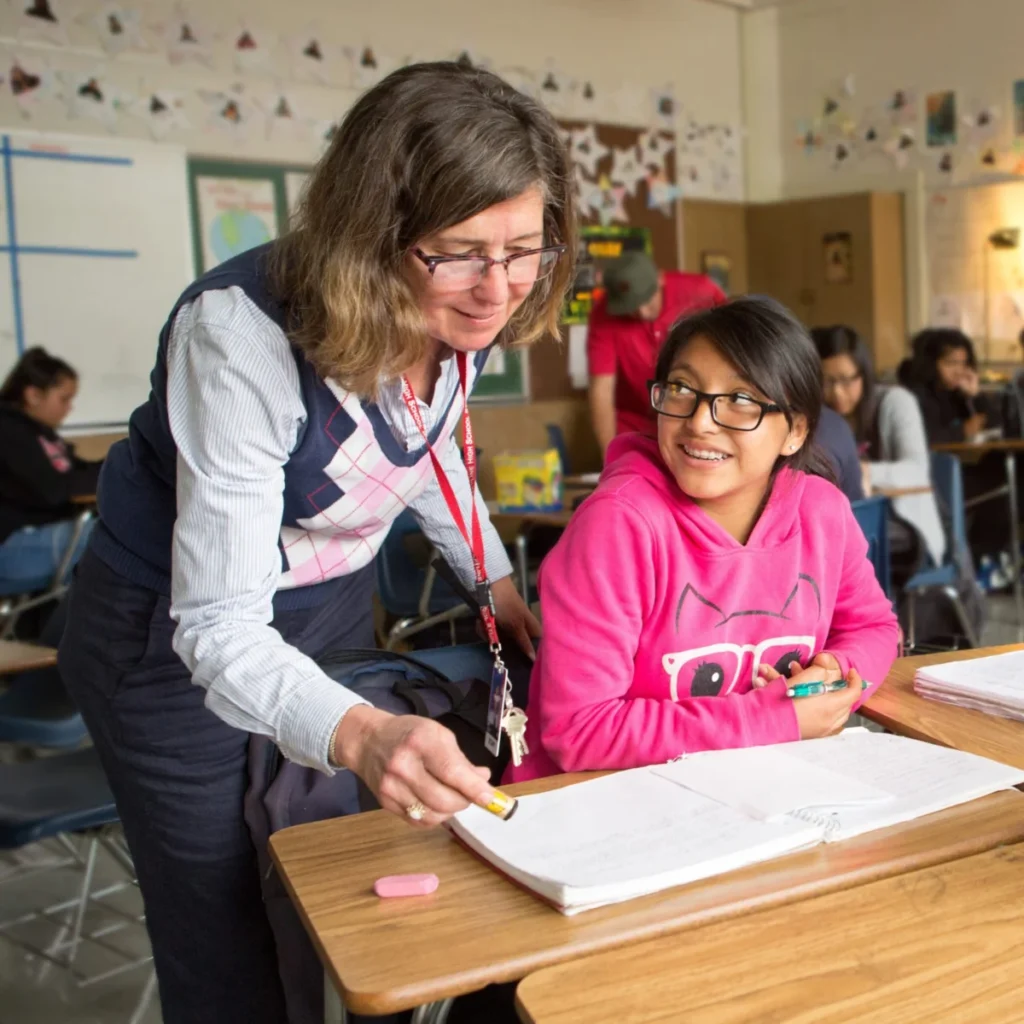
When it comes to high-impact tutoring—the gold standard for closing achievement gaps—the most vital variable is not a proprietary platform or a high-level district contract. It is the human being standing in the school building.
The Architecture of "Dosage"
At the heart of the current educational discourse is the concept of "dosage"—the frequency, duration, and quality of tutoring sessions a student receives. For years, researchers have posited that higher dosage correlates directly with significant academic gains. However, "dosage" is not a naturally occurring phenomenon. It is not an automatic result of signing a contract with a tutoring provider.
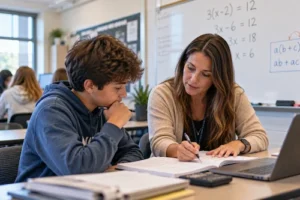
Instead, dosage is the cumulative outcome of hundreds of small, intentional human decisions made every single week. It is the instructional coach who arrives fifteen minutes early every Wednesday to ensure that every student has a functional headset, a fully charged device, and a stable internet connection. This coach has learned through experience that a five-minute technological glitch at the beginning of a session can derail the momentum, frustrate the student, and ultimately negate the value of the instructional time.
It is the principal who sits down with the provider’s data every Friday—not to glance at high-level aggregate numbers, but to interrogate the specifics. This principal asks the hard questions: Who is flying under the radar? Who is consistently attending but failing to show progress? Where does the exit-ticket data suggest a pedagogical mismatch? This level of granularity, and the subsequent course correction that follows, is what keeps research-backed programs from failing in practice.
A Chronology of the Tutoring Evolution
To understand the current emphasis on the human element, one must look back at the trajectory of tutoring interventions over the last five years.
- 2022–2023: The Great Expansion. In the wake of pandemic-era school closures, districts across the United States rushed to deploy high-impact tutoring, often relying on massive federal funding. During this phase, the focus was heavily on procurement and the rapid onboarding of virtual providers.
- 2024: The Reality Check. As the initial wave of implementations concluded, schools realized that access did not equal usage. Many programs saw low engagement rates. It became clear that simply providing a laptop and a login was insufficient to drive student progress.
- 2025: The Refinement Phase. Districts began shifting their focus toward the "human-in-the-loop" model. The realization set in that the most successful programs were those that integrated tutors into the school culture, rather than treating them as external, remote entities.
- 2026: The Human-AI Equilibrium. Today, the discourse has moved toward finding the proper role for technology. The industry is moving away from the "AI-as-tutor" fantasy and toward a model where AI serves as a logistical backbone, freeing human educators to focus on the socio-emotional and pedagogical needs of their students.
Supporting Data: Why Humans Outperform Algorithms
The data supporting the necessity of the human element is compelling. While standalone AI-driven learning tools have become highly advanced, their efficacy in a general student population remains limited by a critical factor: student self-regulation.
Current research from the National Student Support Accelerator indicates that only about 5 percent of students possess the inherent self-regulation skills required to engage with standalone AI tools as intended over the long term. For the vast majority of students, the learning process is inherently social. Without the intervention of a human who notices a quiet grimace of confusion, or a tutor who offers an alternative explanation when a student hits a wall, the learning process stalls.
Furthermore, academic gains are inextricably linked to the student-tutor relationship. When a student feels seen and understood, their motivation to engage with difficult material increases. The human in the building acts as the bridge between the technological interface and the student’s internal cognitive process. When that bridge is absent, the technology often becomes a barrier rather than a conduit for learning.
Official Responses and Industry Shifts
The industry, once enamored with the idea of scalable, "plug-and-play" digital tutoring, is now pivoting to support the human-led model. Leading education providers are increasingly marketing their services not as standalone software, but as a partnership with school-based staff.
In recent policy briefings, educational stakeholders have emphasized that districts must prioritize "human infrastructure." This means allocating budget not just for the tutoring software, but for the stipends of the instructional coaches, the training of the onsite coordinators, and the professional development of the teachers who must integrate tutoring into the core curriculum.
"The research numbers only hold up if the humans make them hold up," says one district superintendent who participated in the 2026 Stanford panel. "We stopped looking for a ‘magic app’ and started looking for a partner who understands that our teachers need to be empowered, not replaced."
Implications for Future Policy
The implications of this shift are profound for school boards, administrators, and policymakers.
The Myth of Replacement
First, we must abandon the notion that AI or remote digital platforms can serve as a comprehensive substitute for human instruction. While AI has a definitive role to play—specifically in scheduling, operational logistics, and providing real-time data analysis to teachers—it is a support tool, not a replacement. Technology can make humans more effective by reducing their administrative burden, but it cannot replicate the empathy and pedagogical intuition required to move a struggling student from frustration to mastery.
Redefining the Role of the School Leader
Second, the role of the school principal is evolving into that of a data-informed, relationship-focused manager. Principals must be trained not just in instructional leadership, but in the specific logistics of tutoring interventions. They are the frontline coordinators who ensure the technology works, that the students are present, and that the curriculum is being adapted to meet individual needs in real-time.
Investing in the Human Engine
Finally, funding structures must be adjusted. If the "human in the building" is the engine of the intervention, then the human must be treated as a critical capital asset. This includes fair compensation, robust professional development, and time for collaboration. We cannot expect teachers and tutors to provide the level of nuanced, human-centric support required for high-impact tutoring if they are overburdened, under-resourced, or disconnected from the core academic mission of the school.
Conclusion: The Non-Optional Human
Four years ago, the consensus was that it was impossible to imagine most struggling students learning effectively without a sustained human relationship. That remains a fundamental truth.
As we move deeper into an era of advanced educational technology, we must resist the urge to view the human element as a "soft" component that can be optimized away. The human in the school building—the person who notices when a student is disengaged, the person who facilitates the technology, the person who provides the encouragement that keeps a student coming back—is the reason high-impact tutoring works.
Technology can streamline the process, provide the data, and offer the tools, but it cannot provide the heartbeat of the intervention. The human is not optional. For any tutoring program to succeed, it must be designed, managed, and delivered by people who understand that the most sophisticated algorithm in the world is no match for a teacher who cares enough to ask, "Why aren’t you making progress, and how can I help?"
In the final analysis, the future of education will not be determined by the software we buy, but by the humans we support.
Susanna Loeb is a professor at Stanford University’s Graduate School of Education and founder and executive director of the National Student Support Accelerator.