
The Invisible Barrier: Why Unconscious Ableism is Eroding Relationships and How to Dismantle It
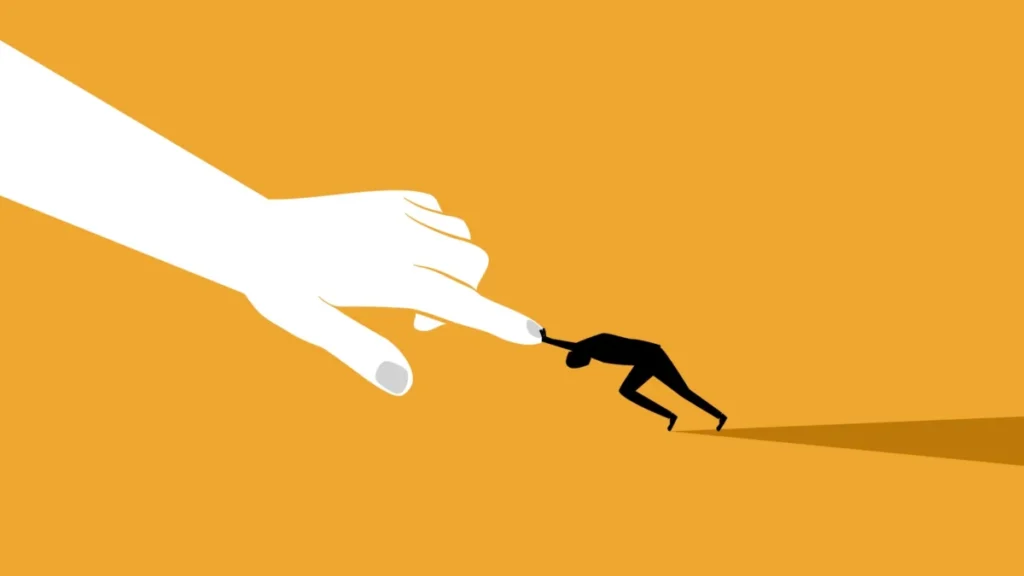
For many neurotypical individuals, the world operates on a series of unspoken, rigid expectations. We assume that if someone cares, they will remember a commitment; if someone is capable, they will initiate a task; and if someone is "trying," they will eventually achieve consistency. However, when these expectations are applied to individuals with Attention Deficit Hyperactivity Disorder (ADHD), they often collide with a biological reality that is fundamentally different. This collision is the breeding ground for ADHD-related ableism—an often unconscious, systemic bias that misinterprets neurodivergent functioning as moral failure.
Main Facts: The Anatomy of Unconscious Bias
Ableism is defined as the discrimination or prejudice against people with disabilities, but in the context of ADHD, it rarely manifests as overt cruelty. Instead, it appears as "common sense" societal conditioning. In clinical therapy settings, this bias frequently surfaces in the language partners and parents use to describe their loved ones:
- "Why can’t they just follow through?"
- "My child should know better by now."
- "This shouldn’t be so hard for them."
These statements are rooted in the assumption that the neurotypical brain is the "standard" or "correct" way to function. When an ADHD brain deviates from this, observers often assign negative character traits to the behavior. A forgotten chore is labeled as apathy; a failure to start homework is labeled as laziness; an impulsive reaction is labeled as disrespect. This shift from viewing a behavior as a symptom to viewing it as a flaw creates a toxic environment of shame and resentment.
A Chronology of Misunderstanding
The trajectory of this misunderstanding usually follows a predictable pattern in relationships and family units:
- The Honeymoon/Initial Phase: Expectations are set based on conventional standards of performance. Both parties assume that "effort" equals "outcome."
- The Friction Point: As the demands of life increase, the ADHD individual begins to struggle with executive function deficits—time blindness, task initiation struggles, or emotional dysregulation.
- The Attribution Error: The neurotypical observer, lacking a neurodivergent-informed lens, attributes these struggles to the ADHD individual’s lack of care or lack of discipline.
- The Shame Cycle: The ADHD individual, having heard these criticisms repeatedly, begins to internalize the ableism. They start to believe they are fundamentally "broken" or "lazy," which often leads to further withdrawal or executive dysfunction.
- The Connection Breakdown: Resentment builds on both sides. The neurotypical partner feels burdened and ignored; the ADHD partner feels misunderstood and constantly criticized.
Supporting Data and Psychological Implications
Modern neuroscience has clarified that ADHD is a neurobiological difference involving the regulation of dopamine and norepinephrine, which directly impacts executive functions like working memory, planning, and emotional control. Yet, societal frameworks remain stuck in a "moral model" of behavior.
Research into internalised ableism suggests that when individuals with ADHD are consistently told their natural state is "wrong," it contributes to higher rates of anxiety, depression, and "rejection-sensitive dysphoria." When a parent tells a child, "You just need to try harder," they are ignoring the biological reality that the child’s brain is not lack of effort, but rather a lack of executive fuel.
Data from therapy outcomes indicates that when the focus shifts from "fixing" the person to "accommodating" the brain, the relationship dynamic shifts from adversarial to collaborative. The goal is to move away from the expectation of "neurotypical performance" and toward "neuro-accurate expectations."
Official and Clinical Perspectives: The Shift Toward Accommodation
Leading mental health professionals increasingly argue that dismantling ableism is not about lowering standards, but about changing the methodology. To "right-size" expectations, stakeholders must stop using the neurotypical manual for a neurodivergent operating system.
1. Acknowledging Blind Spots:
The first step in dismantling ADHD-related ableism is the acceptance that these biases are inherited. We were all raised in a world that prioritizes linear, focused, and organized behavior. Acknowledging that your frustration is a byproduct of your own conditioning—rather than a reflection of your partner’s love for you—is a crucial psychological pivot.
2. Redefining "Lazy" and "Careless":
When a partner forgets to pick up the groceries, the neurotypical interpretation is, "They didn’t care enough to remember." The neuro-informed interpretation is, "Their executive function was overwhelmed, and their working memory failed them." By removing the moral judgment, the conversation shifts from, "Why didn’t you care?" to "What tools can we put in place to ensure this doesn’t slip through the cracks next time?"
3. Maintaining Personal Boundaries:
Crucially, dismantling ableism does not mean sacrificing the neurotypical person’s needs. It is possible to hold two truths simultaneously:
- "I need a partner who contributes to household management."
- "The old, neurotypical way of managing this household (e.g., verbal reminders, standard to-do lists) does not work for my partner’s brain."
Implications: Building a Neuro-Informed Future
When families or partners move toward a neuro-informed lens, the implications for their mental health are profound. The constant background noise of criticism is replaced by problem-solving.
- Decreased Shame: When the ADHD individual is no longer labeled "lazy," they are more likely to seek support and try new systems, as they are not paralyzed by the fear of being judged as a "bad" person.
- Restored Intimacy: Resentment is the silent killer of relationships. By neutralizing the blame, the neurotypical partner stops feeling like a parent, and the ADHD partner stops feeling like a child. The relationship can return to one of peers.
- Collaborative Systems: Once the shame is removed, the focus shifts to innovation. This might mean using digital trackers, visual cues, body doubling, or breaking tasks into micro-steps that don’t trigger executive dysfunction.
Conclusion: Moving Forward
The transition to a neuro-inclusive relationship or home environment is not a one-time event; it is a continuous practice. It requires a daily commitment to pause when frustration flares and ask: Am I judging this behavior as a moral failure, or am I recognizing it as a neurobiological symptom?
This is not about excusing harmful behavior or ignoring the impact of ADHD symptoms on the household. It is about discarding the "old rulebook"—the one that equates human worth with productivity and consistency—and writing a new one that acknowledges the unique wiring of every individual. When we stop measuring our loved ones by their ability to conform to neurotypical norms, we open the door to genuine connection, empathy, and sustainable growth.
Ultimately, the goal is to create an environment where the neurotypical person feels heard and supported, and the neurodivergent person feels safe enough to be themselves. That is the true antithesis of ableism: the radical act of accepting a person exactly as they are, and building a life that accommodates that reality with grace.