The Mechanics of Innovation: Empowering Young Minds Through Simple Machines

In the vast landscape of modern engineering, the most complex systems—from the Mars Rover to the high-speed elevators of urban skyscrapers—are fundamentally built upon the same basic principles used by ancient civilizations. These are the "Simple Machines," a collection of six foundational tools that serve as the building blocks of all mechanical work. By transforming force and direction, these devices allow us to overcome physical limitations, turning monumental tasks into manageable efforts.
For educators and parents alike, teaching the physics of simple machines is more than a lesson in nomenclature; it is an introduction to the logic of the physical world. By exploring the lever, inclined plane, wedge, screw, wheel and axle, and pulley, students gain a toolkit for understanding how the world around them functions.
The Physics of Work: Redefining Effort
To understand simple machines, one must first dismantle the colloquial definition of "work." In the field of physics, "work" is a precise calculation: the amount of force (F) applied to move an object over a specific distance (d). This is captured in the equation W = Fd.
Crucially, simple machines do not actually reduce the total amount of work required to complete a task. Instead, they provide "mechanical advantage." By distributing the required force over a greater distance or changing the direction of the input, these tools allow a human to accomplish feats that would otherwise be impossible. For instance, lifting a heavy load directly is often beyond human strength. By employing a pulley system, we redistribute the effort, making the heavy lift achievable.
The Six Pillars of Mechanics
The taxonomy of simple machines is consistent, yet their applications are infinitely varied. Each functions by manipulating the trade-off between force and distance:
- The Lever: A rigid bar resting on a pivot (fulcrum) that amplifies input force.
- The Inclined Plane: A flat surface tilted at an angle, allowing heavy objects to be moved upward with less effort than a vertical lift.
- The Wedge: A moving inclined plane used to split, separate, or secure objects.
- The Screw: An inclined plane wrapped around a cylinder, converting rotational force into linear motion.
- The Wheel and Axle: A rotating device that reduces the friction of movement, allowing for efficient transport.
- The Pulley: A wheel with a groove that redirects force, typically used to lift loads.
When these machines are combined—for example, a bicycle, which utilizes wheels, axles, and levers—they form "compound machines." Understanding these components is the first step in moving from basic observation to complex engineering design.
Chronology of Human Innovation
The history of simple machines is the history of human progress. The ancient Egyptians utilized the inclined plane and levers to construct the Great Pyramids, moving massive stone blocks that would have been impossible to transport otherwise. Archimedes, the famed Greek mathematician, famously remarked on the power of the lever, stating, "Give me a place to stand, and I will move the Earth."
As civilization progressed, the Roman Empire utilized the screw in their olive presses and the pulley in their construction cranes. The Renaissance saw a surge in the refinement of these tools, as thinkers like Leonardo da Vinci documented complex machines in his codices. By the Industrial Revolution, the combination of these simple machines into massive steam-powered engines signaled a paradigm shift in global productivity, moving society from manual labor to mass production.
Practical STEM Education: Hands-On Projects
The most effective way to grasp these concepts is through tactile experimentation. For students and young engineers, hands-on projects bridge the gap between abstract equations and physical reality.
1. The Pulley System
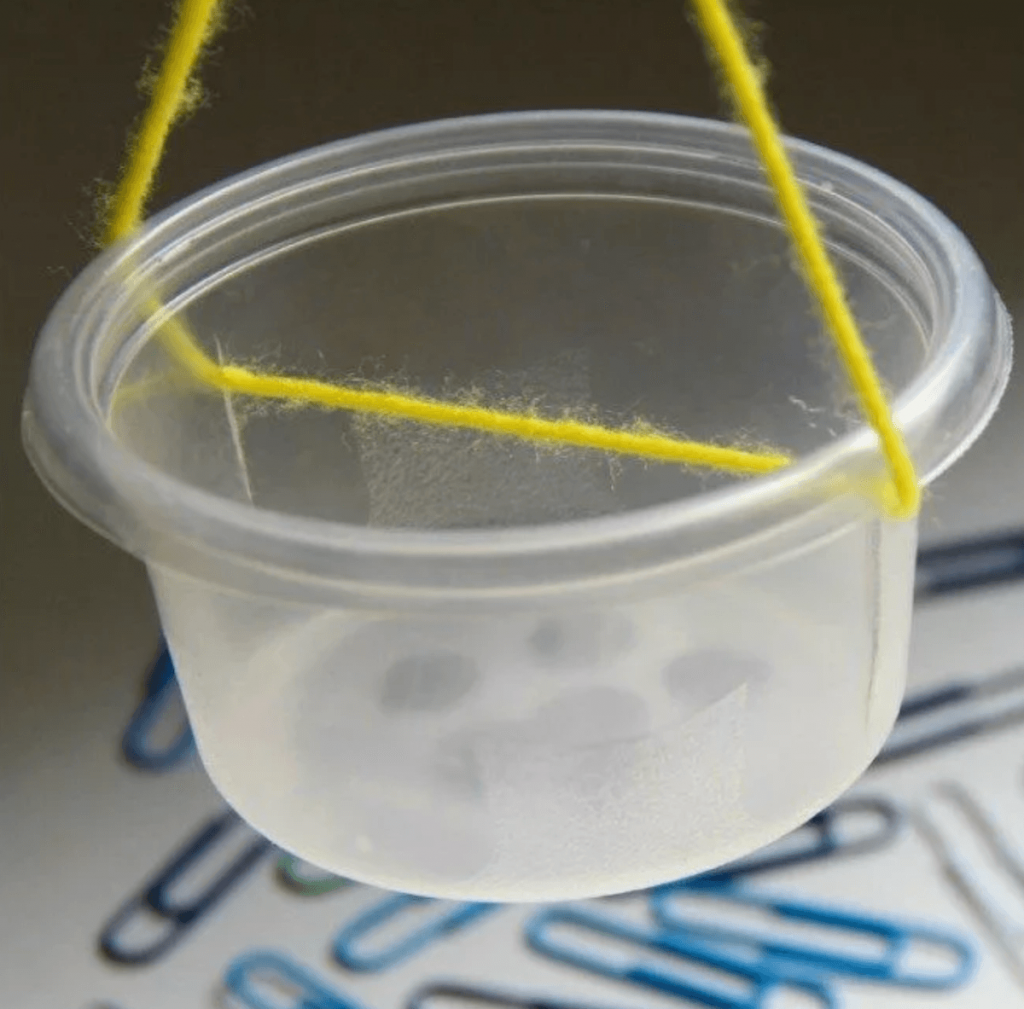
Building a DIY pulley provides an immediate visual for mechanical advantage. By using a string, a spool, and a support frame, students can attempt to lift various weights. When the system is adjusted to include multiple pulleys—a block and tackle—students can observe how the force required to lift the weight significantly decreases.
2. The Inclined Plane Marble Run
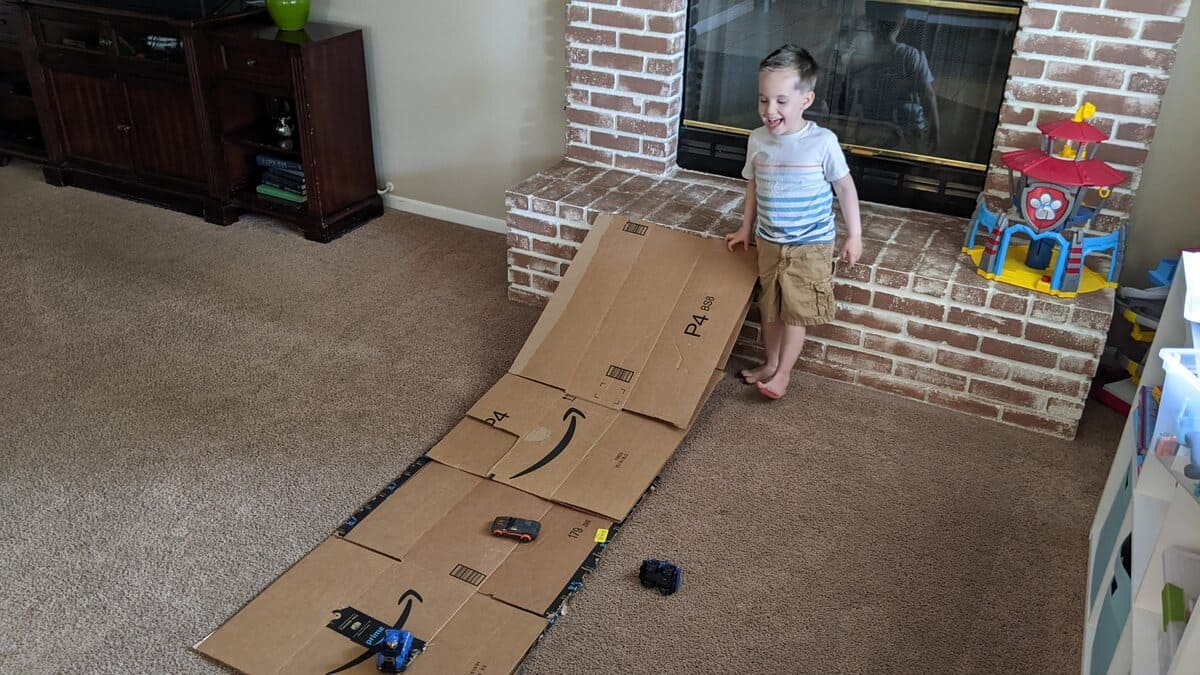
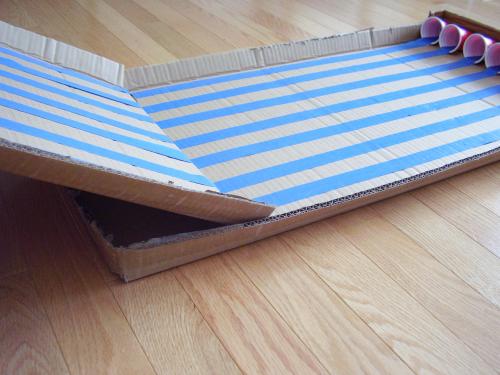
The inclined plane is best demonstrated through motion. By constructing a marble run or a racecourse for toy cars, students can experiment with different angles of elevation. This demonstrates how decreasing the slope (and increasing the distance) reduces the effort required to reach a certain height.
3. Lever Dynamics with Binder Clips
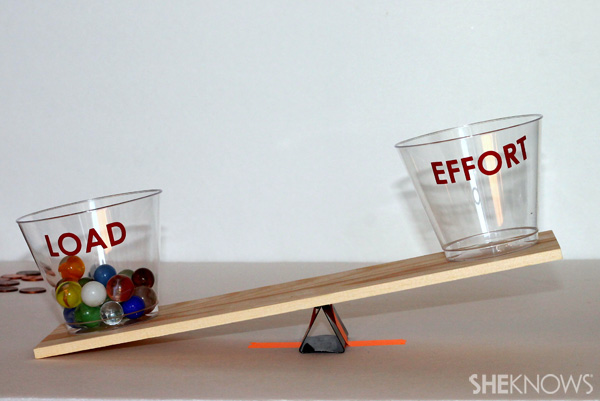
Using a simple binder clip and a ruler, students can create a first-class lever. By shifting the position of the fulcrum (the binder clip), students can observe how moving the pivot point closer to the load makes lifting that load significantly easier, providing a concrete lesson in torque.
4. Splitting Materials with a Wedge
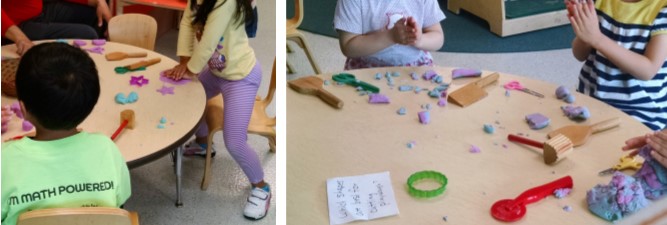
A wedge is essentially a portable inclined plane. Using play dough or soft clay, students can observe the difference between attempting to "cut" the material with a flat hand versus using a triangular wedge. The demonstration effectively shows how the shape concentrates force at a single point to overcome the material’s structural integrity.
5. Screw Demonstration
To illustrate the efficiency of a screw, one can attempt to drive a nail into wood using only manual pressure, then compare this to the ease of rotating a screw into the same material. The screw allows the force to be applied incrementally, demonstrating how rotational motion overcomes resistance.
6. Wheel and Axle Recycled Vehicles
Using cardboard tubes, straws, and bottle caps, students can build their own transport devices. This project highlights the drastic reduction in friction provided by the wheel and axle, allowing for the movement of loads that would be stationary otherwise.
Addressing Misconceptions
Even in academic settings, several myths regarding simple machines persist.
- The Lever Fallacy: A common error is assuming all levers function identically. In reality, levers are classified by the position of the fulcrum, load, and effort. Understanding this distinction is vital for engineering; a seesaw (first-class) behaves quite differently than a wheelbarrow (second-class) or a pair of tongs (third-class).
- The Friction Myth: Friction is often vilified as a hindrance to progress. However, without friction, the wedge would slide out of place, and the wheel would spin uselessly without gripping the ground. It is a necessary variable in the mechanics of these tools.
- The "Work Reduction" Error: As previously noted, simple machines do not decrease the total amount of work (force multiplied by distance). They merely allow the user to exert less force over a longer distance. This is the definition of mechanical advantage, and it is a critical distinction for students to grasp.
Implications for Future Engineers
The study of simple machines is the gateway to sophisticated STEM (Science, Technology, Engineering, and Mathematics) proficiency. When a student builds a Rube Goldberg machine, they are synthesizing these concepts, learning how to chain inputs and outputs to achieve a specific goal.
This educational foundation fosters critical thinking and problem-solving skills that are essential in the 21st-century workforce. As we continue to advance toward automation and artificial intelligence, the core understanding of how physical force is managed remains a fundamental requirement for every engineer, architect, and designer.
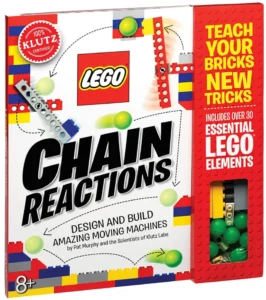
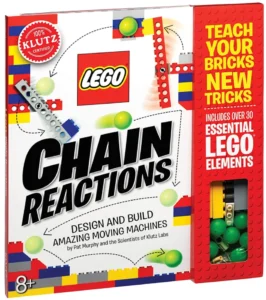
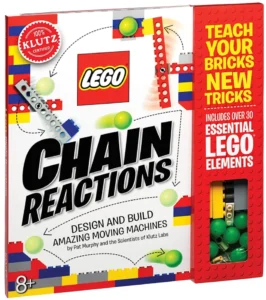
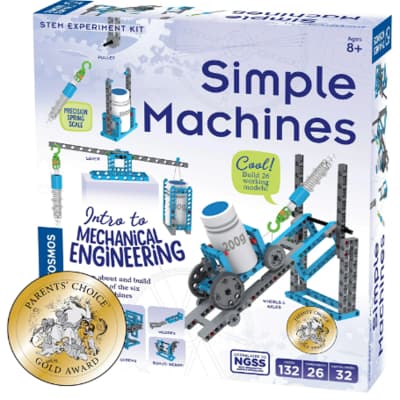
For those looking to supplement their home or classroom learning, there is a wealth of resources available. From curated STEM subscription boxes that deliver monthly engineering challenges to comprehensive model-building kits, the tools to foster a child’s mechanical curiosity are more accessible than ever. By encouraging this exploration, we are not just teaching physics—we are cultivating the next generation of innovators who will solve the challenges of tomorrow.
Whether you are a teacher planning a unit or a parent engaging a curious child, remember that every object in your home—from the doorstop to the kitchen scissors—is a lesson waiting to be taught. Start with the basics, embrace the experimentation, and let curiosity lead the way. Happy building!