The Micromobility Crisis: Why Schools and Universities Are Slamming the Brakes on E-Scooters
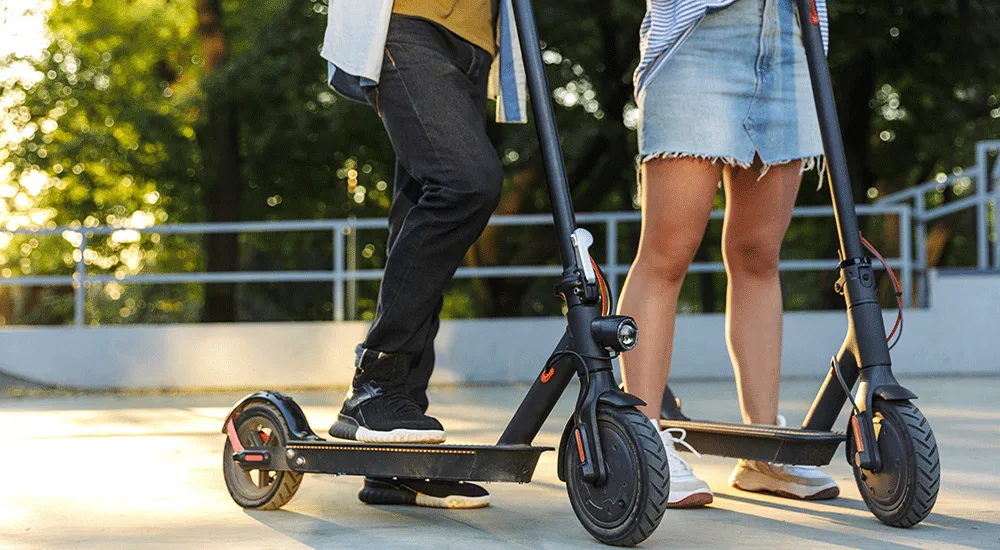
The landscape of modern campus transportation is undergoing a seismic shift. As electric scooters, e-bikes, and hoverboards become ubiquitous features of the urban and academic environment, a growing epidemic of accidents and safety hazards has forced K-12 school districts and higher education institutions to reevaluate their policies. What was once seen as a convenient, eco-friendly solution for the "last mile" of travel has, in many quarters, become a source of significant liability, life-altering injury, and fire risk.
With emergency departments reporting a staggering rise in traumatic injuries, administrators are increasingly opting for stringent bans or, at the very least, comprehensive regulatory frameworks to manage the influx of high-speed, motorized personal transportation devices.
The Escalating Toll: A Statistical Overview
The data provided by the U.S. Consumer Product Safety Commission (CPSC) paints a harrowing picture of the last several years. According to the CPSC’s report, Micromobility Products-Related Deaths, Injuries, and Hazard Patterns, injuries associated with micromobility devices surged nearly 21% between 2021 and 2022 alone.
The trajectory of these incidents is exponential. In 2017, there were 8,566 documented e-scooter injuries. By 2022, that figure had climbed to 56,847. More recent data from the National Electronic Injury Surveillance System (NEISS) indicates that this trend has not plateaued. E-scooter injuries soared from just under 30,000 in 2020 to a massive 118,485 in 2024—a figure that nearly doubles the total of 64,329 recorded in 2023.
The demographic breakdown is equally concerning. While children 14 years and younger comprise only 18% of the U.S. population, they accounted for 36% of all micromobility-related injuries between 2017 and 2022. This disproportionate impact suggests that younger riders may lack the cognitive maturity or physical experience to handle the high speeds and high centers of gravity associated with modern e-scooters.
Chronology of a Public Health Concern
The rise of micromobility is tethered to the explosive growth of the global e-scooter market, which was valued at $48.9 billion in 2025. With approximately 42 million units sold globally in 2024, the presence of these devices on public infrastructure has become inescapable.
- 2016–2020: The early adoption phase saw a steady rise in usage, but emergency rooms began noting a spike in unique, high-velocity injuries. The American College of Surgeons (ACS) reported that the annual cost of hospitalizations related to e-scooters and e-bikes quintupled during this period, rising from $6.6 million to $35.5 million.
- 2021–2022: As shared-scooter programs expanded into 130 cities across the U.S., injuries began to hit record levels. During this period, the CPSC registered 233 micromobility-related deaths, with 111 specifically linked to e-scooter incidents, primarily involving collisions with automobiles or loss of vehicle control.
- 2023–2024: The "regulatory awakening" began. Following a series of high-profile accidents and concerns over lithium-ion battery fires, major institutions—from K-12 districts to Ivy League universities—began implementing total bans on the storage, charging, and use of these devices on campus grounds.
The Physics of Risk: Why E-Scooters Are Uniquely Dangerous
Research suggests that e-scooters are inherently riskier than their two-wheeled counterparts, the e-bike. The ACS findings reveal that scooter injuries are more likely to require major surgery—specifically orthoplastic procedures and cranial operations—than bicycle-related injuries.
Alex Engel, a spokesperson for the National Association of City Transportation Officials (NACTO), points to the physical design of the scooters as a primary culprit. "With e-scooters, the center of gravity is much higher because you’re standing on them, and because the wheels are much smaller, there is significantly less shock absorption. Pavement quality matters far more than it does for bikes," Engel explains.
Furthermore, user behavior exacerbates the physical risks. Studies published in PubMed and other medical journals consistently show that e-scooter riders are less likely to wear helmets and more likely to operate the devices while under the influence of alcohol compared to other micromobility users. In one study of San Francisco riders, less than 2% of those who suffered an injury were wearing a helmet at the time of the incident.
Official Responses: Schools and Universities Take a Stand
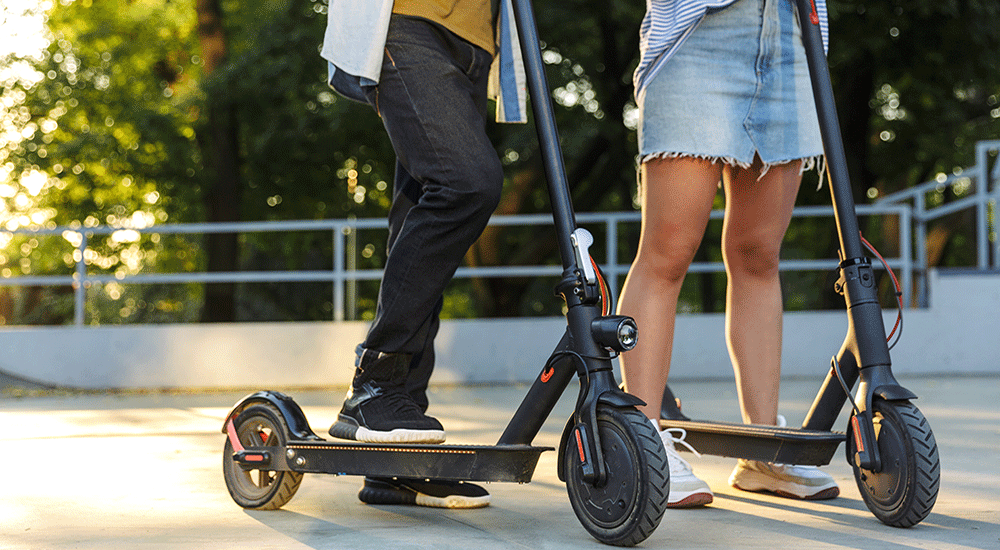
Educational institutions are arguably the most vulnerable to this trend, as they must balance student mobility with the legal and safety responsibilities of hosting thousands of minors or young adults.
K-12 Responses
In Massachusetts, Shrewsbury Public Schools Superintendent Joe Sawyer implemented a total ban on e-bikes and scooters in November 2025. "We have experienced several situations where students riding motorized e-bikes have been involved in unsafe situations that endangered both those riding and others," Sawyer noted.
Similarly, in California, the Menlo Park City School District enacted a policy prohibiting students under 16 from using high-speed e-bikes on campus, aligning with broader county ordinances that prioritize student safety over the convenience of motorized transit.
Higher Education Responses
Universities have been even more proactive, often citing fire safety as a secondary but critical justification for bans.
- Yeshiva University: An early adopter in 2023, the university banned all e-mobility devices, citing the severe risk of lithium-ion battery fires, which had previously caused multiple deaths in New York City.
- University of Notre Dame: The school requires that any e-bike used for commuting must be operated in a "pedal-only" mode while on campus, with all electric-assist features disabled.
- Princeton University: As of early 2024, the university prohibits the use, storage, and charging of all personal electric vehicles, including scooters and skateboards, citing the need for a safe pedestrian-focused environment.
Implications for Campus Administration
The shift toward banning these devices carries significant administrative implications. Schools must now contend with enforcing these policies, providing adequate storage for those who still commute via e-bike, and managing the potential backlash from students who rely on these devices for transportation.
A 2025 survey by UL Standards & Engagement and the League of American Bicyclists found that while 70% of campus leaders report significant safety concerns regarding e-mobility, only 9% have developed comprehensive policies to address them. This "regulatory gap" leaves many institutions vulnerable to litigation and public safety failures.
Recommended Best Practices
For administrators looking to craft their own policies, experts suggest a multi-tiered approach:
- Risk Assessment: Work with local law enforcement and fire departments to identify specific hazards related to charging and high-speed operation.
- Infrastructure Investment: If a total ban is not feasible, invest in designated, fire-safe charging zones located outside of high-density housing units.
- Educational Outreach: Implement mandatory safety seminars for students. Data from North Dakota State University indicates that teens are 7.5 times more likely than older adults to engage in risky behavior, such as drinking and riding, necessitating targeted prevention programs.
- Clear Contractual Language: For schools that partner with shared-scooter companies, ensure that liability waivers and operating agreements are updated to reflect the most current safety data.
Conclusion: Balancing Modernity with Safety
The rapid rise of e-scooters has outpaced the development of safety standards. While the promise of green, efficient transportation remains attractive, the current medical and statistical data suggests that the status quo is unsustainable for school environments. As institutions continue to prioritize the well-being of their students, the trend toward restrictive, safety-first policies is likely to continue. Administrators who act now to implement clear, evidence-based regulations will not only mitigate their legal liability but, more importantly, save lives.