University of Minnesota Faces Severe Financial Pressures, Prepares for Deep Budget Cuts
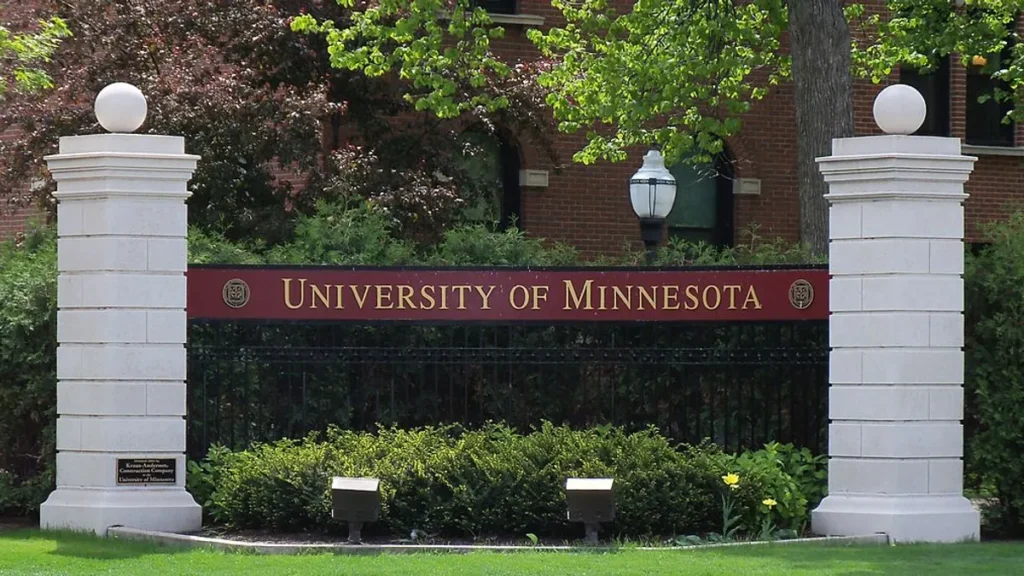
MINNEAPOLIS — Senior leaders at the University of Minnesota (UMN) have warned the campus community that "difficult choices" lie ahead as the flagship public institution grapples with mounting structural deficits. Driven by a combination of shifting enrollment trends across its system, unpredictable state and federal funding streams, and unrelenting inflationary pressures, the university is facing the daunting task of cutting a sizable chunk from its operating budget.
The announcement, delivered by top university officials including President Rebecca Cunningham and Provost Gretchen Ritter, signals a deepening fiscal crisis at one of the Midwest’s premier research institutions. While administrators have emphasized a collaborative approach moving forward, the stark reality of multimillion-dollar shortfalls has sparked widespread concern among faculty, staff, and students regarding the future of academic programming and campus employment.
Main Facts: The Anatomy of UMN’s Financial Crisis
The core of the University of Minnesota’s fiscal challenge lies in a widening gap between operating revenues and expenditures. University leadership has attributed these financial woes to a trifecta of pressures: shifting demographics and enrollment dynamics, volatile public funding from state and federal authorities, and escalating operational costs ranging from employee healthcare and compensation to facilities maintenance and technological infrastructure.
To put the current situation into perspective, the university’s financial strain could translate into sweeping budget reductions—potentially slashing up to $225 million, or roughly 15%, of the institution’s allocated operating revenue. This aggressive budget-slashing posture follows years of incremental belt-tightening designed to shore up the university’s balance sheet without resorting to drastic structural overhauls. However, administrators say minor adjustments are no longer sufficient to address the root causes of the institution’s fiscal imbalance.
Between fiscal years 2024 and 2025, the university’s core operating loss widened by $76.9 million—a 4.9% increase—bringing operating losses to approximately $1.7 billion. While overall bottom-line surpluses have technically been maintained when factoring in state and federal appropriations, private gifts, and restricted nonoperating revenues, the core operational side of the institution continues to bleed resources.
Chronology: A Multi-Year Descent Into Fiscal Tightening
The University of Minnesota’s current fiscal predicament did not materialize overnight. It is the culmination of several years of escalating economic pressures and reactive budgeting measures.
2024–2025: Tuition Hikes and Programmatic Reductions
As inflationary pressures intensified across the higher education sector, UMN took aggressive steps to balance its ledger. In 2025, the university implemented a sharp 6.5% tuition hike at its flagship Minneapolis campus, seeking to offset declining real-term public funding and rising operational costs. Concurrently, leadership enacted a mandatory 7% reduction across programmatic budgets, forcing departments to pare back supplies, travel, and non-essential services.
June 2026: The Fiscal Year 2027 Balancing Act
The university’s financial challenges culminated in a critical Board of Regents meeting in June 2026. Facing an immediate deficit, the board approved a fiscal 2027 budget plan that relied heavily on $98.6 million in internal savings and alternative revenues.
Crucially, this plan required human capital sacrifices. The approved budget mandated the elimination of 165 academic positions alongside another 64 support staff jobs, totaling 229 targeted personnel cuts across the system.
September 2026: The Call for Deeper Reductions
Barely a quarter after locking in the fiscal 2027 budget, senior leadership announced that further contractions were unavoidable. In a joint statement released on September 25, 2026, President Cunningham and Provost Ritter made it clear that the previous rounds of cuts were merely a prelude to a much larger, systemic restructuring effort aimed at safeguarding the university’s long-term economic viability.
Supporting Data: By the Numbers
An analysis of institutional data and budget documents illustrates the scope of the financial headwinds facing the University of Minnesota:
- 229 Job Eliminations: The number of academic and support staff positions slated for elimination under the recently enacted fiscal 2027 budget plan, including 165 faculty and instructional roles and 64 administrative support positions.
- $225 Million Potential Cuts: The estimated financial scale of prospective budget reductions currently under discussion by senior leadership, representing roughly 15% of the university’s allocated operating revenue.
- 72,010 Students: UMN’s total system-wide enrollment for the fall 2025 semester, according to institutional research data. This figure represents a 7.8% increase compared to enrollment figures from five years prior.
- Divergent Campus Trends: While the flagship Minneapolis-St. Paul campus has enjoyed steady enrollment growth, regional campuses—specifically Duluth and Morris—have experienced overall enrollment declines over the past five years, despite witnessing minor, short-term upticks in the fall of 2025.
- $1.7 Billion Operating Deficit: The university’s total operating loss for fiscal 2025, marking an increase of $76.9 million from the previous fiscal year.
Official Responses: Leadership’s Vision and Campus Reactions
In their September 25 message to the university community, President Cunningham and Provost Ritter sought to frame the upcoming budget-reduction phase as both a necessity and an opportunity to modernize university operations.

"This next phase requires deliberate choices about how to reduce expenses and redundancy while we simplify and focus how we work across both our administrative and academic portfolios," the leaders wrote. They explicitly cautioned that the process would involve "difficult choices and conversations ahead."
Recognizing the fatigue and anxiety generated by successive rounds of budget cuts, leadership emphasized a commitment to transparency and shared governance. In response to past criticisms that financial decisions were made behind closed doors without adequate consultation, the administration pledged a highly collaborative framework.
"We have heard a clear desire from faculty and staff for more engagement, understanding, and input into the budget planning process," Cunningham and Provost Ritter noted.
While the exact nature of the upcoming cuts remains unspecified—particularly regarding whether additional layoffs will be required beyond the 229 positions already targeted—campus labor unions and faculty senates have vowed to closely monitor the process to protect working conditions, job security, and academic quality.
Implications: The Broader Fallout for Higher Education
The financial struggles at the University of Minnesota are emblematic of a broader, systemic crisis confronting higher education across the United States. Public flagship universities, long considered financial safe havens within the academy, are increasingly vulnerable to the same macroeconomic pressures that have battered smaller regional comprehensive colleges and private liberal arts institutions for years.
1. The Erosion of the Public Higher Education Model
As state appropriations fail to keep pace with inflation and enrollment demographics shift—characterized by a shrinking pool of traditional college-aged students in certain regions—public universities are finding it increasingly difficult to maintain their historical mission of providing accessible, high-quality education without shifting the financial burden onto students through higher tuition. However, as UMN’s 6.5% tuition hike demonstrated, institutions are rapidly reaching a ceiling regarding what students and families can afford.

2. Academic Portfolio Rationalization
The push to eliminate redundancy and simplify operations suggests that UMN, like many of its peers, will be forced to critically evaluate its academic program inventory. Programs with low enrollment or high operating costs may face consolidation or outright elimination. This risks narrowing the breadth of educational offerings, particularly at regional campuses like Duluth and Morris, which are already grappling with structural enrollment challenges.
3. Strain on Faculty and Staff Morale
Repeated rounds of job cuts, hiring freezes, and workload increases naturally take a heavy toll on campus morale. When support staff and academic positions are eliminated, remaining faculty and employees are frequently asked to absorb extra responsibilities without additional compensation. This dynamic risks triggering brain drain, as top-tier researchers and educators seek out institutions with greater financial stability.
4. A National Trend
UMN’s situation mirrors financial emergencies declared at peer institutions nationwide, from West Virginia University to the University of North Carolina system. As federal COVID-19 relief funds fully expire and economic volatility persists, university administrators are discovering that balancing budgets requires moving past temporary cost-saving measures and undertaking fundamental structural transformations.
Looking Ahead
For the University of Minnesota, the coming months will test the resolve and creativity of its leadership, faculty, and student body. Whether the administration can successfully execute a $225 million budget reduction while preserving its academic mission and maintaining campus trust remains one of the most critical questions facing American public higher education in the mid-2020s.