Bridging the Literacy Gap: How GenAI is Empowering Frontline Health Workers in Rural India
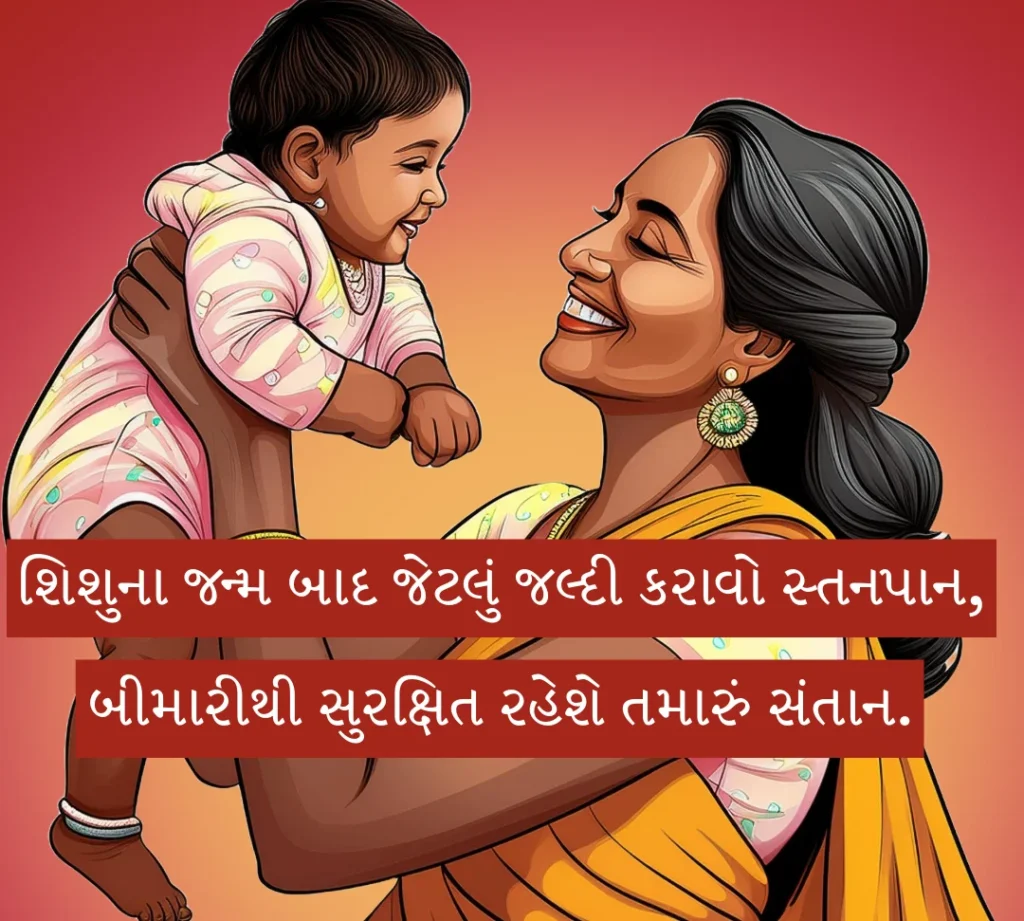
In the remote landscapes of Gujarat’s Devbhumi Dwarka District, a quiet revolution in public health communication is taking place. Here, Anganwadi Workers (AWWs)—the vital frontline social workers who serve as the first point of contact for families regarding nutrition, maternal care, and child development—are undergoing a digital transformation. Through a strategic partnership between World Education, a JSI initiative, and John Snow India Private Limited (JSIPL), these educators are moving from being passive consumers of standardized health materials to active, tech-enabled creators.
By leveraging the generative AI (GenAI) capabilities embedded within Adobe Express, these frontline workers are bypassing the bureaucratic bottlenecks of traditional design processes. They are now creating culturally relevant, visually accessible, and hyper-localized health resources that meet families exactly where they are—on their smartphones and in their daily lives.
The Core Challenge: A Disconnect at the Last Mile
For years, the dissemination of health information in rural India has been hampered by a "communication gap." Traditional health education strategies relied on centralized, top-down approaches where design work was outsourced to external agencies. This model, while professional, proved fundamentally misaligned with the realities of the field for several reasons:
- Cultural and Linguistic Barriers: Materials produced in urban centers often failed to resonate with the specific cultural nuances of the Devbhumi Dwarka District. Even when translated, they frequently lacked the "local feel" necessary to build trust.
- Literacy Constraints: Many families served by AWWs possess varying levels of literacy. Text-heavy pamphlets and posters were often ineffective, creating an immediate barrier to comprehension.
- Logistical Bottlenecks: The process of commissioning, designing, printing, and distributing materials was slow and expensive. By the time a brochure reached a remote village, it was often outdated or irrelevant to the immediate health priorities of the community.
- Connectivity and Access: With inconsistent internet access, the reliance on high-bandwidth, complex systems was impractical. Frontline workers needed tools that were lightweight, mobile-friendly, and capable of being shared instantly via WhatsApp—the primary communication artery for these communities.
Chronology of a Digital Transformation
The initiative did not begin by pushing technology onto workers; it began by listening to the challenges they faced in the field.
Phase I: The Assessment (Baseline)
World Education and JSIPL initiated a period of deep engagement with frontline teams to observe their workflow. They discovered that while AWWs were highly skilled at building relationships, they felt disempowered by the lack of tools available to support their educational sessions. They had the expertise but lacked the design capacity.
Phase II: The Gradual Release Model
Rather than a "one-and-done" training session, the partners adopted a scaffolding approach:
- Modeling: Trainers from World Education demonstrated how to use Adobe Express to build simple visual aids.
- Co-designing: Staff and frontline workers sat side-by-side to convert complex health guidelines into simple, visually appealing posters and GIFs.
- Independent Production: The final phase empowered workers to create their own assets, giving them the agency to address community-specific health concerns without waiting for central approval.
Phase III: Integration of GenAI
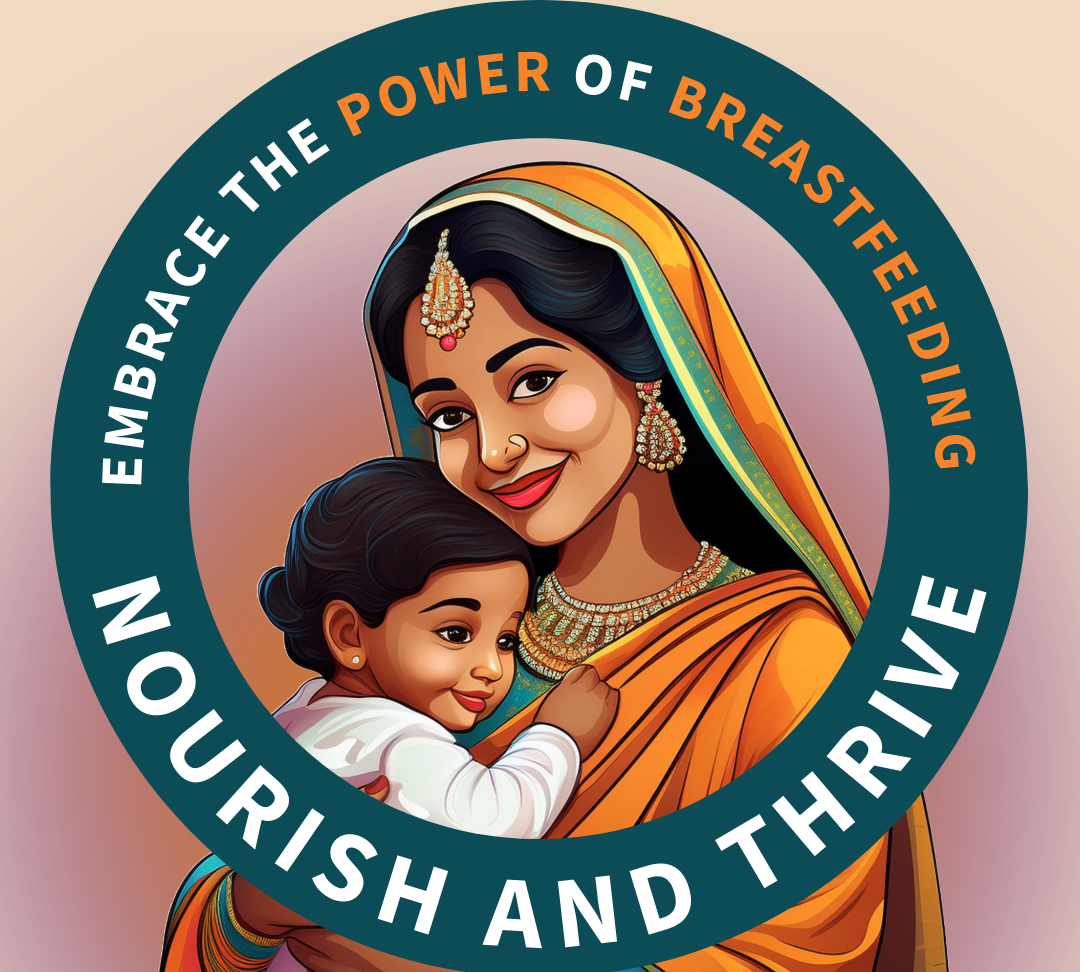
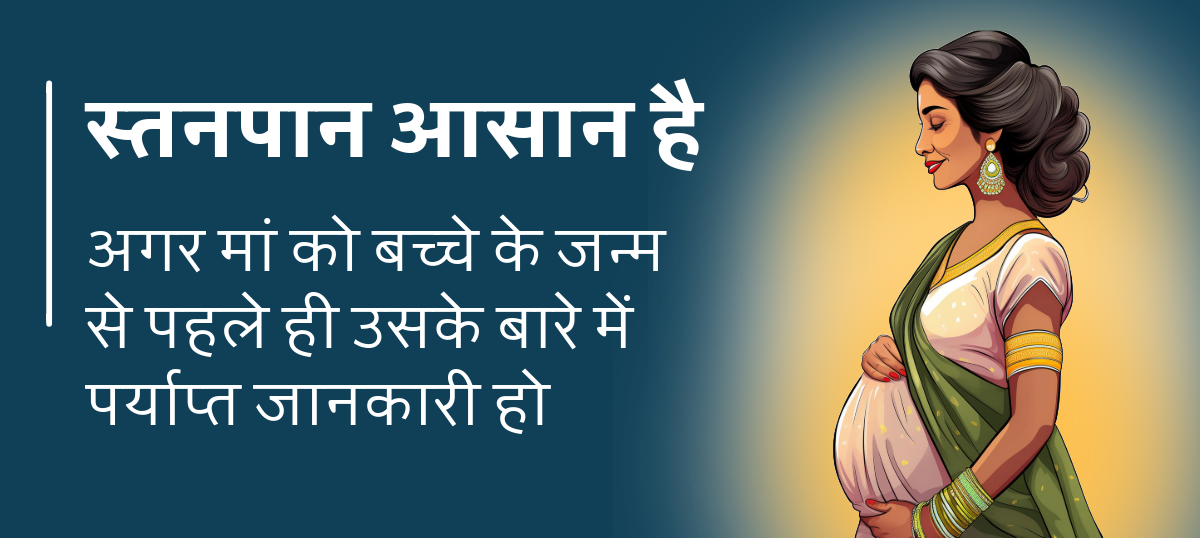
The game-changer was the introduction of GenAI features within the platform. Workers were no longer limited to stock imagery that didn’t look like their neighbors. When a draft poster depicted a lifestyle or environment that felt "foreign" to local families, the AWWs used AI to generate contextually accurate imagery in minutes. This accelerated the design process from weeks to mere moments.
Supporting Data: From Weeks to Minutes
The shift from traditional agency-based design to in-house GenAI production has yielded significant operational improvements. While formal longitudinal studies are ongoing, the preliminary indicators are compelling:
- Production Velocity: Content that previously required a multi-week procurement and design cycle can now be revised or created in under 30 minutes.
- Community Engagement: Field testing revealed that families consistently demonstrated higher recall rates for visual and video-based content delivered via WhatsApp compared to traditional text-based brochures.
- Adoption Metrics: One standout worker became so proficient that she transitioned into a trainer, effectively creating a "train-the-trainer" ecosystem that has expanded the project’s reach far beyond the initial pilot group.
- Cost-Efficiency: By eliminating the reliance on external design firms for basic communication assets, the project demonstrated a scalable model that drastically reduces the per-resource cost of public health outreach.
Official Perspectives: The Value of Augmentation
The success of this initiative has drawn attention from health officials and technologists alike. Dr. Sanjay Kapur, Managing Director of JSIPL, emphasizes that the true value of this project is its scalability and its focus on the "human in the loop."
"This innovation can be scaled easily to millions of such Anganwadi Workers," Dr. Kapur stated. "By empowering them to be creators, we are reaching millions of mothers and children in a short period of time with information that actually resonates."
The project partners are careful to define this as augmentation, not automation. The AI is not replacing the judgment of the frontline worker. Instead, it serves as an "intelligence amplifier." The AWWs remain the sole arbiters of what information is medically accurate, culturally sensitive, and relevant to the family in front of them. The AI simply removes the technical hurdles that previously made it difficult to turn those expert insights into tangible materials.
Broader Implications: Redefining Digital Transformation
The implications of this work extend well beyond the borders of Gujarat. For decades, the global development sector has viewed "digital transformation" as a process of delivering finished software or hardware to developing communities. This project flips that script.
1. The Power of Localized Content
The project underscores a vital lesson: in public health, the medium is as important as the message. When a worker can produce a visual aid that shows people who look, dress, and live like the community members, trust increases. Trust is the most significant currency in public health.
2. Democratizing Design
Adobe Express, equipped with AI, has democratized the design process. By lowering the barrier to entry, it has allowed individuals with limited formal graphic design training to contribute to the professionalization of health communication. This creates a more equitable distribution of creative power.
3. Resilience Through Adaptability
In an era of rapid health challenges—such as disease outbreaks or sudden shifts in nutritional needs—the ability to pivot communication strategies in real-time is a matter of public safety. The GenAI-supported workflow provides a level of agility that was previously impossible in remote, low-resource settings.
4. A New Development Paradigm
The most profound lesson from the World Education and JSIPL partnership is that digital transformation is most effective when it is built with communities, rather than for them. When frontline workers are given the tools to act as content creators, they develop a sense of ownership that leads to sustained engagement and long-term behavioral change within their communities.
Conclusion: The Path Ahead
The success of the initiative in Gujarat serves as a blueprint for other regions and sectors. As generative AI continues to evolve, the focus must remain on these "last-mile" applications—using high-end technology to solve the most fundamental, human-centered problems.
By prioritizing the agency of frontline workers and utilizing technology to bridge the literacy and connectivity divide, organizations like World Education and JSIPL are demonstrating that the future of public health is not just digital—it is personal, accessible, and inclusive. As the project looks toward scaling, the objective remains clear: to continue empowering those on the frontlines, ensuring that every family, regardless of location or literacy, has access to the life-saving information they need to thrive.
This initiative was made possible through the generous support of Adobe and represents a collaborative co-creation model between World Education and the John Snow India Private Limited.