By Educational Leadership Desk Published: August 2026
Main Facts
As the dog days of summer wane and educational institutions nationwide gear up for a fresh academic calendar, school administrators face the perennial challenge of setting the right tone for the months ahead. Too often, the back-to-school narrative is framed by August and September scrambles—frantic textbook orders, last-minute hiring, and logistical nightmares. However, seasoned educators argue that the most successful academic years do not begin when the school doors open; they begin months earlier in the quiet spaces of reflection, personal recharging, and strategic alignment.
In a comprehensive playbook released by S. Kambar Khoshaba, principal of South County High School in Lorton, Virginia, and a member of the National Principals Association Board of Directors, educational leaders are urged to fundamentally rethink their approach to launching a school year. Khoshaba outlines five core strategies rooted in intentionality, collaborative planning, and personal wellness:
Immediate Post-Year Reflection: Conducting evaluations while experiences are still vivid.
Strategic Focus: Narrowing initiatives to deepen existing programs rather than chasing fleeting trends.
Personal Recharging: Prioritizing mental, emotional, and spiritual well-being before pouring into others.
Inclusive Buy-In: Developing improvement plans with stakeholders rather than for them.
Early Parent Partnerships: Aligning community resources with institutional goals from day one.
These strategies challenge the traditional "hustle culture" of school administration, offering a blueprint for sustainable leadership that prioritizes depth over breadth, and community ownership over top-down mandates.
Chronology: The Lifecycle of a School Year
To understand how Khoshaba’s methodology reshapes the administrative timeline, it is necessary to examine the traditional school leadership cycle versus the reimagined model advocated by successful principals.
Phase 1: The Immediate Close (Late May / Early June)
Historically, school administrators conducted year-end reviews in July, after weeks of decompression. Khoshaba notes that a critical adjustment suggested by one of his assistant principals shifted this reflection window to the very week the school year concluded. By reviewing the academic year while memories were fresh, administrative teams could accurately pinpoint operational friction points, celebratory milestones, and administrative blind spots while classrooms were still echoing with student chatter.
Phase 2: The Summer Pause (June / July)
Rather than spending the summer months buried under bureaucratic paperwork or drifting into administrative burnout, leaders are encouraged to carve out intentional space for personal renewal. For Khoshaba, this summer involved celebrating his father’s 90th birthday alongside family—an exercise in grounding oneself in faith and legacy. This period serves as a necessary buffer, allowing leaders to release the burdens of the previous academic cycle and re-enter the professional sphere with clarity.
Before teachers step foot back into the building for professional development, the timeline demands targeted collaboration. Leadership teams must meet with department chairs, student government associations, culture champions, equity leaders, and specialized student representatives (such as military-connected student groups) to vet proposed initiatives.
Phase 4: Community Alignment (Late August)
Before the first bell rings, collaboration extends beyond the school walls. Early engagements with Parent-Teacher-Student Organization (PTSO) boards ensure that financial resources, programmatic goals, and community expectations are synchronized before the academic engine starts running.
Supporting Data and Leadership Insights
The argument for slowing down to speed up is backed by a growing body of research concerning educational leadership burnout, teacher retention, and student achievement.
The Cost of Initiative Fatigue
According to studies by educational research organizations, "initiative fatigue"—the phenomenon where teachers and administrators are overwhelmed by a constant influx of new programs—is one of the leading drivers of educator attrition. When schools attempt to launch five or six major programs simultaneously, implementation fidelity plummets.
Khoshaba’s second strategy directly combats this by advocating for deep work over wide dispersion. By focusing heavily on proven frameworks—specifically Evidence-Based Grading and Positive Behavioral Interventions and Supports (PBIS)—South County High School chose to double down on existing investments rather than seeking out novel, unproven solutions.
Start, Stop, Continue Metrics: Utilizing a framework inspired by media strategist Mel Robbins, administrative teams review photographic logs and calendars of the past year to categorize actions into three distinct buckets:
Start: Introducing paired administrative observations each quarter to support teacher growth.
Stop: Eliminating the cancellation of monthly faculty meetings, preserving vital channels of communication.
Continue: Refining advisory programs to ensure every student forms a meaningful bond with an adult mentor.
The Power of Co-Creation
Data consistently shows that institutional reforms fail when imposed from the top down. By bringing together diverse student voices—including JROTC cadets, equity leaders, and culture champions—schools build a resilient foundation of peer accountability. When students help author the code of conduct or design school culture initiatives, disciplinary infractions decrease and school climate scores rise.
Official Responses and Stakeholder Perspectives
The philosophy of centering human wellness and authentic collaboration has drawn widespread praise from educational bodies, teachers’ unions, and parent associations alike.
Administrative Leadership Perspectives
Veterans in the field of school administration emphasize that principal burnout directly cascades down to the teaching staff and, ultimately, the student body.
"You cannot pour from an empty cup," notes an advisory statement from the National Principals Association. "When principals model healthy boundaries, continuous self-reflection, and collaborative humility, they give their faculty tacit permission to do the same. Leadership is not about having all the answers; it is about creating the conditions where the collective intelligence of the school community can surface."
Faculty and Student Reactions
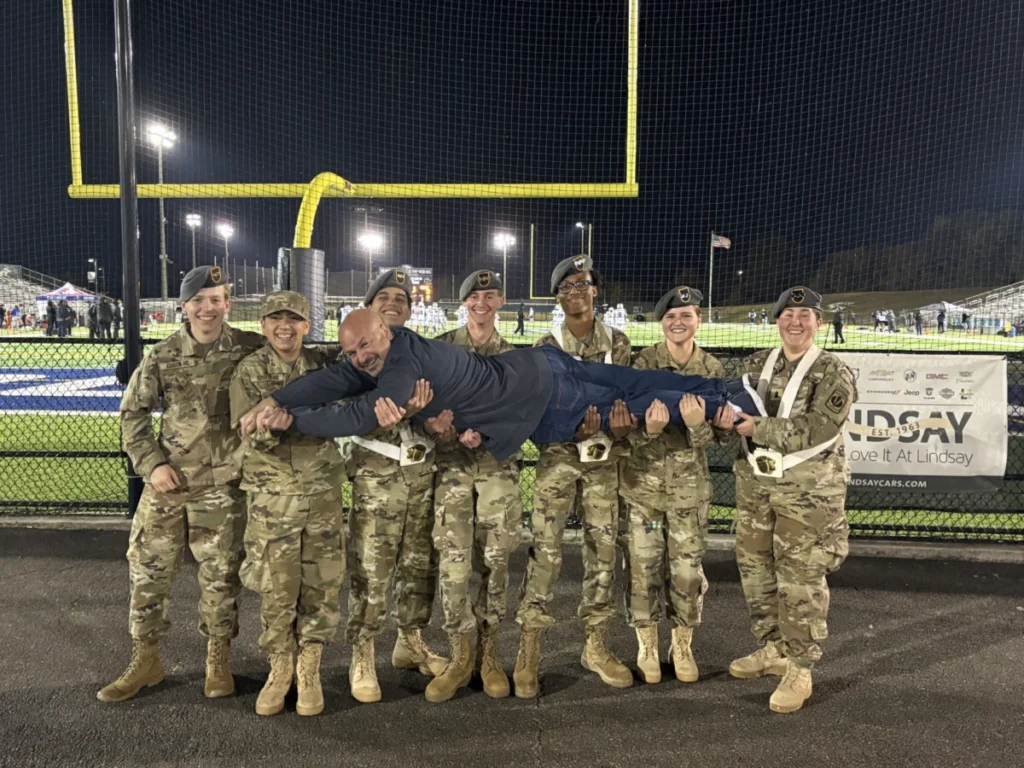
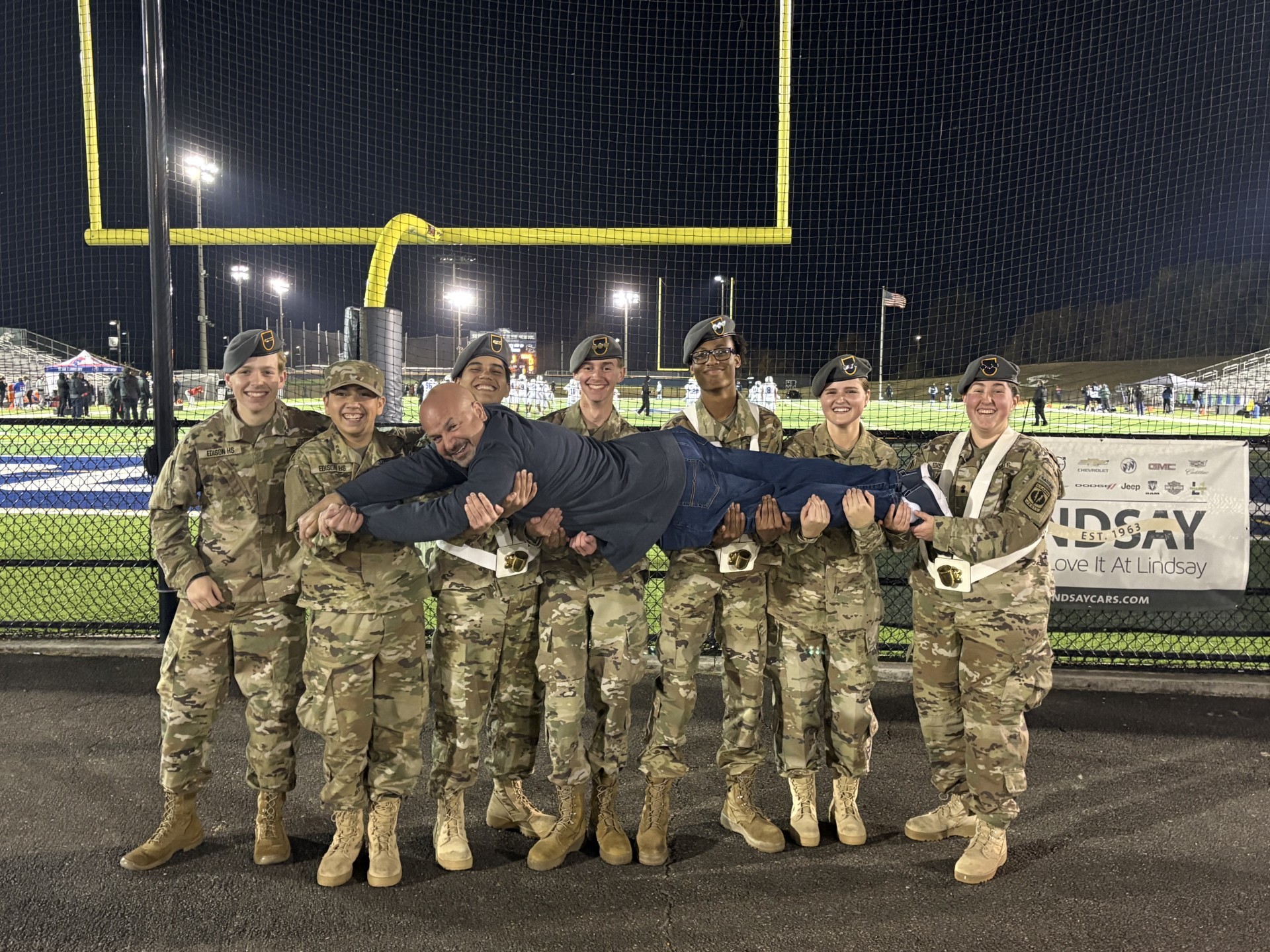
At South County High School, where Khoshaba serves as principal, the proof of these strategies is visible in day-to-day operations. JROTC cadets and student leaders frequently collaborate with administration on school-wide events, such as military-appreciation football nights and cultural showcases. Teachers report feeling less blindsided by administrative mandates because department chairs are consulted weeks before school-wide rollouts.
Parent and Community Voices
PTSO representatives have similarly lauded the early-alignment approach. By reviewing budgetary allocations and school-wide goals prior to the academic rush, parents feel like genuine partners rather than passive recipients of school newsletters. This early consensus prevents friction later in the year when fundraising priorities or policy adjustments are announced.
Implications for the Future of School Leadership
As educational landscapes shift in response to technological advancements, post-pandemic recovery challenges, and evolving societal expectations, the traditional playbook for school administration is rapidly losing efficacy. The implications of Khoshaba’s framework point toward a broader transformation in how schools are managed:
Shift from Compliance to Culture: Schools that prioritize relational trust over compliance-driven metrics experience higher rates of teacher retention and lower levels of student alienation.
The Institutionalization of Rest: Burnout is no longer viewed as an inevitable occupational hazard of educational leadership; rather, it is recognized as a systemic failure that can be mitigated through structured reflection and personal boundary-setting.
Democratization of School Planning: The era of the isolated principal making unilateral decisions in a summer office is fading. Sustainable school improvement requires decentralized planning, where student leaders, department chairs, and parents sit at the table as co-creators of the vision.
Conclusion: A Fresh Opportunity
Ultimately, the transition from one academic year to the next is more than a logistical handoff—it is a philosophical reset. By leaving ego at the door, embracing honest self-assessment, and anchoring institutional goals in shared community values, educational leaders can transform the back-to-school season from a period of high anxiety into an inspiring launchpad for lifelong learning.
As Kambar Khoshaba aptly reminds his peers across the nation: "Every new school year offers a fresh opportunity to become just a little better than we were the year before."
About the Author Note
S. Kambar Khoshaba is the principal of South County High School in Lorton, VA, and a distinguished member of the National Principals Association Board of Directors. His ongoing contributions to educational leadership theory continue to shape best practices for administrators striving to build resilient, student-centered school communities.