Beyond the Checklist: Redefining Hispanic and Latino Identity in Modern America
COLUMBIA, Md. — Growing up, Gavin Falcon heard one phrase more than any other: "Mi familia es mi vida." My family is my life.
It was a mantra woven into the fabric of his upbringing, stamped onto treasured bracelets worn like gold, echoed across scratchy phone lines connecting Maryland to relatives in Puerto Rico, and permanently embedded as the lock-screen photograph on his father’s cell phone. For Falcon, now a high school senior at Long Reach High School in Columbia, Maryland, and a National Student Council state representative, that message transcended mere words. It became a foundational cornerstone of his identity.
Yet, like millions of second- and third-generation Hispanic and Latino Americans growing up on the U.S. mainland, Falcon’s journey with his cultural heritage has been one of constant negotiation. It is a journey defined not by a rigid adherence to stereotypes, but by the complex, beautiful, and sometimes challenging reality of navigating a multicultural existence.
Across the United States, young people like Falcon are challenging narrow definitions of what it means to be Hispanic or Latino, proving that cultural identity cannot be reduced to a simple three-question checklist.
Main Facts: The Anatomy of Modern Latino Identity
The conversation surrounding Hispanic and Latino identity in the United States is undergoing a profound generational shift. At the heart of this evolution is a tension between traditional expectations of cultural performance—fluency in Spanish, physical appearance, and adherence to specific cultural tropes—and the lived realities of a diverse, multifaceted diaspora.
Key elements defining this modern cultural landscape include:
- Linguistic Diversity: While Spanish remains a vital thread connecting millions to their heritage, a significant portion of Hispanic youth on the U.S. mainland grow up bilingual, English-dominant, or speaking Indigenous languages, alongside those who understand Spanish passively without speaking it fluently.
- Racial and Ethnic Heterogeneity: The Latino community is not a monolith; it encompasses individuals of African, European, Indigenous, and Asian descent, shattering the myth of a single "look."
- Cultural Preservation Through Community: For many young Americans, cultural connection is anchored less in linguistic perfection and more in communal values, familial warmth, shared traditions, and collective history.
- Institutional Recognition: Schools and community organizations increasingly rely on events like Hispanic Heritage Month and cultural spirit weeks to showcase the vast diversity within the diaspora, moving past monolithic representations.
Chronology: Growing Up Boricua in the U.S. Mainland
To understand the modern youth experience of cultural identity, one must trace the trajectory of growing up caught between two worlds.
Early Childhood: Immersed in Tradition
For Falcon, childhood was marked by an overwhelming, joyous abundance of family. Surrounded by an expansive network of tías (aunts), tíos (uncles), and primos (cousins) too numerous to count, cultural saturation was a given.
As a proud Boricua—an individual of Puerto Rican descent—Falcon’s environment was visually defined by the Puerto Rican flag. It adorned cars, living room walls, refrigerator magnets, t-shirts, and baseball caps. In these early years, culture was instinctive and unquestioned. Pride was as natural as breathing.
Adolescence: The Linguistic Crossroads
As children of immigrants and mainland-born Latinos enter adolescence, they frequently encounter institutional and social benchmarks that test their sense of belonging. For Falcon, that turning point was language.
While Spanish was constantly spoken around him, he never achieved complete, native-level fluency. Though he could easily navigate conversational exchanges, moments of linguistic insecurity crept in. Does this make me less Hispanic? Am I losing my connection to Puerto Rico? These are questions whispered in classrooms and living rooms across America by youths grappling with the realities of growing up in an English-dominant society.
Young Adulthood: Deconstructing the Stereotypes
By late adolescence, Falcon and his peers began to realize that language was merely one fragment of a much larger mosaic. They observed that countless young people maintain a profound, unbreakable connection to their heritage without speaking fluent Spanish or fitting external expectations of Latino physical traits.
It was during these formative years that Falcon identified the persistent, reductive triad of questions frequently directed at Hispanic youth:
- "Do you speak Spanish?"
- "You don’t really look Hispanic."
- "But can you dance?"
While the final question occasionally invites a lighthearted nod, the cumulative effect of these inquiries is confining. They reduce a rich, global diaspora to flat caricatures.
Present Day: Embracing the Full Spectrum
Today, as a high school senior and student leader, Falcon stands as a vocal advocate for an inclusive, expansive definition of Hispanic identity. Highlighting prominent public figures—such as global superstars Jennifer Lopez and Selena Gomez, neither of whom claim complete Spanish fluency—Falcon emphasizes that speaking English does not erase history, family lineages, or cultural devotion.
Supporting Data: Demographics and Cultural Shifts
The experiences shared by Falcon reflect broader demographic and sociological trends sweeping the United States.
According to data from the Pew Research Center, the U.S. Hispanic population has reached over 63 million, making up nearly 19% of the nation’s total population. However, this growth is accompanied by significant shifts in language use and identity:
- English Dominance is Rising: While the vast majority of Hispanics believe it is important for future generations to speak Spanish, the share of Latino adults who are English-dominant or bilingual continues to grow, particularly among native-born generations.
- The Multiracial Reality: Approximately one-third of U.S. Latinos self-identify as multiracial or report belonging to more than one racial category, highlighting the internal diversity of a population often treated as a single racial group by bureaucratic systems.
- The Power of Heritage Months: Educational institutions have seen record participation in Hispanic Heritage Month programming over the last decade, with schools reporting that cultural showcases significantly improve cross-cultural empathy and student engagement.
These metrics underscore a fundamental truth: the American Latino experience is not static. It is a living, breathing evolution shaped by migration, assimilation, generational change, and active cultural reclamation.
Official Responses and Educational Perspectives: Fostering Inclusivity in Schools
Educational leaders and student advocates are increasingly recognizing the psychological impact of cultural gatekeeping on students. Schools across the nation are rethinking how they celebrate diversity, moving away from tokenism and toward deep, educational inclusivity.
Dr. Elena Vasquez, a professor of sociology specializing in modern diaspora studies, notes that institutional validation is crucial for students navigating hyphenated identities.
"When we tell young people that they must meet a strict checklist to claim their heritage—whether it’s speaking a language fluently or possessing a specific phenotype—we engage in cultural gatekeeping," Dr. Vasquez explains. "Educational environments must become safe spaces where students can explore their heritage on their own terms, without fear of inauthenticity."
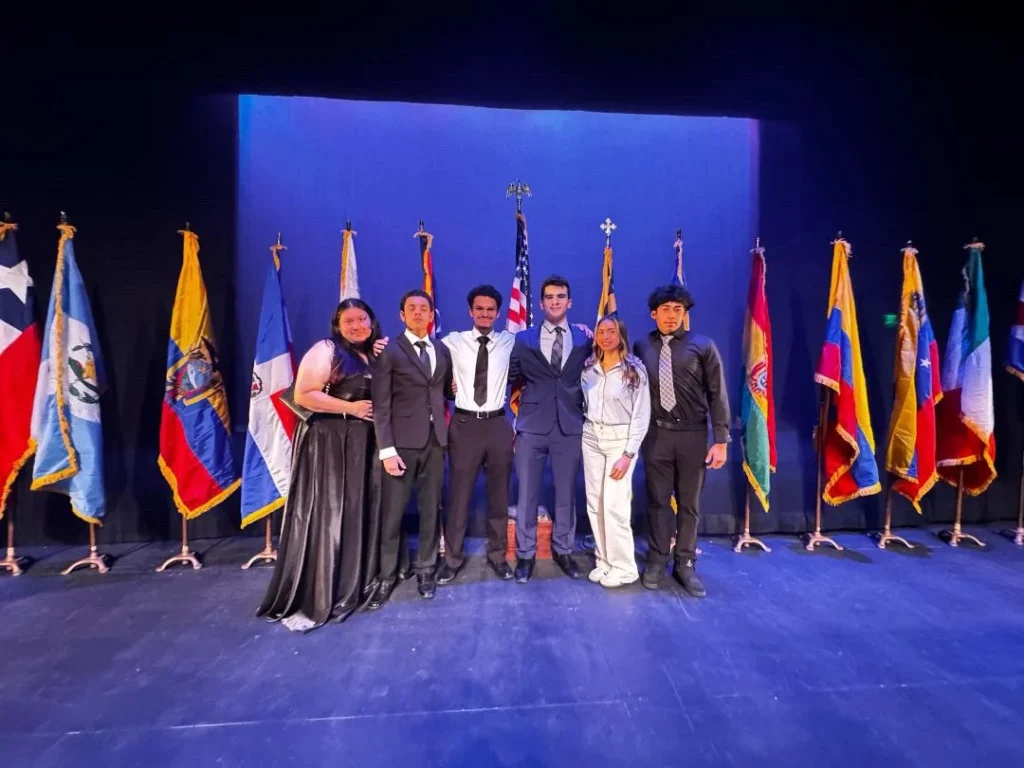
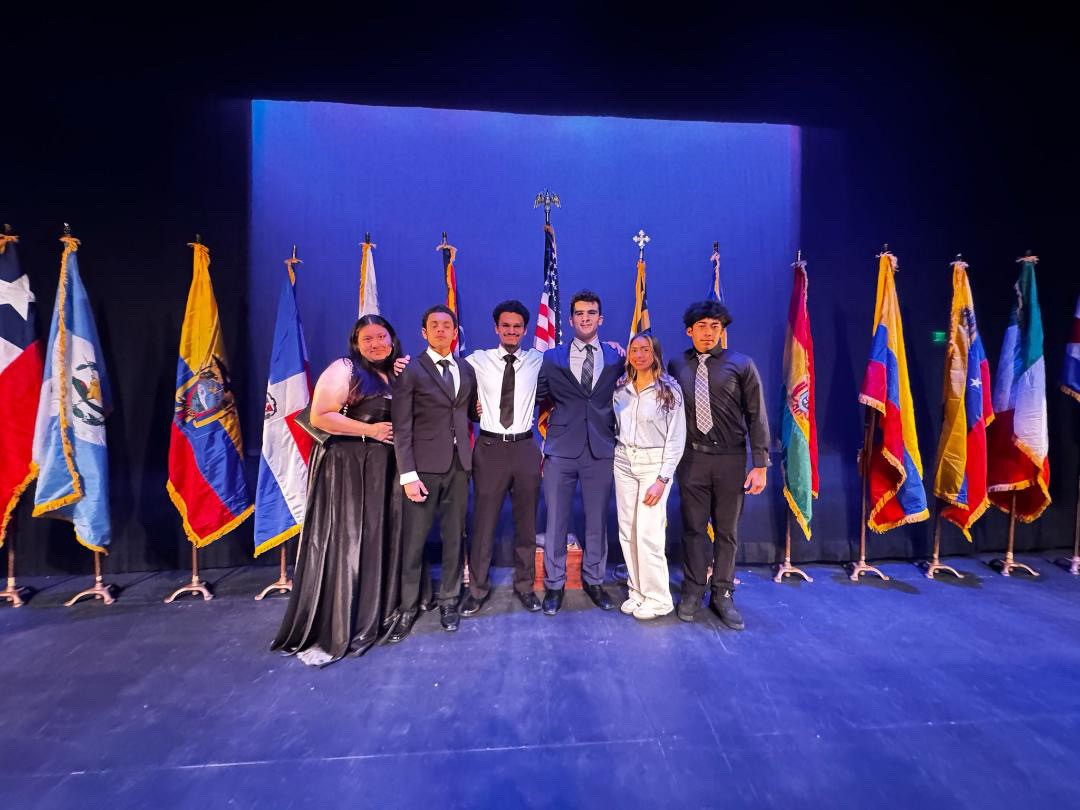
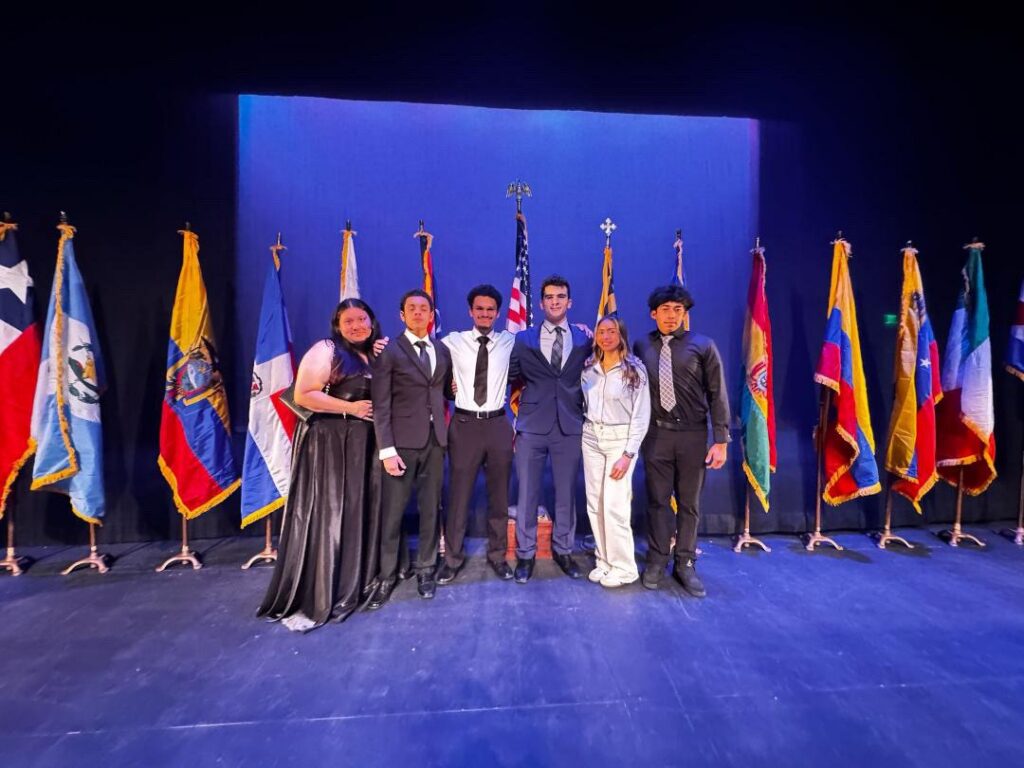
At schools like Long Reach High School in Columbia, MD, student leadership groups have taken the lead in reshaping these narratives. During Hispanic Heritage Month and throughout the academic year, student-led assemblies transcend standard observances. They feature vibrant showcases of music, poetry, traditional dance, stunning quinceañera dresses, and an array of flags representing nations from across Central America, South America, the Caribbean, and Spain.
Administrators have observed that these inclusive environments help dismantle internal insecurities among students. By celebrating the vastness of the community—from Indigenous language speakers to English-dominant youth—schools validate the principle that culture is defined by community and shared values, not linguistic perfection.
Implications: Redefining Community and Belonging for Future Generations
The implications of this cultural recalibration extend far beyond high school hallways. They speak to the very core of how modern multicultural societies define belonging.
When Hispanic and Latino youth reject rigid cultural boxes, they pave the way for a more generous, expansive understanding of community. As Falcon observes, the true essence of Hispanic culture has never resided in checking administrative boxes. It lives in the radical hospitality of the community.
In Hispanic and Latino households, a stranger can walk through the door and instantly become family. An abuela ensures everyone is well-fed; a titi checks in on emotional well-being; neighbors become familia. This intrinsic warmth, combined with an unwavering commitment to honoring ancestors while celebrating contemporary achievements, forms the bedrock of the culture.
For future generations, breaking down these barriers means freedom from impostor syndrome. It means understanding that being Boricua, Mexican, Colombian, Cuban, Dominican, or any part of the vast Latin American diaspora is not contingent on passing external purity tests.
As Gavin Falcon proudly asserts:
"So yes, I may not fit every box. But also yes, I am Latino. I am Hispanic. I am Boricua. And I am proud of it."
In embracing that truth, young leaders across the country are reminding us that culture is not a narrow gate to be guarded, but an open door welcoming everyone home.