Beyond the Classroom Door: How Educators are Bridging the Back-to-School Equity Gap in America
By Educational Journal Staff Reporting
Published: September 2026
Main Facts: The Modern Back-to-School Reality
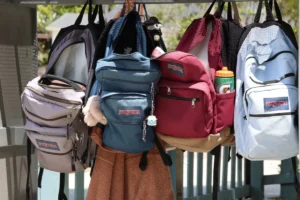
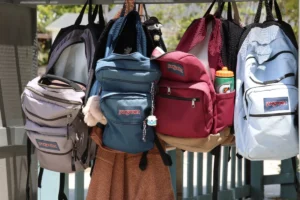
For many Americans, the late-summer rituals of the 1990s evoke a sense of nostalgic comfort: long final afternoons at the public pool, the breathless anticipation of checking class rosters on the front doors of neighborhood schools, and the high-stakes negotiations with parents for trendy footwear like L.A. Lights or Reebok Pumps. In that bygone era, the transition from summer vacation to the academic year was largely marked by standard consumer choices—choosing between standard No. 2 pencils, selecting a new backpack, or deciding on a fresh back-to-school haircut.
Today, however, the landscape of public education in the United States looks vastly different. Behind the gleaming lockers and polished corridors of modern high schools lies a sobering reality: a significant and growing percentage of students arrive on the first day of school without their basic, foundational needs met.
Clayton Lavercombe, freshman principal at Springboro High School in Springboro, Ohio, and the state coordinator for the National Principals Association, knows this reality intimately. Stationed in Warren County—situated strategically between the major metropolitan hubs of Dayton and Cincinnati—Lavercombe and his administrative team witness firsthand the escalating socioeconomic pressures facing modern families.
As nationwide inflation, rising housing costs, and soaring utility bills squeeze household budgets, school supplies have steadily plummeted down the list of financial priorities. When forced to choose between paying monthly rent, keeping food on the table, and purchasing new shoes or notebooks, education invariably takes a backseat.
Despite these stark systemic challenges, Lavercombe’s perspective is far from cynical. Instead, he argues that heightened community awareness has unlocked a profound wave of empathy, hope, and localized action. Through strategic leadership, proactive community engagement, and a commitment to protecting student dignity, educators across the country are discovering innovative ways to ensure that no child’s education is compromised by poverty.
Chronology: The Evolution of Student Support Systems
To understand how high schools are managing student poverty today, it is helpful to trace the evolution of support systems within public education over the past three decades.
The 1990s to Early 2000s: The Era of Individual Responsibility
During the final decade of the 20th century, public schools operated largely under the assumption that foundational needs were managed entirely within the domestic sphere. School districts provided textbooks and basic instruction, while families supplied auxiliary items. Guidance counseling departments focused primarily on academic scheduling and college preparation rather than material deprivation or food insecurity. If a student lacked supplies, the burden typically fell on individual teachers to quietly purchase extra notebooks out of their own pockets.
The Great Recession (2007–2009): A Paradigm Shift
The economic downturn of the late 2000s permanently altered the demographic makeup of suburban and rural school districts. Poverty was no longer confined strictly to inner-city urban centers; it spread rapidly into middle-class enclaves like Warren County, Ohio. Schools began noticing increases in Free and Reduced-Price Lunch (FRPL) applications. Educational institutions slowly transitioned from purely academic centers to vital hubs for social services, introducing weekend backpack food programs and basic clothing closets.
The Post-Pandemic Era (2020–Present): Inflation and Amplified Need
The disruption of the COVID-19 pandemic, followed by consecutive years of aggressive post-pandemic inflation, created a new tier of vulnerability. Families who had previously hovered just above the poverty line found themselves slipping downward. At the same time, social media platforms and hyper-local digital networks emerged as powerful tools for community organizing. Schools could no longer rely on sporadic charity; they had to build systematic, institutionalized partnerships with local governments, non-profits, and student-led organizations to meet daily physiological and material demands.
Supporting Data: The Scale of Modern Student Need
While individual anecdotes from school administrators paint a vivid picture, empirical data from national educational and economic research organizations confirms that student poverty and resource scarcity are widespread systemic challenges.
- The Rising Cost of Supplies: According to annual surveys conducted by the National Retail Federation (NRF), the average family with children in elementary through high school spends hundreds of dollars per child solely on back-to-school gear. For families earning at or below the federal poverty line, these expenses represent an impossible fiscal hurdle.
- Food Insecurity: Feeding America reports that over 13 million children in the United States face food insecurity—meaning they lack consistent access to adequate food for an active, healthy life. Because schools often serve as the primary provider of reliable breakfast and lunch for these children, long school breaks and weekends present severe nutritional gaps.
- Housing and Utility Pressures: According to the U.S. Census Bureau’s American Community Survey, median rent burdens have increased dramatically over the past five years across the Midwest. In suburban counties historically characterized by stability, housing costs now consume upwards of 40 to 50 percent of lower-income household budgets, directly displacing funds previously reserved for clothing, hygiene products, and school materials.
- The Hidden Homelessness and Basic Needs Crisis: The National Center for Homeless Education estimates that well over one million public school students experience some form of housing instability or homelessness annually. Beyond lacking permanent shelter, these students frequently lack access to basic laundry facilities, private showers, and weather-appropriate clothing—deficits that severely impact daily attendance, academic focus, and social integration.
Official Responses and Administrative Strategies: A Blueprint for Principals
Faced with these multi-layered socioeconomic challenges, proactive educational leaders cannot simply wait for federal policy shifts or state-level funding increases. Writing from his experience in Springboro, Principal Clayton Lavercombe outlines a pragmatic, four-pillared blueprint for principals and school administrators seeking to effectively support vulnerable students while maintaining absolute student confidentiality.
1. Know Your Community Inside and Out
A school cannot effectively serve a community it does not truly understand. At Springboro High School, leadership has forged deep, institutional connections with local support structures.
Notably, the school’s director of mental health—who also serves concurrently on the city council—was instrumental in founding the Springboro Community Assistance Center. Today, this vital resource operates directly out of a district building, hosting a bi-monthly food pantry.
Because the pantry is not strictly administered as a disciplinary or punitive school function, it serves as a neutral, safe environment. It allows educators and community leaders to connect organically with families who may be quietly struggling with academic, social, emotional, or financial hurdles. By stepping outside the rigid confines of the traditional classroom, administrators can build trust that translates directly into better student outcomes.
2. Say "Yes" to Community Generosity
In many communities, parents and local business owners possess a sincere desire to contribute to the public school system, but they often lack a clear, frictionless pathway to do so. During back-to-school nights and open houses, parents frequently approach educators to ask what supplies are needed, expressing eagerness to help.
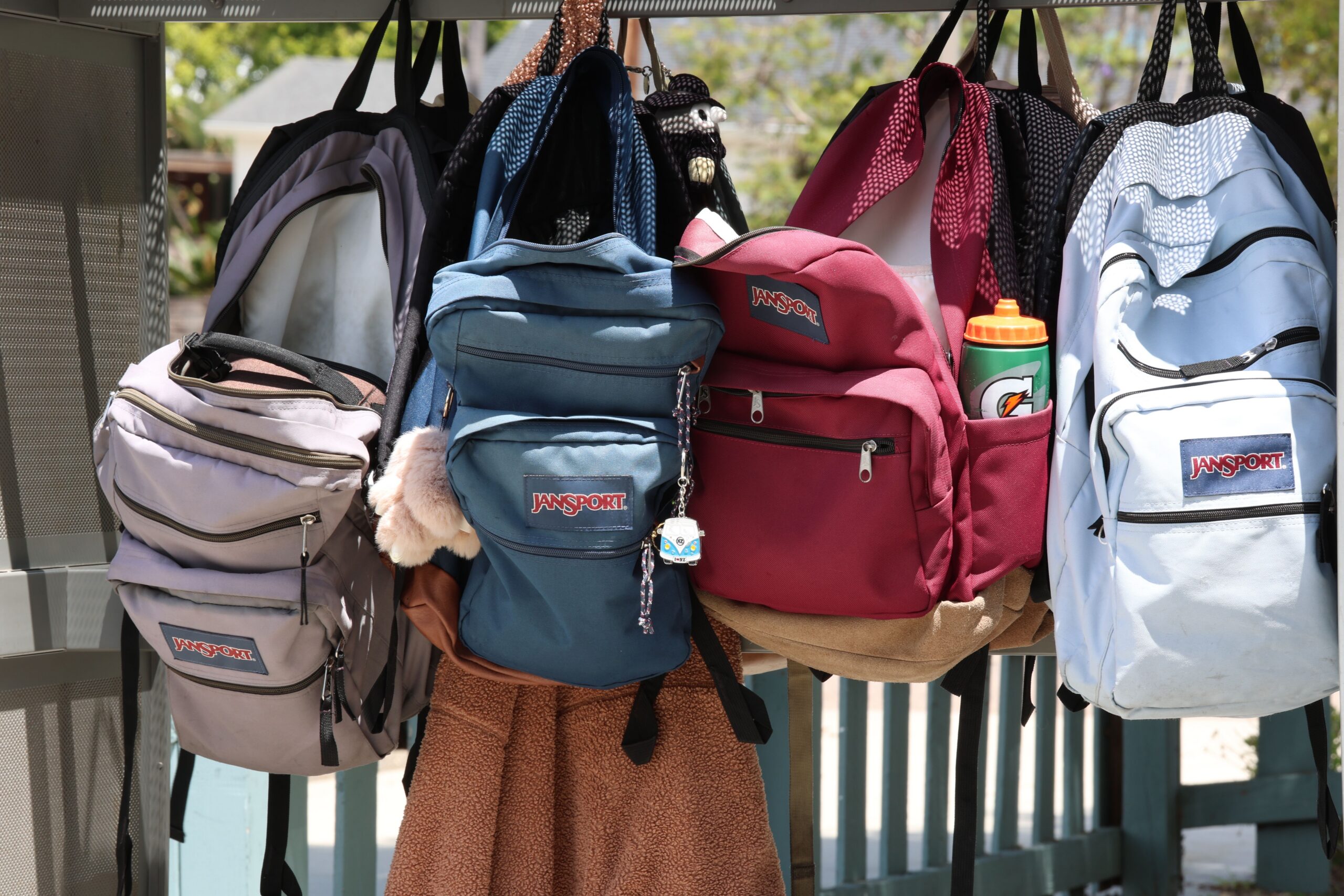
Lavercombe stresses the importance of saying "yes" to these offers. When community members donate backpacks, No. 2 pencils, hygiene products, and new towels, it directly relieves the pressure on families who cannot afford them.
Furthermore, modern donors often leverage their personal social media networks to amplify donation drives, creating a virtuous cycle of localized philanthropy. However, Lavercombe issues a critical caveat: administrators must work with generous individuals directly, discreetly, and confidentially. Maintaining absolute student privacy is paramount; charity should never come at the cost of a student’s self-esteem or public embarrassment.
3. Utilize and Normalize Existing Resources
One of the most persistent barriers to student support is the stigma associated with receiving help. Students who lack access to washing machines, showers, or proper clothing often experience intense shame, leading to truancy, withdrawal, or behavioral issues.
To combat this, Springboro High School utilizes existing school infrastructure to normalize assistance. Last year, administrators identified a student with special needs who clearly lacked regular access to laundry facilities at home. Because the student was enrolled in a life skills class that assisted with washing uniforms for the school’s athletic teams, educators gently encouraged him to bring his personal clothing to wash alongside the team gear.
Furthermore, school leaders made it clear that he was welcome to use the school facilities whenever needed. By embedding these offerings into everyday operational routines rather than treating them as isolated, exceptional interventions, schools can effectively dismantle the stigma of poverty, making students feel safe and comfortable asking for support.
4. Let Students Lead the Charge
Perhaps the most transformative strategy detailed by Lavercombe is the conscious decision to step back and let the student body take ownership of philanthropic initiatives.
During the holiday season, a Springboro student volunteered to organize a school-wide sock drive. The resulting outpouring of community support generated a massive surplus of new socks, towels, and underwear, which teachers and guidance counselors could discreetly distribute to students in need. Similarly, annual Thanksgiving food drives and friendly classroom competitions—challenging students to assemble the most robust collection of non-perishable goods—have proven wildly successful.
Beyond the tangible goods collected, these student-led campaigns serve a vital psychological and civic function. They empower young people with the realization that they possess an authentic voice and that their individual and collective actions can tangibly improve the lives of their peers.
Implications for the Future of American Public Education
The experiences shared by Principal Clayton Lavercombe point to a broader, nationwide evolution in the philosophy of public school administration. As the traditional boundaries separating academic instruction from social welfare continue to blur, the modern principal must evolve into something more akin to a community organizer and social architect.
The Redefinition of Educational Success
For decades, accountability in American education has been measured almost exclusively through standardized test scores, graduation rates, and college-matriculation metrics. However, educators increasingly recognize that a student cannot successfully process algebra or analyze historical texts if their fundamental physiological and safety needs—as outlined by Maslow’s hierarchy of needs—are unmet. By integrating food pantries, laundry access, and community outreach directly into the educational framework, schools are proving that student well-being is a mandatory prerequisite for academic achievement.
The Power of Hyper-Local Solutions
While macro-level political debates regarding education funding, taxation, and social safety nets stall in state legislatures and Washington, D.C., local communities are demonstrating remarkable agility. By harnessing the empathy of parents, the operational capacity of municipal governments, and the idealism of student leaders, individual high schools can construct remarkably resilient support networks.
Protecting Dignity in an Era of Exposure
In an age defined by hyper-connectivity and social media exposure, the challenge of maintaining student privacy has never been more complex. The success of modern school leadership relies heavily on discretion. Programs like those at Springboro High School succeed precisely because they prioritize human dignity, ensuring that receiving a winter coat, a package of socks, or a laundered outfit is experienced as an act of care rather than an indictment of economic status.
Ultimately, Lavercombe’s insights serve as both a diagnostic assessment of modern economic strain and an optimistic roadmap for the future. As long as schools remain deeply connected to their surrounding communities—listening actively, saying "yes" to generosity, normalizing resource utilization, and empowering student leadership—they will remain far more than mere centers of learning. They will stand as the ultimate safety nets for America’s most vulnerable children.