Human potential is built during the foundational window of infancy and toddlerhood. Science reveals that from birth to age three, a child’s brain produces more than one million neural connections every single second. This biological explosion of growth establishes the architectural foundation for lifelong mental health, emotional well-being, cognitive capacity, and physical resilience. Yet, despite mounting scientific evidence confirming that these formative years dictate the trajectory of an entire human life, the infrastructure supporting families, infants, and toddlers remains chronically strained.
Enter organizations like ZERO TO THREE, a national authority dedicated to advancing early childhood development. Through a multi-pronged approach encompassing professional training, public policy advocacy, parent-caregiver toolkits, and frontline research, the organization is spearheading a movement to make babies, toddlers, and their families a national priority. With flagship initiatives such as the upcoming LEARN Conference 2026 in Portland, Oregon, and ground-breaking reports illuminating systemic pressures, the early childhood community is rallying to reshape how society invests in its youngest citizens.
Main Facts: The Core Pillars of Early Childhood Support
At its core, ZERO TO THREE focuses on bridging the gap between cutting-edge developmental science and everyday practice. The organization’s strategic framework is built upon several foundational pillars designed to influence every layer of a child’s ecosystem:
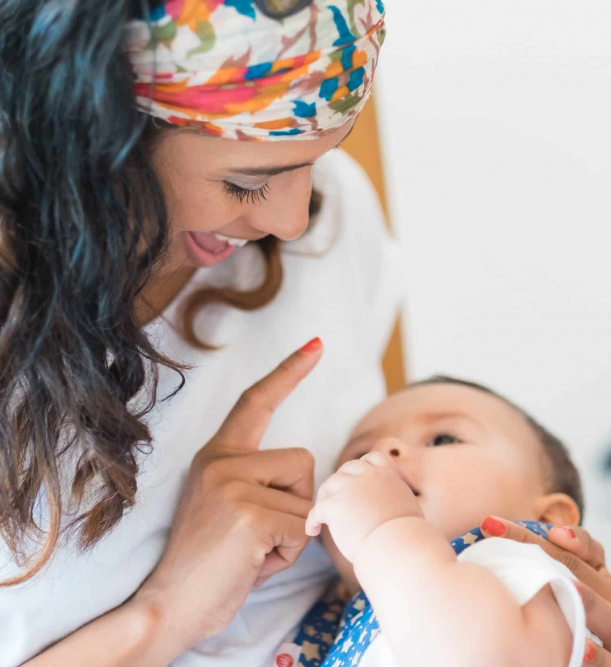
Caregiver and Parent Support: Recognizing that parents are a child’s first and most influential teachers, the organization provides research-backed community care resources, practical parenting tips, and tools focused on emotional regulation and responsive caregiving.
Professional Development: Through specialized curricula such as The Growing Brain and targeted webinars, conferences, and training sessions, ZERO TO THREE equips educators, healthcare providers, mental health practitioners, and family support specialists with actionable strategies.
Public Policy and Advocacy: Engaging directly with state legislators and national policymakers, the organization champions legislation addressing child welfare, equitable early childhood education, and sustainable child care solutions.
Infant and Early Childhood Mental Health (IECMH): Elevating mental and emotional well-being as a baseline healthcare necessity, the organization works to identify and treat trauma, neglect, and environmental stressors in children under three.
Community Capacity Building: Empowering local organizations to create nurturing environments tailored to the unique cultural and socioeconomic needs of their populations.
Chronology: A Year of Growing Strain and Mobilization
2025: A Landscape of Rising Pressures
The urgency driving early childhood advocacy today was heavily informed by data collected throughout the previous year. The release of the landmark report, Rattled: Babies, Families and a Year of Growing Strain, painted a sobering national snapshot of life for families with infants and toddlers in 2025. The report revealed that economic pressure, emotional distress, and systemic uncertainty intensified sharply over the course of the year. Even as families fought valiantly to provide stability and love for their babies, the compounding crises of inflation, inadequate parental leave, and skyrocketing child care costs pushed many households to a breaking point.
Early to Mid-2026: Digital Innovations and Curriculum Rollouts
As the child care paradox—where families pay more than they can afford while educators remain among the lowest-paid workers in the country—continued to destabilize communities, ZERO TO THREE expanded its digital and community toolkits.
The Baby Brain Map: Launched as an interactive mobile and web guide to early brain development, this tool began helping parents and educators visualize neurological growth.
Word Wonders: Released as a free early language and literacy curriculum, this initiative targeted preschool and toddler settings, demonstrating how children learn complex language structures naturally through everyday play.
Virtual Training Innovations: In September 2026, the organization rolled out its newly designed virtual Training of Trainers for The Growing Brain curriculum, combining self-study with live online collaboration to scale professional readiness nationwide.
Late 2026: The LEARN Conference and National Convenings
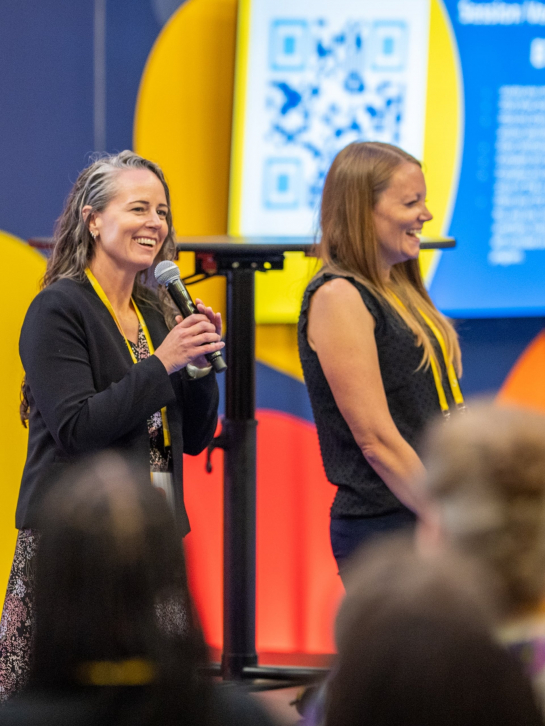
The focal point of the organization’s yearly calendar arrives with the ZERO TO THREE LEARN Conference 2026, scheduled for October 27, 2026, in Portland, Oregon. Designed as a gathering space for professionals to "find their people," the conference offers practical strategies, fresh research insights, and specialized tracks—including sessions on somatic awareness, Indigenous wisdom, and wellness healing ("Partnering with Mother Nature")—to combat professional burnout and foster renewed motivation in the field.
Supporting Data and Empirical Insights
The impetus behind ZERO TO THREE’s advocacy and programmatic design is anchored in empirical data regarding early brain architecture and socio-economic realities:
Neural Plasticity: Scientific consensus confirms that neural connections peak in frequency during the first three years of life, making early interventions vastly more cost-effective and impactful than remediation later in life.
The Child Care Paradox: Economic studies highlighted by the organization indicate that America’s child care infrastructure is collapsing under the weight of underfunding. Low educator compensation has driven a mass exodus of qualified talent, resulting in closed classrooms, squeezed household budgets, and heightened stress levels for infants caught in the middle.
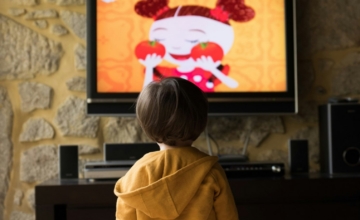
Screen Time and Artificial Intelligence: With the rapid proliferation of digital media and emerging technologies in households, recent guidance—such as the Screen Sense initiative and resources on Artificial Intelligence in Early Childhood—provides parents with critical frameworks (such as five-question decision guides) to balance media consumption with interactive human play.
Parental Emotional Regulation: Research demonstrates a direct correlation between a parent’s ability to regulate their own emotions and a child’s developing self-regulation skills. Programs addressing "the invisible backpack" of historical and emotional baggage carried by caregivers have shown measurable improvements in relational health.
Official Responses and Expert Perspectives
Subject matter experts, clinicians, and organizational leaders have increasingly sounded the alarm regarding the state of infant and toddler wellbeing, while simultaneously championing community-led solutions.
In analyses such as Beyond the Headlines: Expert Analysis on Early Childhood Research, leading developmental psychologists emphasize that policy decisions must pivot away from treating child care merely as an economic "babysitting" service. Instead, experts argue it must be recognized as vital educational infrastructure.
Reflecting on the emotional toll taken on the front lines of care, attendees and trainers at recent national events have underscored the vital need for reflective supervision. As one workshop participant noted, reflecting the sentiment echoed across conventions:
"This is just what I needed to reestablish my motivation in moving forward with this work."
Advocates lobbying on Capitol Hill—visible during mobilizations like Strolling Thunder, where families and young children gather in Washington, D.C.—continue to press lawmakers to prioritize infants and toddlers in federal budgets. Their core message remains unified: supporting a child in their first 1,000 days is a foundational investment that yields multi-generational dividends.
Implications: What Lies Ahead for Families and Professionals
The comprehensive initiatives spearheaded by ZERO TO THREE carry profound implications for multiple segments of society:
1. For Parents and Caregivers
Access to evidence-based resources—such as guides on parallel play, screen-time balance, and emotional regulation strategies—equips parents to navigate modern parenting challenges with confidence. By understanding that young children can experience mental health issues stemming from trauma, neglect, or environmental stress, parents are better positioned to seek early intervention.
2. For Early Childhood Educators and Health Professionals
The systematic training programs, virtual workshops, and specialized curricula (such as The Growing Brain and the LEARN Research/Science Plenary rebroadcasts) elevate the status of early childhood educators from low-wage workers to respected developmental specialists. These tools foster reflective, self-aware practices that directly combat compassion fatigue.
3. For Policymakers and Legislators
The data is unequivocal: neglecting the first three years of life creates downstream costs in K-12 education remediation, healthcare expenditures, and social support systems. By collaborating with state and local policymakers on infant-toddler welfare policies, ZERO TO THREE is pushing for structural reforms that guarantee universal access to affordable, high-quality care and fair compensation for educators.
Conclusion: Calling All Baby Champions
The journey toward a society that fully prioritizes babies, toddlers, and families requires a collective commitment from every corner of the community. Whether one is a parent navigating toddler tantrums, an educator designing infant rooms that encourage autonomy and exploration, a healthcare provider screening for early mental health concerns, or a policymaker drafting state legislation, everyone has a role to play.
As ZERO TO THREE continues to expand its reach through digital curricula, policy advocacy, and national gatherings like the LEARN Conference, the call to action remains clear: to give children the best possible start in life, we must act decisively during their earliest days. By investing in the first 1,000 days, we lay the groundwork for a healthier, more resilient, and more compassionate society for generations to come.