The Science of Illumination: Unveiling the Mysteries of Light
Light is the fundamental medium through which we experience the universe. It is the silent messenger of the cosmos, a form of energy that defines our perception of space, time, and physical reality. From the biochemical glow of a firefly to the complex fiber-optic networks that power our global internet, light is not merely a utility—it is a complex, multi-faceted phenomenon that sits at the intersection of physics, biology, and advanced technology.
Main Facts: The Anatomy of Light
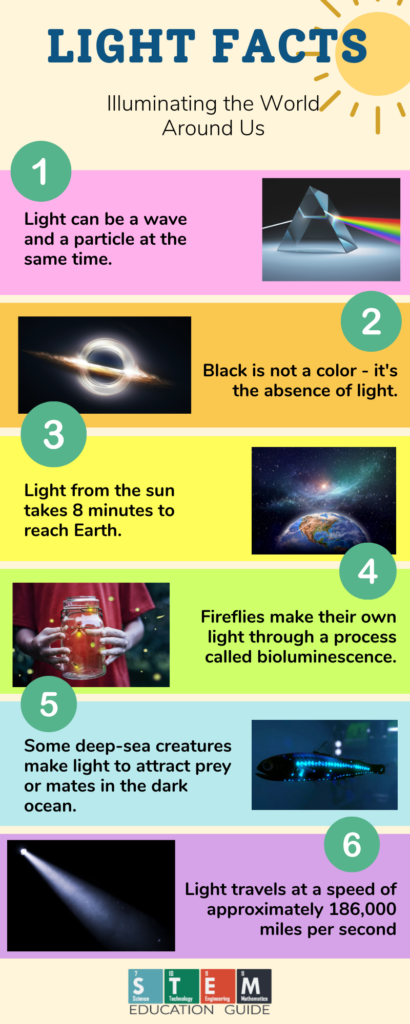
At its core, light is electromagnetic radiation. It occupies a specific portion of the electromagnetic spectrum, known as the visible spectrum, which the human eye is biologically tuned to detect. However, the nature of light is notoriously paradoxical. According to quantum mechanics, light exhibits "wave-particle duality," meaning it travels in waves but is composed of individual packets of energy known as photons.
One of the most staggering facts about light is its velocity. Traveling through the vacuum of space at approximately 186,000 miles per second (roughly 300,000 kilometers per second), light represents the universal speed limit. Despite this incredible pace, the sheer scale of the universe is such that light requires time to travel. Sunlight, for instance, takes roughly eight minutes and 20 seconds to traverse the 93 million miles between the Sun and Earth. When we gaze at the night sky, we are essentially looking back in time; we see stars as they appeared years, centuries, or even millennia ago.
A Chronological Perspective: The History of Light Science
The human quest to understand light has evolved from philosophical inquiry to precise mathematical modeling.
- Antiquity: Early thinkers, including the Greeks, debated whether light was a stream of particles emitted by the eye or rays traveling from objects to the eye.
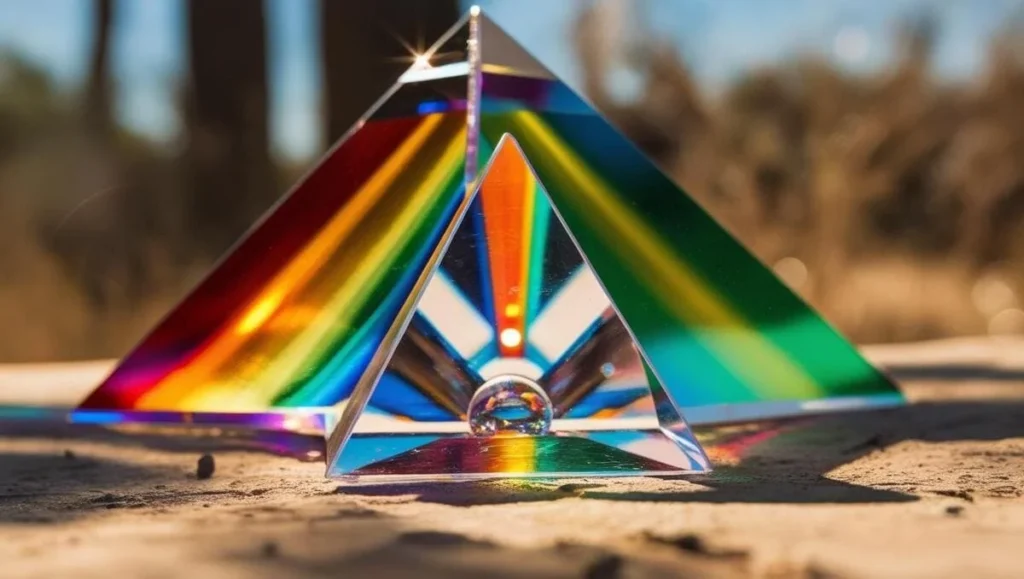
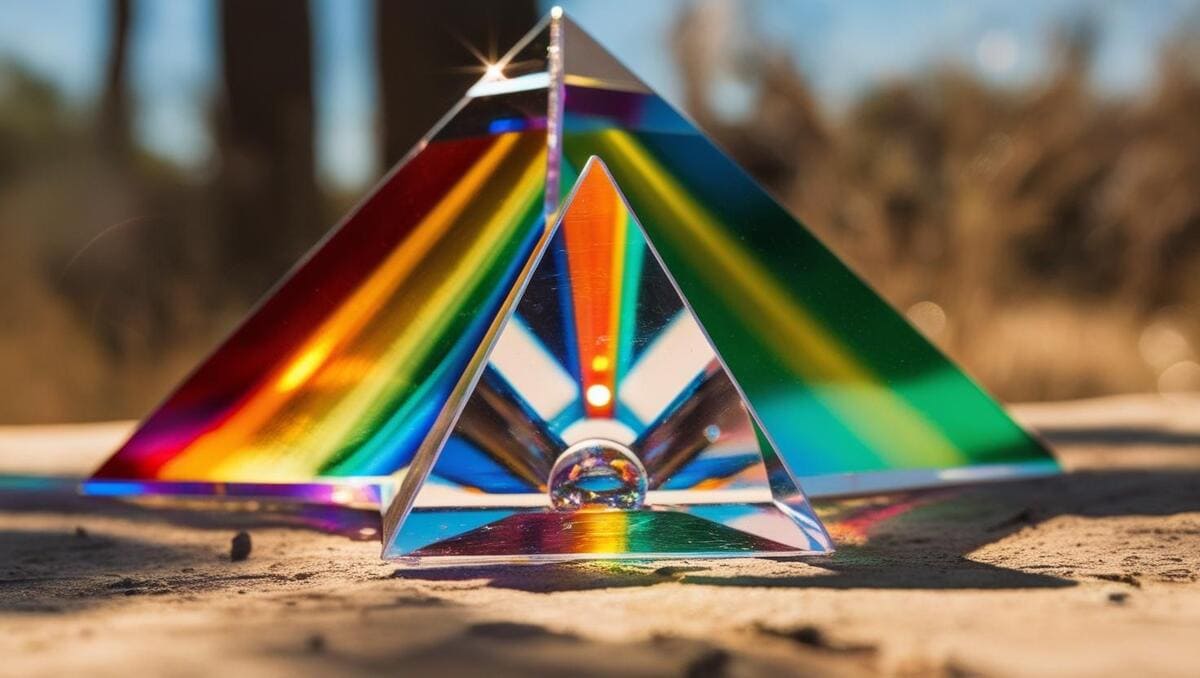
- The 17th Century: This era marked a turning point. Sir Isaac Newton famously utilized a prism to demonstrate that white light is actually a composite of the entire color spectrum. Simultaneously, Christiaan Huygens proposed the wave theory of light, sparking a scientific debate that would last for centuries.
- The 19th Century: James Clerk Maxwell revolutionized our understanding by providing the mathematical proof that light is an electromagnetic wave, unifying the fields of electricity, magnetism, and optics.
- The 20th Century: Albert Einstein further complicated and clarified the picture by explaining the photoelectric effect, proving that light could behave as discrete particles (photons). This solidified the theory of wave-particle duality, a cornerstone of modern quantum physics.
Supporting Data: The Physics of Interaction
When light encounters matter, it does not simply pass through. It engages in a series of complex interactions that determine how we perceive the physical world:
- Reflection: When light strikes a smooth, reflective surface, it bounces back. This is the mechanism behind mirrors and our ability to see objects that do not produce their own light.
- Refraction: As light travels from one medium to another—such as from air into water—it changes speed, causing it to bend. This is why a straw submerged in a glass of water appears broken or displaced.
- Absorption and Transmission: Objects appear colored because they absorb specific wavelengths of light while reflecting others. A red apple, for example, absorbs most of the visible spectrum but reflects red wavelengths, which are then captured by our eyes.
The Visible Spectrum Table
| Color | Wavelength (nm) | Natural Phenomenon |
|---|---|---|
| Red | 620–750 | Sunset hues |
| Orange | 590–620 | Autumn foliage |
| Yellow | 570–590 | Sunflower petals |
| Green | 495–570 | Chlorophyll in plants |
| Blue | 450–495 | Rayleigh scattering in the sky |
| Violet | 380–450 | Atmospheric refraction |
Official Scientific Consensus: Beyond Visible Sight
While human vision is limited to the narrow band of the visible spectrum, the scientific community recognizes that light encompasses a far broader range of electromagnetic radiation. Infrared light, which carries heat, is invisible to us but is used in thermal imaging and night-vision technology. Ultraviolet light, which sits just beyond violet on the spectrum, is responsible for sunburns and is utilized in sterilization processes.

In the medical field, X-rays—a high-energy form of light—allow physicians to visualize internal structures without invasive surgery. Conversely, gamma rays, which possess the shortest wavelengths and highest energy, are studied by astrophysicists to understand the most violent events in the universe, such as supernova explosions and the behavior of black holes.
Implications for Future Technology
The manipulation of light is currently driving the next industrial revolution.

Fiber Optics and Data Transmission
Traditional copper wiring is being replaced by fiber-optic cables. These cables transmit data as pulses of light through thin strands of glass. Because light can carry significantly more information than electrical signals, this technology has made high-speed global internet connectivity possible.
Quantum Computing and Invisibility
Researchers are currently exploring "metamaterials"—engineered structures that can bend light around an object, effectively rendering it invisible to the naked eye. While currently limited to laboratory conditions, this research has profound implications for defense, medicine, and engineering. Furthermore, quantum dots—nanoscale semiconductor particles—are being developed to create next-generation displays that are more energy-efficient and offer color accuracy far beyond current LED standards.

Environmental and Biological Impact
The study of bioluminescence—light produced by living organisms such as jellyfish and fireflies—continues to provide insights into synthetic biology. Scientists are looking for ways to replicate these chemical reactions to create sustainable, "living" light sources that do not require electricity, potentially revolutionizing urban lighting and reducing our carbon footprint.
Conclusion: The Light Ahead
Light remains one of the most dynamic subjects of scientific study. Whether we are peering into the deep past of the universe through the lenses of the James Webb Space Telescope or developing the next generation of light-based computing, our mastery of light is synonymous with the advancement of civilization. As we continue to refine our ability to generate, manipulate, and measure light, we unlock new doors to understanding the very fabric of our existence.
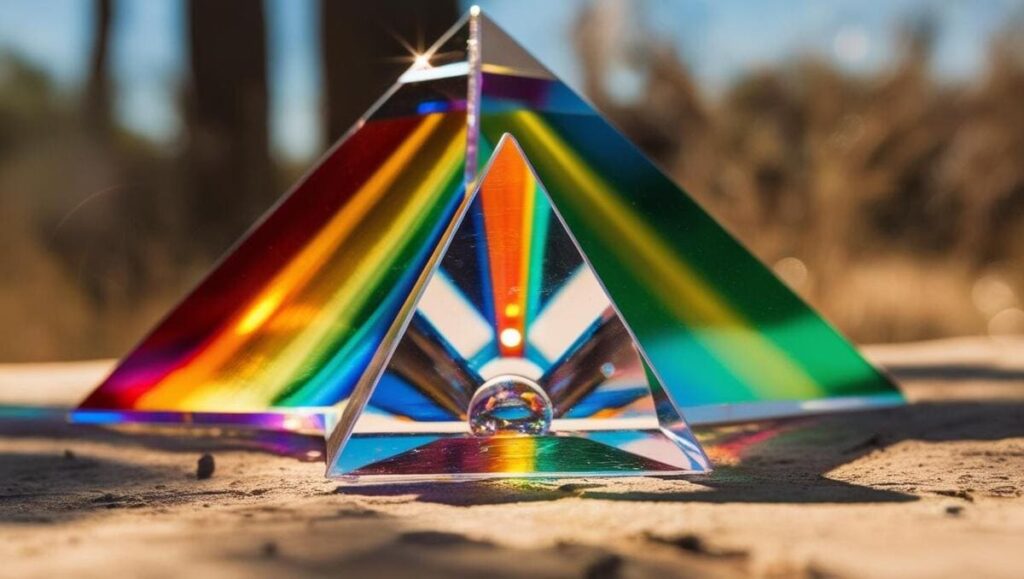
For the next generation of scientists, light serves as both the greatest challenge and the brightest opportunity. From simple classroom experiments with prisms and water to the complex, high-energy research conducted in particle accelerators, the exploration of light is a journey that is far from complete. As we look to the future, it is clear that our ability to harness the power of photons will continue to illuminate the path forward for all of humanity.