Beyond the Brand: A Comprehensive Guide to Magnetic Building Tiles and Their Best Alternatives
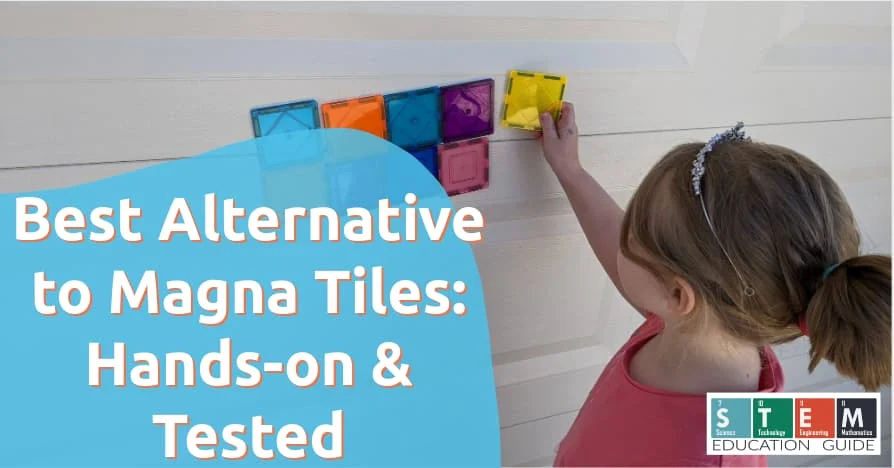
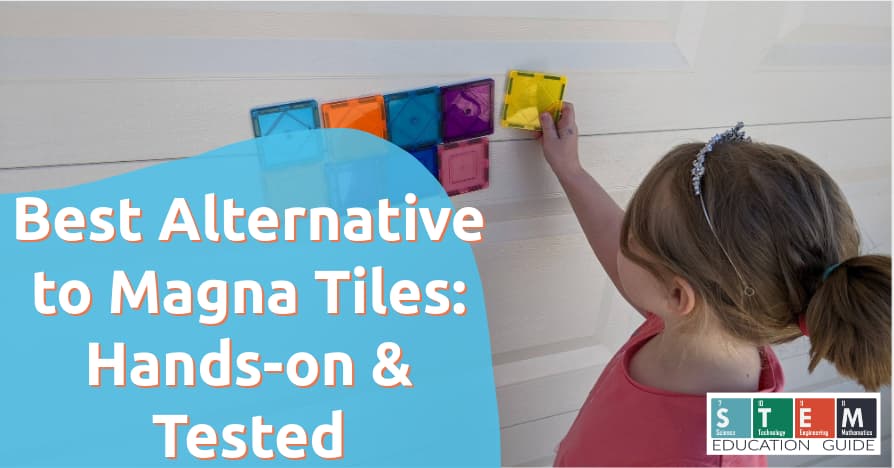
For parents, educators, and STEM enthusiasts, the allure of magnetic building tiles is undeniable. They are the quintessential "open-ended" toy—simple, durable, and capable of transforming from a flat, two-dimensional square into a soaring, three-dimensional architectural marvel. However, as many families have discovered, the most recognizable name in the industry, Magna-Tiles, often comes with a premium price tag that can be difficult to justify, especially when children demand larger sets to build increasingly complex structures.
This guide explores the magnetic tile market, the factors driving price discrepancies, and the best high-quality, budget-friendly alternatives that allow your children to keep building without breaking the bank.
Main Facts: Why the Price Gap Exists
When purchasing magnetic tiles, consumers are often surprised by the significant price variance between the market leader and generic or competitor brands. The primary driver is brand equity. Magna-Tiles were the first to market, effectively inventing the category in the late 1990s. This "first-mover advantage" allowed the company to establish a gold standard for quality, safety, and brand recognition.
However, the cost is not solely branding. All reputable magnetic tile manufacturers must adhere to rigorous international safety standards. Because these toys are designed for young children, they must be tested for non-toxic materials, heavy metal content, and structural integrity to prevent the small, powerful magnets from dislodging—a critical safety concern. While premium brands like Connetix or the original Magna-Tiles often emphasize their proprietary, high-density ABS plastic and reinforced structural design, many off-brand competitors have caught up, utilizing similar high-quality, BPA-free plastics that meet the same safety certifications.
Chronology: The Evolution of the Magnetic Toy Market
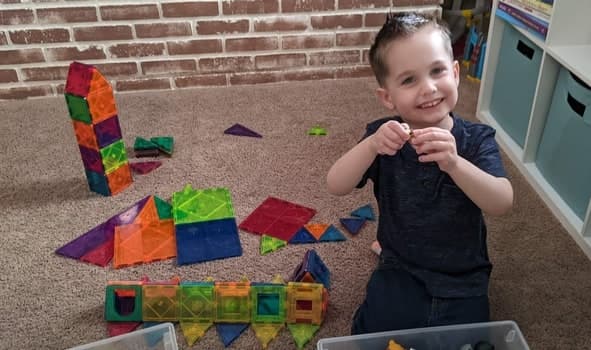
The history of magnetic tiles is a story of educational innovation.
- 1997: The concept of magnetic building tiles was introduced to the educational market. These tiles were designed to introduce children to the fundamentals of geometry, spatial awareness, and engineering.
- Early 2000s: As the toys gained popularity in classrooms and STEM-focused households, the market remained relatively niche and expensive.
- 2010–2015: As patents expired or were bypassed through design variations, a surge of "knock-off" or alternative brands entered the market. These brands began offering competitive price points, forcing a conversation about whether the original premium was still necessary for home play.
- 2020–Present: The pandemic-era focus on at-home learning and screen-free play caused an explosion in the demand for STEM toys. Today, the market is saturated with options, ranging from basic geometric sets to highly specialized expansion packs featuring lights, marble runs, and structural connectors.
Supporting Data: The Case for Alternatives
When evaluating whether a cheaper alternative is "good enough," we look at three metrics: durability, magnet strength, and cross-compatibility.
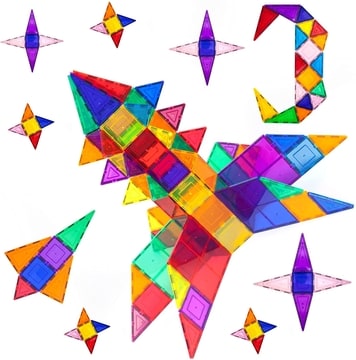
Testing conducted by various parenting and educational resources suggests that while the original Magna-Tiles are slightly more rigid than some of the cheapest generic sets, the difference is often negligible for standard residential use. Furthermore, almost all leading brands (PicassoTiles, Cossy, and Magblock) have embraced universal sizing. This means that a parent can invest in a high-end "starter" set and supplement it with more affordable expansion packs, as most tiles are cross-compatible.
Comparative Market Landscape
- Magna-Tiles: The premium choice. Known for rigidity and brand consistency.
- PicassoTiles: The market leader in the "budget-friendly" category. Highly rated for compatibility and variety.
- Cossy Kids: Renowned for high transparency and vibrant colors, often cited in design-heavy reviews.
- Magblock: Preferred for sets that include specialized pieces like doors, fences, and arches, reducing the need for separate, expensive add-ons.
Official Responses and Safety Standards
It is important to note that the toy industry is highly regulated. Organizations like the Good Housekeeping Institute regularly perform independent testing on these products. The consensus is clear: provided you purchase from a reputable retailer (such as Amazon, Target, or specialized educational toy stores) and ensure the product bears the appropriate safety certifications (such as ASTM F963 in the US), an alternative brand is just as safe as the market leader.
Companies like Magna-Tiles maintain their premium pricing by enforcing strict retail price controls. This is why you will rarely see the original brand go on sale; the company protects its brand value by ensuring consistent pricing across all authorized retailers.
The Best Affordable Alternatives
1. PicassoTiles
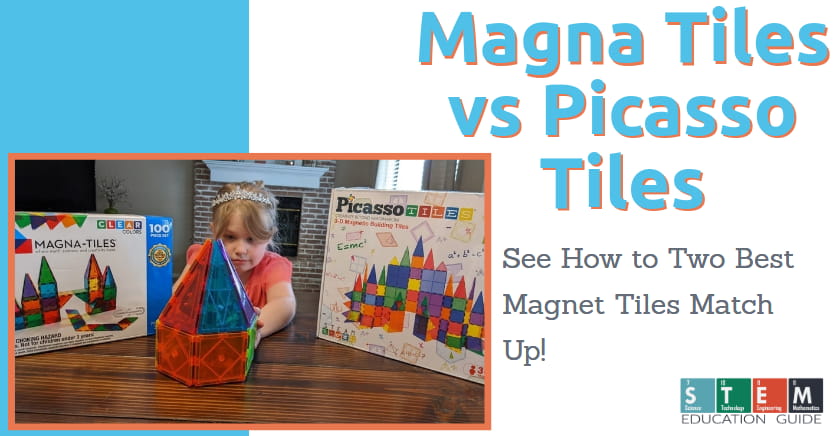
PicassoTiles consistently ranks at the top of our reviews for the best Magna-Tile alternatives. We have tested them side-by-side with industry leaders, and they demonstrate remarkable resilience. Their greatest strength lies in their massive catalog of sets, ranging from large starter packs to niche add-ons. Because their dimensions mirror the industry standard, they integrate seamlessly with existing collections, allowing your child to expand their "neighborhood" of masterpieces indefinitely.
2. Cossy Kids Magnetic Tiles
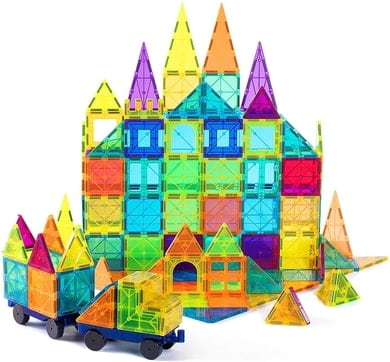
If your goal is to create "stained glass" style light play, Cossy Kids is the standout choice. They are known for their exceptional transparency and vibrant, high-saturation colors. In our testing, we found that these tiles illuminate beautifully when placed near windows or under artificial light. They have proven durable enough for multi-year daily use, and they offer clear, age-appropriate packaging that helps parents choose the right complexity for toddlers versus school-aged children.
3. Shapemags
Shapemags provide a unique "literacy-meets-building" twist. By utilizing "Stile Mags"—magnetic slips featuring letters, numbers, and pictures that snap onto the surface of the tiles—they transform a simple building session into a phonics or math lesson. This is an excellent choice for parents looking to integrate STEM play with early childhood education.
4. Magblock
Magblock distinguishes itself by including functional pieces like working doors, fences, and complex archways in their standard kits. Many other brands require you to purchase these as separate, expensive expansion packs. By including them in the core set, Magblock allows children to replicate real-world architecture with significantly less financial investment.
Implications: Building the Future of Play
The shift toward more affordable magnetic tiles has profound implications for childhood development. By lowering the entry cost, families can now afford to purchase more pieces. This is crucial because, in the world of spatial reasoning, quantity matters. A child with 100 tiles is limited; a child with 300 tiles is an architect.
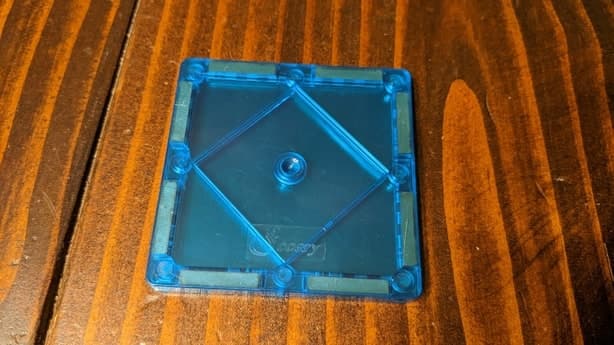
When children have access to a wider variety of shapes and a larger volume of materials, they move from simple stacking to complex engineering. They begin to experiment with cantilevers, weight distribution, and structural stability.
A Tip for Educators and Parents
To maximize the value of your set, treat it as a tool for inquiry-based learning. Instead of just letting your child play, ask questions that challenge their perception:

- "How does the weight of this tower change as we add more levels?"
- "Why does this structure collapse while that one remains standing?"
- "How does the light change as it passes through the blue tile versus the red one?"
By encouraging this dialogue, you turn a plastic toy into a sophisticated laboratory for physics and design. Whether you choose to invest in the original brand or explore the vibrant, cost-effective world of alternatives like PicassoTiles or Cossy, the most important outcome is the same: providing your child with the tools to build, dream, and learn through play.
Ultimately, the best brand is the one that gets used. If you find yourself hesitant to let your children play freely because of the cost of a set, you are missing the point of the toy. Opting for a reputable alternative allows you to foster a culture of creative abandon in your home, where the only limit to what can be built is your child’s imagination.