Beyond the Box: The Ultimate Guide to STEM Subscription Services for Young Learners
Subscription boxes for children have transformed from a niche novelty into a cornerstone of modern educational enrichment. While companies like KiwiCo have become household names by making science, technology, engineering, and mathematics (STEM) accessible, the market has exploded with specialized alternatives. For parents, educators, and gift-givers, this surge in options offers a unique opportunity to tailor learning to a child’s specific passions.
Whether you are looking to supplement a homeschool curriculum, reduce screen time, or simply provide a recurring spark of curiosity, the variety of available kits is vast. This guide explores the landscape of STEM subscription boxes, analyzing the top contenders, their unique pedagogical approaches, and how they foster critical life skills.
The Evolution of Hands-On Learning: Why STEM Matters
The shift toward project-based learning is rooted in the understanding that children learn best when they are active participants. STEM education is not merely about memorizing facts; it is about cultivating a mindset that views the world as a series of problems waiting to be solved.
The Core Benefits of STEM Engagement
The benefits of integrating STEM activities into a child’s routine are multifaceted:
- Critical Thinking and Problem-Solving: By navigating the challenges of building a mechanical toy or conducting a chemical experiment, children learn to troubleshoot and iterate—skills that are essential in any professional field.
- Reduced Screen Time: In an era where digital consumption dominates, these physical kits provide a tangible alternative that engages fine motor skills and sensory processing.
- Intrinsic Motivation: When a child successfully assembles a working gadget or completes a complex experiment, the dopamine release reinforces a positive association with learning.
- Structured Educational Support: For homeschooling families, these kits provide pre-vetted, expert-designed lessons that remove the burden of planning and material sourcing from parents.
A Comparative Analysis: Top Alternatives to KiwiCo
While KiwiCo remains a titan in the industry, several competitors have carved out distinct niches by focusing on specific developmental stages or academic disciplines. Below, we break down the leading options that have been rigorously tested by families and educators.
1. CrunchLabs: Engineering with a Pro
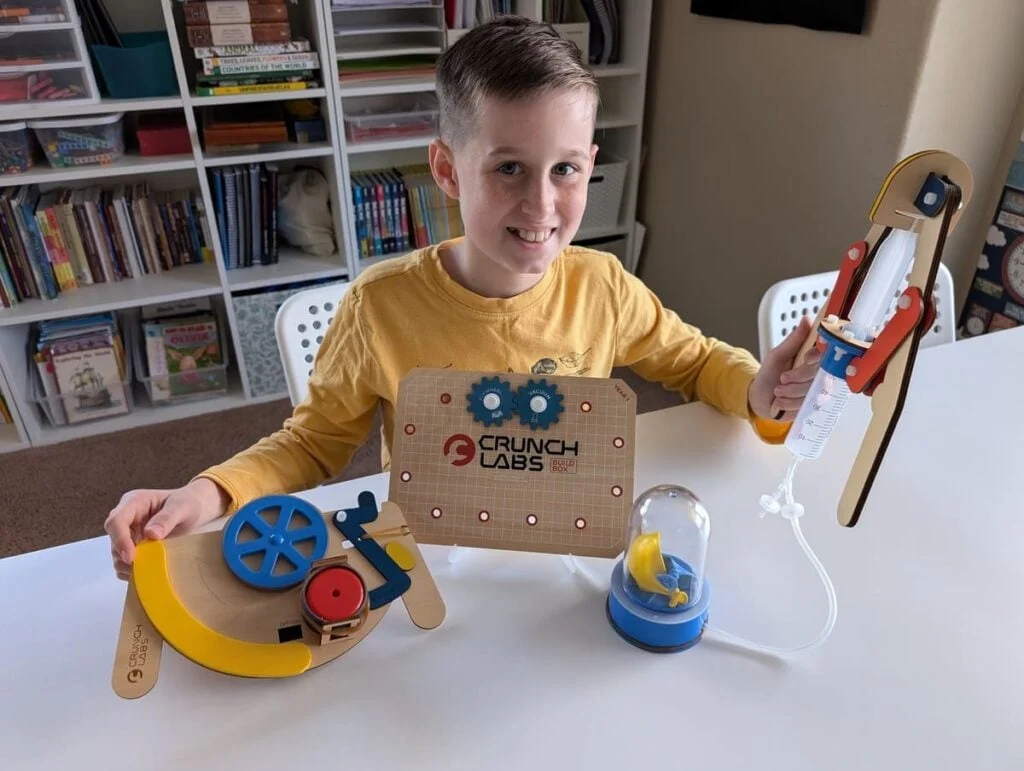
Founded by former NASA engineer and viral educator Mark Rober, CrunchLabs represents the gold standard for children interested in the "how" and "why" of mechanical engineering.
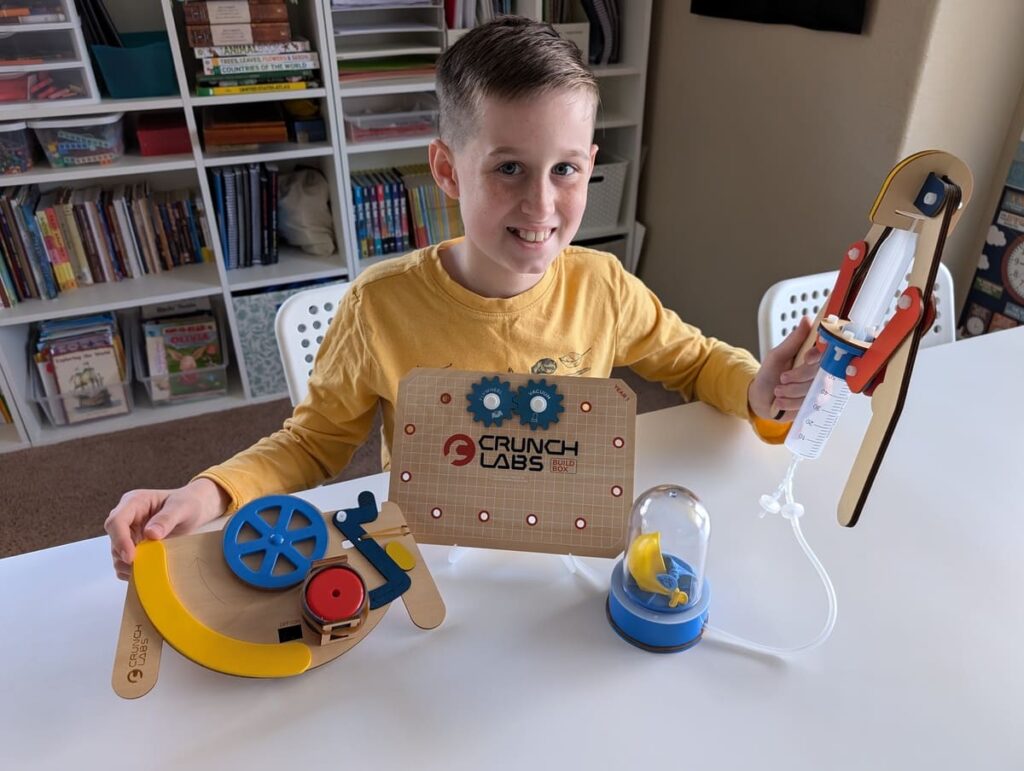
- The Approach: Unlike kits that simply provide assembly instructions, CrunchLabs focuses on the invention process. Every monthly shipment contains parts and instructions to build a functional gadget, such as a mechanical toy or a kinetic machine.
- Expert Integration: The inclusion of exclusive video content featuring Mark Rober is a game-changer. His ability to explain complex engineering concepts in an approachable, high-energy format makes the building process feel like a collaboration with a mentor.
- Ideal For: Kids aged 8–12 who enjoy tinkering and want to understand the mechanics behind the motion.
2. Lovevery: Montessori-Inspired Early Development
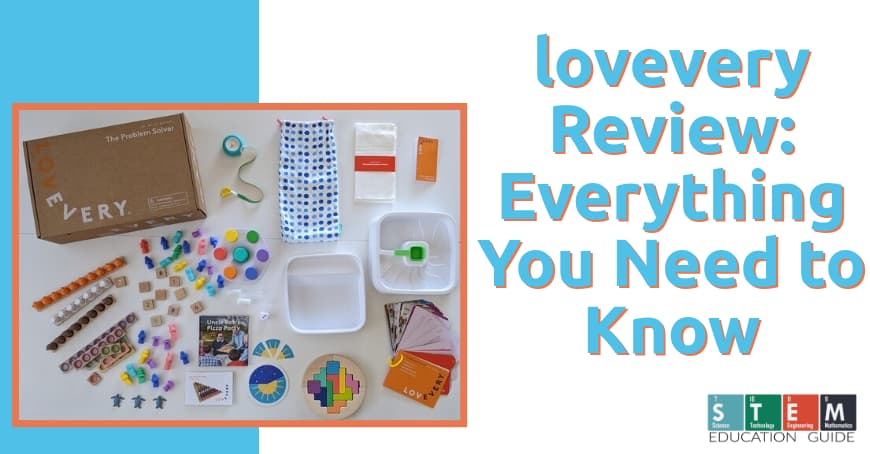
For the youngest learners, Lovevery has disrupted the market by shifting the focus toward "stage-based play."
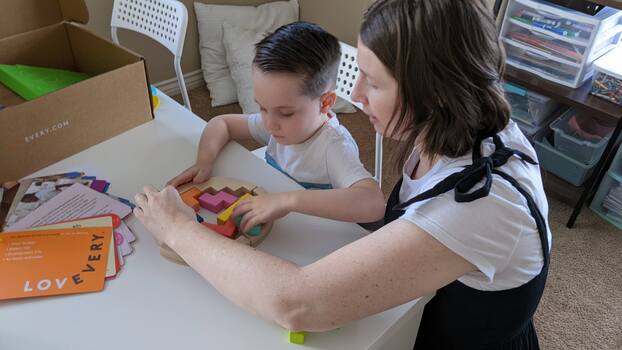
- The Pedagogy: Developed by a team of human neuroscience researchers and certified child development experts, Lovevery kits are delivered every two months and are perfectly calibrated to a child’s current developmental window (0–4 years).
- The Philosophy: By utilizing a Montessori approach, these kits focus on natural materials and purposeful play, ensuring that every item has a developmental goal, from sensory integration to fine motor mastery.
- Ideal For: Infants and toddlers where foundational neural development is the primary objective.
3. MEL Science: The Laboratory Experience
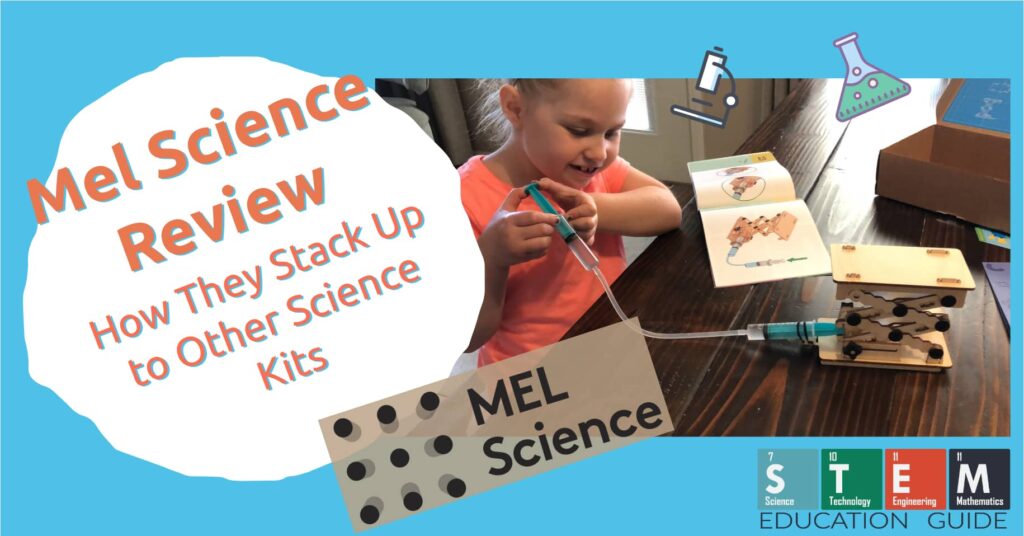
If your child is a budding chemist or physicist, MEL Science is perhaps the most direct and academically rigorous alternative to general STEM boxes.
- Diverse Subjects: Their offerings cover an impressive range, including physics, chemistry, coding, and even medicine.
- Out-of-the-Box Learning: MEL Science bridges the gap between home and the lab. Their projects are designed to be "wildly engaging," often featuring high-quality chemical components that allow children to perform experiments that feel like "real" science.
- Ideal For: Middle to high school students who want to see tangible chemical reactions and physical laws in action.
4. Little Passports: Bridging Culture and STEM
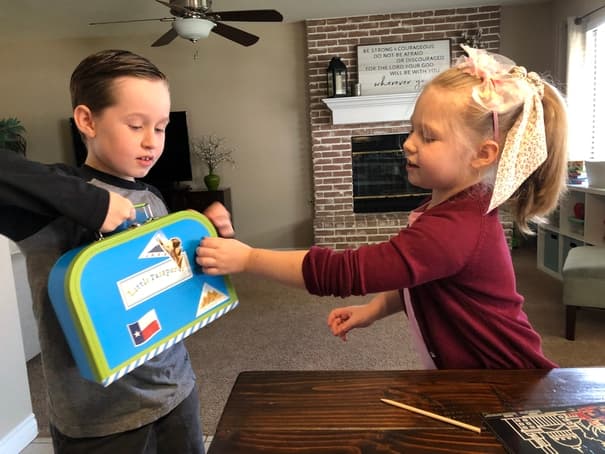
Little Passports stands out for its interdisciplinary approach, blending geography and culture with scientific exploration.
- The Mission: By providing an educational resource that celebrates global cultures, they ensure that science is viewed through a human-centric lens. Children earn "stamps" in their passports as they travel the globe through stories and activities.
- Expanded Offerings: They have evolved beyond their roots to include dedicated Science, Space, and Animal-themed boxes, making them a versatile choice for children with broad interests.
- Ideal For: Curious children aged 3–10 who are interested in the wider world and how science applies to different environments and cultures.
5. Green Kid Crafts: Where Art Meets Engineering
As the name suggests, Green Kid Crafts focuses on the STEAM model—adding "Art" to the traditional STEM acronym.
- Environmental Consciousness: Founded by an environmental scientist, these boxes prioritize sustainability, often using eco-friendly materials to create projects that encourage kids to engage with the natural world.
- Creative Integration: By blending art with engineering, they provide a space for children who may not identify as "science kids" to express themselves creatively while learning fundamental physics or biological concepts.
- Ideal For: Creative thinkers who appreciate a holistic, eco-conscious approach to education.
6. The Curiosity Box: High-Level Science for Teens
Targeting the 13+ demographic, The Curiosity Box is curated by the experts at Vsauce, a renowned science education network.
- The Format: Delivered seasonally (every three months), this subscription is designed for a deeper, more immersive engagement.
- Quality over Quantity: Because it is quarterly, the kits contain premium science tools—such as plasma orbs or complex mechanical kits—that provide a sophisticated learning experience rarely found in younger-oriented boxes.
- Ideal For: Older students and teens who have outgrown standard craft-based STEM kits and are ready for high-quality scientific exploration.
7. Womple Box: The Story-Driven Explorer
Womple Box leverages the power of narrative to teach geography and science.
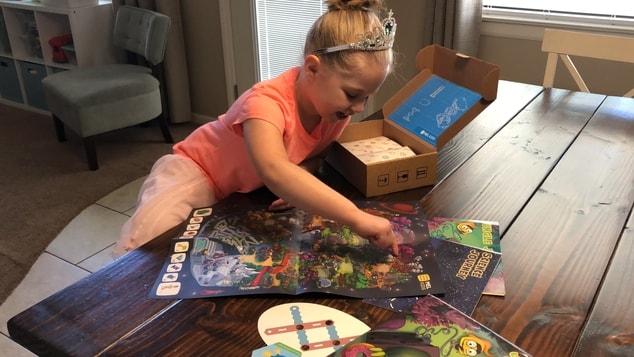
- Structure: With specific tiers like the "Dinobox" for ages 3–5 and the standard Womple Box for ages 6–11, they offer a tailored experience that uses stories to introduce new countries and concepts.
- The Experience: By pairing a story with a STEAM project, they create a memorable "trip" that helps children retain information about culture, geography, and science simultaneously.
Strategic Decision-Making: Choosing the Right Subscription
Choosing the right kit can be daunting, but parents should prioritize the child’s current developmental trajectory.
Chronology of Learning
- Ages 0–4: Prioritize sensory development and physical interaction (e.g., Lovevery).
- Ages 5–8: Focus on exploration, basic mechanics, and cultural awareness (e.g., Little Passports, Green Kid Crafts).
- Ages 9–12: Emphasize engineering challenges and deep-dive science (e.g., CrunchLabs, MEL Science).
- Ages 13+: Seek out high-fidelity scientific tools and theoretical application (e.g., The Curiosity Box).
Supporting Data and Financial Considerations
When evaluating these services, consider the following metrics:
- Retention Value: Does the box offer one-off fun, or does it build a library of skills?
- Parental Involvement: Some boxes (like Lovevery) are designed for play with the parent, while others (like CrunchLabs) are designed for independent construction.
- Flexibility: Always verify the cancellation policy. The best services allow for "pausing" subscriptions—an essential feature for busy families or those who want to take a summer break.
The Broader Implications: Fostering Lifelong Curiosity
The proliferation of these boxes is a symptom of a broader societal shift: a desire to reclaim the joy of hands-on, authentic learning. When a child waits for a monthly delivery, they are not just waiting for a toy; they are waiting for an opportunity to master a new skill.
These subscription services do more than just deliver parts; they provide a structural framework for "learning by doing." In a world increasingly dominated by passive consumption, the act of building a machine, conducting an experiment, or exploring a map is a radical, necessary form of engagement.
Tips for Parents
- Don’t Over-Focus on the "Lesson": If a child is having fun and building, they are learning. Do not feel the need to force the educational component; the critical thinking skills are being developed naturally through play.
- Create a "Maker Space": Dedicate a specific area in the house for these projects. Having a permanent space to leave partially finished projects encourages long-term problem-solving.
- Engage with the Community: Most of these companies offer online portals, videos, or community groups. Encouraging your child to share their progress or see what other kids have built can amplify their sense of accomplishment.
Conclusion
Finding the right STEM subscription box is an investment in your child’s future. By matching the kit’s specific focus to your child’s interests—whether that be the mechanical rigor of CrunchLabs, the scientific depth of MEL Science, or the cultural breadth of Little Passports—you are providing them with the tools to become a more curious, capable, and confident learner.
The goal is not to produce a room full of scientists, but to raise a generation of children who know how to ask questions, how to find answers, and how to enjoy the process of discovery. As the market for these educational tools continues to grow, parents have more power than ever to curate a learning experience that is as unique as their own child. Whether it arrives monthly or quarterly, each box is a small, physical manifestation of the idea that learning should be, above all else, a source of joy.