From Chaos to Convenience: How Digital Innovation is Transforming the Back-to-School Experience
The transition from summer vacation to the academic calendar is a perennial ritual defined by both excitement and anxiety. For millions of parents, the “back-to-school” season is synonymous with a frantic logistical hurdle: the school supply shopping trip. What was once a nostalgic walk through aisles of stationery has, in recent years, evolved into a high-pressure scramble through crowded retail stores, often exacerbated by vague requirements and inventory shortages.
However, a digital shift is currently underway. As highlighted in a recent feature on the nationally syndicated program Daytime, platforms like TeacherLists are fundamentally altering the way families approach the first day of school, replacing the traditional “guesswork” with a streamlined, technology-driven process.
Main Facts: The Digital Evolution of Classroom Preparation
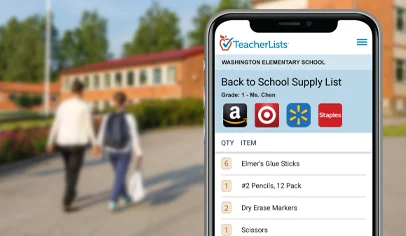
The fundamental challenge of back-to-school shopping has historically been the lack of centralized information. Parents frequently contend with outdated supply lists, handwritten notes, or ambiguous instructions that lead to redundant trips to multiple retailers. TeacherLists addresses this by digitizing the entire supply chain between the school, the teacher, and the household.
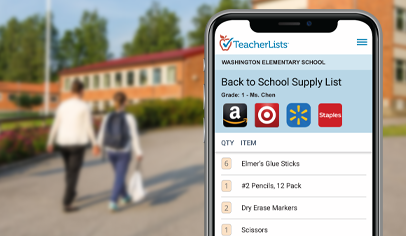
By aggregating official supply lists provided directly by educators and administrators, the platform allows parents to bypass the confusion of the retail aisle. With a few clicks, users can search for their specific school by state or zip code, instantly surfacing the exact requirements for their child’s grade level. The integration with major national retailers—including Amazon, Target, and Walmart—enables a seamless transition from viewing a list to purchasing the items, often with the option for curbside pickup or home delivery.
Chronology of the Back-to-School Logistics Crisis
To understand the necessity of this digital transition, one must look at the evolution of the shopping experience over the last two decades:
- The Early 2000s: The "Paper Era." Parents relied on physical handouts sent home on the last day of school or mailed during the summer. If these documents were lost, parents were left to guess, leading to an excess of unnecessary purchases.
- The 2010s: The "PDF Transition." Schools began uploading lists to websites. While more accessible, these PDFs were often static, difficult to read on mobile devices, and lacked direct links to inventory, forcing parents to manually search for items.
- The 2020s: The "Integrated Ecosystem." Platforms like TeacherLists emerged to solve the fragmentation of the retail experience. By synchronizing real-time inventory with specific teacher requests, the platform transformed a multi-day ordeal into a task that can be completed in minutes during a lunch break or from the comfort of a home office.
Supporting Data: Why Families are Moving Online
The shift toward digital solutions is not merely a matter of preference but a response to economic and temporal pressures. According to recent retail trends, the average household spends hundreds of dollars per student on school supplies. When time is factored in as a cost, the value proposition of platforms that automate the shopping process becomes clear.
Surveys indicate that:
- Time Efficiency: Digital supply list integration reduces the average shopping time from approximately two hours in-store to under 15 minutes online.
- Accuracy: Use of verified, platform-backed lists reduces “over-buying” or the purchase of incorrect items by an estimated 40%, preventing the common frustration of buying the wrong size of notebook or specific brand of adhesive required by a curriculum.
- Retail Synergy: The ability to compare prices across major retailers like Amazon and Walmart within a single interface allows families to optimize their budgets, a critical factor during the current period of inflation.
Official Responses and Expert Perspectives
Industry experts have noted that the integration of classroom needs with retail platforms is a "logical next step" in the digital transformation of education. Educators have been among the most vocal supporters of this shift.
"Teachers spend a significant amount of time every year clarifying supply requirements for parents who are confused by store-brand variations or ambiguous list items," says a spokesperson for the platform. "By providing a centralized, verified list, we aren’t just helping parents; we are ensuring that students show up on day one with the exact tools they need to succeed. This reduces the disparity in the classroom and allows teachers to start the curriculum immediately rather than managing supply shortages."
The Daytime segment served as a catalyst for broader awareness, showcasing how the platform serves not only as a shopping tool but as a bridge for community engagement. When parents use the platform, they aren’t just checking off a box; they are participating in a verified, school-approved process that ensures equity among students.
The Social Implications: Community and Incentives
One of the most interesting aspects of the modern back-to-school movement is the focus on community sharing. Once a parent has successfully navigated their list, the platform encourages the dissemination of that information to other families. This viral approach—sharing through PTO groups, class chats, or text threads—creates a localized network of preparation. When one family saves time, the entire class benefits from a more organized start to the school year.
Furthermore, the platform has integrated gamification and incentive structures to further ease the financial burden. The current "First Day Ready" sweepstakes, which offers five families a $75 gift card for their supply haul, serves to reward early engagement and community participation. This turns a mundane chore into a collaborative, celebratory event.
Future Outlook: The Paperless Classroom
As we look toward the 2025–2026 academic year and beyond, the trend toward digital list management appears to be permanent. The implications for the retail sector are significant; stores are increasingly prioritizing "Buy Online, Pick Up In-Store" (BOPIS) services specifically for back-to-school, acknowledging that the modern parent values speed and precision over the traditional "browsing" experience.
For school districts, the administrative burden of supply management is also decreasing. By partnering with platforms that offer a centralized interface, administrators can ensure that all teachers—from kindergarten to high school—are providing clear, consistent information. This standardization is a quiet but powerful contributor to student success.
Conclusion: A New Standard for School Readiness
The whirlwind of back-to-school preparation will always be a major transition, but it no longer has to be a source of stress. By leveraging technology to connect classroom requirements with retail fulfillment, families can reclaim their time and ensure their children are equipped for the challenges of the upcoming academic year.
As highlighted in the recent national media coverage, the transition from paper lists to integrated digital solutions is about more than just convenience—it is about creating a predictable, equitable, and stress-free environment for students and parents alike. Whether it is through the efficiency of one-click ordering or the community-driven aspect of sharing lists, the digital transformation of the back-to-school season is officially here to stay.
For parents looking to simplify their upcoming semester, the process remains accessible: search for your school, review the verified requirements, shop your preferred retailer, and share the link with your school community. In an era where time is the most valuable commodity, tools like TeacherLists are proving that the first day of school can be prepared for with precision, confidence, and perhaps, a little bit of well-earned relief.
For those interested in optimizing their back-to-school routine, updates and resources are available through the official TeacherLists portal. Join the growing community of families moving toward a smarter, more efficient way to prepare for the academic year.