
Unsung Architects of Education: Boyd Elementary Celebrates the Transformative Leadership of Assistant Principal Cortnie Bryan
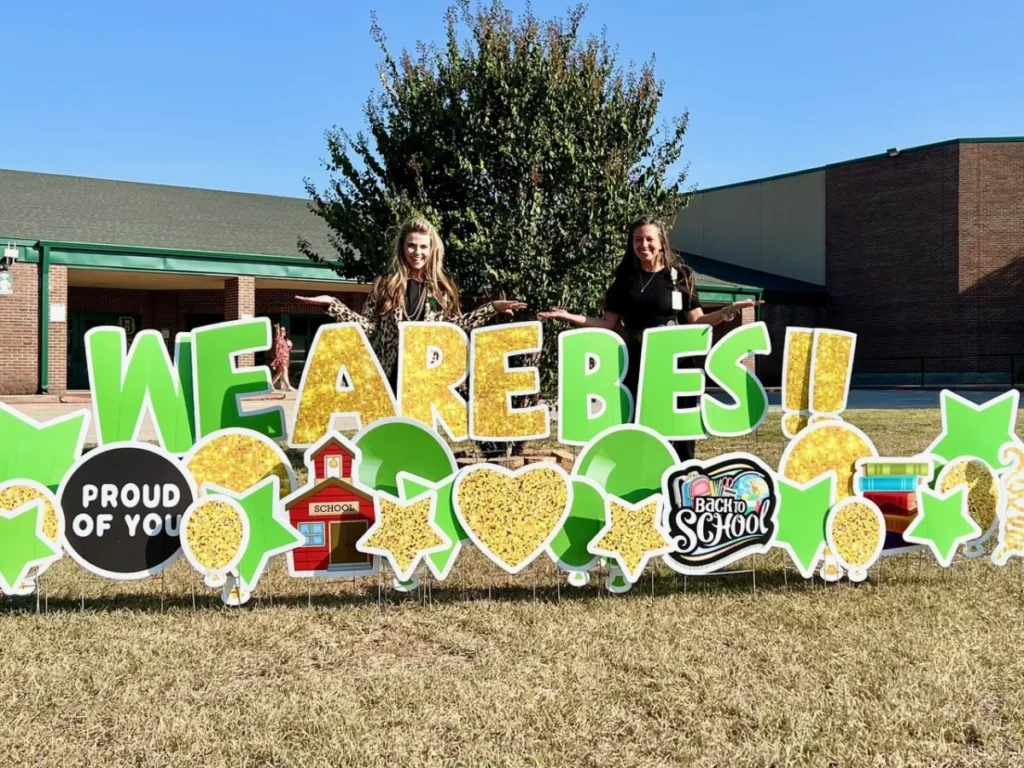
BOYD, TX – April 8, 2026 – In an era where the foundational roles in education are more critical than ever, the spotlight often shines brightest on principals, teachers, and district leaders. Yet, in the bustling ecosystem of a school, there exists a pivotal figure whose dedication frequently orchestrates success from behind the scenes: the assistant principal. During AP Week, observed from April 6-10, 2026, the educational community pauses to acknowledge these indispensable leaders. This year, School of Thought highlighted the exceptional contributions of Cortnie Bryan, Assistant Principal at Boyd Elementary School in Boyd, Texas, whose profound impact has been eloquently championed by Principal Jana Clark.
Clark’s commendation of Bryan offers a compelling narrative of leadership, innovation, and unwavering commitment to student success. It underscores a truth often overlooked: the work of an assistant principal, while sometimes unseen, is undeniably vital to the flourishing of school communities across all PreK-12 grades. Bryan’s proactive approach and student-centric philosophy have not only redefined her role but have also demonstrably elevated the educational experience at Boyd Elementary.
The Unsung Heroes of Educational Leadership
Assistant principals serve as the linchpin connecting administrative vision with daily operational realities. They are often the first point of contact for student discipline, the orchestrators of complex scheduling, the frontline managers of staff support, and the implementers of school-wide initiatives. Their ability to navigate diverse challenges, maintain a positive school climate, and directly influence student and staff morale makes them indispensable. Without their tireless efforts, the ambitious goals set by principals and districts would frequently remain aspirational rather than achievable.
At Boyd Elementary, Assistant Principal Cortnie Bryan exemplifies this multifaceted role, consistently translating innovative ideas into tangible improvements. Her tenure alongside Principal Clark has been marked by a shared commitment to fostering an environment where every student feels a sense of belonging and every educational opportunity is maximized.
A Partnership Forged in Innovation and Trust
Principal Jana Clark vividly recalls the beginning of her professional journey with Mrs. Bryan, noting, "We started at Boyd Elementary the same year, so she’s been by my side since the beginning." This parallel initiation into their respective roles forged a unique bond, allowing for a collaborative partnership built on mutual respect and shared vision. Clark quickly recognized Bryan’s inherently "student-centered" approach and her "innovative mindset," qualities that would become the bedrock of their collective leadership.
From their initial days, the duo identified critical areas for improvement, notably student attendance. Recognizing that consistent presence in school is fundamental to academic achievement and social-emotional development, they embarked on a mission to cultivate a robust "culture of belonging." This strategic objective was not merely an administrative task; it was a philosophical commitment to ensuring every child felt valued and eager to attend school. "Mrs. Bryan was at the center of that," Clark emphasizes, highlighting Bryan’s immediate ability to conceptualize and execute solutions. "She thinks of something and implements it immediately."
This proactive, results-oriented approach is a hallmark of Bryan’s leadership, setting a high standard for responsiveness and effectiveness within the school’s administrative framework.
Transforming Attendance: The "Jacketopoly" Revolution
Chronology of an Idea: From Concept to Community Engagement
The challenge of improving student attendance is universal, often requiring creative solutions beyond traditional punitive measures. At Boyd Elementary, Mrs. Bryan spearheaded an initiative that transformed a common problem into an engaging, school-wide endeavor: "Jacketopoly." This innovative game, cleverly named after the school’s Yellowjackets mascot, reimagined the classic board game Monopoly as a powerful incentive for consistent school attendance.
The concept was simple yet brilliant: every day a grade level met its attendance goals, they earned the right to color in a square on a giant "Jacketopoly" board. Accumulating five colored squares allowed them to move their piece on the board and claim exciting rewards. The genius of "Jacketopoly" lay not just in its engaging format but in its democratic spirit. "We are both advocates of student voice, and these are all rewards the students have chosen," Clark proudly states. This critical element of student choice amplified engagement, transforming a directive into a desired outcome.
Supporting Data: The Power of Student Voice and Tangible Rewards
The rewards themselves reflected a deep understanding of elementary school psychology: popcorn parties, extra recess, and a highly coveted lemonade stand. While these might seem like simple treats, their significance in motivating young learners cannot be overstated. The anticipation of earning a shared experience, chosen by their peers, fostered collective responsibility and enthusiasm for attendance.
The story of the lemonade stand particularly illustrates Bryan’s extraordinary commitment to bringing ideas to life. Principal Clark recalls her initial, modest vision: "In my head, I pictured a little table with a pitcher of lemonade and some cups. But no. I came into work the next Monday morning, and Mrs. Bryan built a beautiful wooden lemonade stand that was like something out of a movie." This anecdote speaks volumes about Bryan’s dedication to excellence, her willingness to go above and beyond, and her ability to turn a simple concept into a memorable, impactful experience for the students. It wasn’t just a reward; it was an event, a testament to the school’s commitment to celebrating student achievements in a grand fashion.
"She is always making the school better because she turns her passion into action that benefits our culture and our students," Clark concludes, encapsulating the essence of Bryan’s transformative influence. The "Jacketopoly" game, with its tangible rewards and student-driven choices, became a vibrant symbol of Boyd Elementary’s commitment to a positive, attendance-driven culture. While specific quantitative data on attendance improvement was not provided, the anecdotal evidence strongly suggests a significant uplift in student motivation and a more consistent presence in the classroom, directly correlating to improved learning opportunities.
Beyond the Classroom: The "Experience Room" Vision
Official Responses: A Testament to Trust and Initiative
The collaborative relationship between Principal Clark and Assistant Principal Bryan is unequivocally built on profound trust. "Absolutely. I trust that Mrs. Bryan will not only help me meet our goals, but she will also make sure we exceed them," Clark affirms. This level of confidence allows Bryan the autonomy and support necessary to conceptualize and implement ambitious projects, such as the "Experience Room."
Chronology of Innovation: Building an Immersive Learning Environment
The "Experience Room" is another shining example of Bryan’s innovative spirit and her dedication to hands-on learning, particularly for the youngest students. Designed for kindergarteners and first graders, the entire room was transformed into an immersive "construction theme." Every station within the room was meticulously crafted around phonics, ensuring that learning letters and sounds was not a passive activity but an active, engaging exploration.
Bryan’s vision for this room transcended mere decoration. It created a dynamic environment where children could genuinely "dig through sand with excavators to find letters," immersing them fully in the learning process through play. This approach aligns perfectly with best practices in early childhood education, which emphasize experiential learning and sensory engagement to build foundational literacy skills.
Supporting Data: Community Engagement and Enhanced Learning
The "Experience Room" also became a powerful conduit for community engagement. Recognizing an opportunity to further enhance the immersive theme, Bryan proactively "reached out to a local construction company that visited the school with a crane so the students could be even more engaged in the Experience Room." This collaboration brought real-world context directly into the school, allowing students to connect their classroom learning with actual professional applications. The sight of a real crane, an object of fascination for many young children, undoubtedly solidified the learning experience and created lasting memories.
Such initiatives, while seemingly external to the core curriculum, profoundly impact student engagement, curiosity, and ultimately, academic success. They demonstrate a holistic approach to education, leveraging all available resources to create rich, meaningful learning opportunities. The "Experience Room" stands as a testament to Bryan’s ability to not only design innovative educational spaces but also to forge valuable community partnerships that enrich the student experience.
The Cornerstone of Leadership: Trust and Shared Vision
The depth of trust between Clark and Bryan is a recurring theme, fundamental to their success as a leadership team. Clark’s observation that Bryan "won’t let anything fail" is a powerful endorsement, signifying an unwavering belief in her assistant principal’s capability, perseverance, and commitment to excellence. This level of trust empowers Bryan to take initiative, knowing she has the full backing of her principal, and fosters an environment where innovation can truly thrive without fear of failure.
Such a relationship is not accidental; it is built on consistent performance, clear communication, and a shared understanding of the school’s mission and values. It allows for a dynamic division of labor where each leader can focus on their strengths, confident that the other will uphold their responsibilities and contribute meaningfully to shared objectives. This synergy ultimately translates into a more cohesive and effective school administration, benefiting staff, students, and the wider community.
From AP to Principal: A Mentor’s Perspective
Implications: Leveraging Experience for Enhanced Support
Principal Jana Clark’s unique perspective as a former assistant principal herself provides her with invaluable insight into the complexities of Bryan’s role. This shared experience forms a powerful foundation for their collaborative leadership. "It’s helped me better connect with and support Mrs. Bryan," Clark explains. Having "walked in those shoes," Clark possesses an intimate understanding of the "rhythms of the school year in a very real way."
She recognizes the distinct pressures and demands that characterize different periods, from the initial surge of the academic year to the intensified pace of October, when "small issues begin to stack up." Clark also intimately understands "the look of testing season, when the pressure and responsibility of making everything run smoothly can be intense." This empathetic understanding allows her to anticipate challenges, offer proactive support, and provide a buffer for Bryan during particularly demanding times.
Supporting Data: The Value of Acknowledging Unseen Labor
Clark’s experience as an AP directly translates into tangible support for Bryan. "Having walked in those shoes allows me to better support her. I understand the importance of checking in, sharing the load when possible, and acknowledging the work that often goes unseen." This acknowledgment of the "unseen work" is particularly crucial for assistant principals, whose efforts in managing daily operations, resolving conflicts, and supporting staff often go unrecognized. By validating these efforts, Clark not only boosts Bryan’s morale but also reinforces the value of her contributions to the entire school community.
"Because I once did it myself, I have great respect for the complexity of the job," Clark states. This deep respect fosters a collaborative environment where both leaders operate as a "more cohesive leadership team," a dynamic that "ultimately benefit[s] both our staff and students." This strategic approach to leadership development, where experienced principals mentor and empower their assistant principals, creates a strong foundation for current success and future leadership transitions within the district.
The Ripple Effect: Broader Implications for School Leadership
The story of Cortnie Bryan at Boyd Elementary is not merely an isolated tale of individual excellence; it carries significant implications for the broader landscape of educational leadership.
Student Achievement and Well-being: An innovative and student-centered assistant principal like Bryan directly impacts student outcomes. Her initiatives, from "Jacketopoly" boosting attendance to the "Experience Room" fostering early literacy, create environments where students are more engaged, feel more valued, and are better positioned for academic success. The focus on belonging and hands-on learning addresses not just academic needs but also the crucial social-emotional development of young learners.
Teacher Morale and Retention: An effective assistant principal acts as a vital support system for teachers. By managing logistical challenges, providing disciplinary support, and implementing school-wide positive behavior initiatives, they free up teachers to focus on instruction. Bryan’s passion and proactive approach undoubtedly inspire her colleagues, fostering a positive work environment and potentially contributing to higher teacher morale and retention rates. When leadership is visible, supportive, and innovative, teachers feel more empowered and valued.
Positive School Culture: Bryan’s commitment to turning passion into action has cultivated a vibrant, positive school culture at Boyd Elementary. Initiatives like "Jacketopoly" and the "Experience Room" are not just programs; they are expressions of a school’s identity—one that values creativity, engagement, and student voice. This culture extends beyond the school walls, enhancing the school’s reputation within the Boyd community.
Support for the Principal: The partnership between Clark and Bryan demonstrates the critical importance of a strong, trusting relationship between a principal and assistant principal. An effective AP like Bryan allows the principal to delegate with confidence, knowing that goals will not only be met but exceeded. This frees the principal to focus on broader strategic initiatives, district-level collaborations, and long-term vision, ultimately strengthening the entire school’s leadership capacity.
Community Engagement: Bryan’s proactive outreach to the local construction company for the "Experience Room" exemplifies the power of community partnerships. These collaborations enrich the educational experience, provide real-world connections for students, and build stronger ties between the school and its surrounding community. Such initiatives position the school as a central hub for learning and community interaction.
In conclusion, Assistant Principal Cortnie Bryan’s work at Boyd Elementary School serves as a powerful reminder of the profound and often unsung contributions of assistant principals across the nation. Her blend of innovation, student-centered dedication, and unwavering commitment, coupled with Principal Jana Clark’s insightful leadership and trust, has created a dynamic and thriving educational environment. As AP Week draws to a close, the story of Mrs. Bryan stands as a testament to the indispensable role these leaders play in shaping the future of education, one student, one innovative program, and one "movie-like" lemonade stand at a time. Their tireless efforts are not just vital; they are truly transformative.