The Mechanics of Progress: How Simple Machines Shape Our World and Inspire Future Engineers
At the bedrock of every skyscraper, bridge, and technological marvel lies a fundamental set of principles that have defined human innovation for millennia: the six simple machines. These devices—the lever, the inclined plane, the wedge, the screw, the wheel and axle, and the pulley—are the unsung heroes of modern civilization. By converting effort into mechanical advantage, they allow us to manipulate the physical world, turning seemingly impossible tasks into manageable work.
For educators and parents alike, simple machines represent more than just a chapter in a physics textbook; they are the primary building blocks of STEM (Science, Technology, Engineering, and Mathematics) literacy. By understanding these mechanisms, children move from passive consumers of technology to active creators, gaining the analytical tools necessary to build the future.
Understanding the Physics of Work
In common parlance, "work" implies effort or a profession. However, in the realm of physics, the definition is far more precise. Work is defined as the product of force and displacement. The classic equation, W = Fd, dictates that work is accomplished only when a force is applied to an object, causing it to move over a specific distance.
The true genius of simple machines lies in their ability to manipulate this equation. While a simple machine cannot decrease the total amount of work required to perform a task—the laws of thermodynamics remain absolute—it provides a "mechanical advantage." By increasing the distance over which the force is applied, these machines significantly reduce the instantaneous effort (force) required by the human operator.
Consider the challenge of hoisting a multi-ton elevator to the top of a skyscraper. Without mechanical aid, this task would be physically impossible for human strength alone. Through the complex application of pulley systems, we redistribute that force, making the monumental seem routine. This concept of mechanical advantage is the bridge between human limitation and architectural possibility.
A Historical Perspective: The Chronology of Innovation
The history of simple machines is the history of human civilization. The chronology of these inventions reveals how our ancestors solved existential problems through mechanical intuition:
- The Stone Age (Wedges and Levers): Early humans utilized sharpened stones as wedges to split wood and bone, and primitive levers—often tree branches—to move boulders.
- The Ancient Near East (The Wheel and Axle): Emerging around 3500 B.C., the wheel transformed transportation and pottery, fundamentally changing how societies moved resources.
- The Classical Era (Archimedes’ Principles): In the 3rd century B.C., the Greek mathematician Archimedes provided the first formal mathematical proofs for the lever and the pulley. His famous declaration, "Give me a place to stand, and I shall move the world with a lever," remains the definitive manifesto of mechanical advantage.
- The Renaissance and Industrial Revolution: Innovators like Leonardo da Vinci documented complex compound machines, leading to the mechanized production lines that fueled the Industrial Revolution.
Today, these principles remain constant. Whether it is a gear inside a high-tech smartphone or a hydraulic lift in a modern garage, the lineage of these six machines is clearly visible.
Six Practical Projects: Bringing STEM to Life
To bridge the gap between abstract theory and physical reality, hands-on demonstration is paramount. Below are six interactive projects designed to illuminate the mechanical nature of these devices.
1. The Pulley: Lifting Power
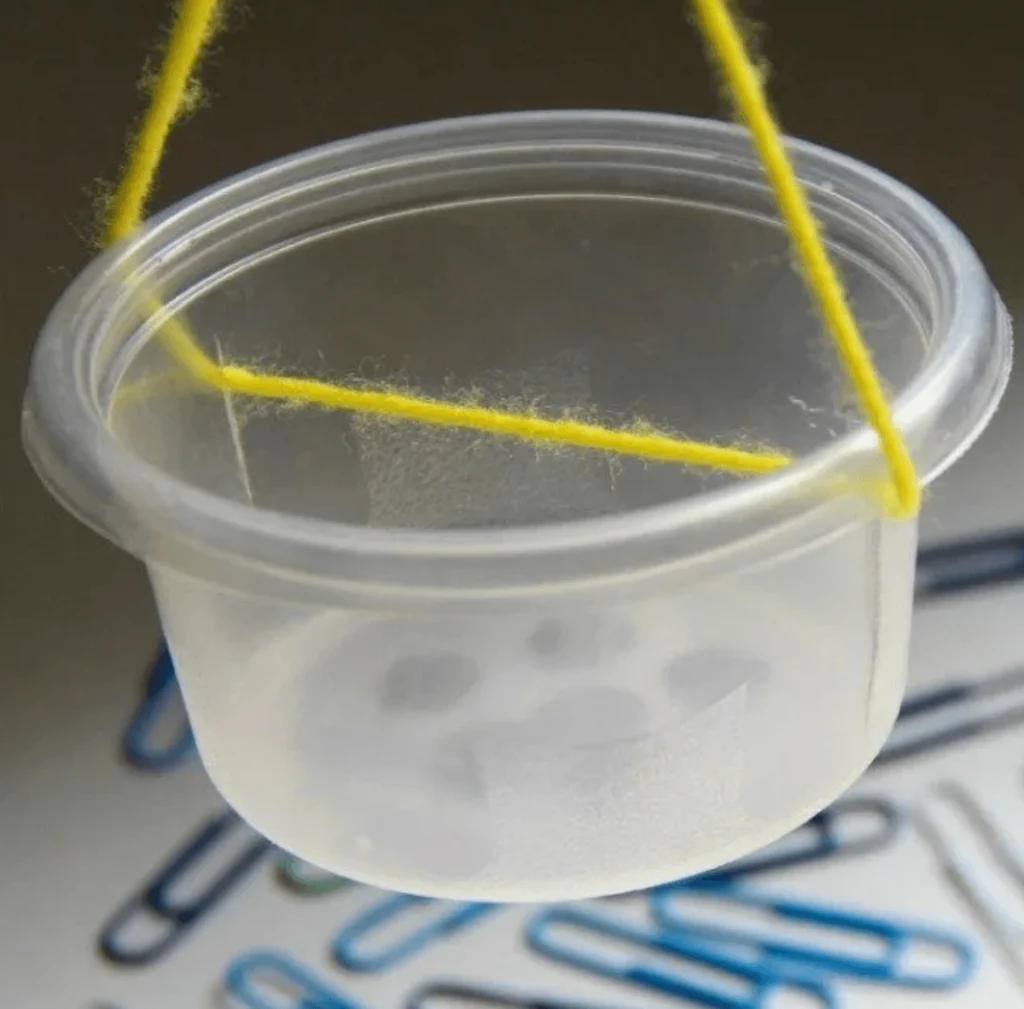
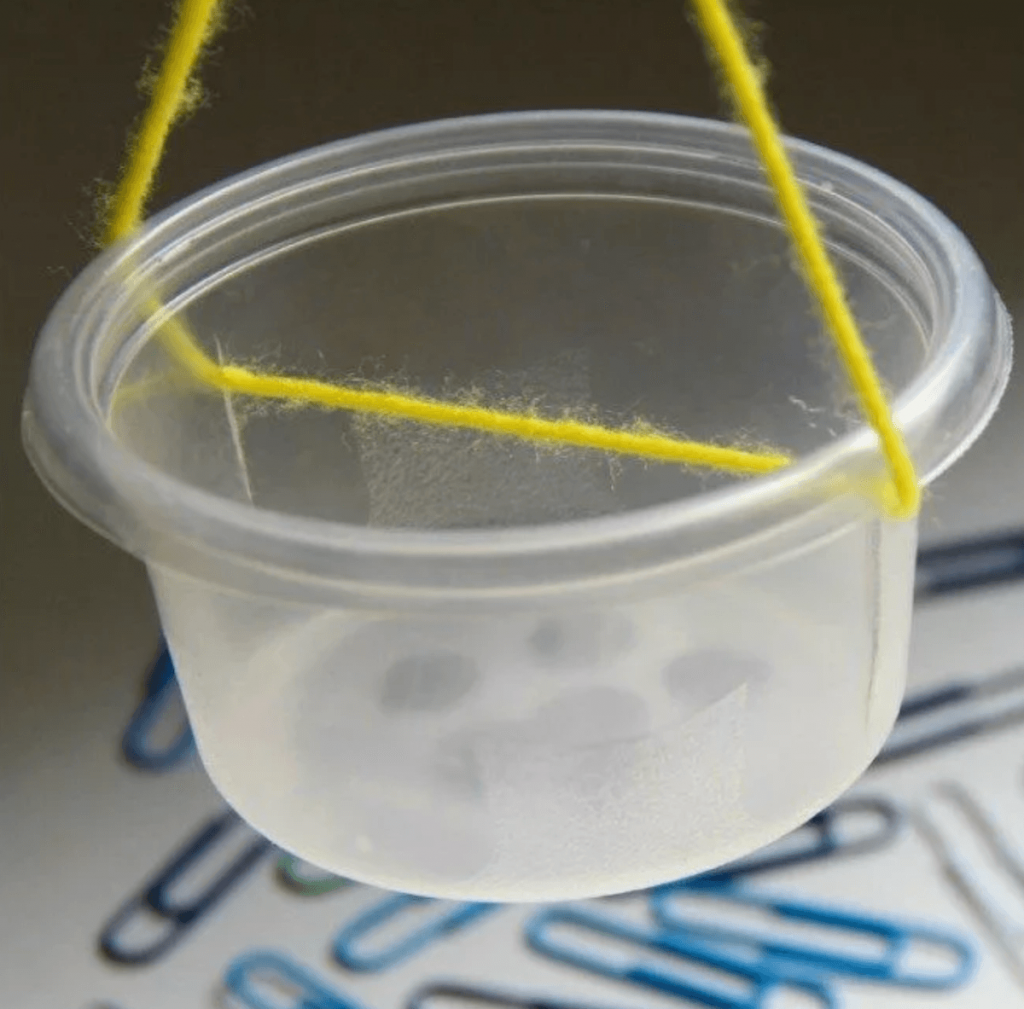
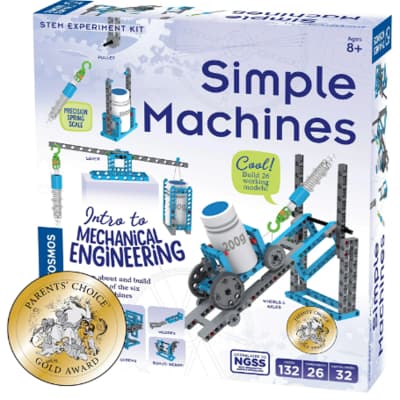
A pulley system is the quintessential example of force redistribution. By using a simple spool, string, and a load, students can experiment with single and double pulley configurations. By measuring the force required to lift an object with a spring scale, they can mathematically observe the reduction in effort provided by the machine.
2. The Inclined Plane: The Marble Run
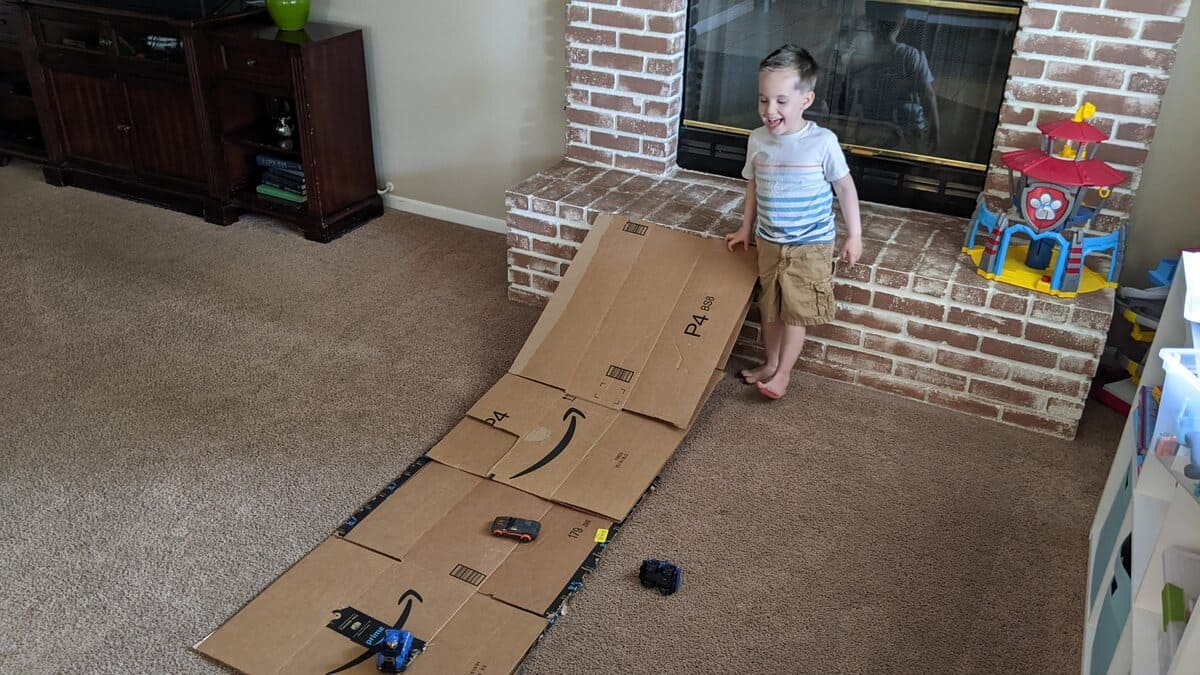
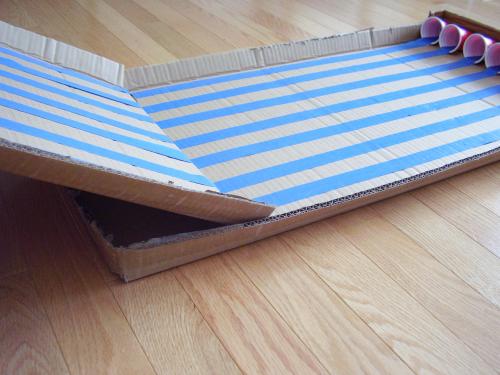
An inclined plane—a slanted surface—allows heavy loads to be moved to higher elevations with less force than lifting them vertically. Constructing a "marble racecourse" serves as an engaging way to test how the angle of the incline affects speed and force. It is a perfect microcosm for understanding ramps, stairs, and mountain roads.
3. The Lever: The Binder Clip Pivot
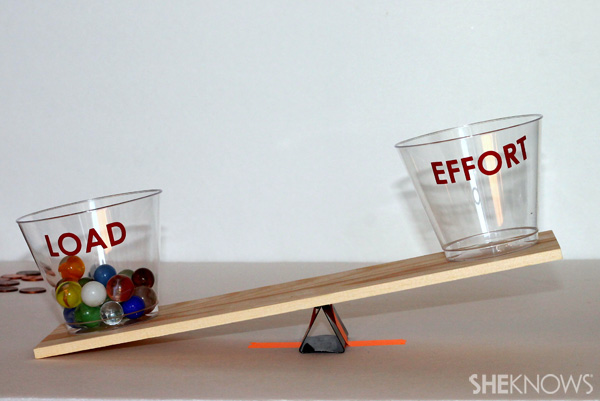
Levers consist of a beam pivoting on a fulcrum. Using a simple binder clip as a fulcrum and a ruler as the beam, students can categorize the three classes of levers. By shifting the position of the fulcrum, they can see exactly how the "effort arm" and "load arm" interact to lift weights with minimal exertion.
4. The Wedge: Splitting Dynamics
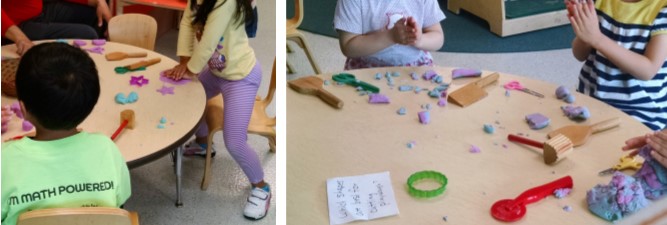
Often confused with the inclined plane, the wedge is a moving inclined plane used for separating or holding. To demonstrate this safely, use blocks of firm play dough. Attempting to divide the dough with a flat hand is difficult, but using a wedge-shaped tool proves how the downward force is converted into a lateral force, slicing through the material with ease.
5. The Screw: The Threaded Advantage
A screw is essentially an inclined plane wrapped around a cylinder. To demonstrate, compare the force required to push a nail into a piece of wood versus the force required to twist a screw into the same material. The screw’s threads allow the user to apply small amounts of force over many rotations to achieve deep penetration.
6. The Wheel and Axle: Recycled Mobility
The wheel and axle reduce friction by minimizing the contact surface between the load and the ground. By constructing "recycled cars" using cardboard tubes, straws, and bottle caps, children can experiment with weight distribution and axle stability, learning how simple rotating components eliminate the drag that would otherwise prevent movement.
Addressing Common Misconceptions
Even in basic science, misconceptions can impede learning. One frequent error is the belief that all levers operate with the same mechanical advantage. In reality, the efficacy of a lever is entirely dependent on its class. A first-class lever (like a seesaw) pivots in the middle, while a second-class lever (like a wheelbarrow) places the load between the effort and the fulcrum, drastically changing the force output.
Another common point of confusion is the role of friction. Friction is often vilified as a hindrance to work, but in the context of simple machines, it is essential. Without the friction between the screw’s threads and the wood, or the wheel and the road, these machines would lose their grip and utility. Educators should emphasize that machines do not eliminate work; they manage it.
The Implications for Future Engineering
The study of simple machines is not merely about historical tools; it is about cultivating a "systems thinking" mindset. When a student builds a compound machine—a device that combines two or more simple machines—they are engaging in the same cognitive process as a civil engineer designing a bridge or a mechanical engineer designing a robotic arm.
These activities foster critical problem-solving skills, persistence, and an appreciation for the mechanical integrity of our physical environment. As we move into an era dominated by AI and software, the ability to understand and manipulate physical matter remains a vital, irreplaceable human skill. By encouraging children to dismantle, rebuild, and innovate, we are not just teaching them how things work—we are teaching them how to build the world of tomorrow.
A Note on Educational Resources
For those seeking to delve deeper into these concepts at home, the market offers a variety of STEM-focused subscription boxes and building kits. These curated experiences provide structured, project-based learning that aligns with modern educational standards. Whether through DIY kits or classroom-based demonstrations, the goal remains the same: to spark the curiosity of the next generation of engineers.
Simple machines are everywhere. The next time you open a door, use a pair of scissors, or watch an elevator ascend, remember the six building blocks of work. They are the silent, constant engines of our daily existence.