Empowering the Next Generation: Mozambique’s Eu Sou Capaz Initiative Seeks to Redefine Education for Adolescent Girls
Introduction: A Strategic Pivot in Mozambican Education
In a significant move to reshape the educational landscape for adolescent girls, the Government of Mozambique’s National Youth Institute has formally awarded World Education—a JSI initiative—the contract for the Eu Sou Capaz (I Am Capable) Technical Assistance and Training Activity. Supported by the World Bank, this initiative is a critical component of the broader Empowering Adolescent Girls to Earn and Read (EAGER) strategic vision, which spans across Mozambique, Zimbabwe, and Madagascar.
The program is designed to move beyond traditional enrollment metrics, focusing instead on the holistic retention, achievement, and empowerment of adolescent girls. By tackling the systemic, socio-cultural, and behavioral obstacles that contribute to high dropout rates and teenage pregnancy, Eu Sou Capaz represents a shift toward human-centered, data-driven educational policy.
The Core Mandate: Addressing Root Causes
The primary mission of the Eu Sou Capaz initiative is to move beyond the "access" narrative. While getting girls into the classroom is a necessary first step, it is insufficient if the environment remains hostile to their continued participation. World Education’s involvement centers on two strategic pillars: the optimization of government-led interventions and the integration of social and behavior change (SBC) communication to shift local norms.
Redesigning Systems for Realities
The program operates on the premise that school dropouts are rarely the result of a single factor. Instead, they are the culmination of harmful socio-cultural norms, pervasive gender-based violence (GBV), economic fragility, and a lack of life-skills education.
"Eu Sou Capaz is about more than access—it is about removing the invisible barriers that stop girls from thriving," says Obert Darara, JSI’s World Education Country Lead in Mozambique. "By integrating social and behavior change with human-centered design, we are supporting the National Youth Institute to redesign systems around girls’ realities, ensuring enrollment leads to achievement."
Chronology of the Initiative: From Pilot to National Strategy
The current scaling of Eu Sou Capaz is the result of years of preliminary groundwork, data collection, and community-based research.
- Initial Research Phase: Over the past decade, World Education has conducted extensive field research across East and Southern Africa, identifying that standard school-based interventions often fail to account for the pressures girls face at home and in their communities.
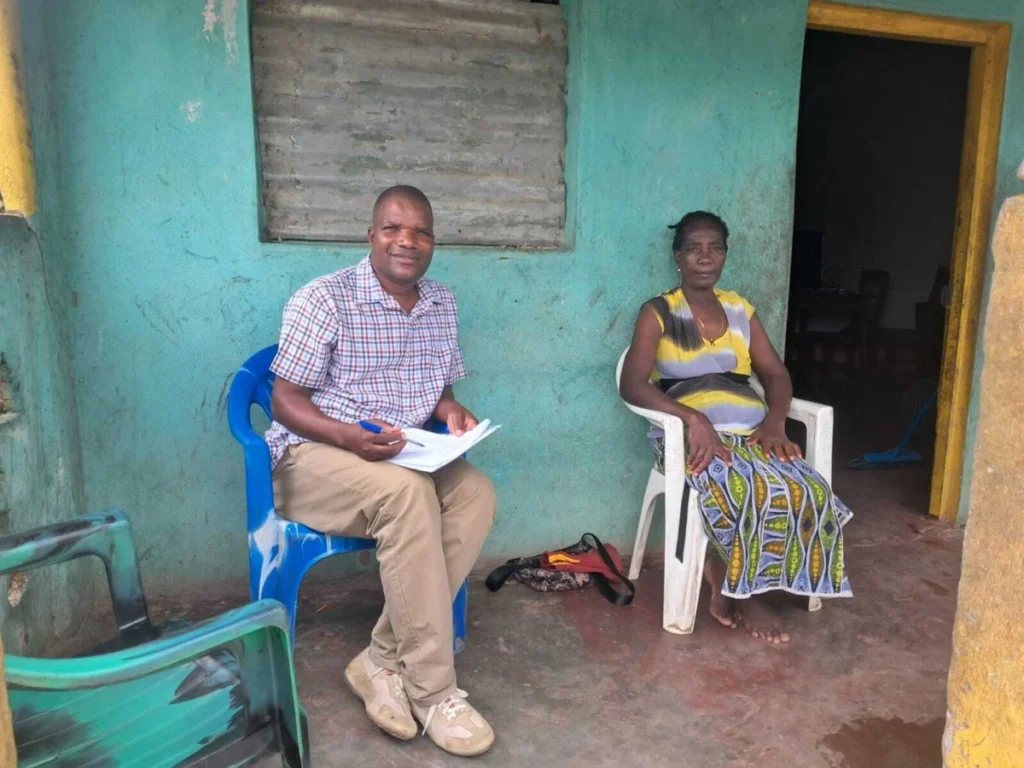
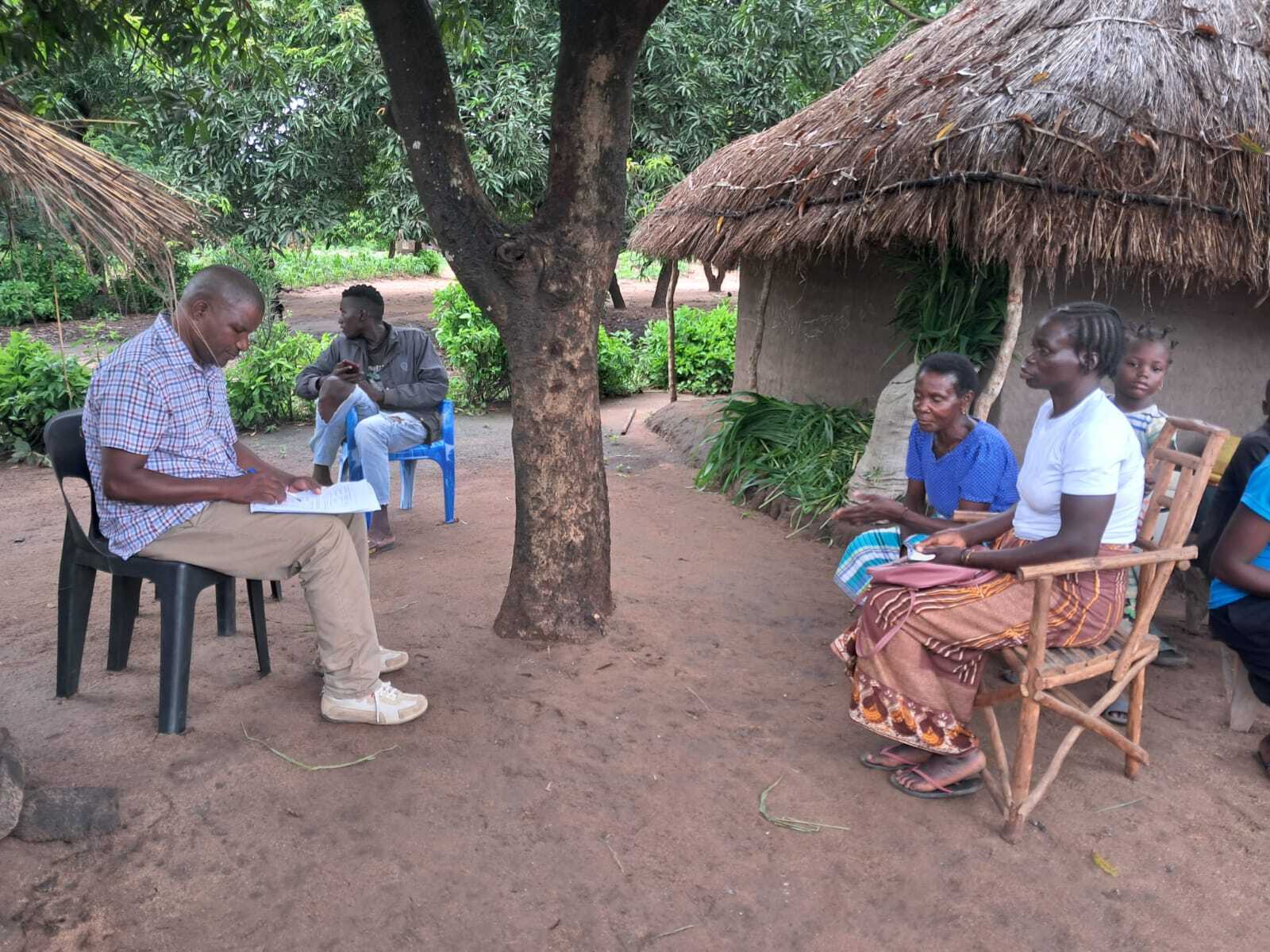
- The Pilot Phase (Sofala Province): A pivotal moment in this project was the implementation of the "Community Leader Mapping Tool." As seen in recent field operations in the Sofala province, researchers like Alberto Domingos have been working directly with community stakeholders to map the influential figures who hold the keys to cultural change.
- The World Bank Integration: Following the 2023 strategic announcement by the World Bank to strengthen economic empowerment for women and girls in the region, the Eu Sou Capaz model was identified as a primary vehicle for implementation in Mozambique.
- The Official Award: In early 2026, the formalization of the partnership between the National Youth Institute and World Education signaled the transition from pilot testing to national-level implementation.
Data-Driven Expertise: The World Education Framework
World Education brings 15 years of regional impact to this partnership. Their methodology is rooted in the belief that educational outcomes are inextricably linked to the socio-economic health of the family unit.
Why Data Matters
The Eu Sou Capaz model utilizes a "Community Leader Mapping Tool," which allows the program to identify and engage the most influential local voices—whether they be traditional leaders, local merchants, or parents—to advocate for girls’ education. By collecting real-time data on why girls leave school, the program can adjust its strategy at the district level. This is not a "one-size-fits-all" solution; it is a dynamic system that responds to the specific needs of communities in provinces like Sofala.
The "EAGER" Strategic Vision
The Empowering Adolescent Girls to Earn and Read (EAGER) vision is the umbrella under which this project sits. The World Bank’s involvement ensures that the initiative is not only pedagogically sound but economically sustainable. By providing material support alongside education, the program attempts to mitigate the "opportunity cost" that many families face when deciding whether to keep a daughter in school or send her into the workforce or early marriage.
Official Responses and Perspectives
The collaboration between international development experts and the Mozambican government has been characterized by a shared vision of institutional strengthening.
The Role of the National Youth Institute
The National Youth Institute (INJ) has positioned itself as the primary driver of this transformation. By leveraging World Education’s technical assistance, the INJ is undergoing a capacity-building exercise designed to ensure that the Mozambican government can eventually sustain these interventions without external support.
Voices from the Field
Field reports from the Sofala province highlight the importance of the human element. The "one-on-one" interview approach conducted by project leads has revealed that many families are not inherently anti-education but are constrained by economic survival. The program addresses this by:
- Material Support: Providing the necessary supplies to reduce the financial burden of schooling.
- Transformative Life-Skills Education: Equipping girls with the agency and knowledge to advocate for their own futures.
- Community Mobilization: Engaging men and boys to dismantle the gendered expectations that often relegate girls to domestic labor.
Implications: Scaling for National Success
The scaling of Eu Sou Capaz carries profound implications for the future of Mozambique’s labor force and social stability.
Impact on Teenage Pregnancy and GBV
By targeting the root causes—specifically harmful socio-cultural norms—the program seeks to drastically reduce the rates of teenage pregnancy, which remains one of the highest hurdles to female education in the region. By creating "safe spaces" within communities and providing mentors who have successfully navigated these same systems, the initiative provides a roadmap for girls to follow.
Economic Empowerment
The EAGER vision is built on the understanding that an educated girl is an empowered woman. When girls finish their secondary education, they gain access to higher-skilled labor markets, which in turn boosts the national economy. This is a long-term investment strategy: by spending on education today, Mozambique is effectively investing in its future GDP and social cohesion.
Partnering for Future Sustainability
As the initiative moves into its full implementation phase, World Education continues to invite stakeholders to engage in the process. Their service model, which includes education systems strengthening, program design, and applied research, serves as a blueprint for other nations in the region.
How to Engage
For organizations, policymakers, and community leaders, the path forward involves rigorous collaboration. World Education emphasizes:
- Policy Development: Working with the government to ensure laws protecting girls’ rights are not just on paper but are enforced through community-level action.
- Capacity Development: Training local teachers and community workers to serve as the front line of defense against school dropouts.
- Applied Research: Continuing the cycle of "design, test, measure, and scale" to ensure that as the demographics of Mozambique change, so too does the educational approach.
Conclusion: A New Horizon for Mozambican Girls
The Eu Sou Capaz initiative is more than a policy project; it is a cultural and systemic intervention. By bridging the gap between the national government’s vision and the realities of village life, World Education is creating a blueprint for resilience.
As the project continues to unfold throughout 2026 and beyond, the success of Eu Sou Capaz will be measured not just by the number of girls enrolled in school, but by the number of girls who finish their education with the skills, confidence, and community support required to lead in their respective fields.
In the words of the program’s guiding philosophy, "I am capable" is not just a slogan for the girls involved—it is a promise that the systems around them are finally being built to support their inherent potential. With the weight of the World Bank and the expertise of World Education behind them, the adolescent girls of Mozambique are entering a new era of opportunity.
For those interested in the ongoing progress of the Eu Sou Capaz initiative, World Education provides regular updates through their institutional newsletters and policy briefings, offering insights into the evolving landscape of education in East and Southern Africa.