Advocates Converge on Sacramento: Strengthening the Lanterman Act and Celebrating Disability Media
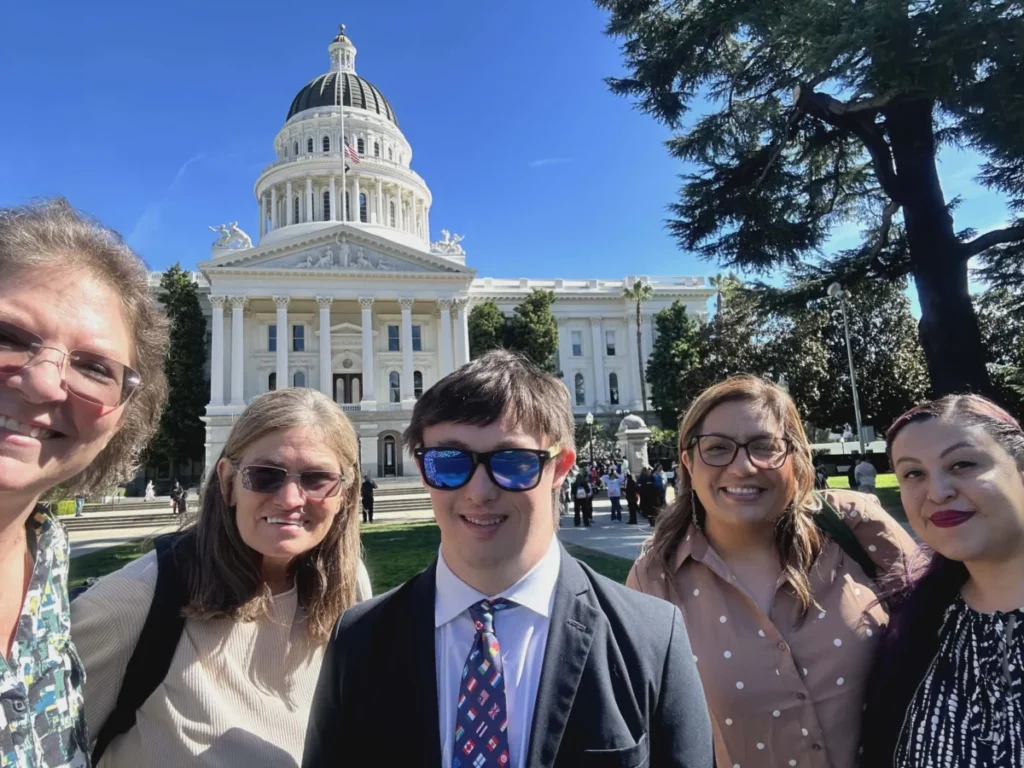
SACRAMENTO, CA — On February 26, 2026, the halls of the California State Capitol served as the stage for a critical demonstration of civic engagement. A coalition representing Cal-TASH, the Infant Development Association (IDA), and the North Los Angeles County Regional Center (NLACRC) completed a rigorous series of 16 legislative visits. This coordinated effort sought to fortify the legal and financial foundations of disability services in California, ensuring that the promise of the Lanterman Developmental Disabilities Services Act remains a cornerstone of the state’s commitment to its most vulnerable residents.
The legislative push occurred at a pivotal juncture in state policy, characterized by shifting federal priorities and an evolving state budget landscape. Beyond the advocacy work, the week served as a dual-purpose milestone for the community, culminating in the 2026 Cal-TASH Conference and a high-profile recognition of activist and filmmaker Jim LeBrecht.
The Legislative Agenda: Protecting the Lanterman Act
The primary objective of the Cal-TASH delegation was the preservation, protection, and enhancement of the Lanterman Act. As California’s landmark legislation, the Lanterman Act grants individuals with developmental disabilities the right to receive services and supports that allow them to live as independently as possible in their own communities.
Ensuring Choice-Driven, Person-Centered Services
In an era of economic volatility, the delegation emphasized that the Lanterman Act is not merely a policy document but a mandate for civil rights. Advocates argued that as federal and state agencies evaluate budget cuts or restructuring, the “person-centered” model—which prioritizes individual choice over institutional convenience—must remain non-negotiable.

Addressing the Early Intervention Crisis
A significant portion of the legislative discourse focused on early intervention programs. In collaboration with the IDA, the Cal-TASH representatives highlighted the unintended consequences of recent state rate reforms. The coalition presented data suggesting that while rate reform was intended to streamline services, it has placed undue strain on providers, potentially hindering the ability of infants and toddlers to receive timely, high-quality developmental support.
Navigating the Education Landscape
The visits also served as an educational platform for state legislators. Advocates facilitated deep-dive discussions on the complex intersection of state and federal responsibilities regarding special education. By clarifying the jurisdictional boundaries and highlighting current gaps in the system, the coalition aimed to foster a more informed legislative body capable of drafting policy that bridges the divide between state mandates and federal funding requirements.
Chronology of the Advocacy and Conference Events
The advocacy efforts were not isolated incidents but part of a larger, multi-day engagement strategy.
- February 26, 2026 (The Hill Day): The core advocacy team engaged in 16 back-to-back legislative meetings. The day was defined by high-intensity briefings, where constituents shared personal narratives alongside policy recommendations to emphasize the human impact of legislative decisions.
- February 27, 2026: Following the Capitol visits, the Cal-TASH community transitioned into internal strategy sessions and workshop reflections, synthesizing the feedback received from legislative offices to prepare for future advocacy campaigns.
- February 28, 2026 (The Conference Finale): The 2026 Cal-TASH Conference reached its conclusion. This day focused on the cultural narrative of disability, moving from the political sphere to the creative and social sphere. The highlight was a fireside chat with Jim LeBrecht, which provided a reflective space for attendees to discuss the historical and ongoing struggle for disability justice.
Supporting Data and Context
To understand the urgency of these legislative visits, one must look at the current pressures facing the California disability service delivery system.

The Fiscal Pressure Cooker
California’s developmental services budget is currently experiencing significant tension. Rate reforms, while necessary for long-term fiscal sustainability, have created short-term instability for regional centers and community-based organizations. According to industry analysis, the administrative burden of these reforms, combined with inflation, has forced some smaller providers to consolidate or reduce their service offerings.
The Federal-State Dynamic
The Lanterman Act operates within a framework that relies on both state general funds and federal Medicaid waivers. Because federal guidelines regarding Home and Community-Based Services (HCBS) are frequently updated, the advocacy coalition sought to ensure that California remains in compliance while aggressively pushing for expansions that exceed federal minimums.
Early Intervention Trends
Data presented by the IDA during the visits indicated that the number of children qualifying for early intervention services is at an all-time high. However, the provider pipeline is not growing at a commensurate rate. The coalition argued that unless the state recalibrates its reimbursement models, the "early intervention" promise will become a "delayed intervention" reality for many California families.
Official Responses and Stakeholder Perspectives
The advocacy day was met with varying levels of engagement from lawmakers. While specific outcomes from the 16 meetings remain confidential as negotiations continue, representatives from the participating organizations expressed cautious optimism.

The Perspective of Cal-TASH
"Our goal is to ensure that policymakers see the face behind the policy," said a spokesperson for Cal-TASH. "When we walk into an office, we aren’t just talking about budget lines. We are talking about the right of a child to receive early therapy, the right of an adult to live in their own home, and the right of every Californian with a disability to participate fully in our society."
The Role of the Regional Centers
The participation of the North Los Angeles County Regional Center (NLACRC) underscored the operational necessity of the advocacy. Regional centers are the primary entities responsible for implementing the Lanterman Act at the local level. Their input in Sacramento provided legislators with "on-the-ground" evidence of where the current system is thriving and where it is breaking down under administrative pressure.
Implications for the Future of Disability Rights
The actions taken by this coalition carry long-term implications for the disability community in California.
A Shift in Narrative
By pairing high-level legislative advocacy with the recognition of cultural influencers like Jim LeBrecht, Cal-TASH is successfully bridging the gap between "hard" policy and "soft" cultural influence. The presentation of the Positive Images in the Media Award to LeBrecht—the creative force behind Crip Camp and Change Not Charity—signifies a commitment to changing the public perception of disability.

The Path Forward
The implications for the remainder of the 2026 legislative session are clear:
- Budgetary Vigilance: The coalition remains on high alert regarding any proposed budget "trailer bills" that might erode the protections of the Lanterman Act.
- Strategic Coalitions: The partnership between Cal-TASH, IDA, and regional centers serves as a model for future advocacy. By aligning early childhood advocates with lifespan disability organizations, the coalition has created a broader base of support that is harder for legislators to ignore.
- Continued Education: The complexity of federal versus state responsibility in special education requires ongoing, non-partisan educational outreach. The coalition has committed to providing further briefings to legislative staff throughout the year.
Conclusion: A Legacy of Activism
The events of late February 2026 serve as a testament to the enduring power of the disability rights movement. From the halls of the Capitol to the stage of the Cal-TASH Conference, the message remained consistent: the rights afforded by the Lanterman Act are not merely bureaucratic entitlements but essential pillars of a democratic society.
As California looks toward the future of its developmental services system, the efforts of these advocates ensure that the voices of individuals with disabilities, their families, and the professionals who support them remain at the forefront of the conversation. By celebrating the history of the movement—through the lens of artists like Jim LeBrecht—and aggressively defending its current legal standing, the Cal-TASH coalition has successfully set the agenda for a more inclusive, accessible, and equitable California.
As the legislative session progresses, the eyes of the disability community will remain fixed on Sacramento, ensuring that the promises made to California’s most vulnerable citizens are not just kept, but honored with the resources and attention they deserve.