Beyond the Screen: How CodeMonkey is Revolutionizing STEM Education for the Next Generation
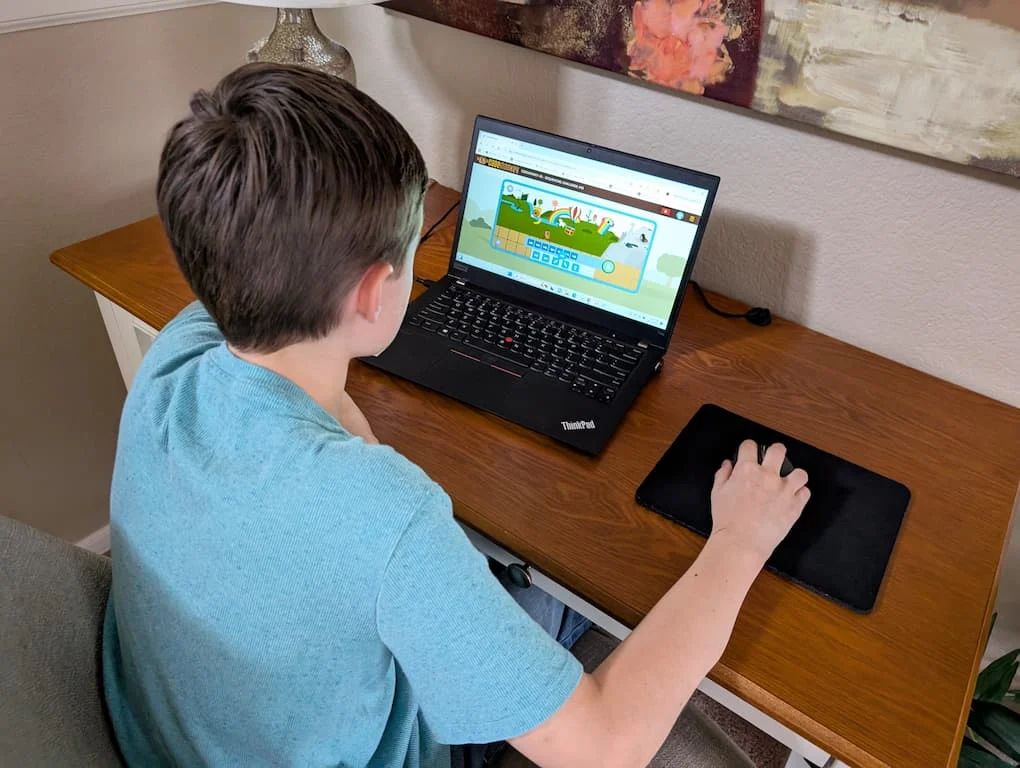
In an era where digital literacy is as fundamental as reading and writing, parents and educators are constantly searching for effective ways to introduce children to the world of programming. Traditional methods—often consisting of dense textbooks or dry, passive video tutorials—frequently fail to capture the imagination of young learners. Enter CodeMonkey, an award-winning, game-based learning platform that is shifting the paradigm of computer science education. By transforming the abstract logic of code into a vibrant, interactive adventure, CodeMonkey has become a leading tool for students ranging from preschool to 8th grade.
Main Facts: The Intersection of Play and Programming
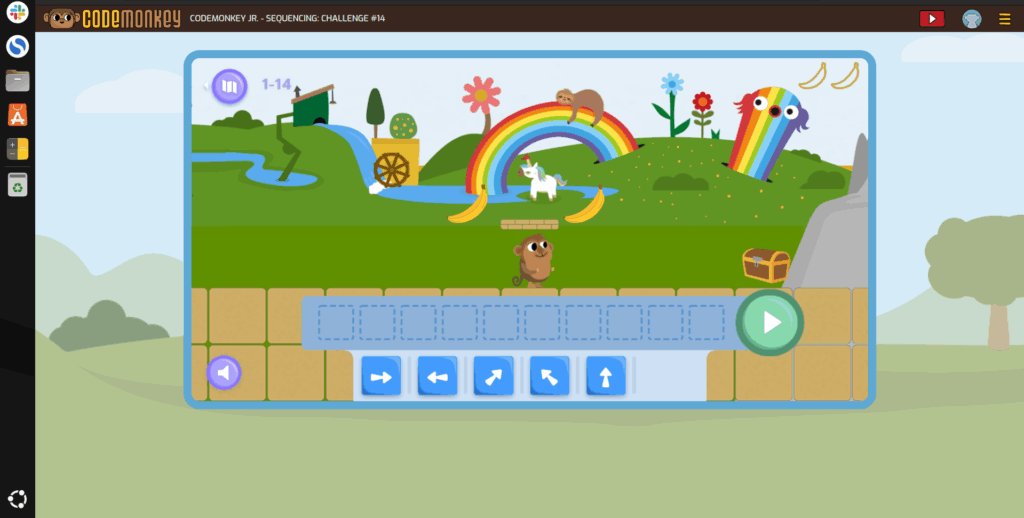
At its core, CodeMonkey is designed to demystify programming by bridging the gap between block-based visual coding and professional-grade text-based languages. The platform utilizes a gamified environment where students act as "problem solvers," guiding a virtual monkey through hundreds of challenges to collect bananas.
Key facts about the platform include:
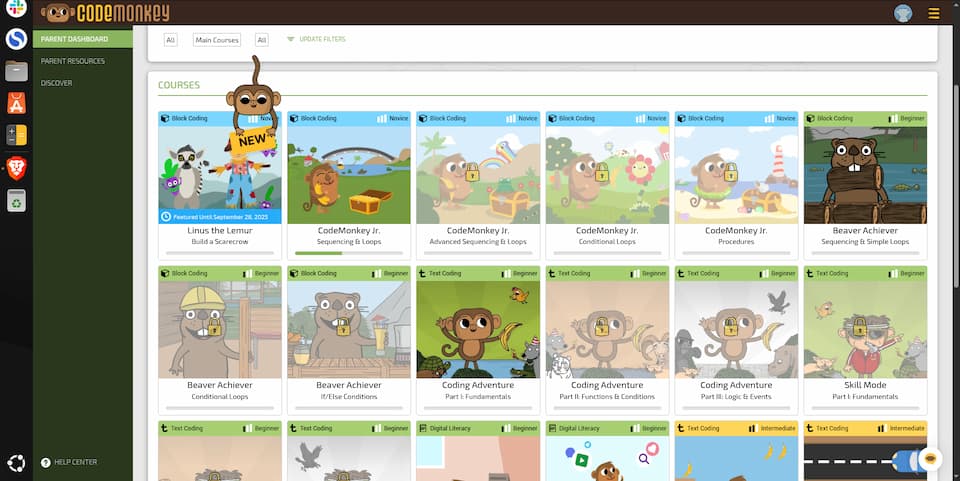
- Curriculum Scope: It spans from early childhood (CodeMonkey Jr.) to middle school proficiency.
- Real-World Languages: Unlike platforms that use proprietary, "play-only" languages, CodeMonkey teaches industry-standard syntax, including CoffeeScript, Python, and JavaScript.
- Accessibility: The platform requires no prior coding knowledge, allowing students to start with intuitive drag-and-drop blocks before transitioning to typing actual code.
- Volume of Content: The curriculum includes over 400 unique challenges, each meticulously designed to reinforce specific computational thinking concepts.
Chronology: The Evolution of a Coding Powerhouse
The journey of CodeMonkey is rooted in the belief that programming is a language that should be learned early. The platform’s development timeline reflects a strategic approach to pedagogy:
- Foundational Development: The initial rollout focused on the core "Coding Adventure" course, which introduced the logic of sequence and direction through the now-iconic monkey-and-banana premise.
- Expansion into Complexity: Recognizing that students need a pathway to professional languages, the developers integrated CoffeeScript and later, Python, ensuring that the transition from game to real-world utility was seamless.
- The "Junior" Initiative: Understanding that early childhood education requires a different cognitive approach, the team introduced CodeMonkey Jr., utilizing visual icons to teach sequencing and logic to children who are not yet reading fluently.
- Integration of Creative Tools: The introduction of the "Game Builder" tool marked a shift from passive puzzle-solving to active creation, allowing students to build their own playable games using the syntax they mastered in the core curriculum.
- Modern Scaling: Today, the platform functions as a robust ecosystem, complete with teacher dashboards, parent portals, and real-time progress tracking, solidifying its place in both public schools and homeschool environments.
Supporting Data: Why Gamification Works
Educational psychologists have long argued that "flow"—the state of being fully immersed in a task—is essential for deep learning. CodeMonkey utilizes gamification to achieve this state.
According to pedagogical studies integrated into the platform’s design:
- Immediate Feedback Loops: Unlike a school assignment that takes days to grade, CodeMonkey provides instant validation. If a line of code is incorrect, the monkey doesn’t reach the banana, prompting the student to debug and try again. This builds resilience.
- Cognitive Scaffolding: By starting with simple movements and gradually introducing loops, functions, and variables, the platform ensures students are never overwhelmed. This "scaffolding" is critical for building long-term memory.
- Visual Representation of Abstract Logic: The use of objects and arrays as tangible, visible containers helps students visualize data structures, turning abstract computer science concepts into concrete, manageable tasks.
Official Responses and Pedagogical Philosophy
The creators of CodeMonkey emphasize that their platform is not merely a "coding game," but a rigorous computer science curriculum. In their official documentation, they highlight that the transition from block-based to text-based coding is the most critical hurdle for young students.
"Our goal is to remove the fear factor," says a company spokesperson. "When a child learns to write a loop in Python to help a character, they aren’t just playing a game. They are learning the exact syntax used by software engineers at top tech firms. We provide the structure; the child provides the curiosity."
Educators who have adopted the platform report that the "Teacher Dashboard" is a standout feature. It allows instructors to monitor student progress in real-time, identify which students are struggling with specific concepts like conditional logic or boolean operators, and provide targeted support. This data-driven approach allows for a personalized learning experience that is often difficult to achieve in a traditional classroom setting of 30+ students.
Implications: Preparing for a Tech-Driven Future
The implications of early exposure to coding through platforms like CodeMonkey are profound.
1. Developing Computational Thinking
Computational thinking is the ability to break down complex problems into smaller, logical steps. Whether a child grows up to be a software developer, a doctor, or an entrepreneur, the ability to decompose problems and apply systematic solutions is a universal asset. CodeMonkey fosters this by forcing the user to define clear algorithms to navigate the game’s environment.
2. Bridging the Education Gap
In many school districts, computer science is either underfunded or non-existent. CodeMonkey provides a standardized, high-quality curriculum that can be deployed via the web. This democratizes access to STEM education, allowing a student in a rural home or an under-resourced school to access the same quality of instruction as a student in a private tech-focused academy.
3. Career Readiness
By teaching Python—the fastest-growing programming language in the world—CodeMonkey gives students a head start. By the time a student reaches high school, they have already bypassed the "introductory phase" of coding, allowing them to pursue advanced topics like artificial intelligence, web development, or data science with confidence.
Deep Dive: Key Concepts Explained
To understand the efficacy of CodeMonkey, one must look at the specific concepts it targets:
- Loops: The platform teaches students to avoid redundancy. Instead of writing "move, move, move," they learn to use a loop to execute a command multiple times. This is the foundation of efficient programming.
- Functions: Students learn to "package" sets of instructions. This is essential for writing clean, maintainable code.
- Variables and Conditions: By introducing "if-else" statements, the platform teaches the logic of decision-making. "If the banana is to the left, turn left; else, go straight." This logic is the basis for all software interaction.
- Objects and Arrays: By treating characters and items as "objects" with specific properties, students learn the fundamental principles of Object-Oriented Programming (OOP).
Conclusion: A New Standard for Learning
CodeMonkey represents a fundamental shift in how we view the acquisition of technical skills. It acknowledges that children learn best when they are engaged, challenged, and empowered to create. By replacing the intimidation of terminal windows and complex syntax with an intuitive, game-based interface, it opens the door to computer science for a generation that will live and work in an increasingly digital world.

For parents and teachers, the platform offers more than just a curriculum; it offers a pathway to future-proof their children. Whether it is through the structured, teacher-led lesson plans in a classroom or the self-paced, gamified adventures at home, CodeMonkey proves that learning to code doesn’t have to be a chore—it can be an adventure.
If you are ready to start your child’s coding journey, you can explore the various programs and subscription plans available via this link. Investing in these skills early is one of the most impactful ways to prepare the next generation for the challenges and opportunities of the 21st century.