Beyond the Innovation Cycle: Why School Improvement Fails—and How Educators Can Finally Solve Their Own Problems

By Educational Research & Analysis Desk
Published: September 2026
Main Facts
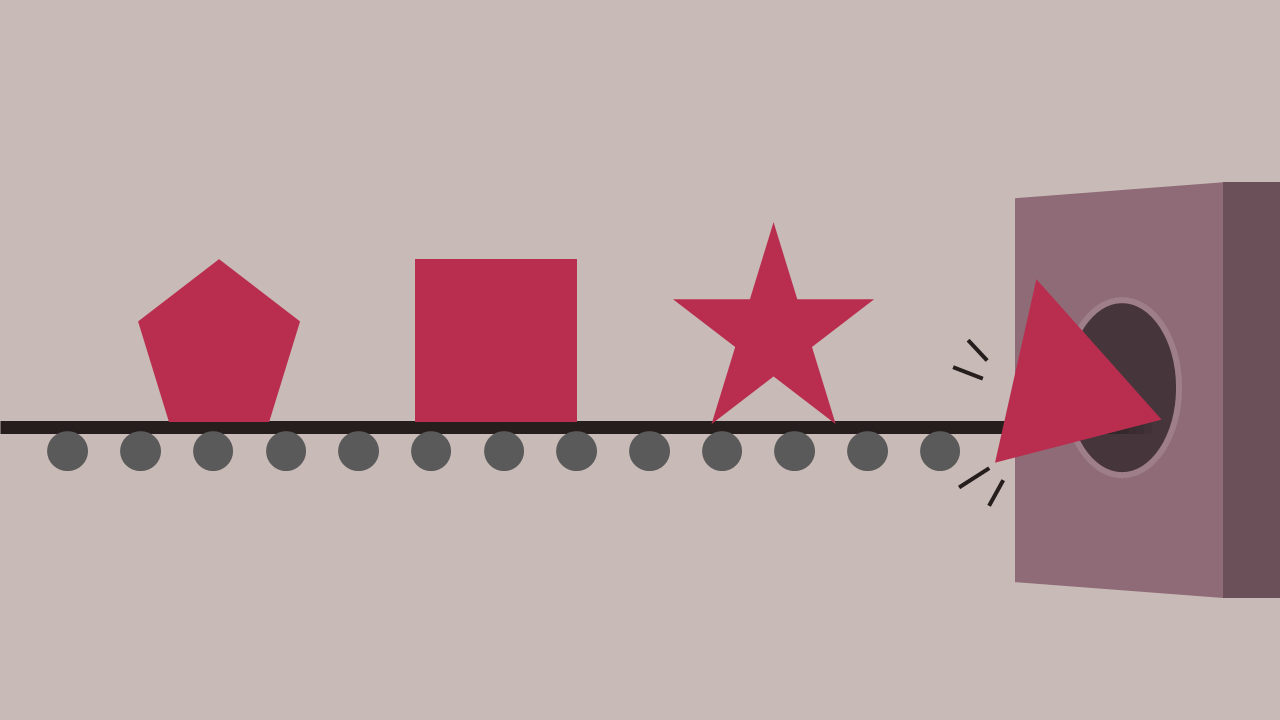
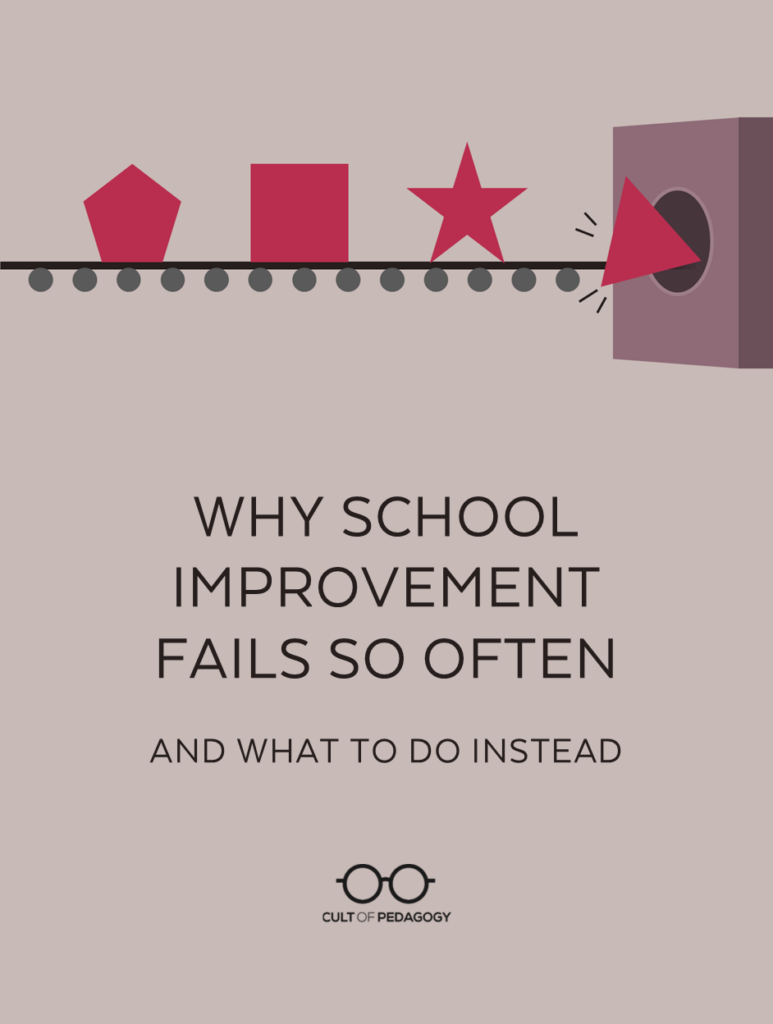
For generations, the start of a new academic year has signaled a familiar ritual across schools and districts worldwide: the rollout of the latest educational reform initiative. Whether it is a rebranded pedagogical framework, a high-stakes district-wide curriculum overhaul, or a top-down leadership program, teachers and administrators are routinely handed prepackaged solutions designed to fix systemic flaws overnight. Yet, despite immense investments of time, funding, and emotional energy, these initiatives frequently dissolve into the background noise of educational churn, quietly replaced a few years later by the next silver bullet.
In their landmark new book, A Chance to Solve Their Own Problems, education researchers Jal Mehta and Max Yurkofsky tackle this persistent crisis of implementation. Drawing on extensive field research across real-world schools and districts, Mehta and Yurkofsky examine why well-intentioned continuous improvement frameworks routinely fail—and, more importantly, what distinguishes the rare educational environments where problem-solving actually succeeds.
The core thesis of their research is straightforward yet radical: school improvement efforts fail not because educators lack dedication, but because systemic interventions are routinely imposed from the top down. True, lasting progress occurs only when the people closest to the classroom are empowered to identify, study, and solve the specific challenges facing their local contexts. Achieving this requires an alignment of three critical elements—mindsets, routines, and practices—supported by an institutional culture that protects time, encourages risk-taking, and treats local problems not as liabilities, but as catalysts for growth.
Chronology
To understand how modern educational reform arrived at its current cycle of burnout and replacement, it is helpful to trace the evolution of school improvement methodologies over the past several decades:
- The Era of Top-Down Mandates (Late 20th Century): Educational reform was historically dominated by macro-level policy changes. State and district leaders dictated curricula and instructional strategies with the expectation of uniform compliance across diverse communities.
- The Rise of "Improvement Science" (2010s): Recognizing the limitations of rigid mandates, schools began adopting continuous improvement frameworks—such as Plan-Do-Study-Act (PDSA) cycles—borrowed from the healthcare and manufacturing sectors. While these models theoretically empowered practitioners, they frequently degraded into rigid bureaucratic routines.
- The Bureaucratic Trap (Early 2020s): Over time, many districts turned improvement frameworks into compliance exercises. Educators were trained to follow specific steps with strict adherence to "fidelity," prioritizing the process of problem-solving over genuine inquiry and local adaptation.
- The Paradigm Shift (Present Day): Researchers like Mehta and Yurkofsky are leading a growing call to return autonomy to educators. By synthesizing qualitative studies of successful districts, current scholarship highlights the necessity of embedding inquiry into daily school operations rather than treating it as an external administrative program.
Supporting Data & Common Pitfalls
Mehta and Yurkofsky’s research identifies four primary patterns that routinely derail school improvement initiatives. Recognizing these traps is the first step toward correcting them.
1. The Exclusion of Frontline Educators
In conventional reform models, district administrators or external consultants identify institutional deficiencies and hand down directives. Mehta argues that this approach fundamentally undermines trust. When leaders attempt to solve problems they think educators have—rather than addressing the challenges teachers experience firsthand—engagement plummets. Sustainable reform requires that the people closest to the ground initiate the inquiry.
2. The Trap of Individualized Blame vs. Systemic Analysis
When academic performance or behavioral data flags a struggling classroom or educator, traditional interventions frequently focus on the individual. Yurkofsky advocates for shifting the lens outward to examine the broader system.
"What’s more helpful is to go one layer deeper and think about, why is this particular teacher struggling with those standards? What part of the system is contributing to that outcome continuing to happen?"
By evaluating onboarding structures, instructional coaching models, and curriculum alignment, schools can solve systemic failures that impact entire cohorts rather than isolating single educators.
3. The Fallacy of "Fidelity"
A common metric for evaluating new programs is implementation fidelity: whether educators are executing the model precisely as designed. Yurkofsky argues that an obsessive focus on fidelity directly impedes institutional learning. Because no external program is perfectly tailored to a local context, successful integration requires adaptation. "Fidelity means we’re not learning," Yurkofsky notes, introducing the concept of adaptive integration—a continuous process of revising strategies based on real-time classroom feedback.
4. Premature Solution-Jumping
Schools frequently commit to a specific curriculum or technology before fully defining the underlying problem. Once financial and political capital has been invested, administrators tend to contort local issues to fit the pre-selected solution. True design thinking, by contrast, demands that problems be framed broadly enough to accommodate multiple potential pathways to resolution.
Official Responses & Expert Insights
The insights shared by Mehta and Yurkofsky during their recent media and podcast appearances shed light on the structural prerequisites required to make improvement work sustainable. According to their findings, successful institutional change relies on the seamless integration of three building blocks:
- Mindsets: Educators must hold beliefs aligned with the reform effort. For instance, secondary teachers cannot successfully implement cross-curricular literacy initiatives if they believe reading instruction is exclusively an elementary school responsibility.
- Routines: Institutionalized structures—such as collaborative data analysis, peer observations, and regular common planning time—prevent innovative educators from feeling isolated on an "island."
- Practices: While processes and frameworks are essential, they must be paired with substantive disciplinary expertise. As Mehta emphasizes, educators cannot simply "PDSA-cycle" their way into complex pedagogical shifts without access to strong instructional materials and expert guidance.
Furthermore, school and district leaders carry the responsibility of cultivating an ecosystem where these elements can thrive. This requires three distinct leadership commitments:
- Protecting Time and Space: Recognizing that time is a teacher’s scarcest resource, leaders must intentionally carve out non-instructional hours for collaborative inquiry.
- Creating Psychological Safety: True learning requires experimentation, which inevitably involves occasional failure. Leaders must dismantle punitive cultures to make it safe for educators to admit what is not working.
- Embedding Improvement Within a Broader Strategy: Improvement methods should serve an overarching purpose and long-term vision, rather than existing as standalone administrative exercises.
Implications for the Future of Education
The implications of Mehta and Yurkofsky’s work extend far beyond individual classrooms; they challenge the fundamental architecture of school governance. If districts continue to rely on transient, top-down mandates, they risk perpetuating cycles of teacher burnout and stagnant student achievement.
Conversely, embracing a localized, problem-driven model of school improvement fosters professional agency and institutional resilience. By shifting the perspective from compliance to curiosity—and by viewing teacher-identified problems as a "gift" rather than a critique—educational leaders can transform schools into dynamic learning organizations.

Ultimately, A Chance to Solve Their Own Problems offers a pragmatic roadmap for the future. It demonstrates that when educators are trusted as expert inquirers rather than treated as passive implementers, school improvement ceases to be an exhausting annual initiative and becomes a natural, enduring part of professional life.